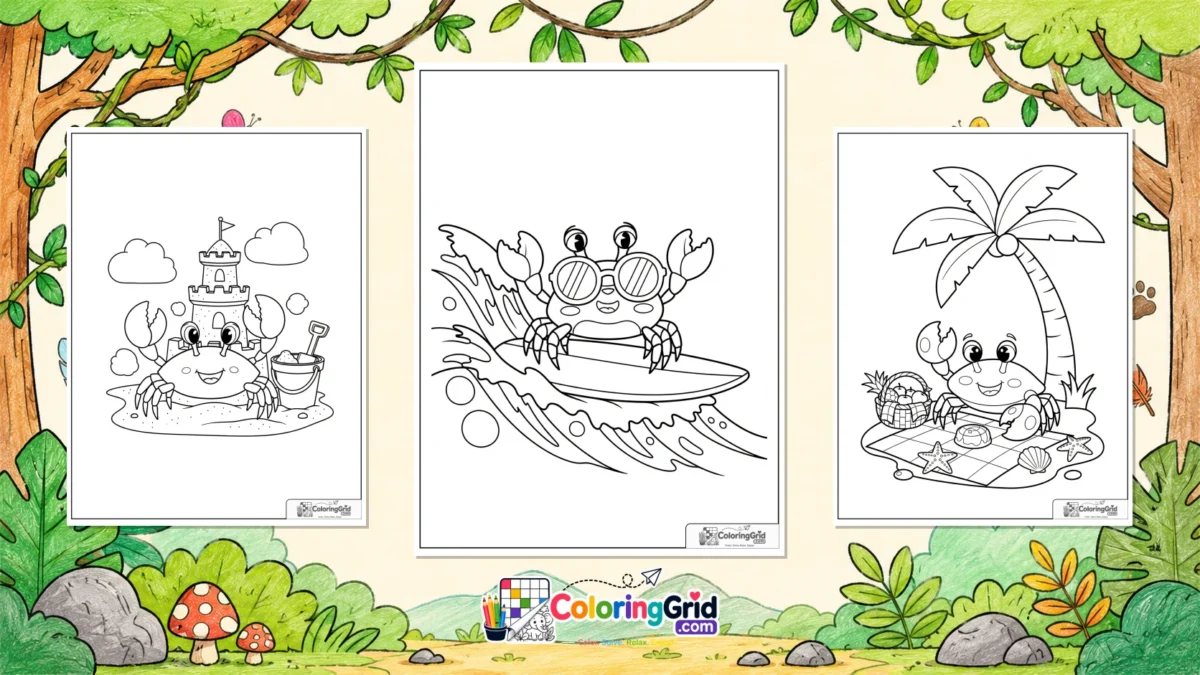
The best Crab Coloring Pages sheets make the main subject clear right away. With claws, shells, and beach sand, this set gives parents and teachers an easy activity for animal lessons, quiet art time, homeschool folders, or a calm after-school activity.
Print from the PDF when you need several crab sheets in one place. Save the JPG when you only need one page, want faster access on a device, or plan to place the design inside a worksheet or folder.
What's Inside
Crab Printable Set
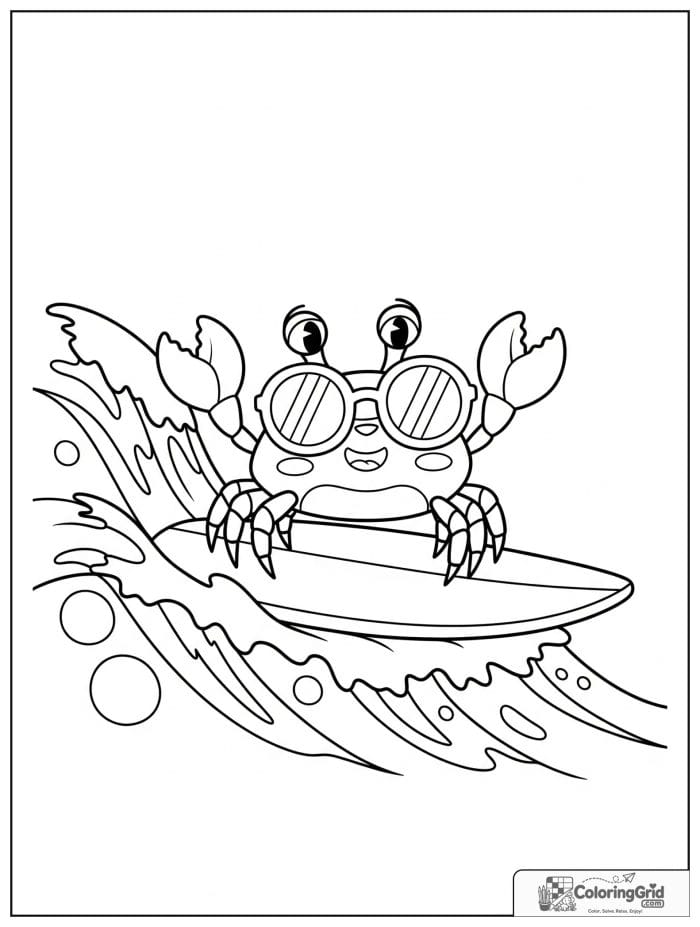
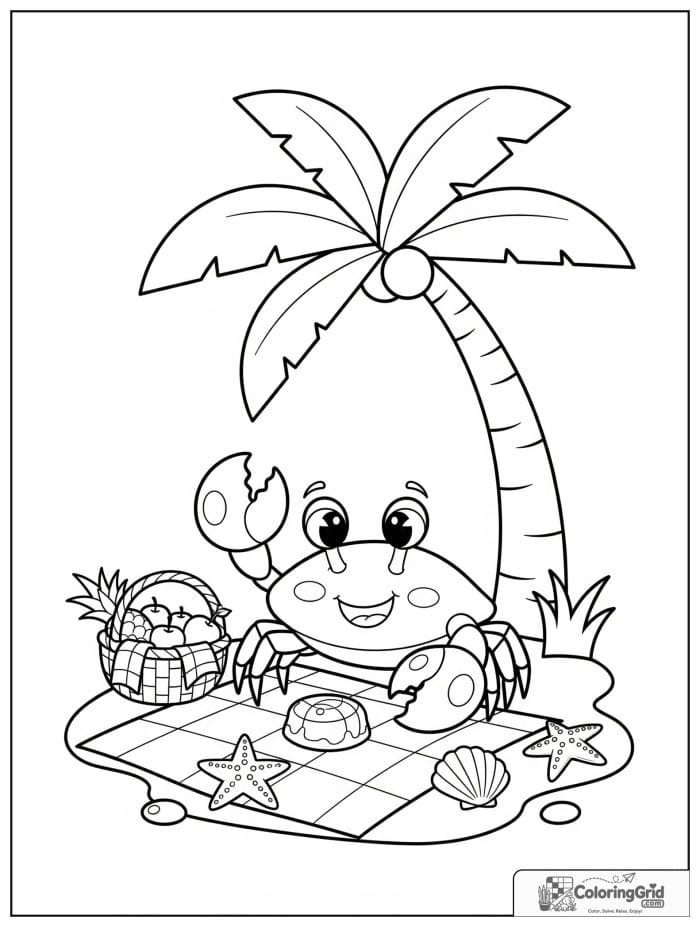
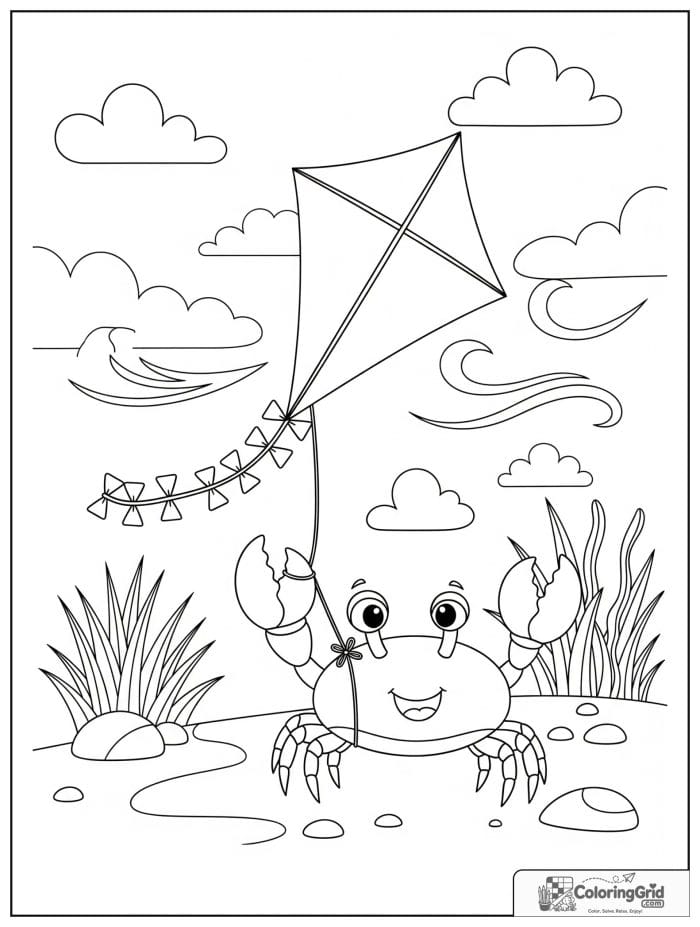
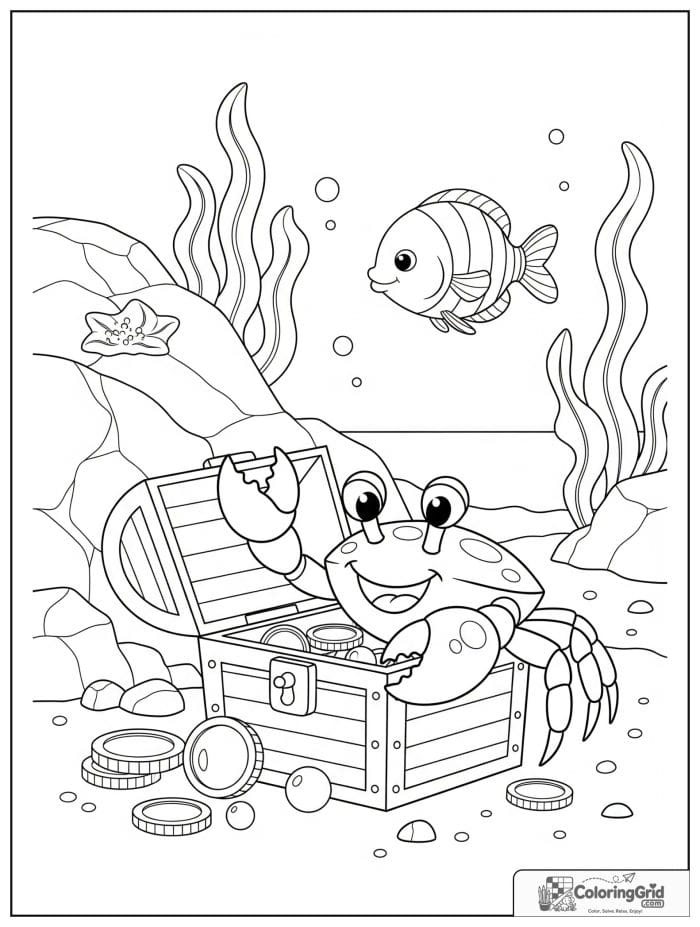
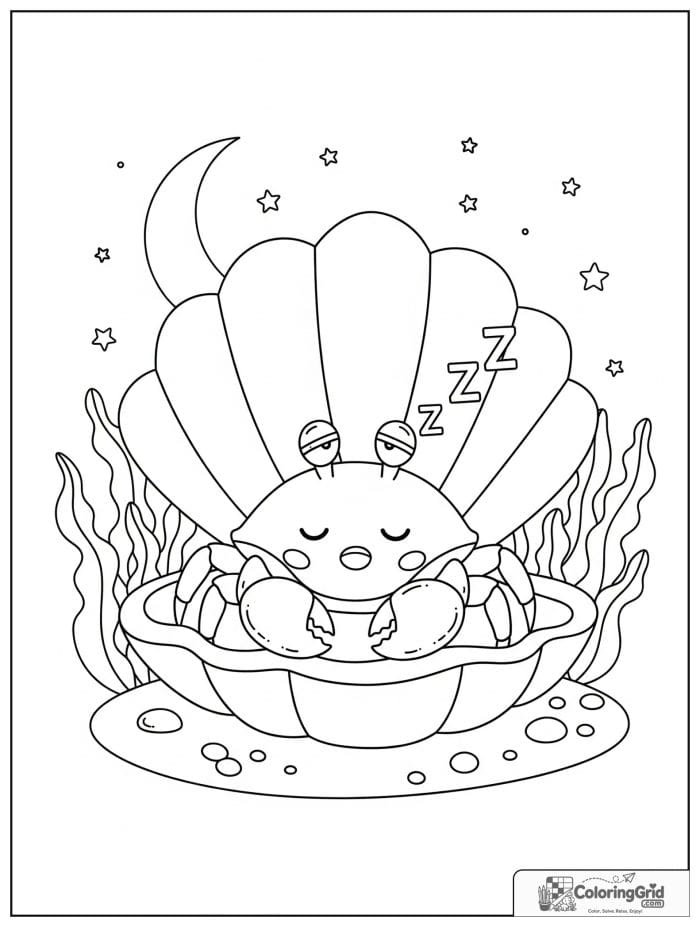
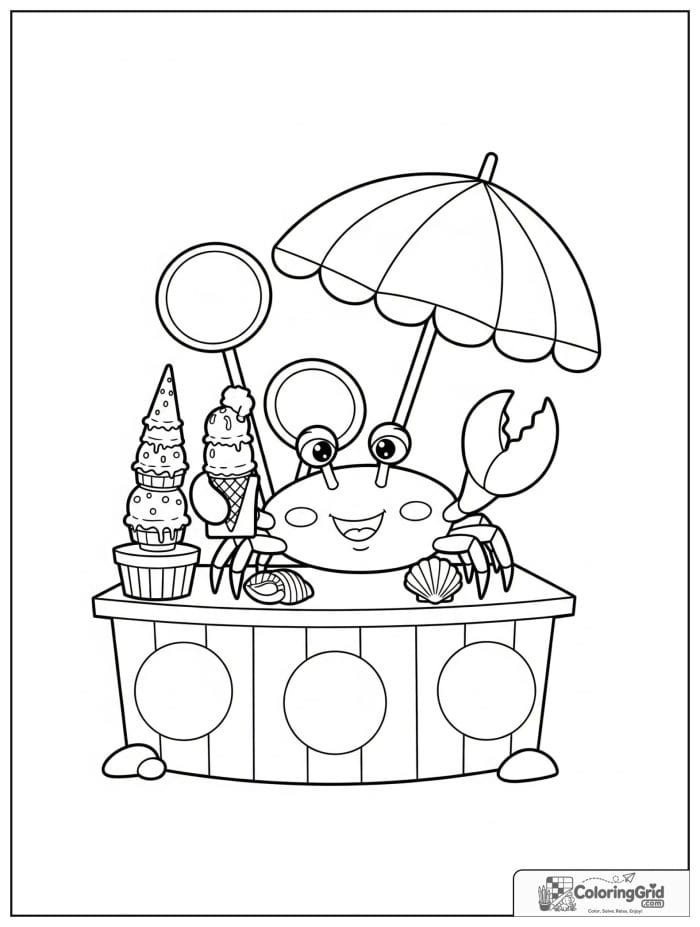
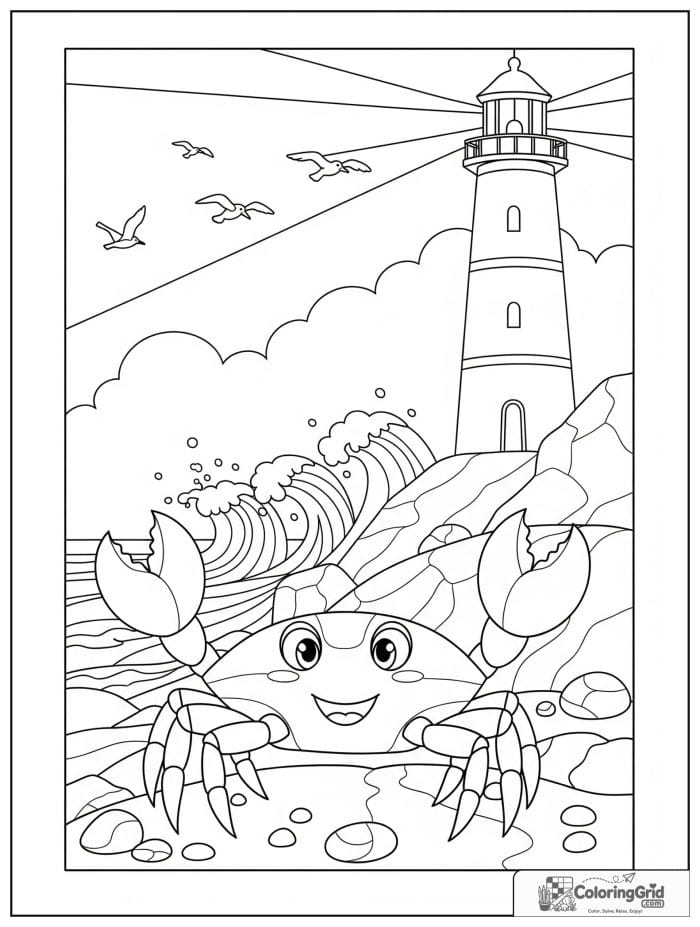
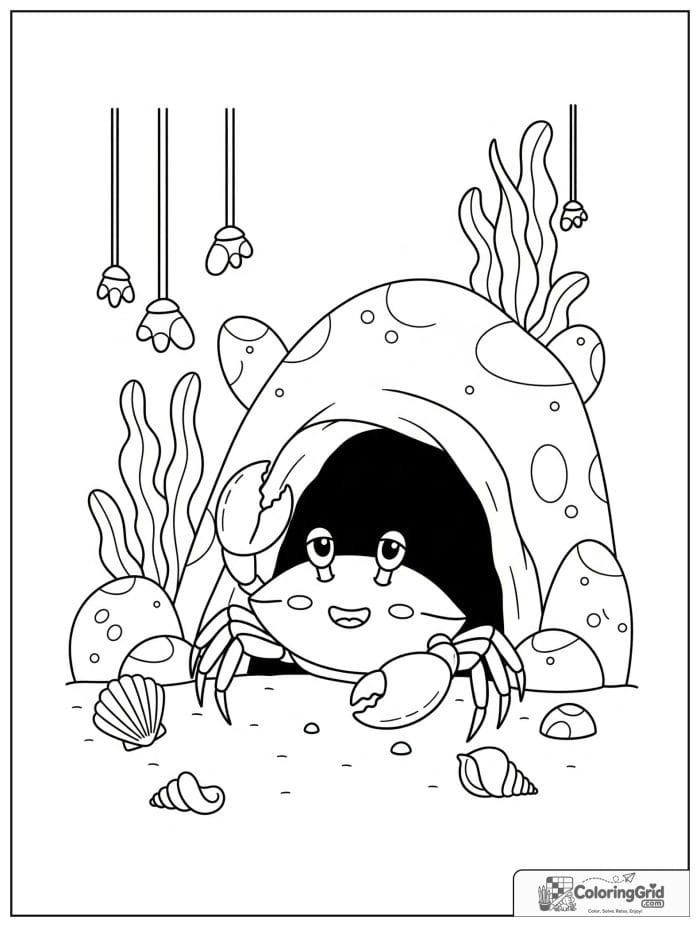
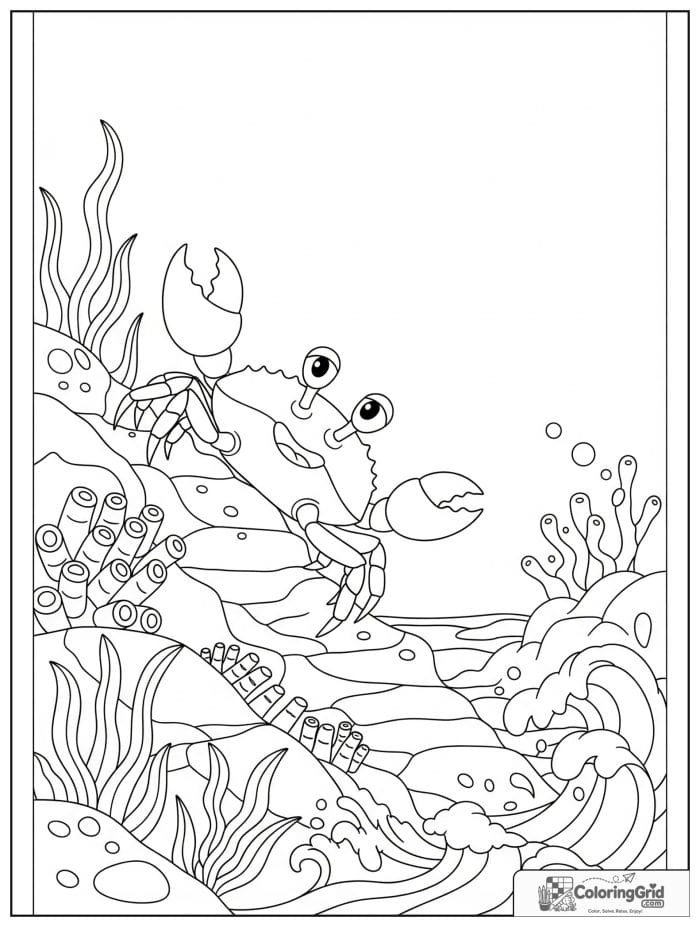
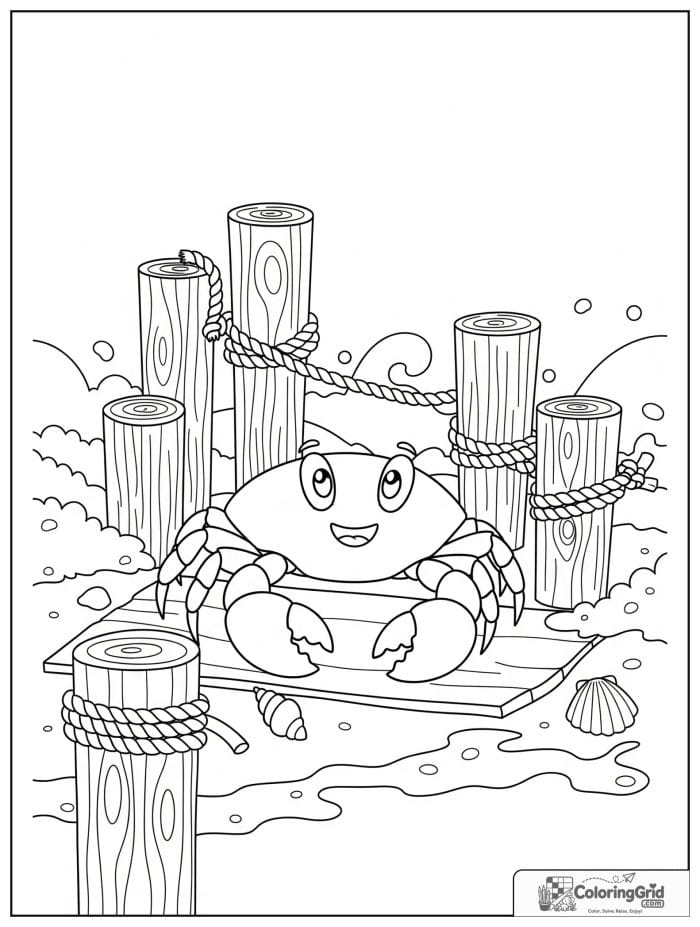
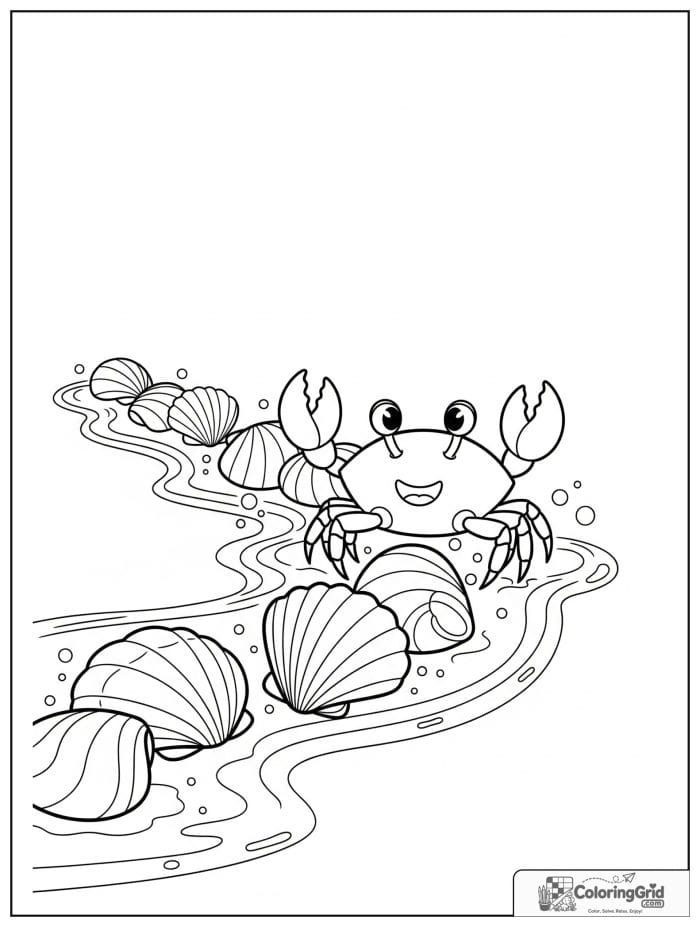
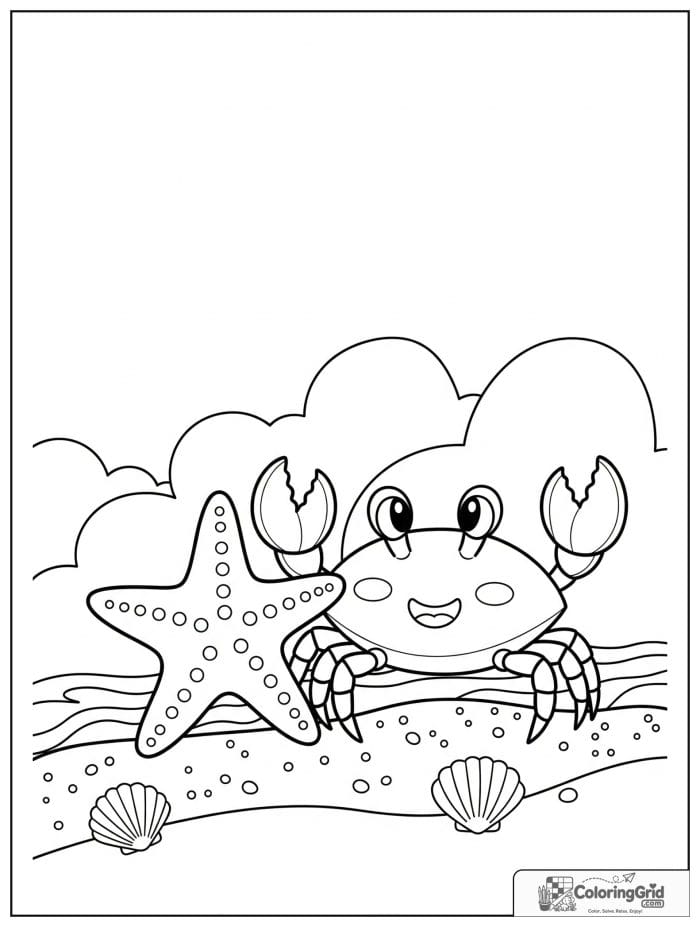
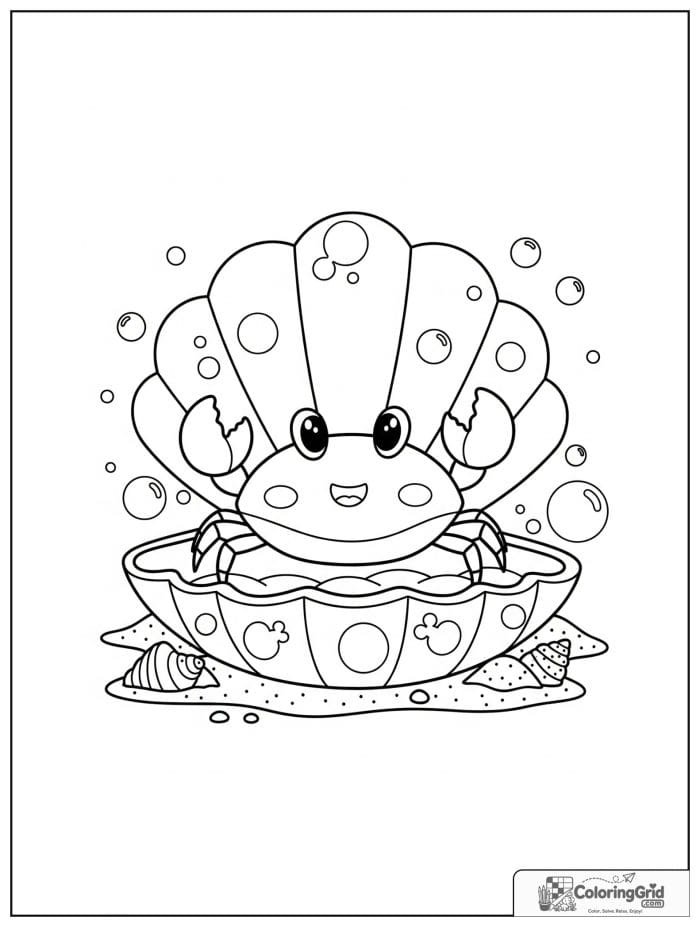
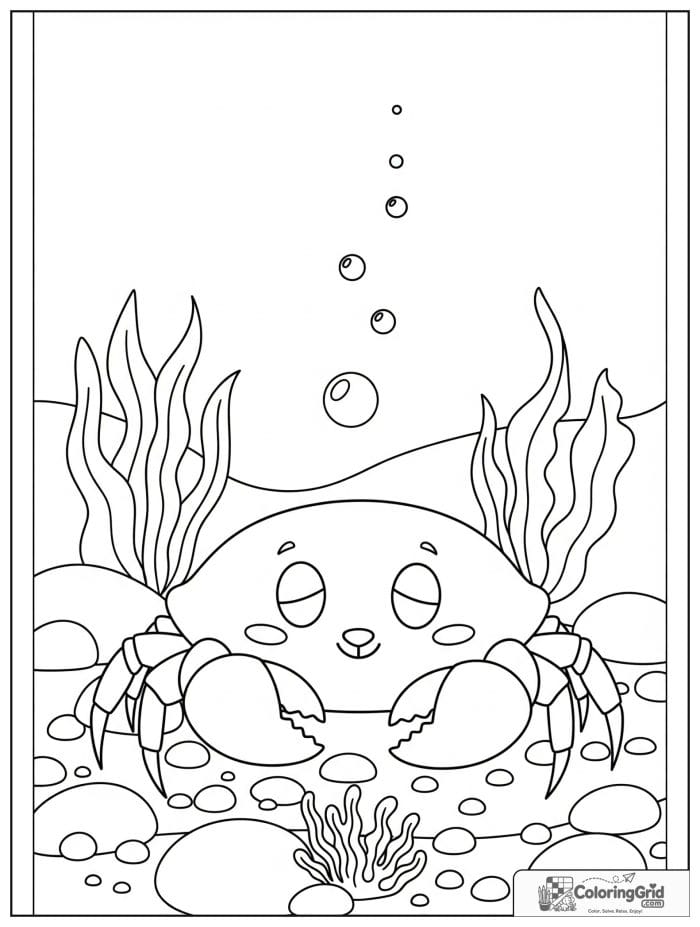
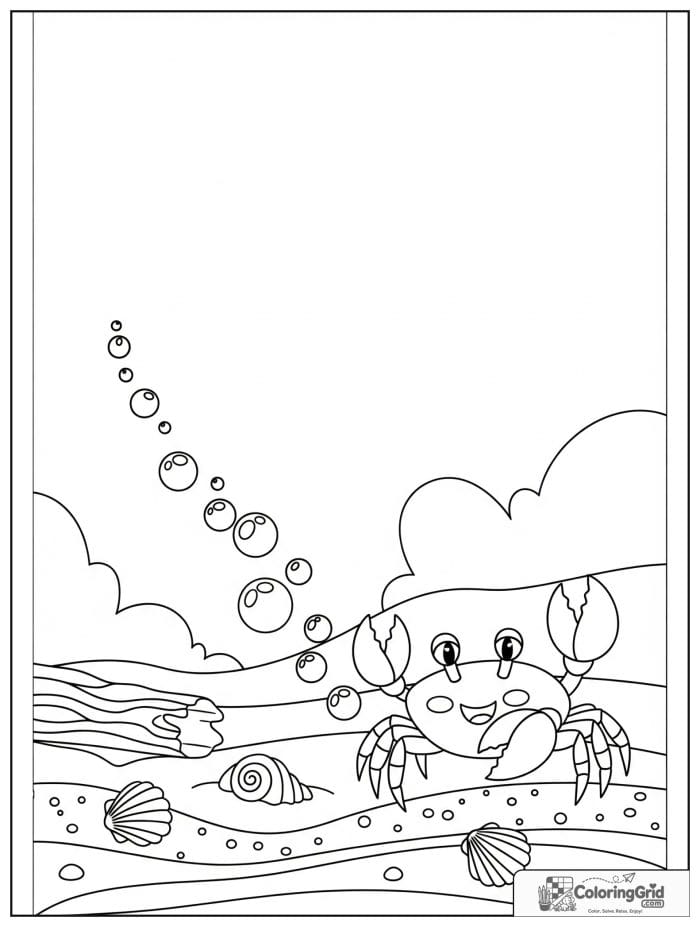
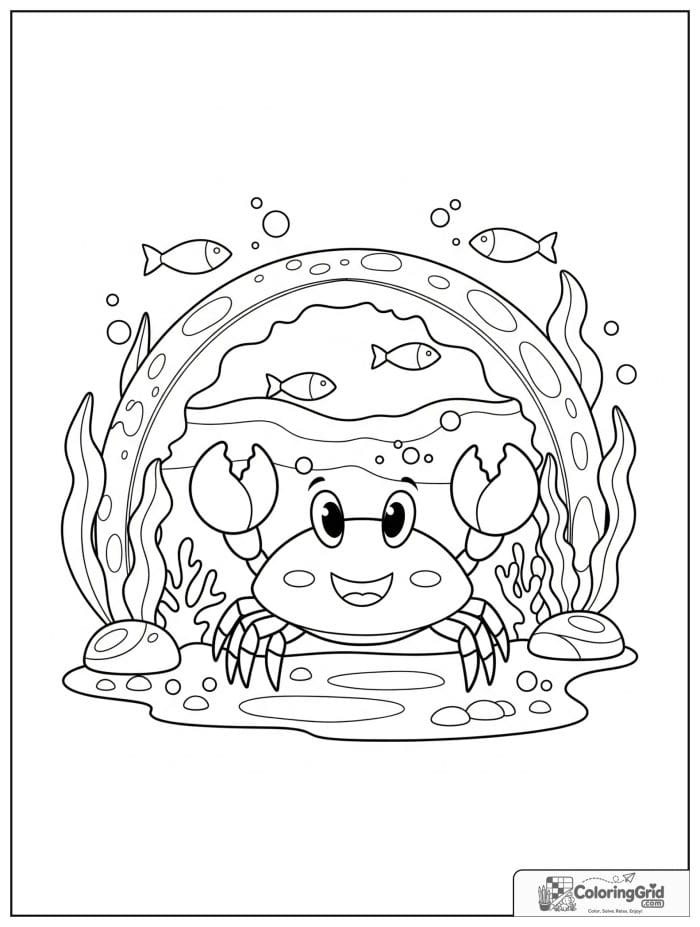
The gallery brings together Crab Coloring Pages with claws, shells, beach sand, and ocean waves. Before printing, compare the thumbnails: open pages are better for quick coloring, while designs with smaller accents are better for a slower session.
While you're here, explore these fun related coloring pages too!

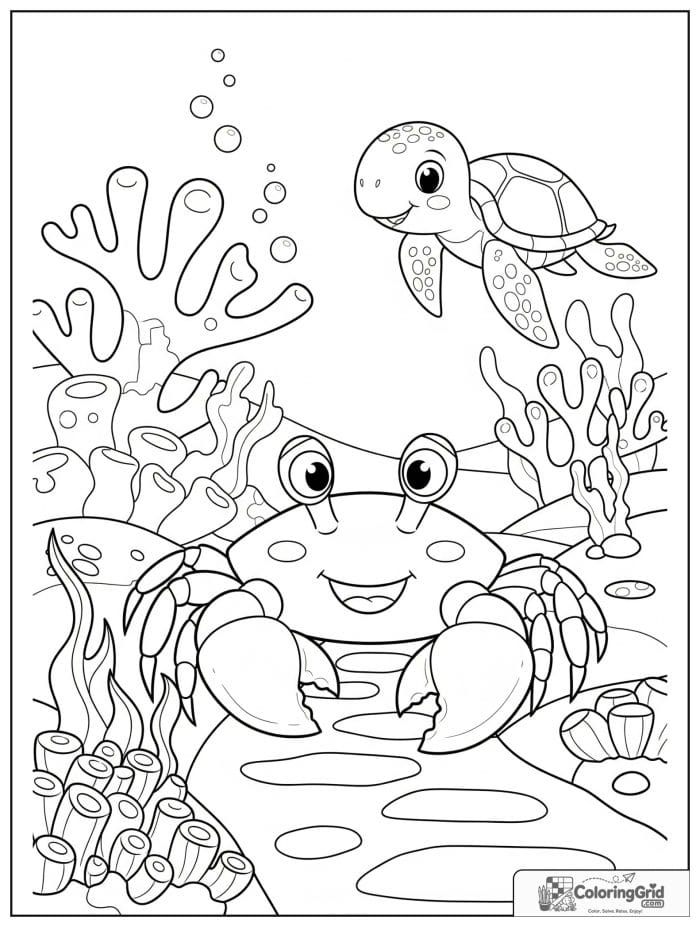
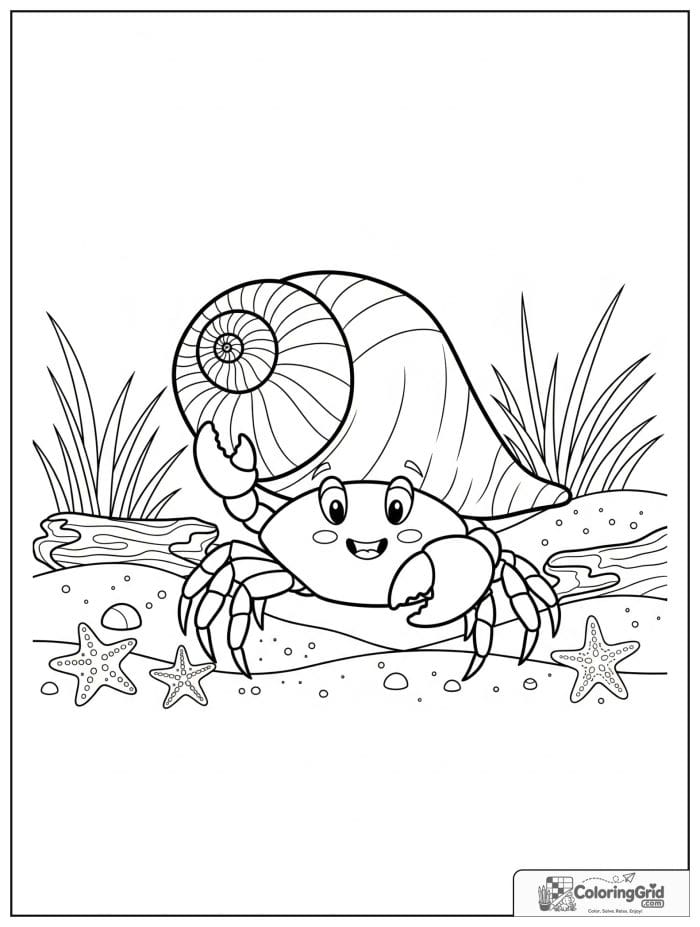
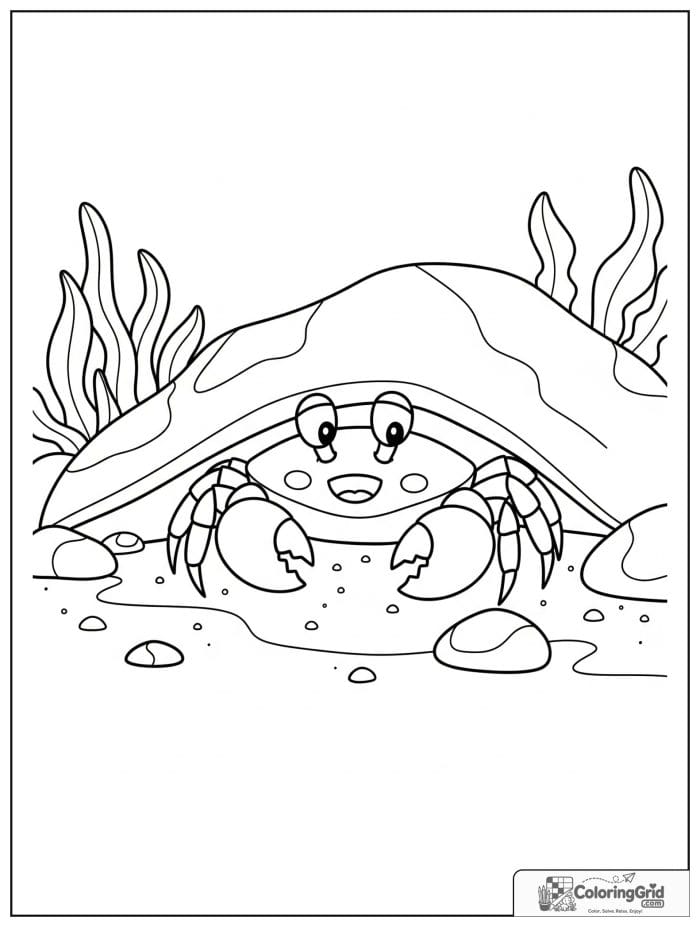

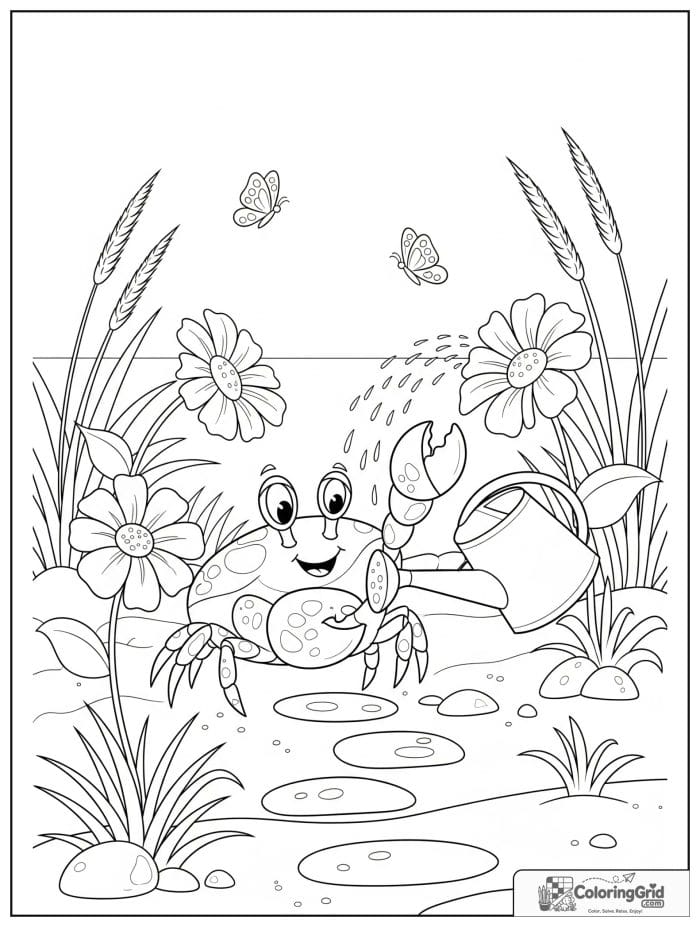


How to Read Crab Pages Before Coloring
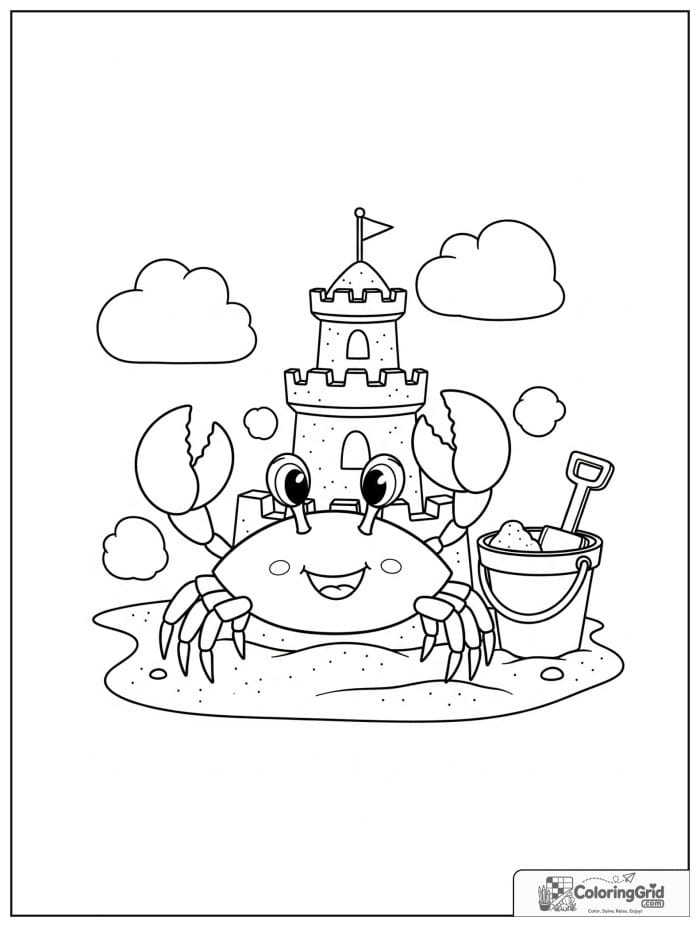
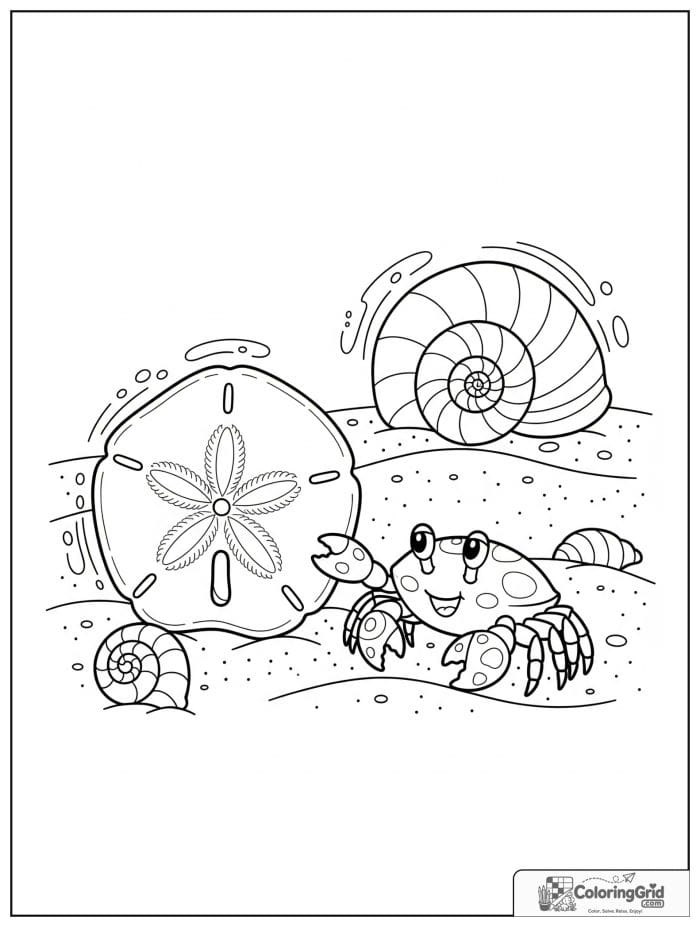
Start by pointing out claws. It gives the page a natural first area to color and helps the main crab subject stay clear. Once that part is easy to see, the smaller spaces around shells and beach sand feel less confusing.
If the design includes ocean waves, treat it as an optional detail instead of a rule. Some children may color it carefully, while others may leave it simple so the main crab shape stays clean.
Beginner-Friendly Crab Printables
For beginners, choose a crab sheet with a large center shape and wide spaces. Designs with fewer details around shells are easier to finish with crayons and help children see progress quickly.
When ages vary, print two levels of crab pages. One should feel quick and open; the other can include smaller areas for patient colorers.
Detailed Crab Pages for Longer Sessions
Match the coloring tool to the line size. Crayons work well on open crab spaces, markers suit bold borders, and colored pencils help with smaller areas around shells or beach sand.
A simple color plan can keep the page balanced: choose one main shade for claws, one supporting color for shells, and one accent for ocean waves.
Using Crab Pages at Home or in Class
At home, this crab page can become a quiet table activity after homework, before dinner, or during a screen-free break. Pick a simple sheet for a short window and save the detailed designs for a calmer time.
In class, use the printable as a warm-up, center activity, or early-finisher page. One small prompt about claws or shells gives the activity purpose without making it feel like a worksheet.
Printing and Organizing Crab Coloring Pages
Print one test page before making a full packet. If the smallest spaces near the beach sand look too tight for your tools, choose a simpler page or switch to pencils for those areas.
Store finished pages flat in a folder or binder. Bold crab outlines are easier to display, while detailed sheets with many tiny areas stay cleaner when they are kept flat.
One crab printable can work for home, class, or homeschool use. Begin with the clearest part, such as claws, then add shells; Smithsonian National Zoo can give a useful fact without turning coloring into a reading task.
Choose, Sheep Coloring Pages, and Shark Coloring Pages, Summer Camp Coloring Pages, alongside the crab sheet when you want a short set instead of one page. The linked choices give children different details to color while staying friendly for quick printing.
Crab Coloring Pages FAQ
What colors work well for Crab Coloring Pages?
Use realistic colors if the crab page supports a lesson, or let children choose playful colors for a freer art session. The important part is keeping claws and shells clear enough to recognize.
Should I print Crab Coloring Pages as PDF or JPG files?
The PDF is better for printing several crab pages in one session. The JPG is better for one selected design, especially when you want quick access or a smaller custom print.
Which crab pages are best for younger kids?
Start with the simplest crab design in the set, especially when using crayons. Pages with fewer tiny areas around claws help children finish without getting frustrated.
How can teachers use Crab Coloring Pages in a lesson?
Use the printable as a quick visual activity after a related lesson. One short note about claws or shells keeps the crab page useful without overloading it.