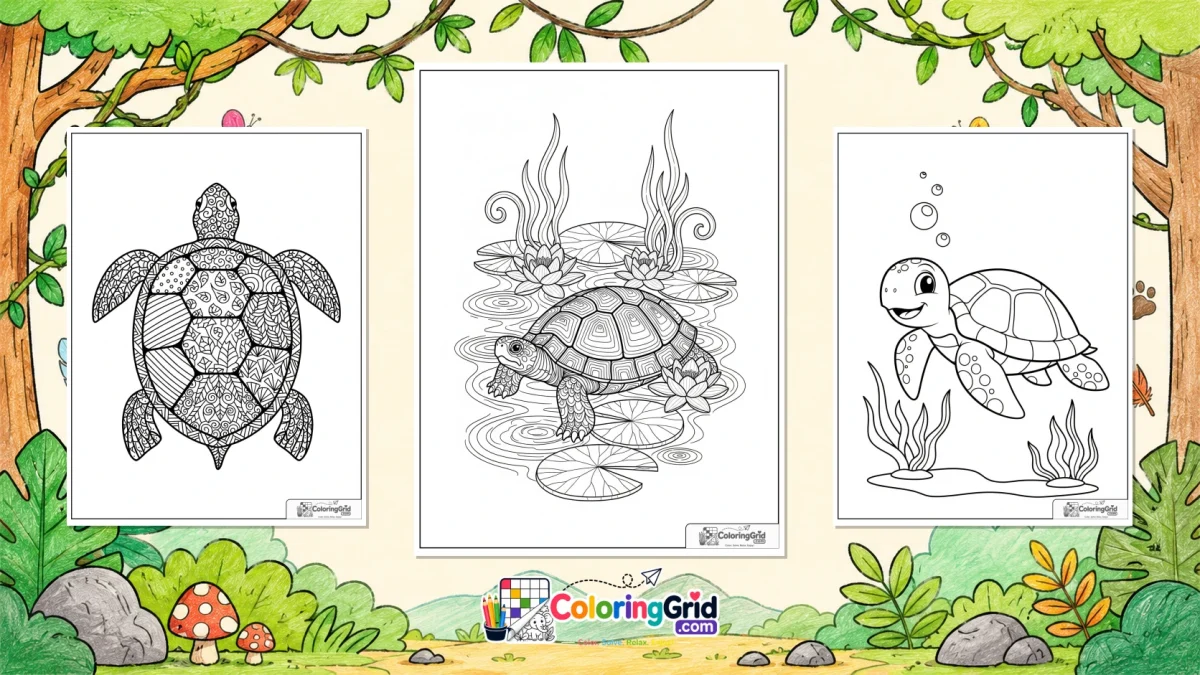
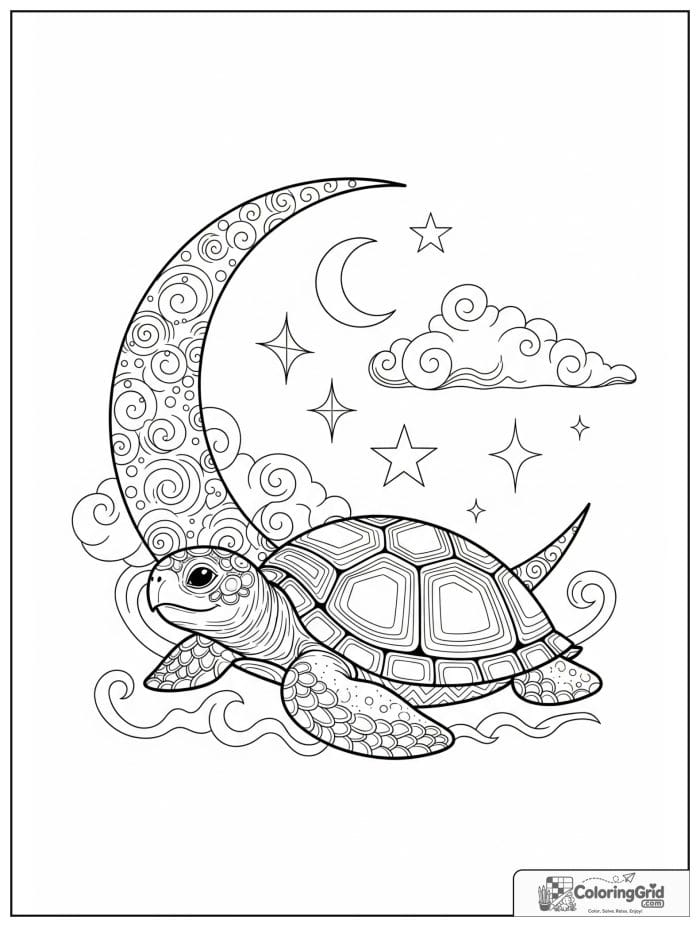
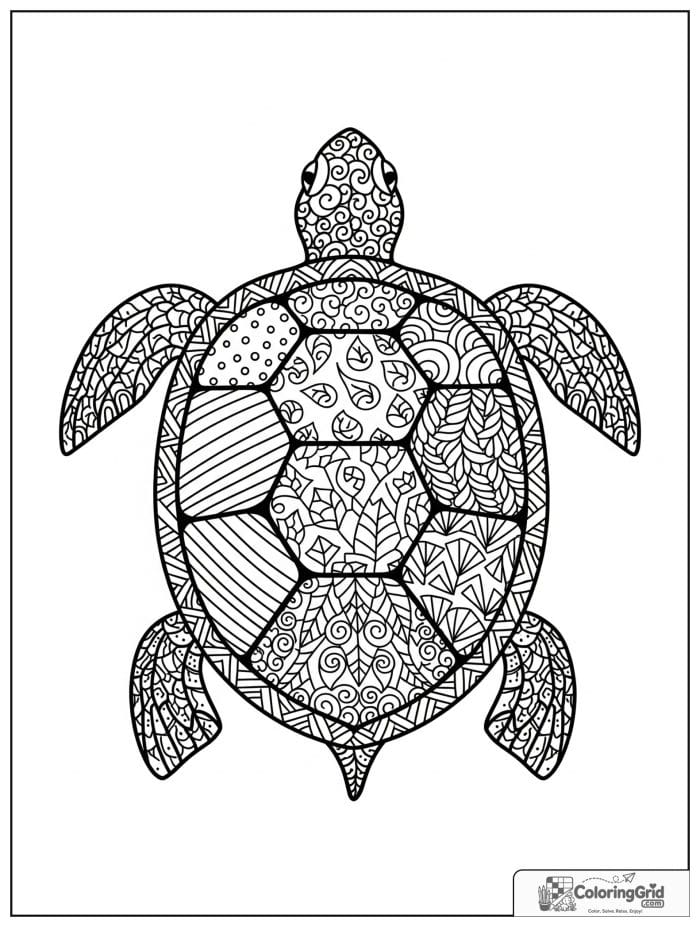
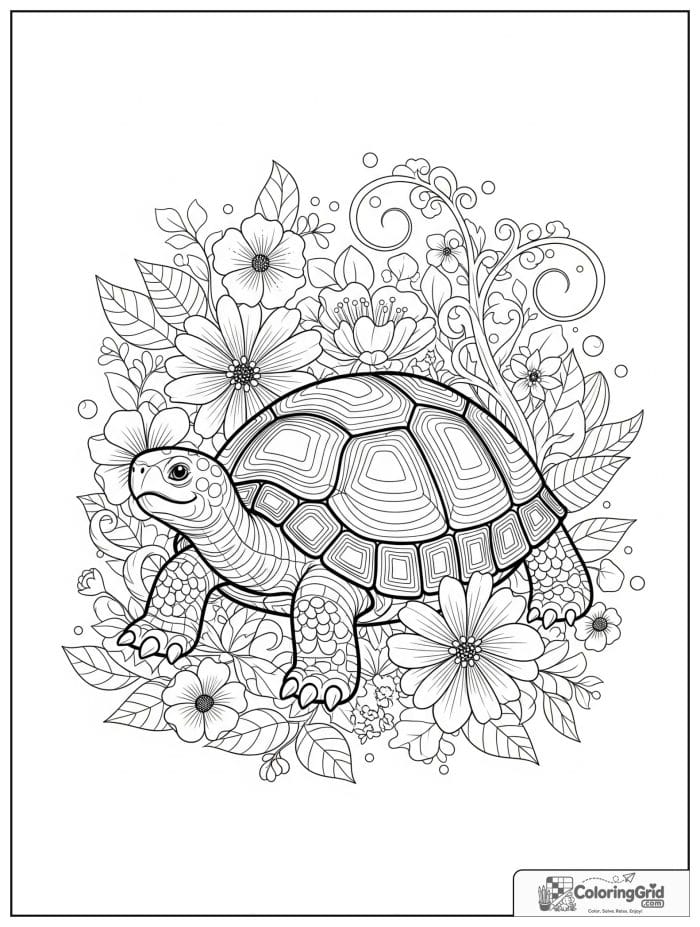
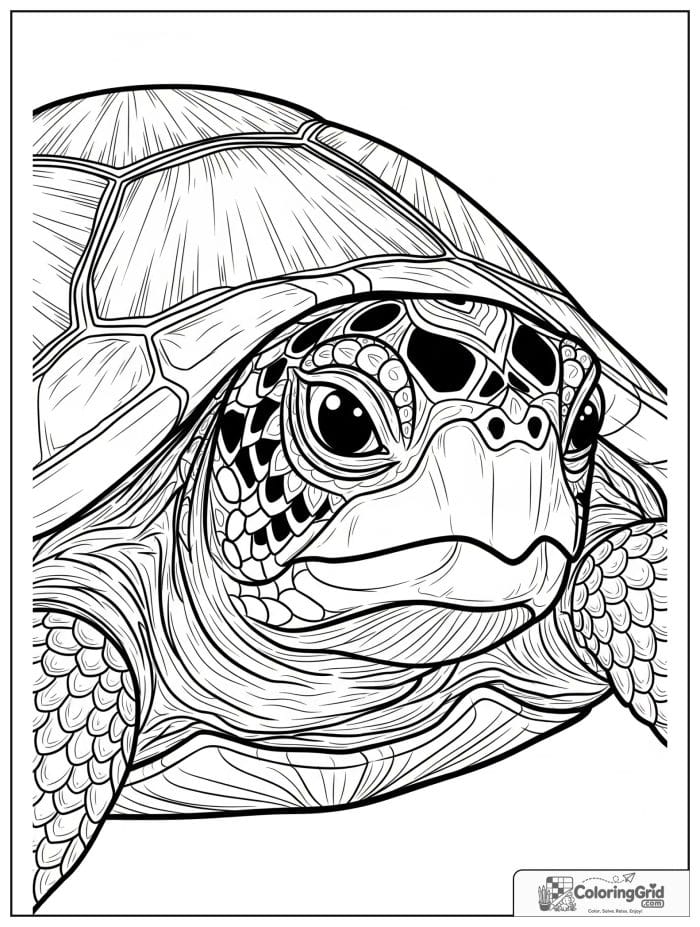
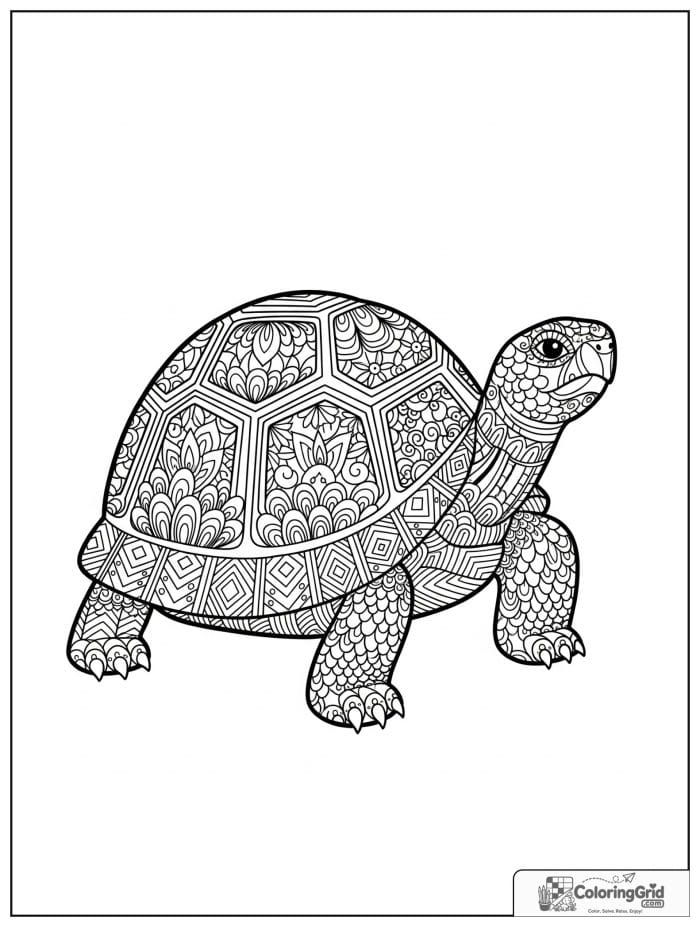
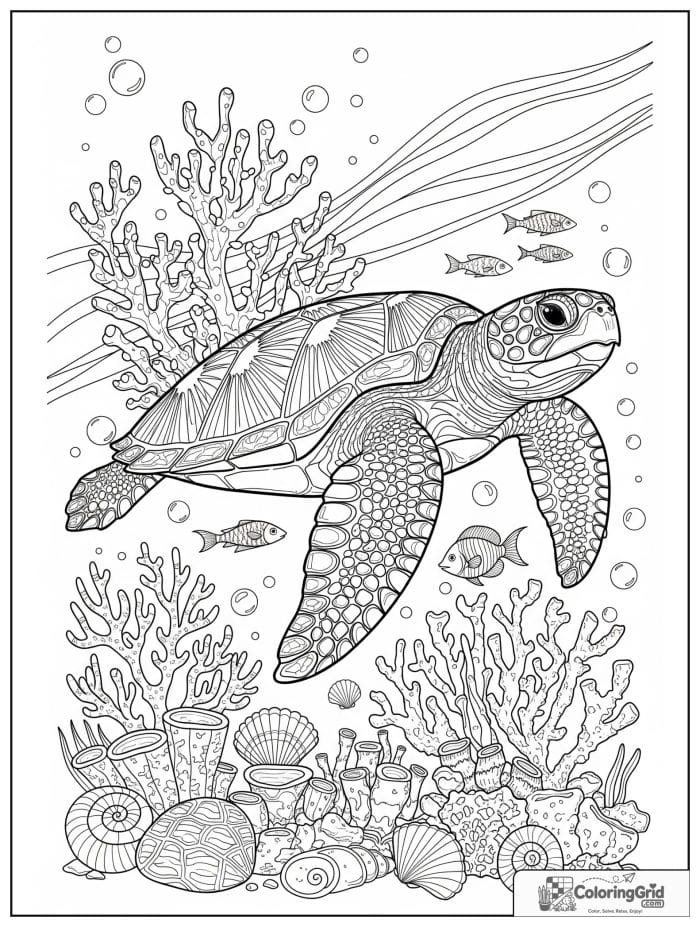
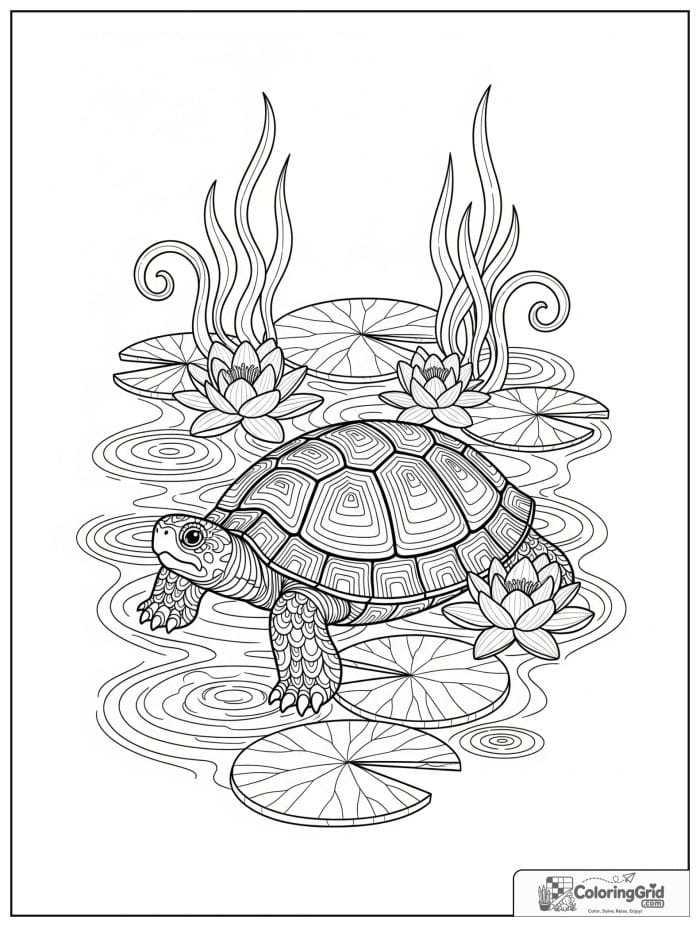
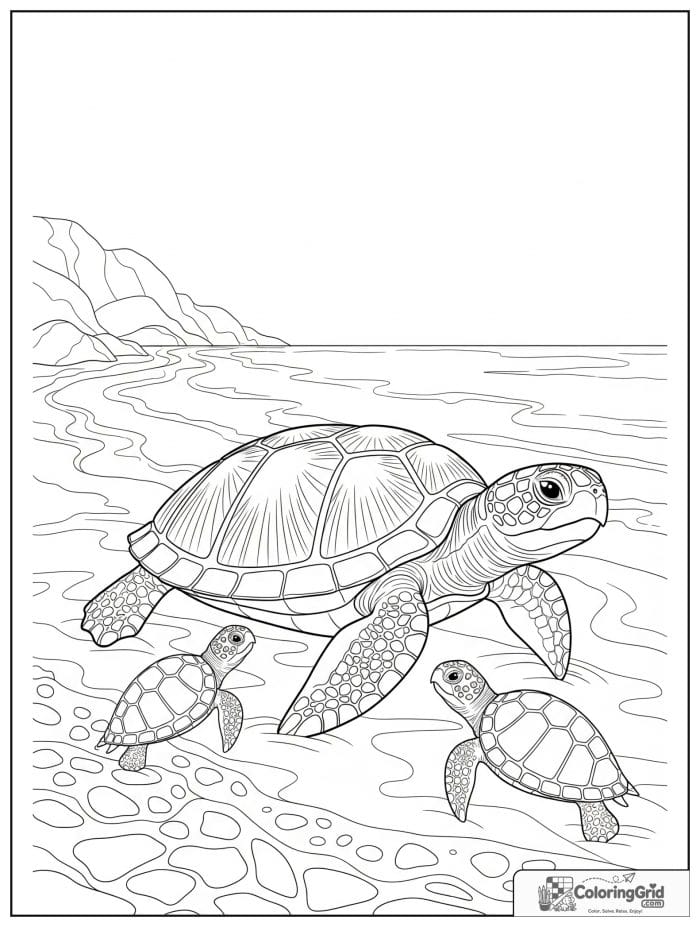
This Turtle Coloring Pages and printable turtle collection keeps the activity simple: open outlines for fast coloring, then extra details for longer sessions. Details such as shell patterns, flippers, and ponds make the topic easy to recognize, while sea turtles can make some pages feel more complete.
Download the PDF when you want a complete turtle set without opening every image separately. Use the JPG for a single page, a quick test print, or a design you want to place inside another printable activity.
What's Inside
Turtle Printable Set
The set includes easy and more detailed turtle designs. Use the thumbnails to match the page to the child, the tools, and the time available instead of printing every sheet at once.
While you're here, explore these fun related coloring pages too!
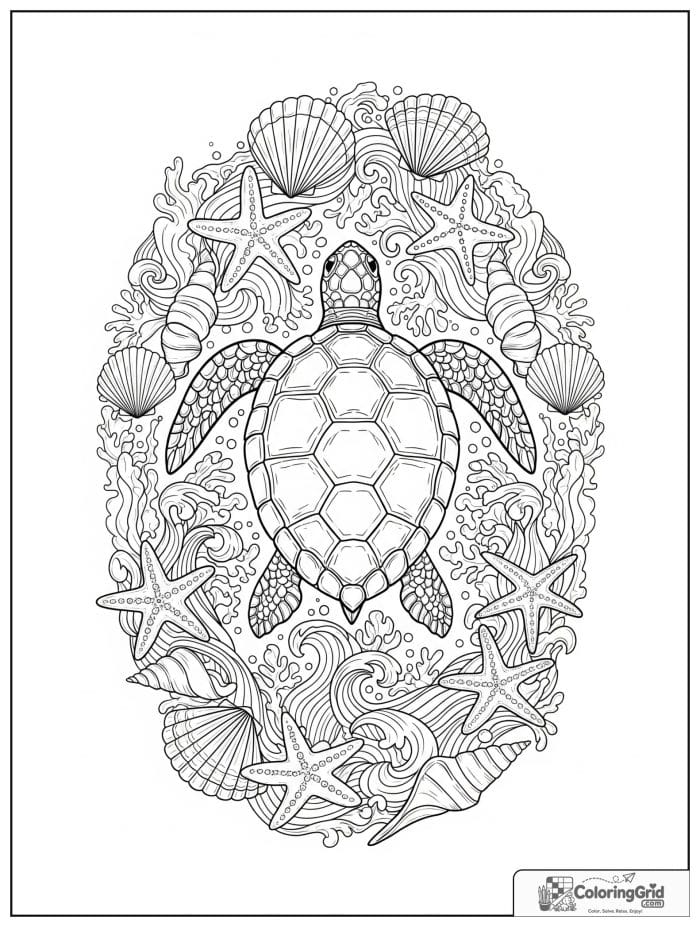
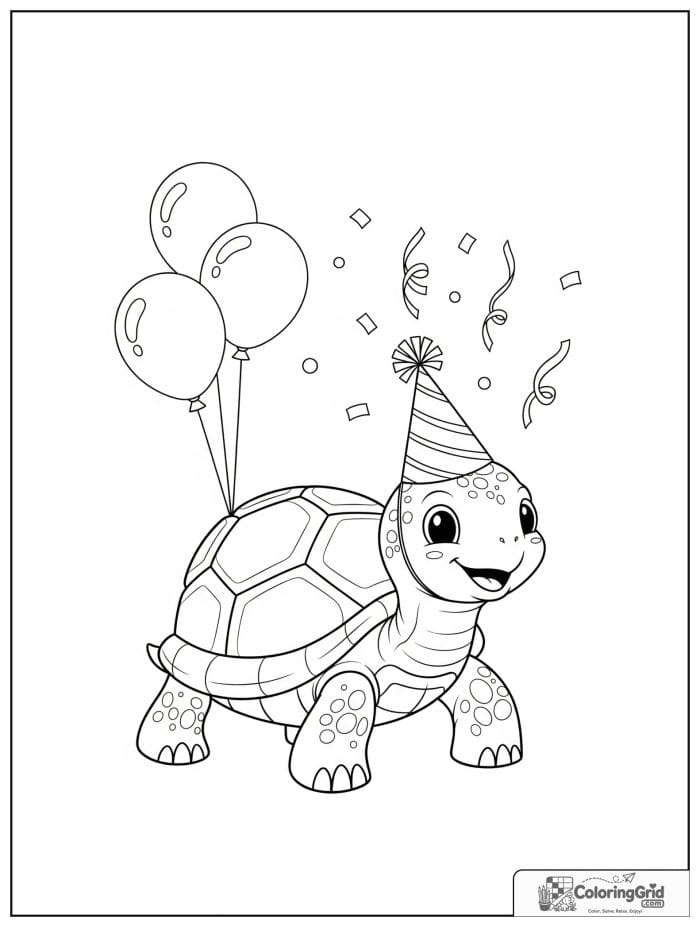
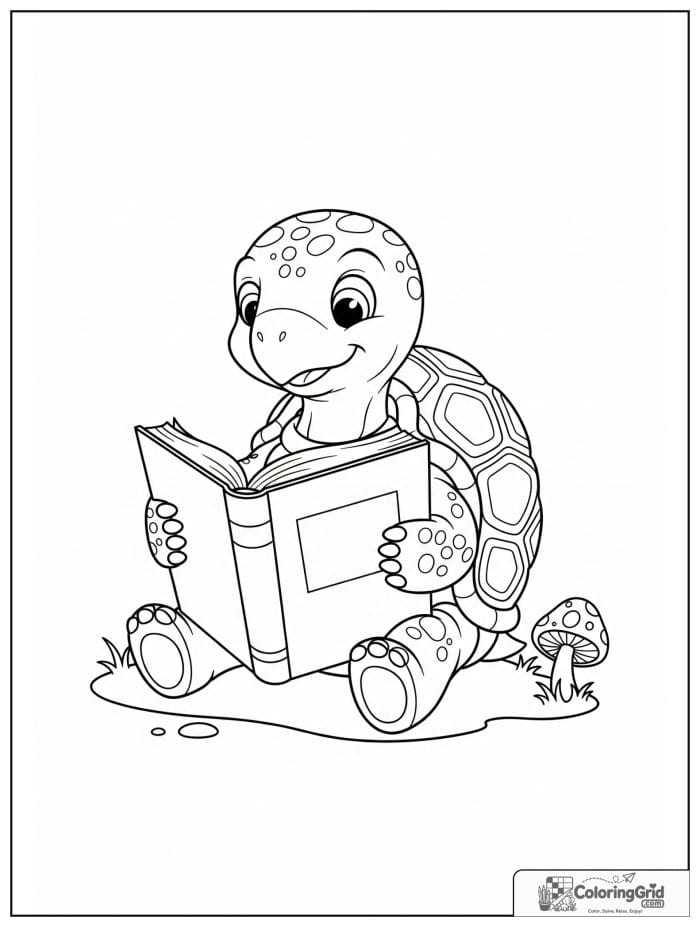
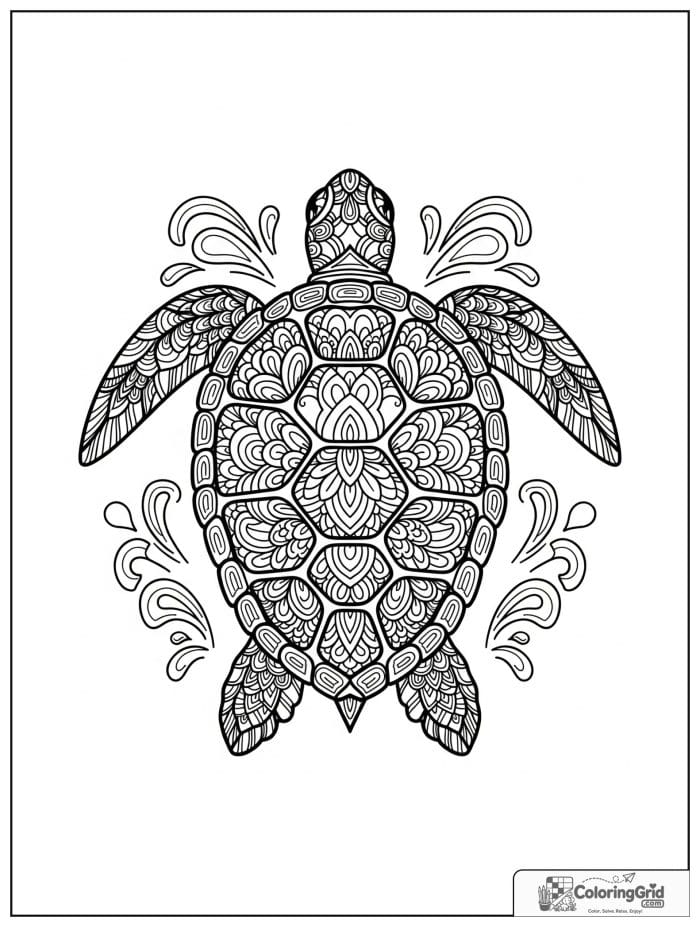
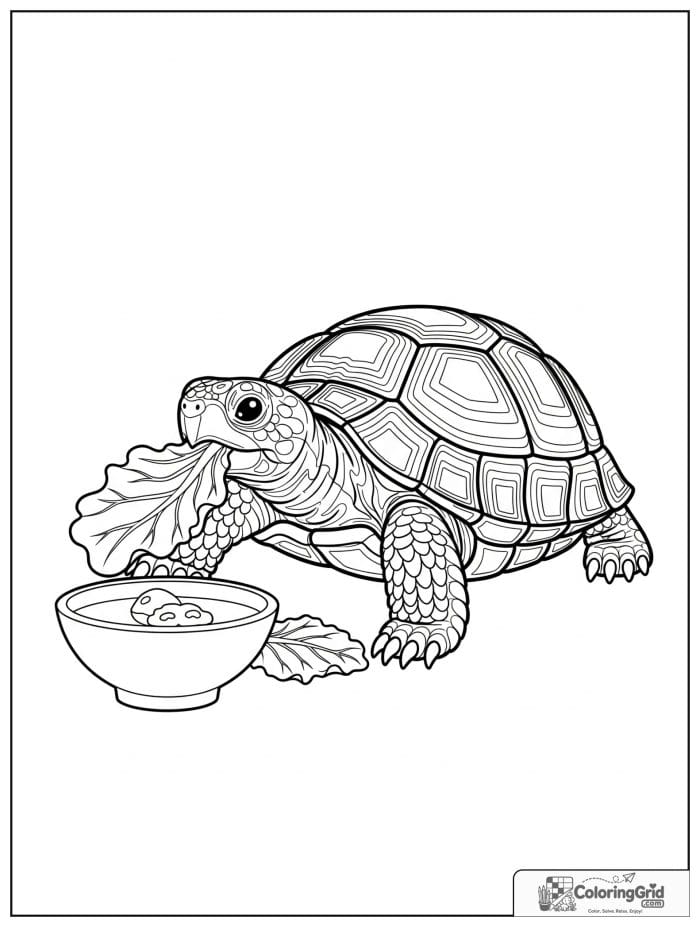
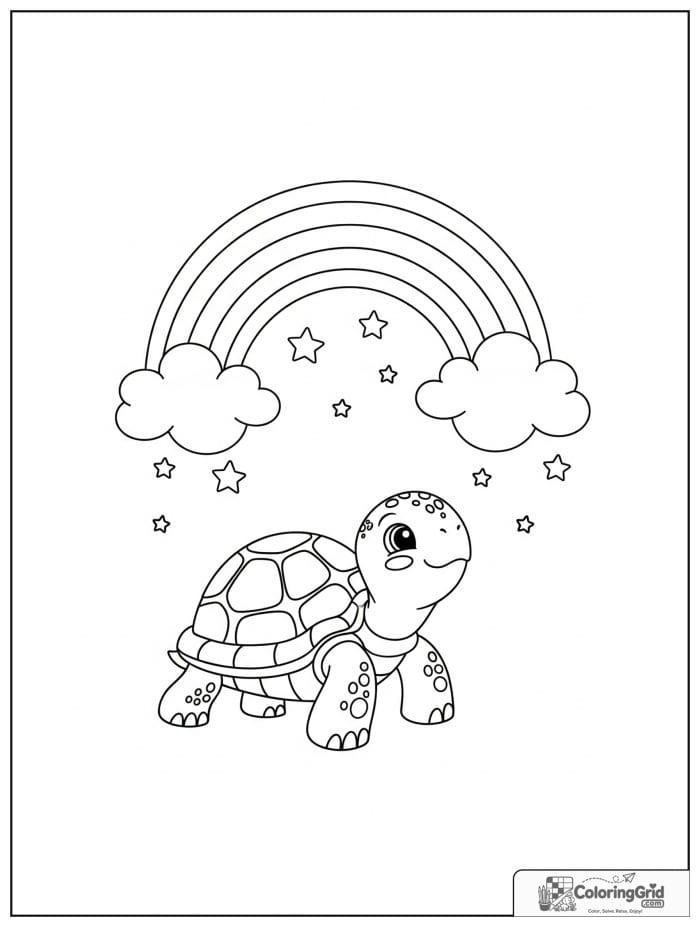
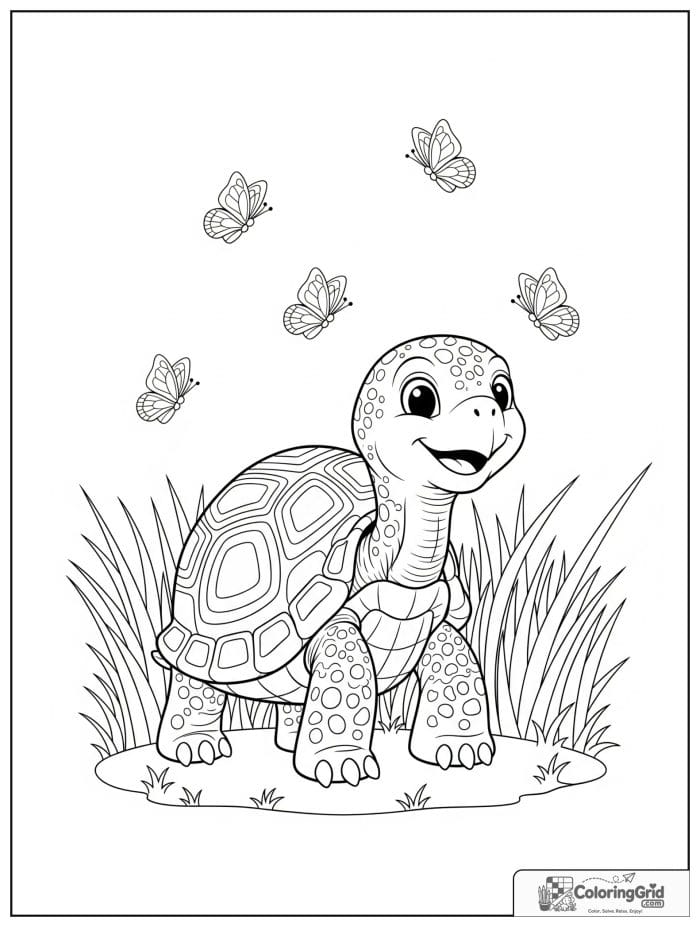
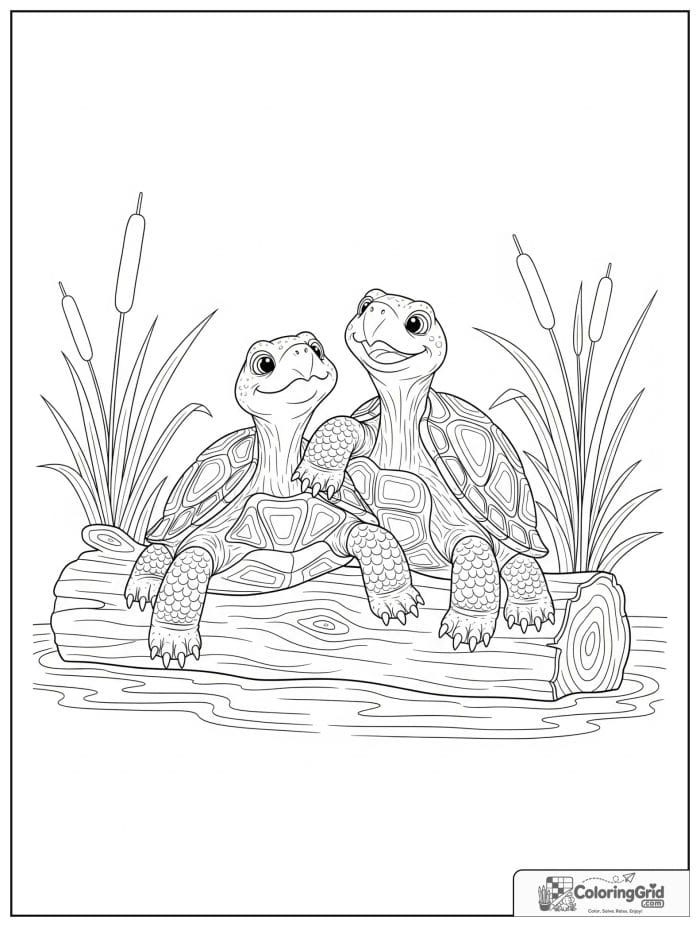
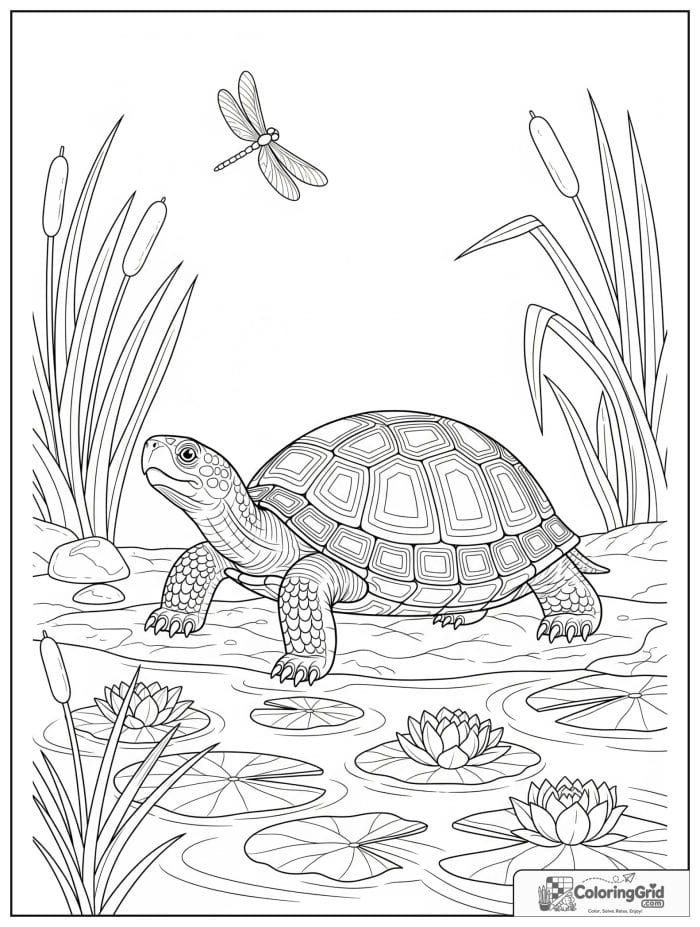
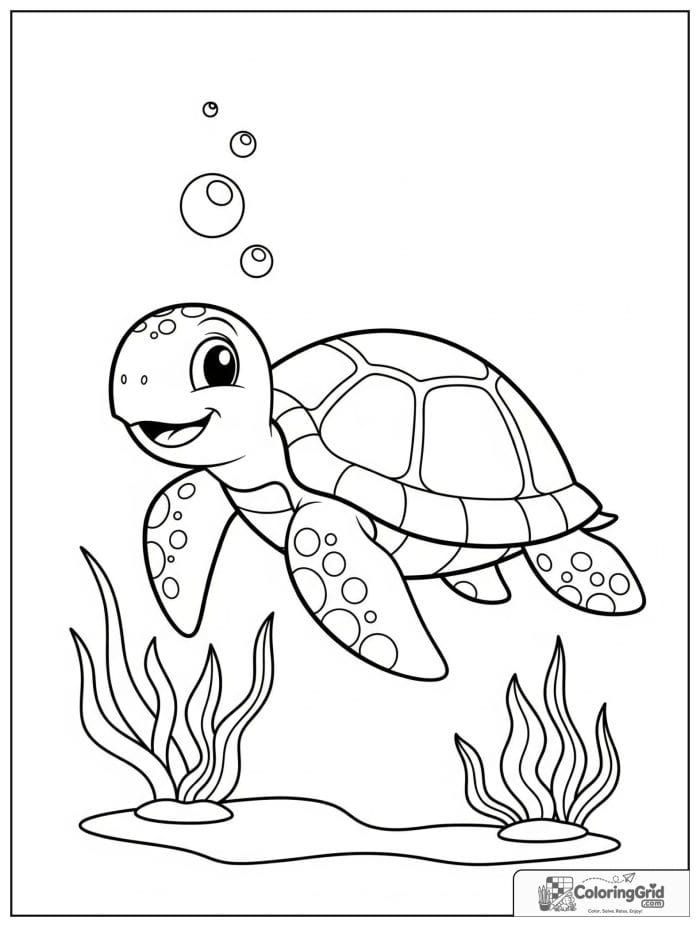
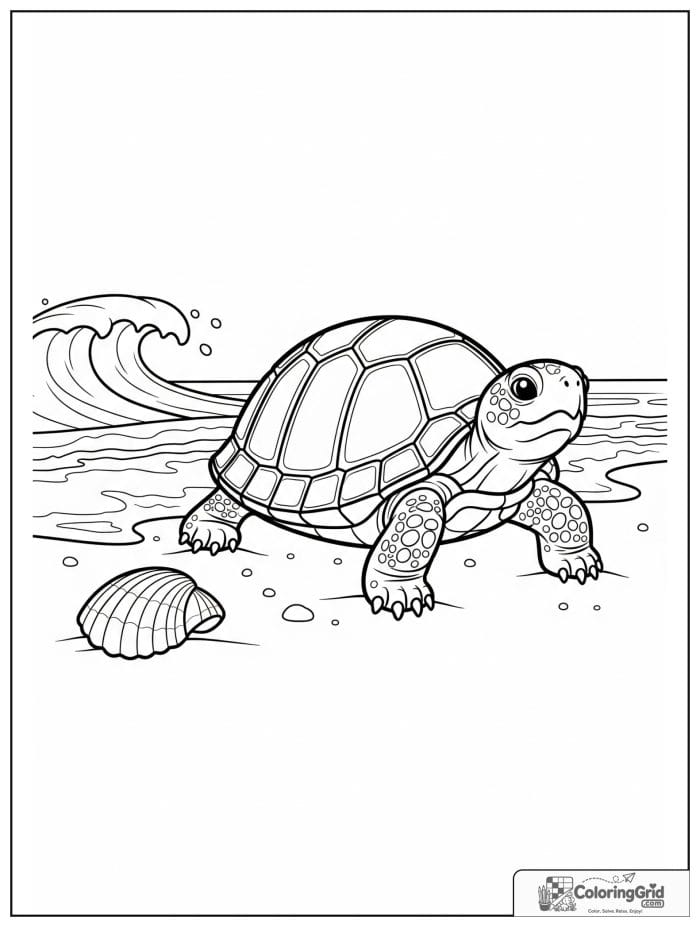
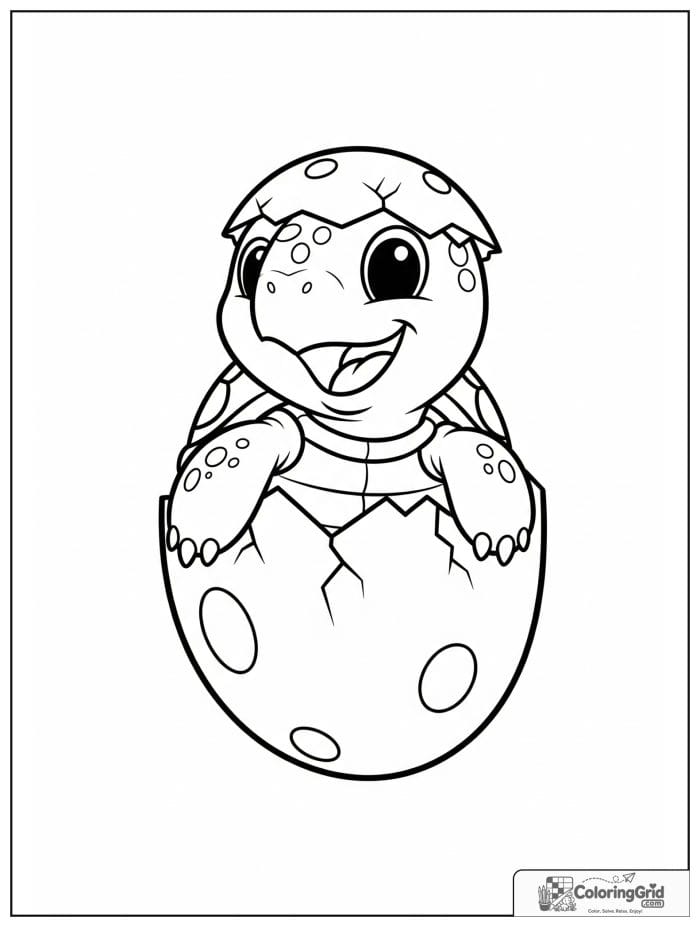
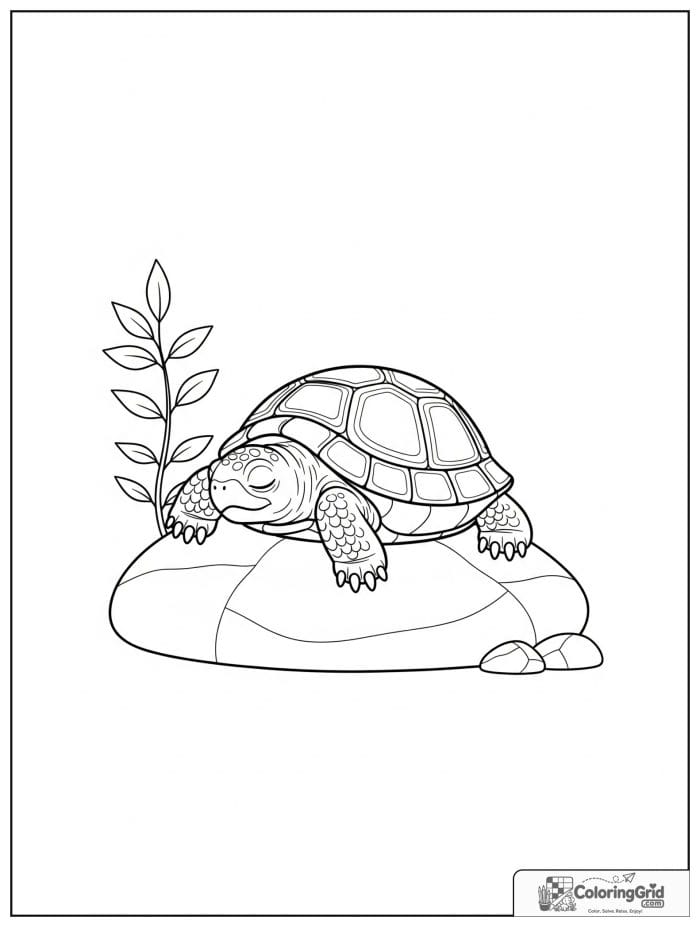
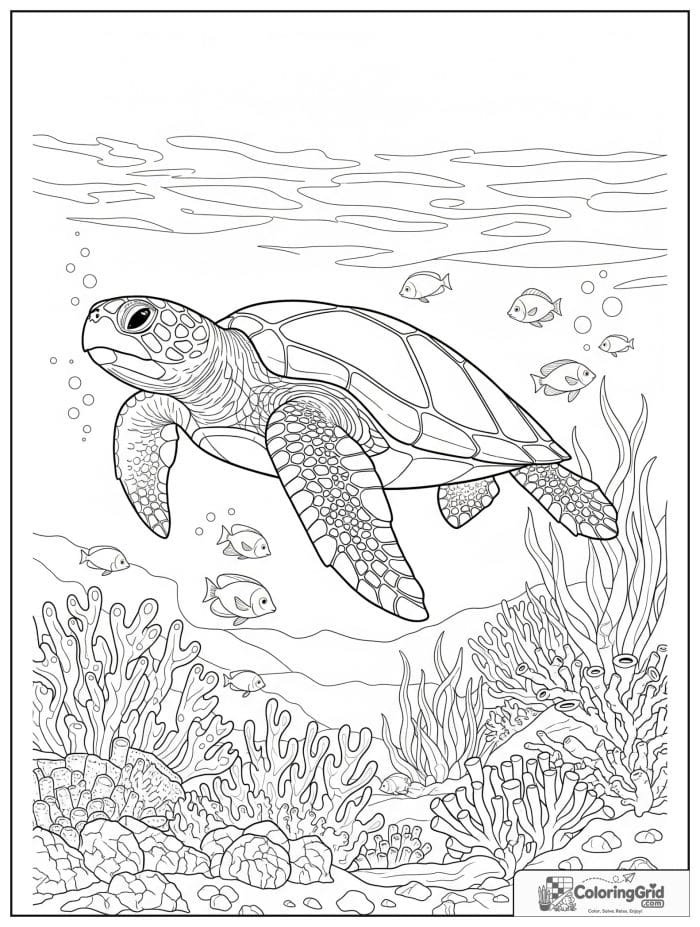
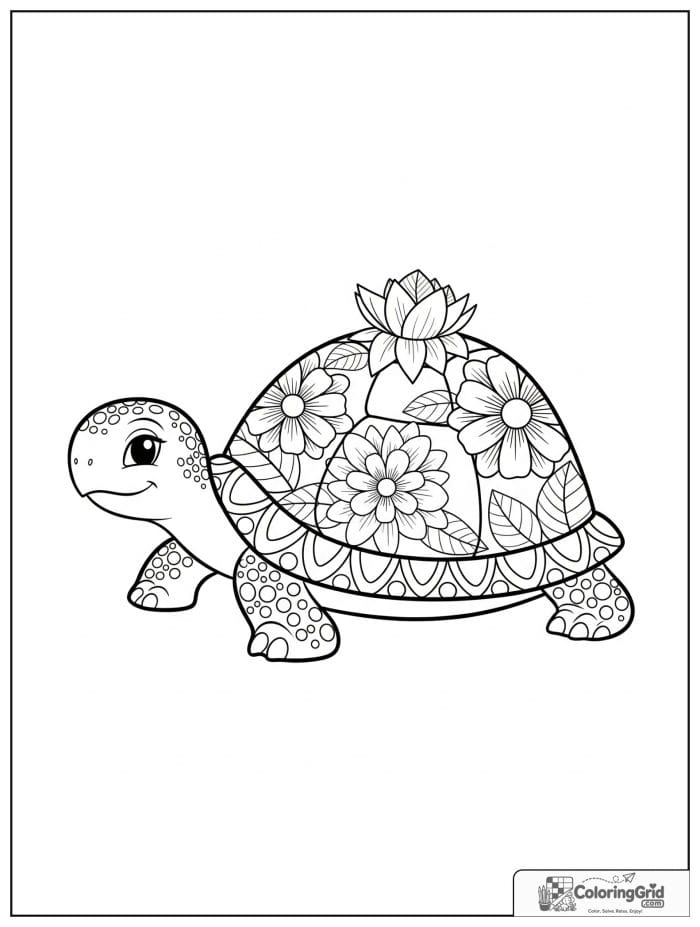
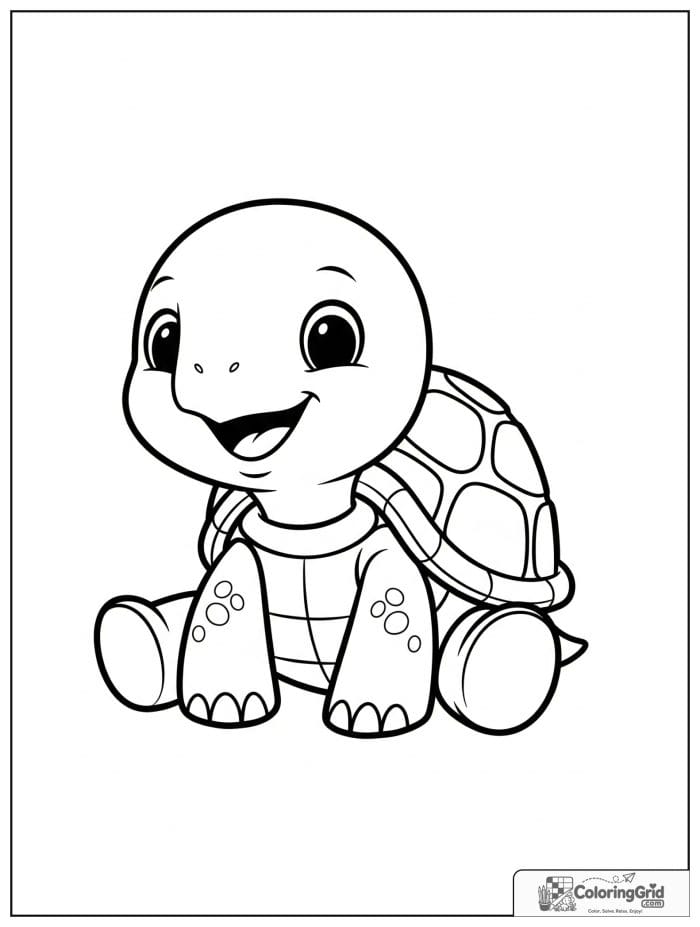
Turtle Details That Make the Page Clear
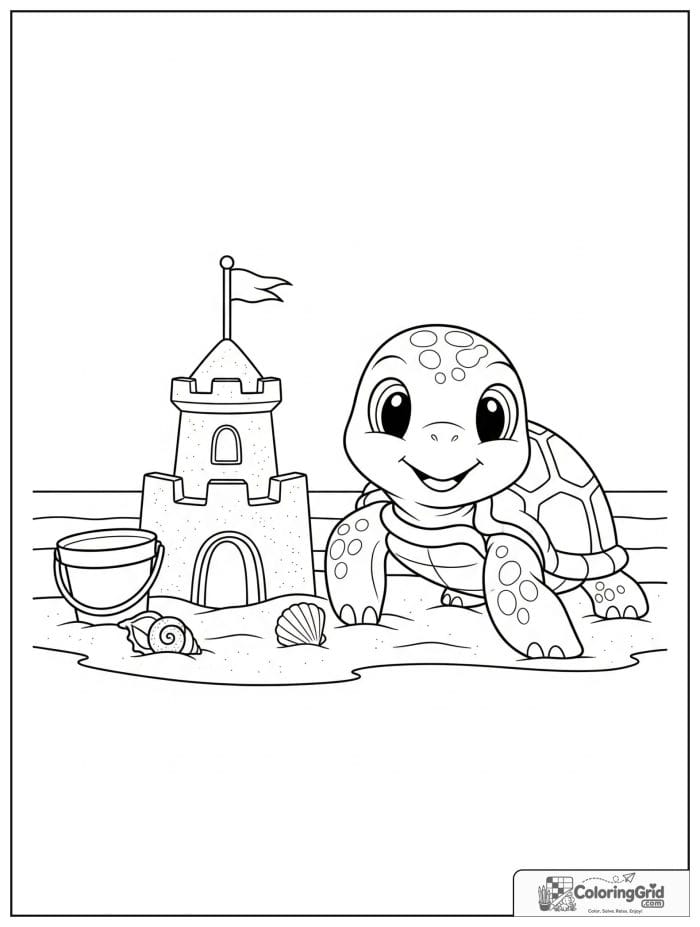
Use shell patterns as the first checkpoint on the page. It gives children a clear starting shape and helps the printable feel less like a random group of lines.
After that, flippers and ponds can be filled slowly. If the child is tired, those areas can stay simple and the page will still look finished.
Best Turtle Pages for Younger Kids
The easiest turtle pages are the ones children can understand in one glance. Large shapes around shell patterns reduce frustration and help the activity start smoothly.
Slower turtle designs still have value, especially when children have time to focus. Use them for quiet work instead of quick transitions.
Coloring Ideas for Slower Turtle Designs
Open pages can handle crayons and broad strokes. Detailed pages need slower tools, especially near flippers, ponds, or any tiny background accents.
A three-color plan works well for many turtle sheets. Pick a main color, a quiet support color, and one small highlight so the page does not become muddy.
Using Turtle Pages at Home or in Class
At home, a printed turtle sheet can be useful for rainy afternoons, travel folders, or screen-free time. The page is ready as soon as crayons or pencils are on the table.
In school, it can work as a soft transition after a lesson. Add one focus point, such as shell patterns, and avoid over-explaining the page.
Printing and Organizing Turtle Coloring Pages
Use a single test page to decide whether the line weight fits your tools. Crayons need wider spaces, while pencils can handle more detail near flippers or ponds.
Keep the finished turtle sheets together. A folder, binder, or small classroom tray prevents the best pages from getting lost.
For a quick, quiet table task, print one turtle sheet and keep the directions light. Start with shell patterns, then use flippers or ponds for slower coloring; Britannica Kids Animals and Smithsonian National Zoo can add one short idea before crayons come out.
For a smooth follow-up after the turtle printable, offer Unicorn Coloring Pages, Tiger Coloring Pages, and Christmas Coloring Pages as related choices. The shift gives children a new subject to notice while the coloring stays practical for home, class, or a short break.
Turtle Coloring Pages FAQ
What colors work well for Turtle Coloring Pages?
For a clean finish, color the broad turtle areas first, then slow down around shell patterns. Leave flippers or turtle outline for small accents instead of making every part equally bright.
Should I print Turtle Coloring Pages as PDF or JPG files?
Print the PDF when you want the whole turtle activity ready at once. Save a JPG when you prefer to choose one page and control how large it appears on paper.
Which turtle pages are best for younger kids?
Choose the page that looks clear before it is colored. If the turtle subject is easy to see and the details are not crowded, it will work better for beginners.
How can teachers use Turtle Coloring Pages in a lesson?
Use the turtle printable after a short discussion, during a quiet station, or for early finishers. A small focus on shell patterns is enough to connect the page to the topic.