Robot Coloring Pages are a good fit for kids who like machines, buttons, tools, screens, gears, and pretend inventions. The shapes are easy to recognize, and children can color the robot body, arms, wheels, toolbox, wires, and background without needing a complicated scene.
These Robot Coloring Pages work for quiet time, STEM week, early finisher bins, rainy afternoons, classroom centers, and simple at-home coloring. They are useful when parents or teachers want a page that feels creative, technical, and still easy for children to finish.
What's Inside
- Printable Robot Coloring Pages
- Jump to Free PDF & JPG Downloads
- Why Robot Pages Work for Different Ages
- Color Ideas for Metal, Lights, and Tools
- A Toolbox Detail Activity
- Home Uses for Creative Kids
- Classroom Ideas for STEM Time
- Shape and Pattern Practice
- A Simple Writing Prompt
- Real Robot Connection
- Robot Coloring Pages FAQ
Printable Robot Coloring Pages
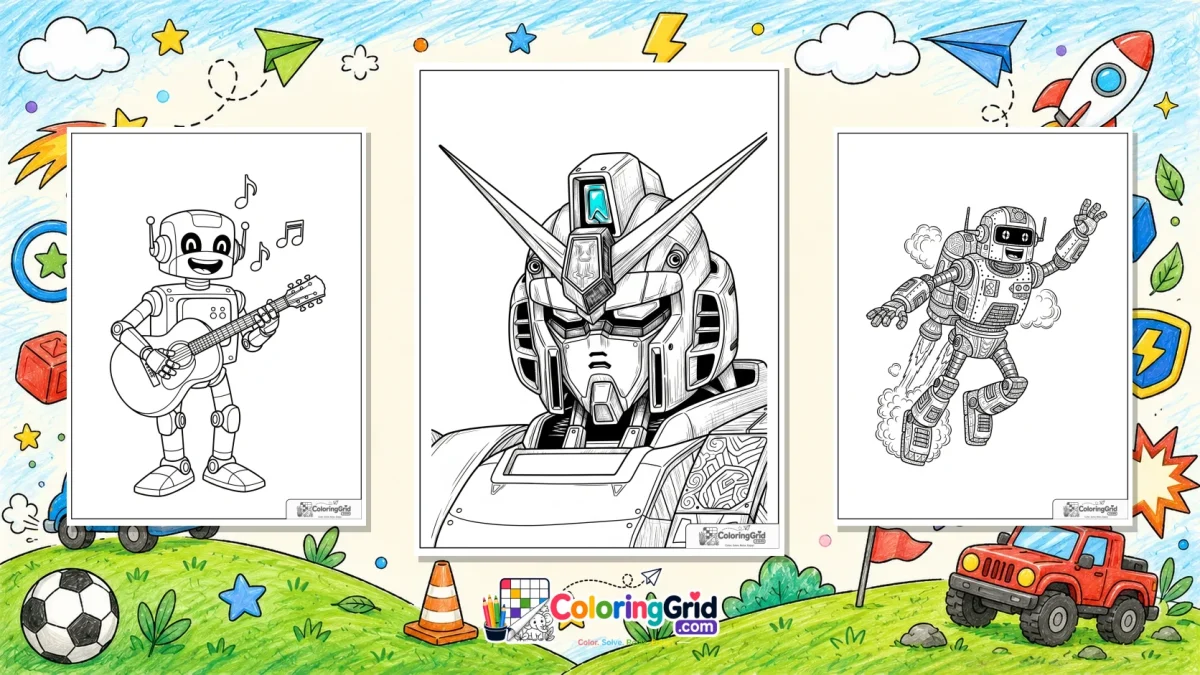
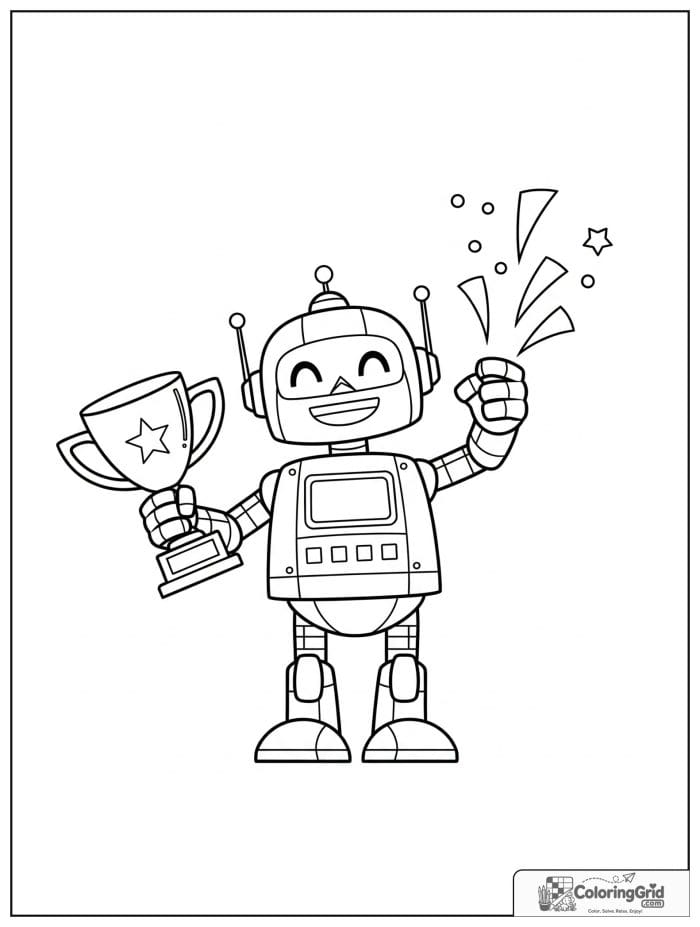
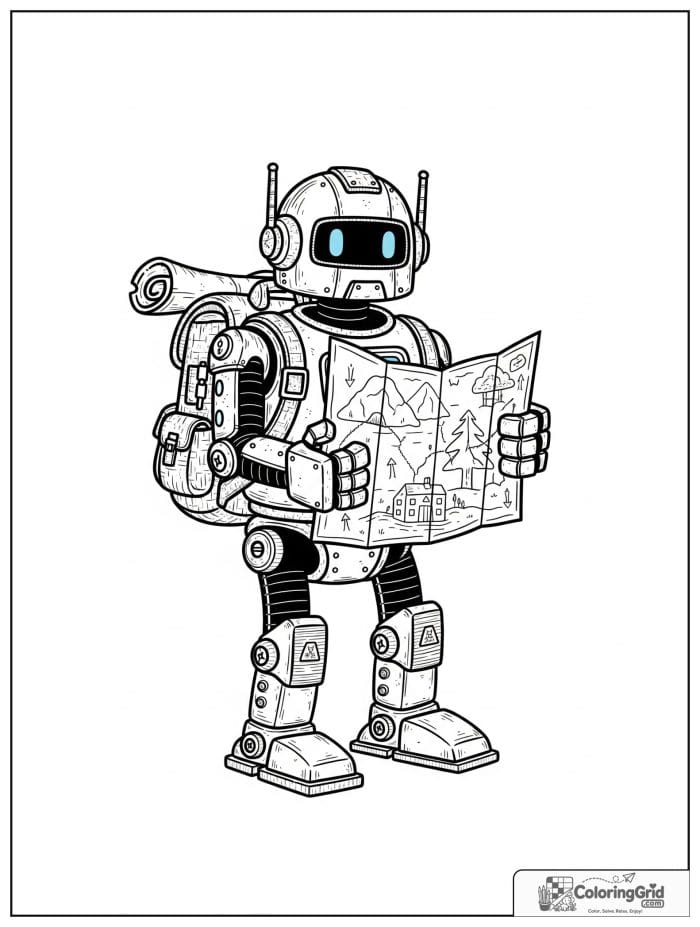
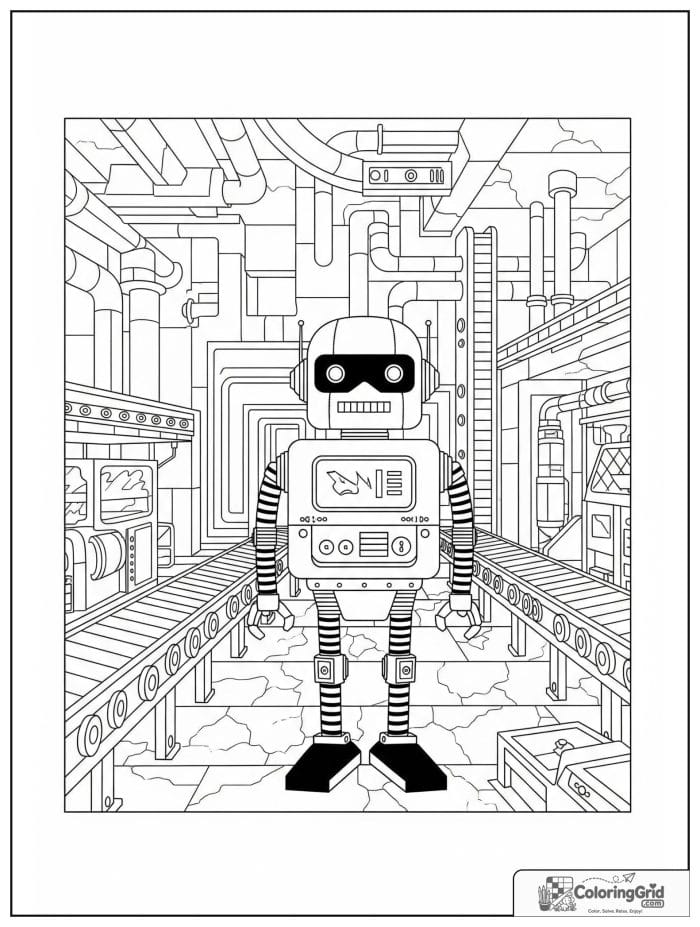
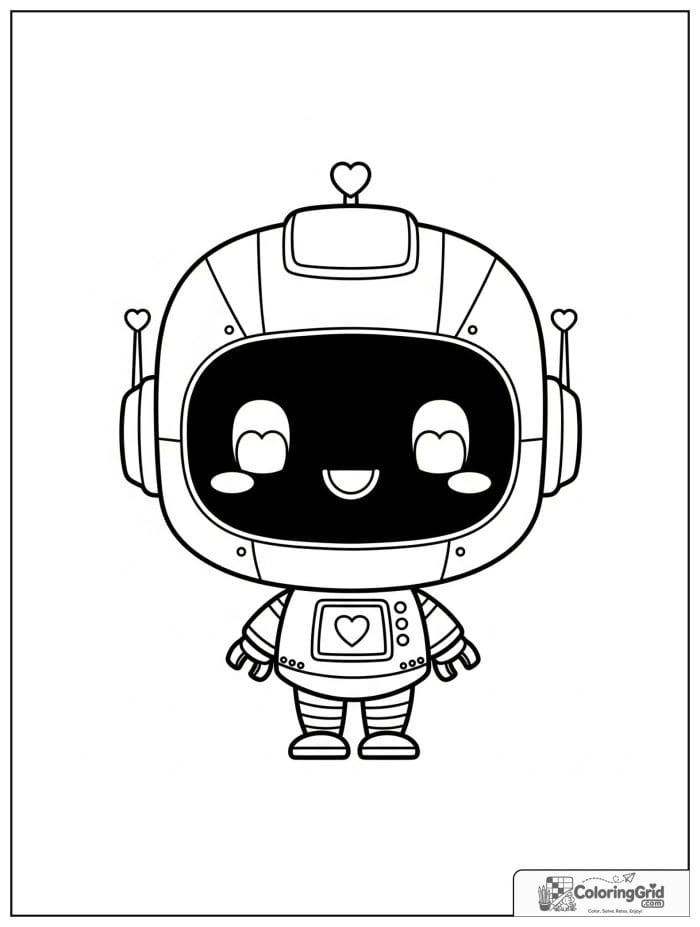
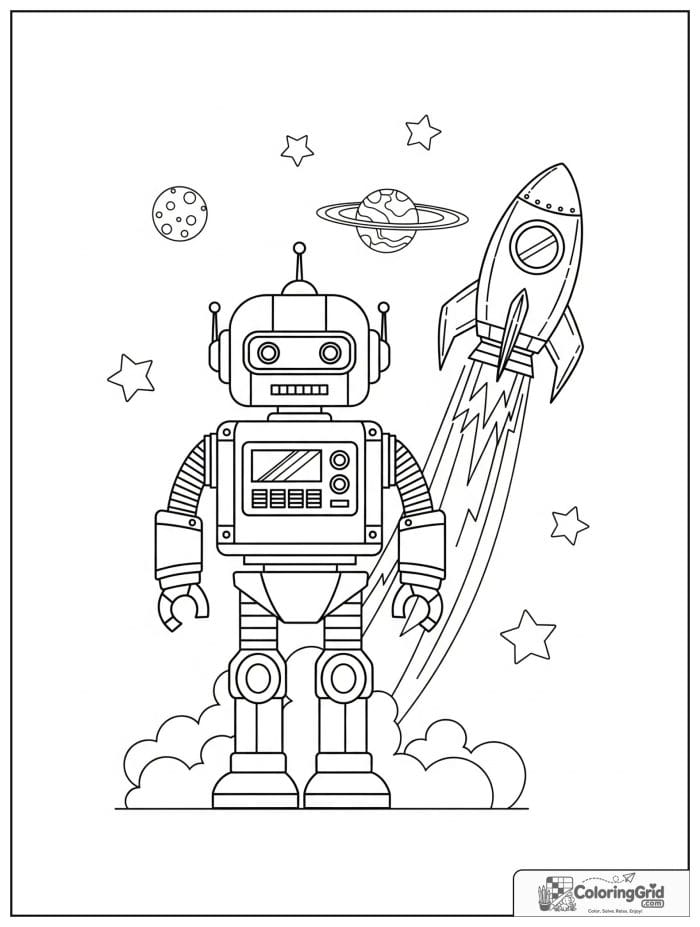
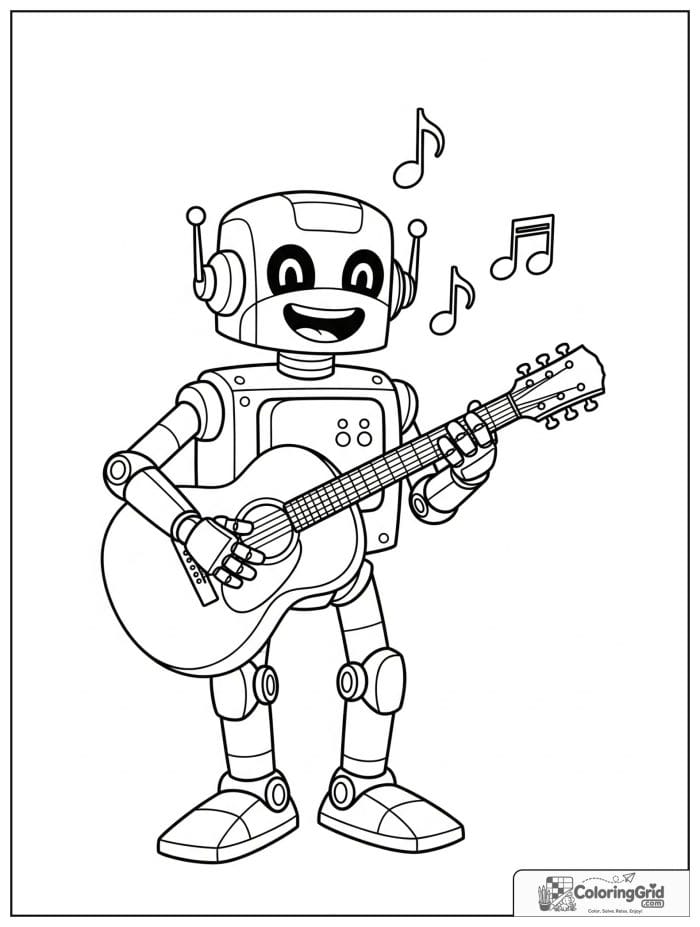
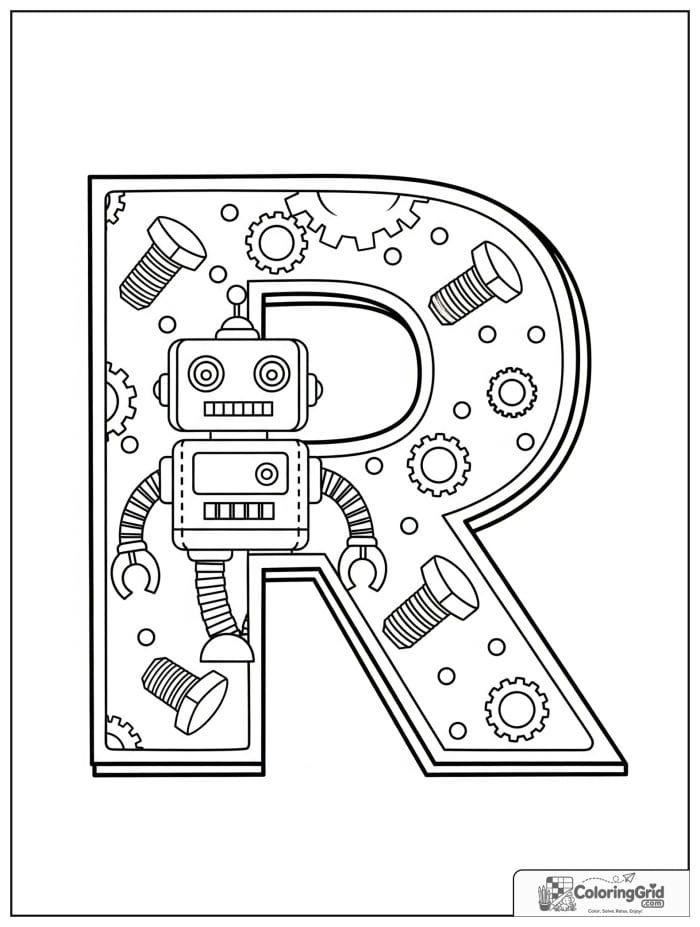
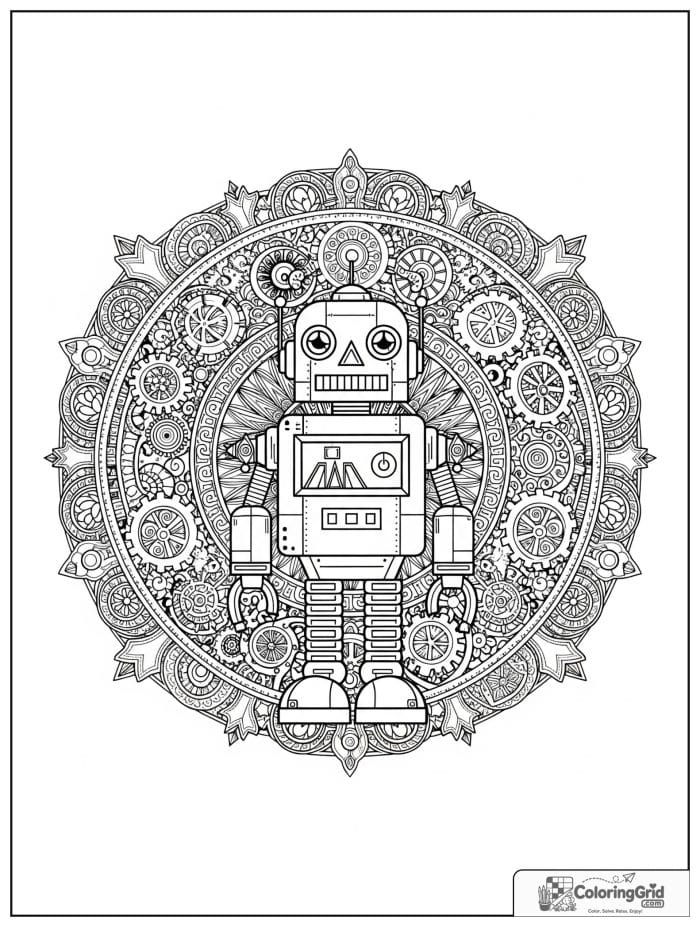
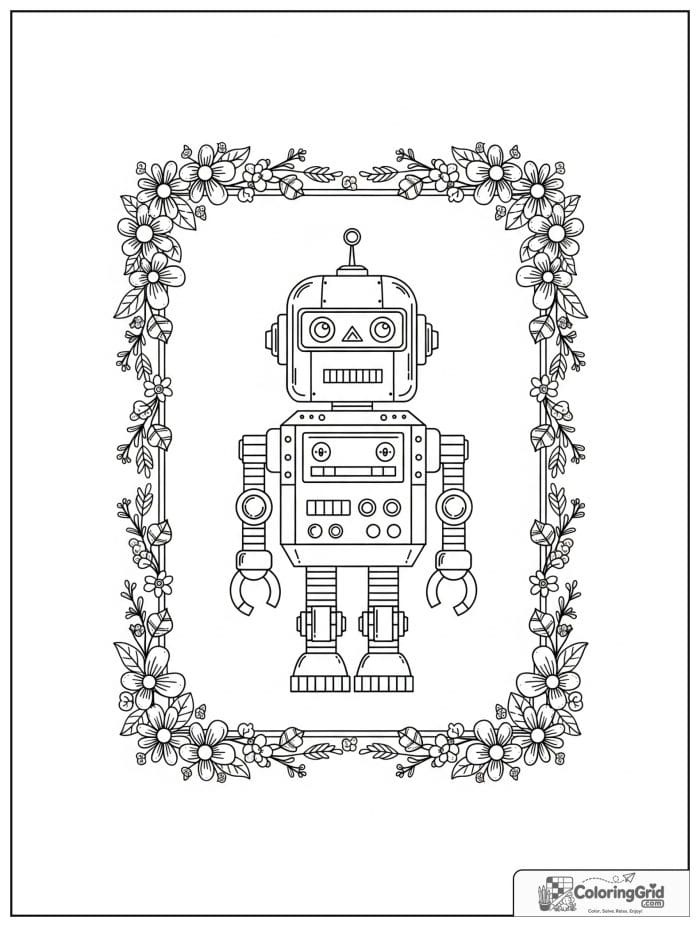
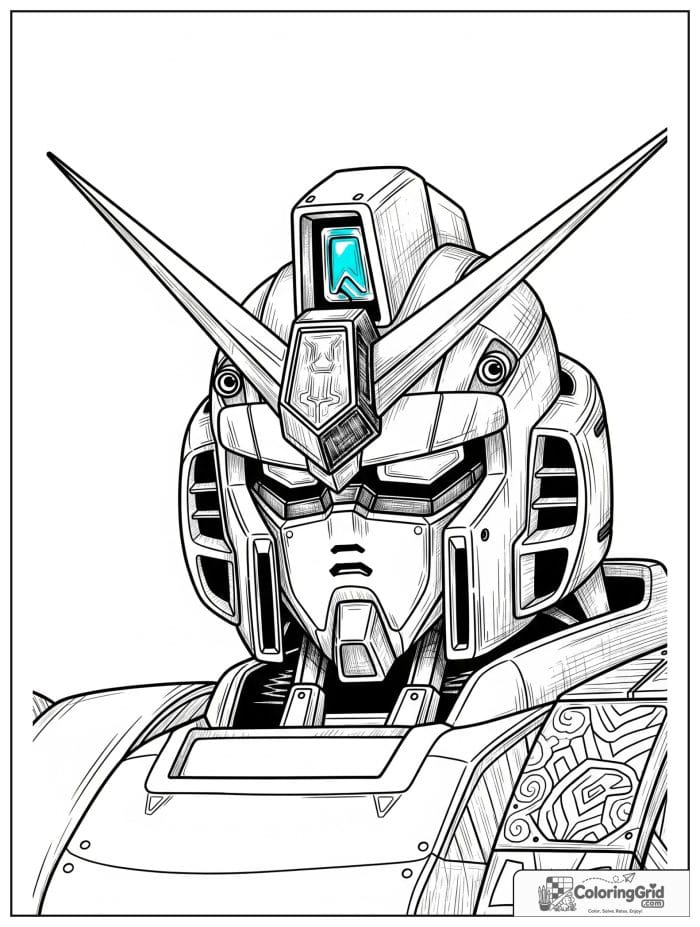
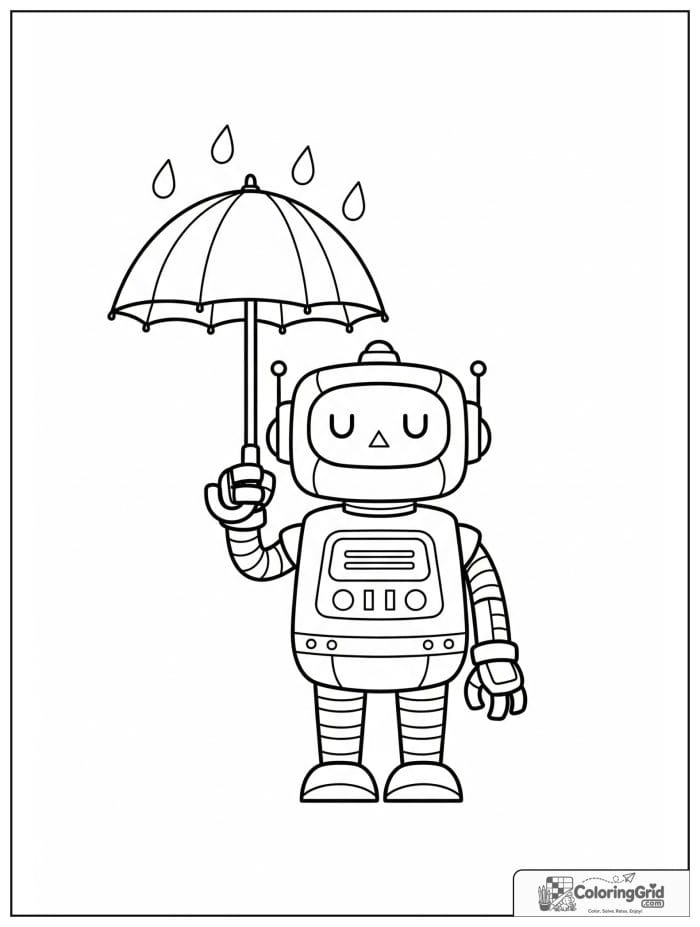
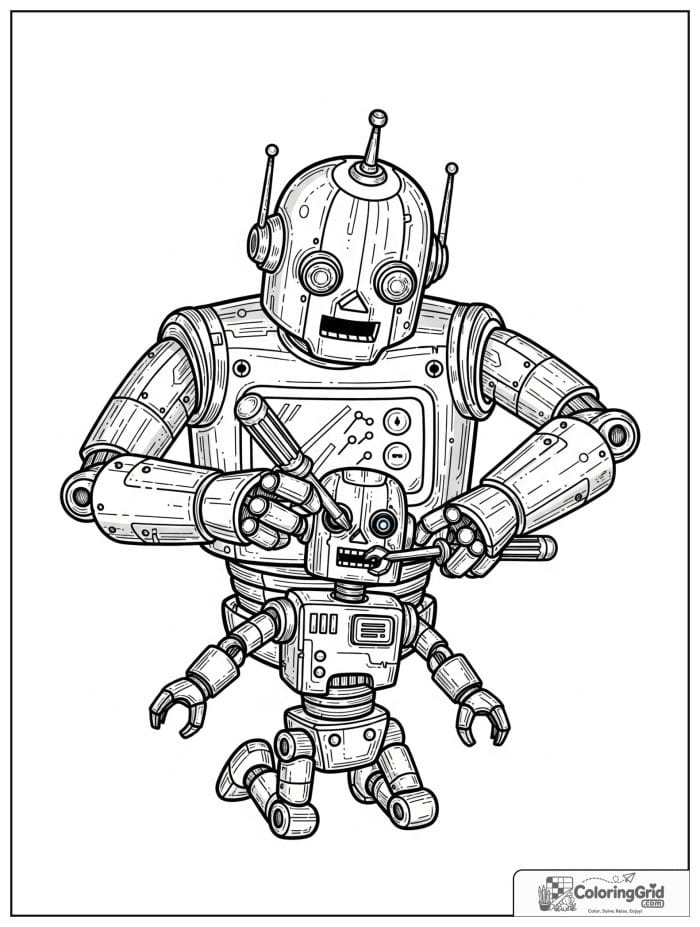
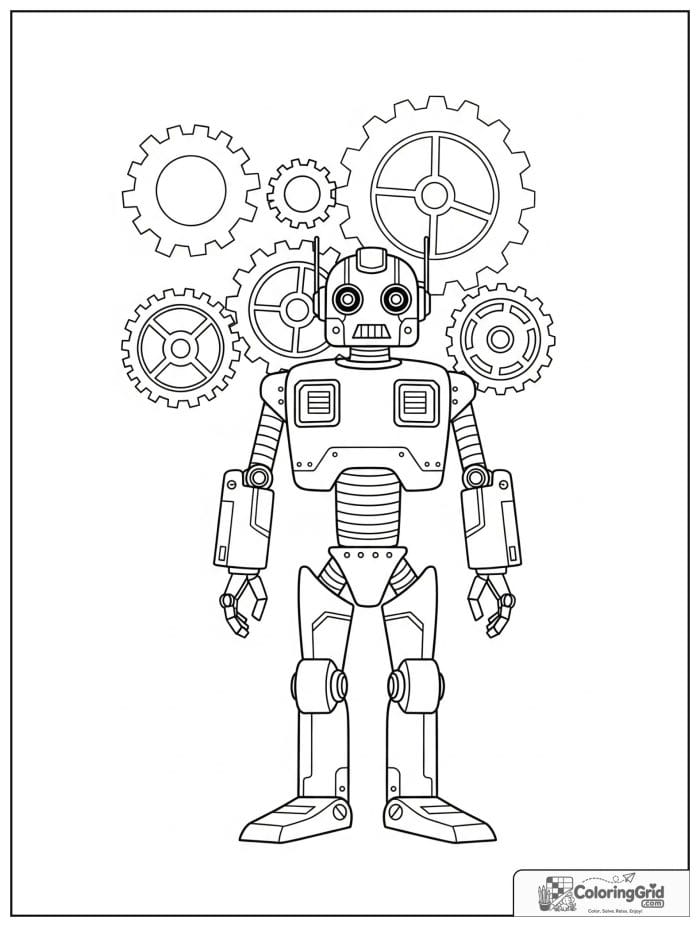
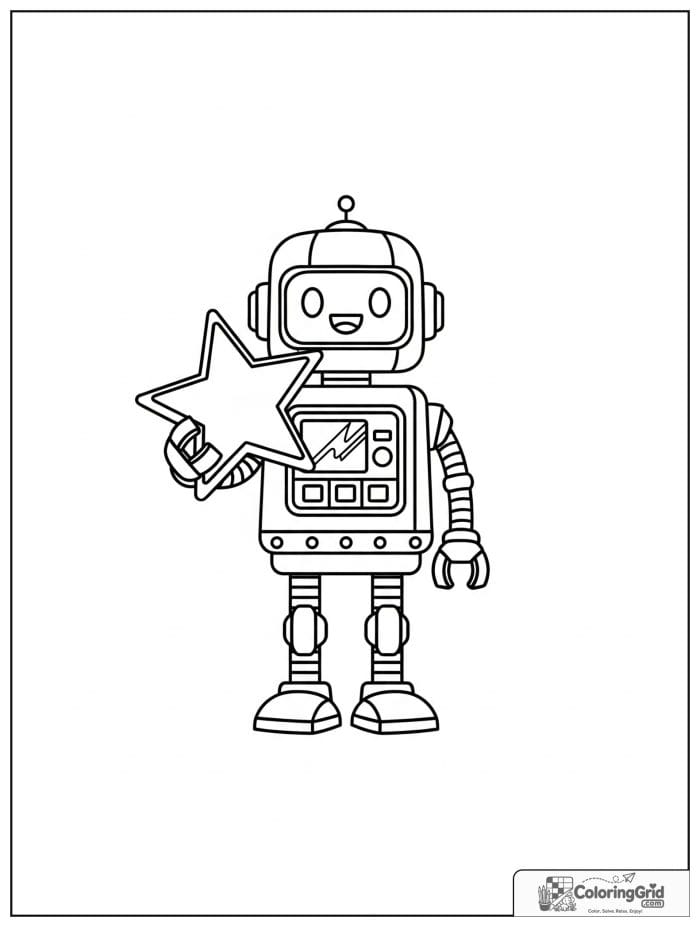
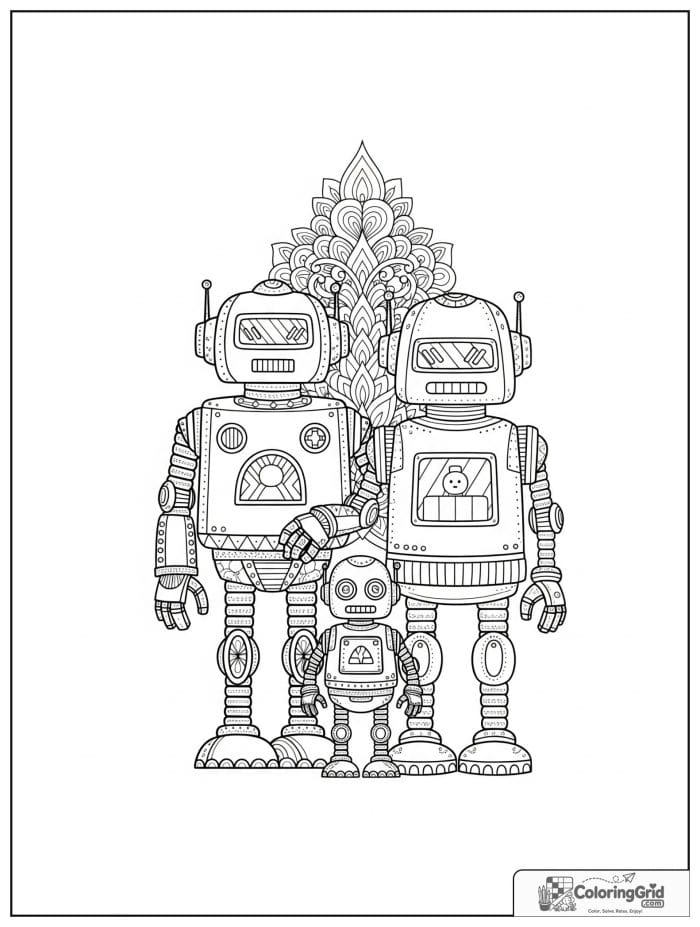
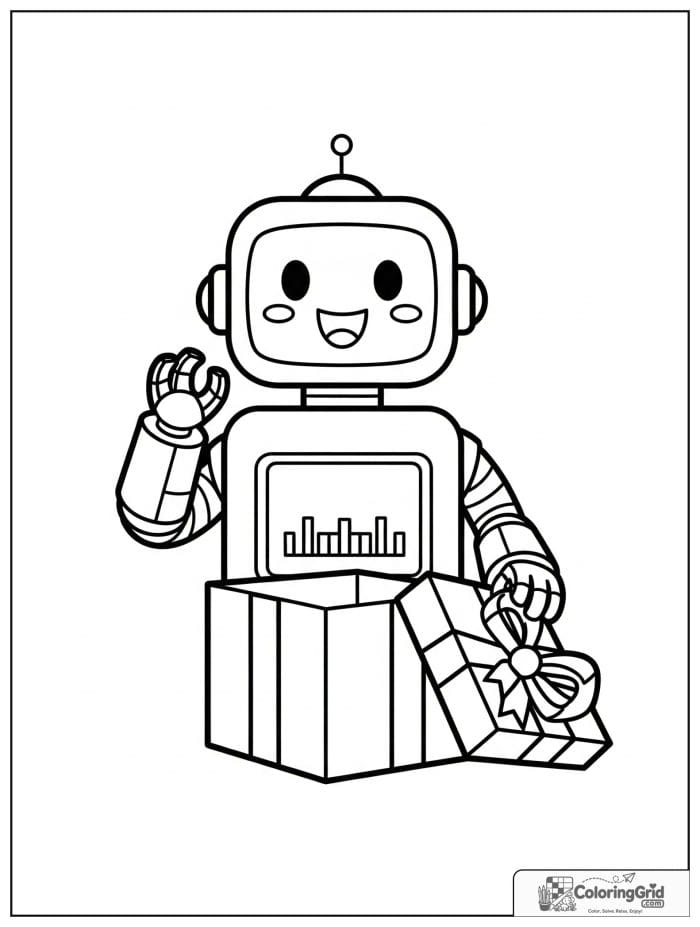
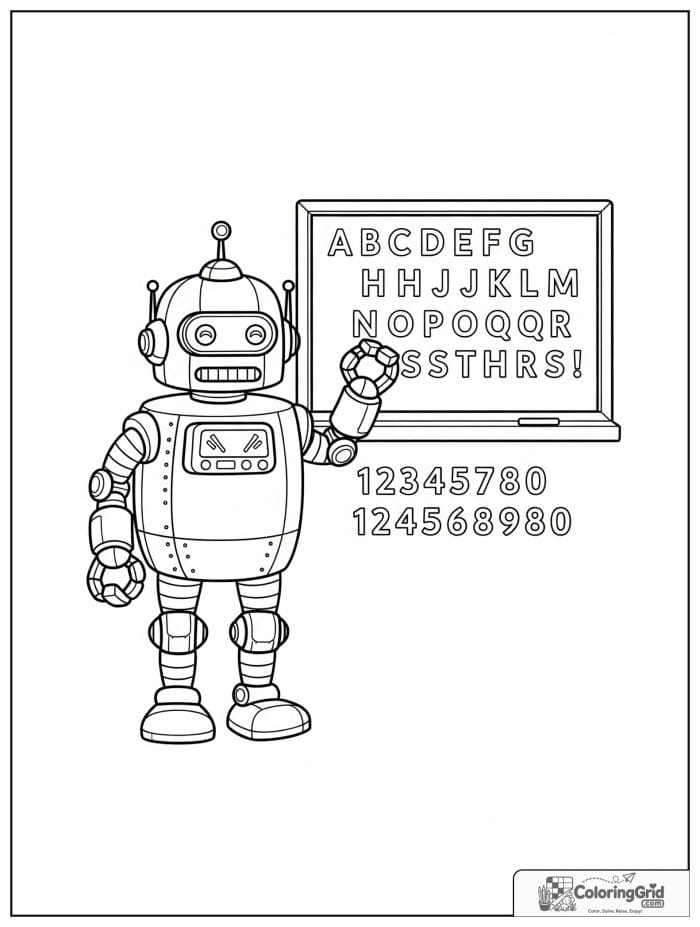
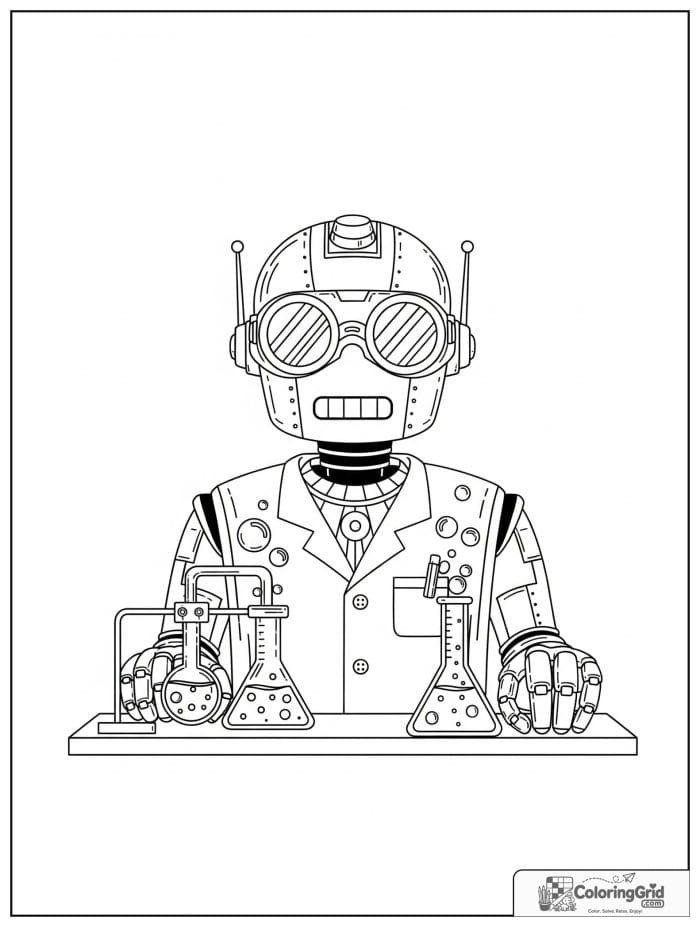
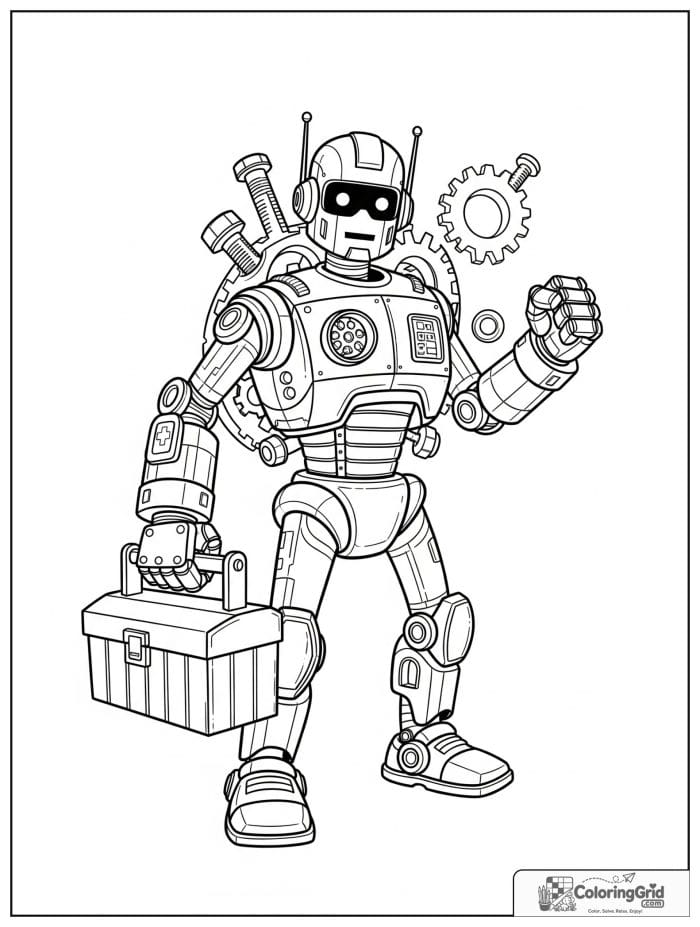
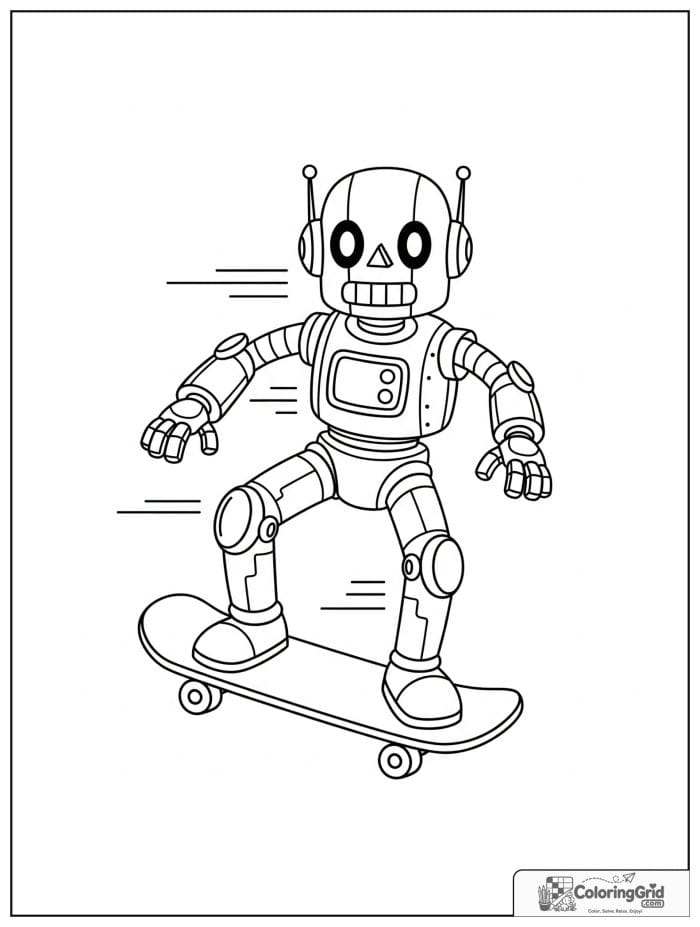
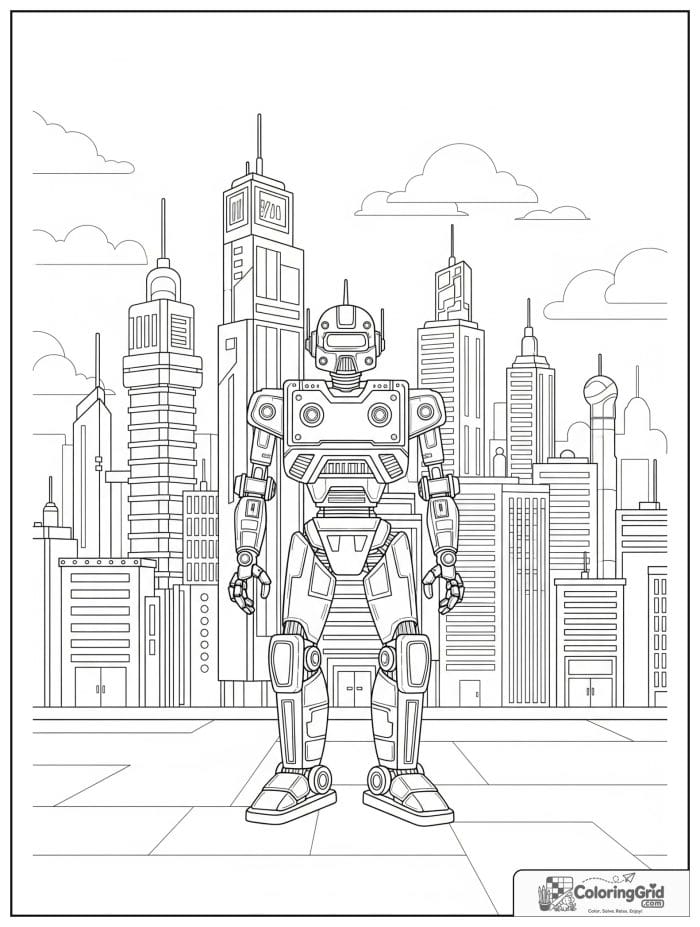
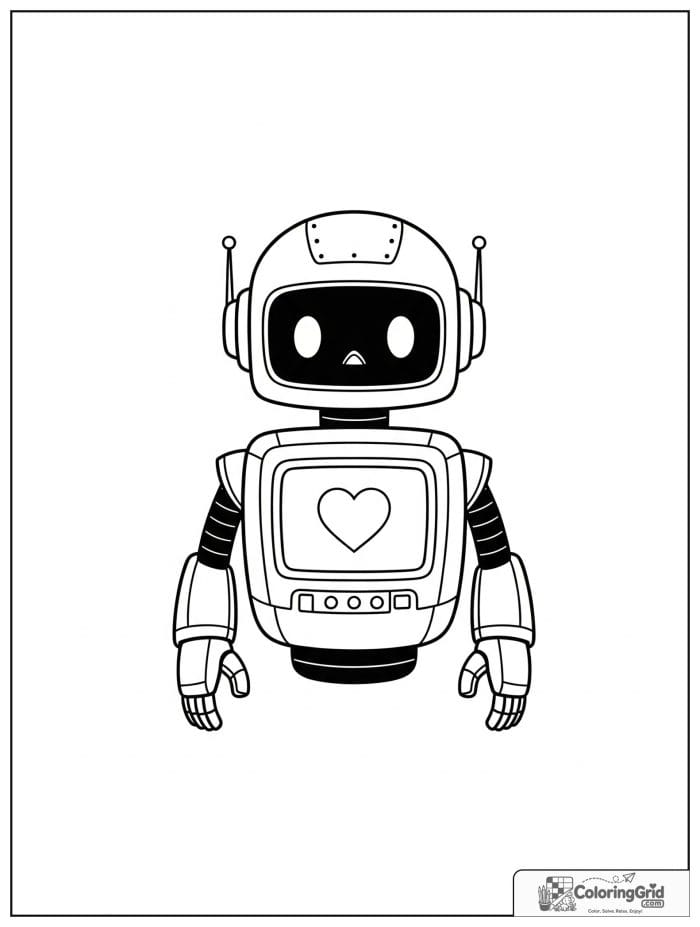
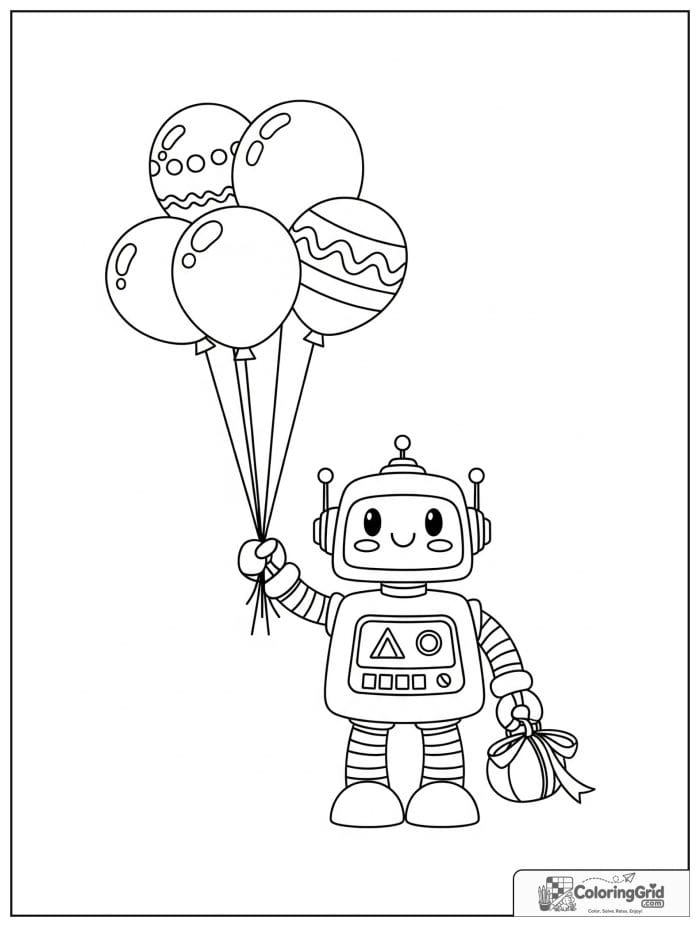
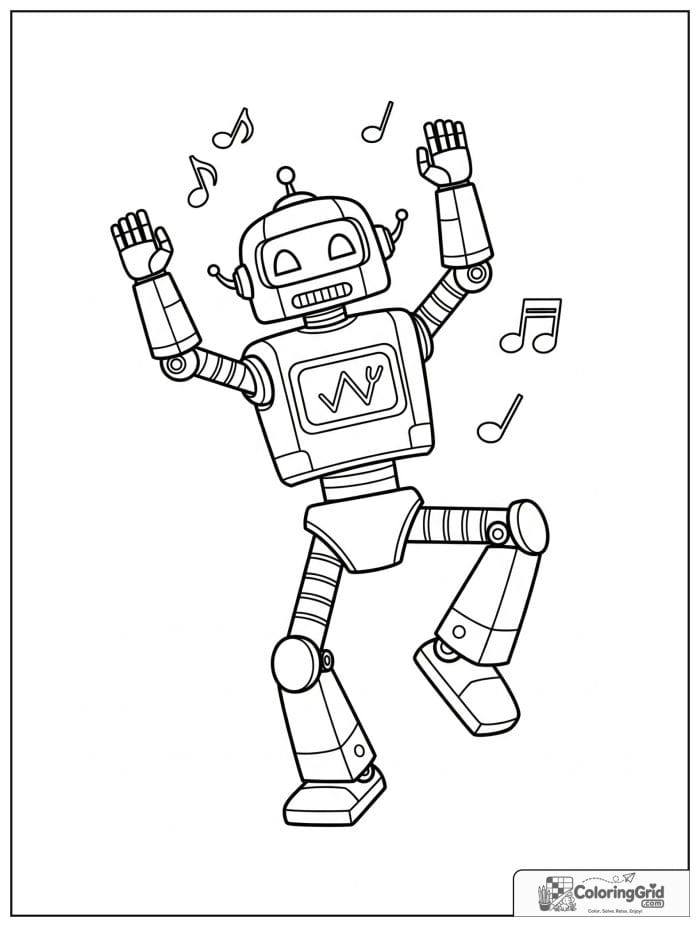
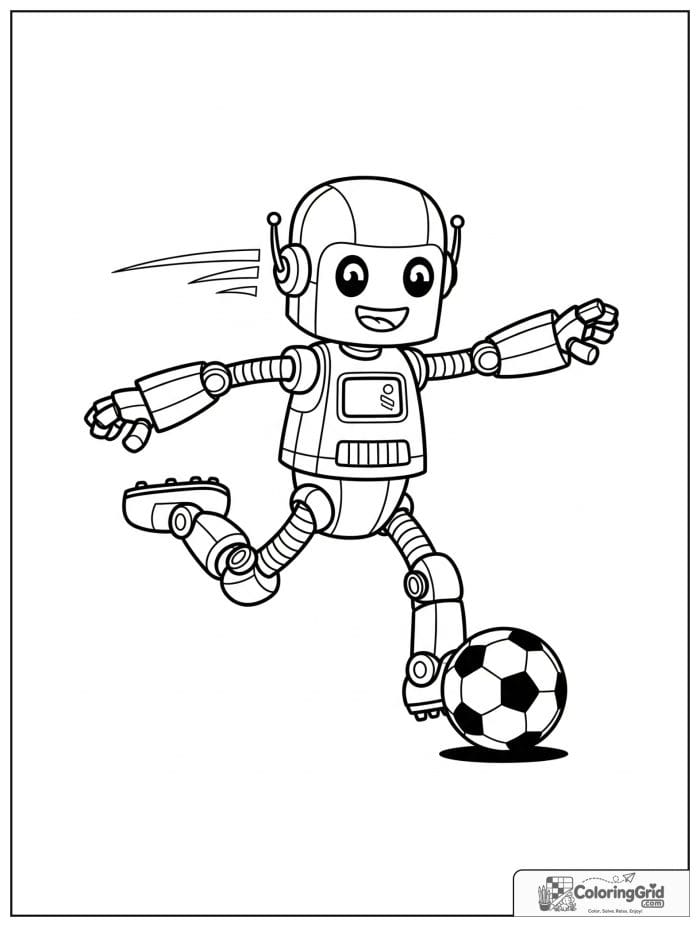
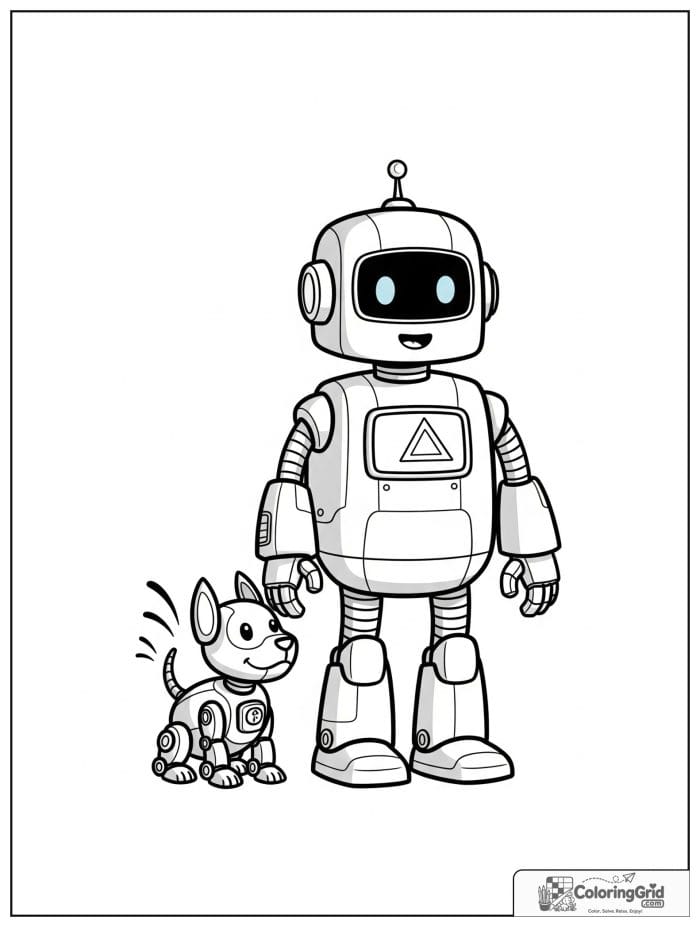
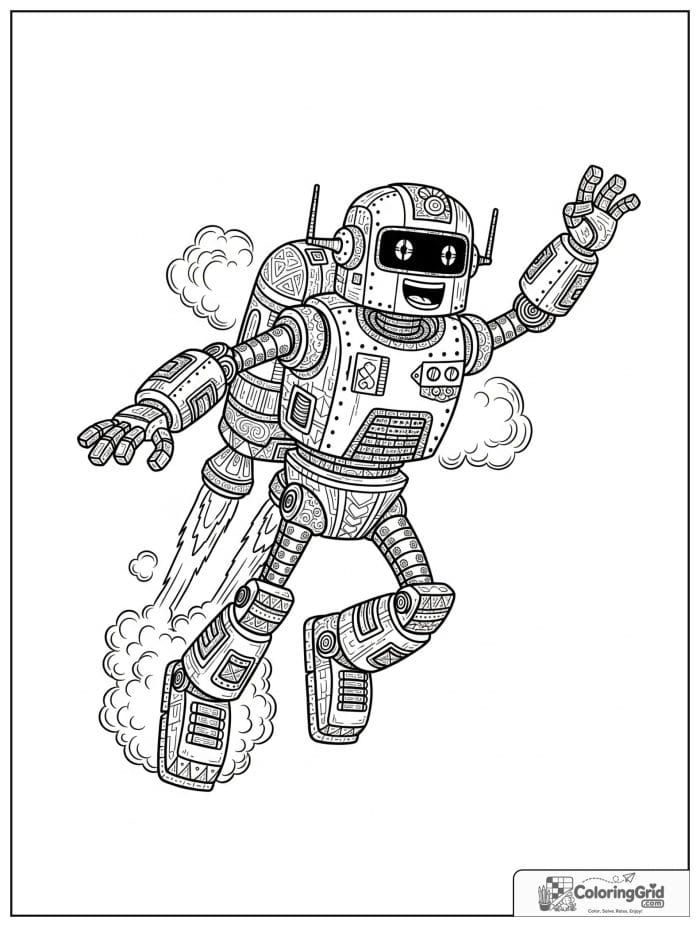
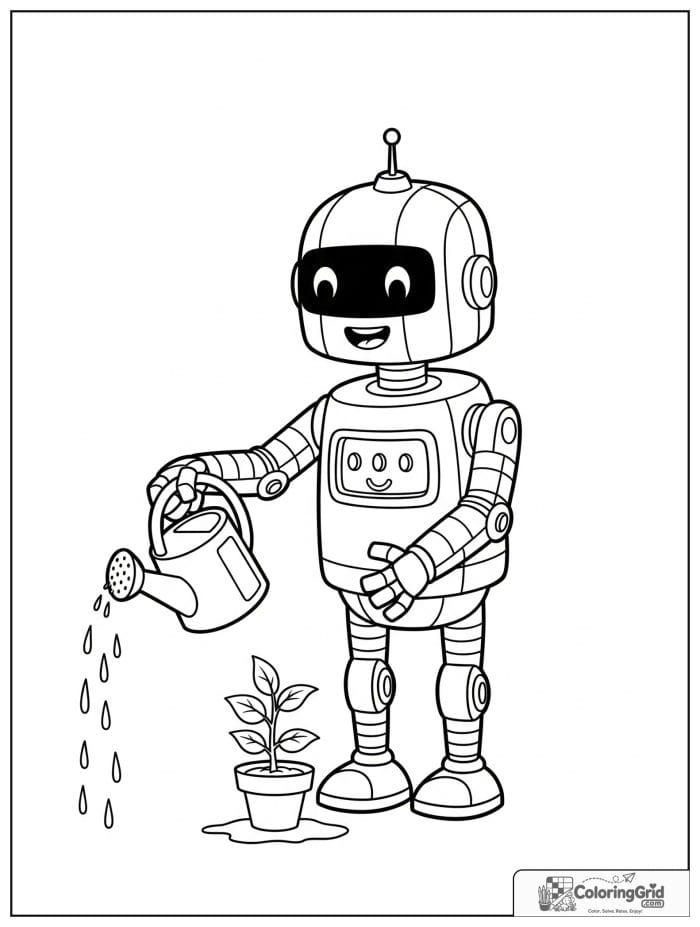
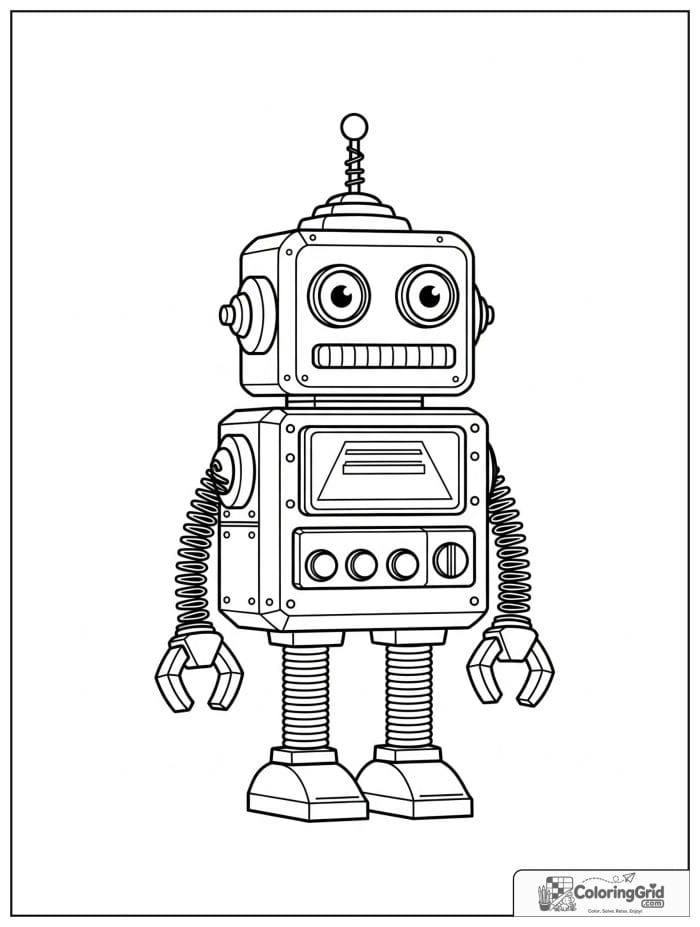
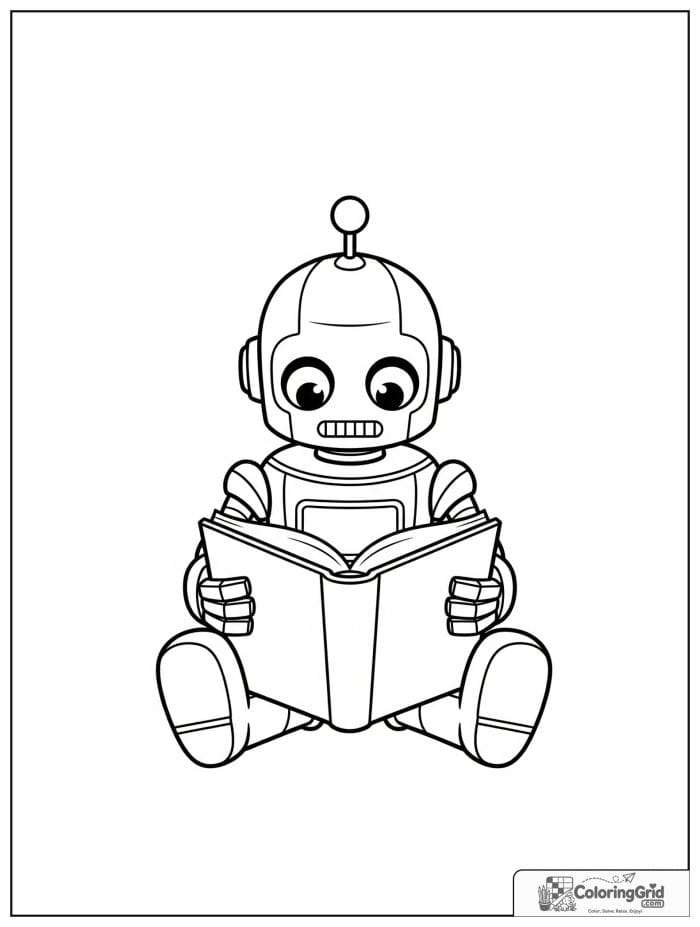
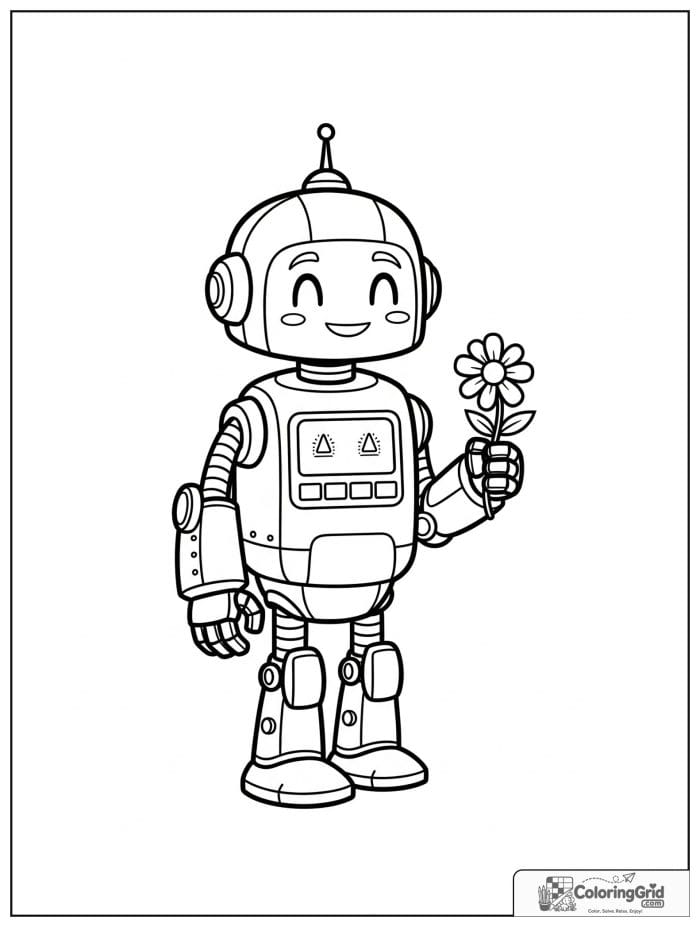
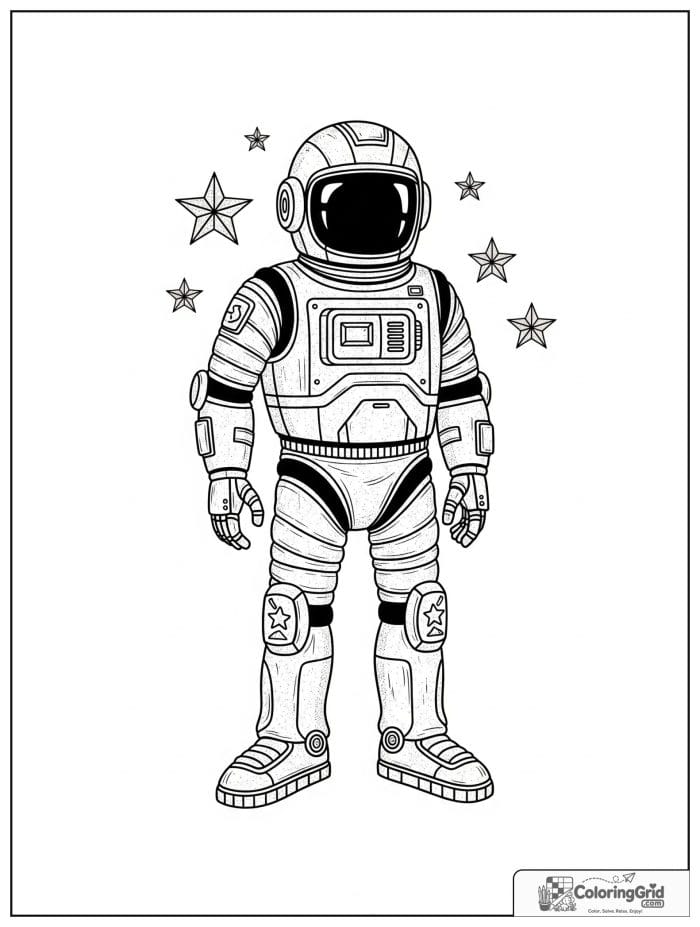
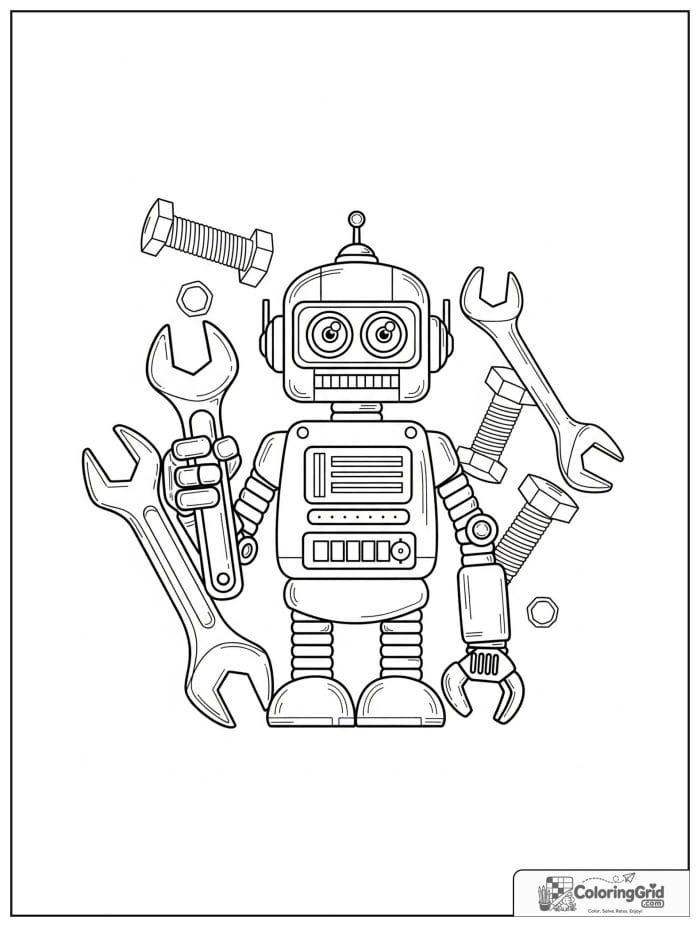
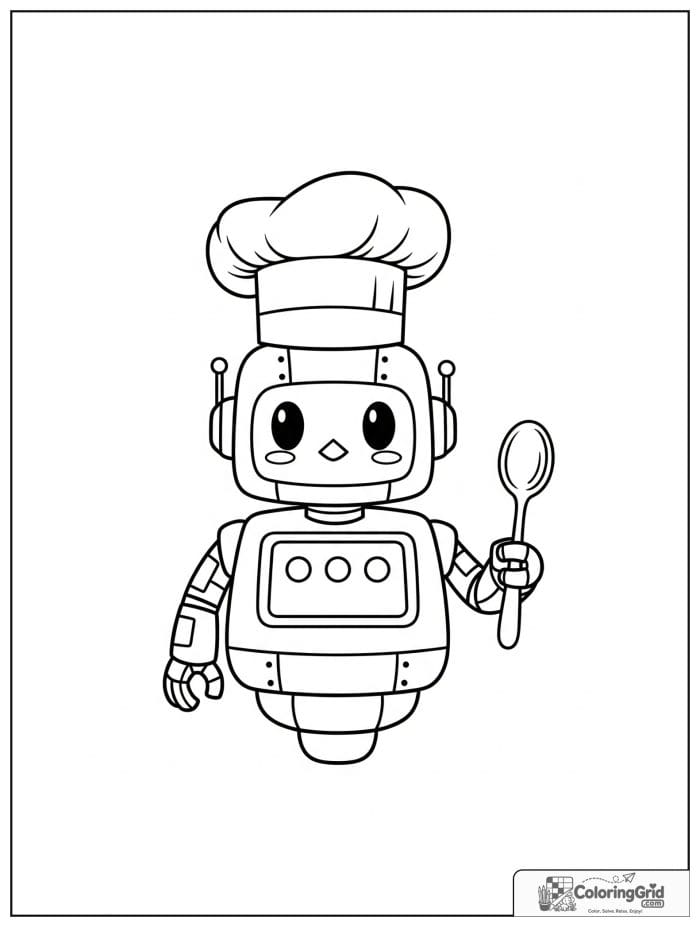
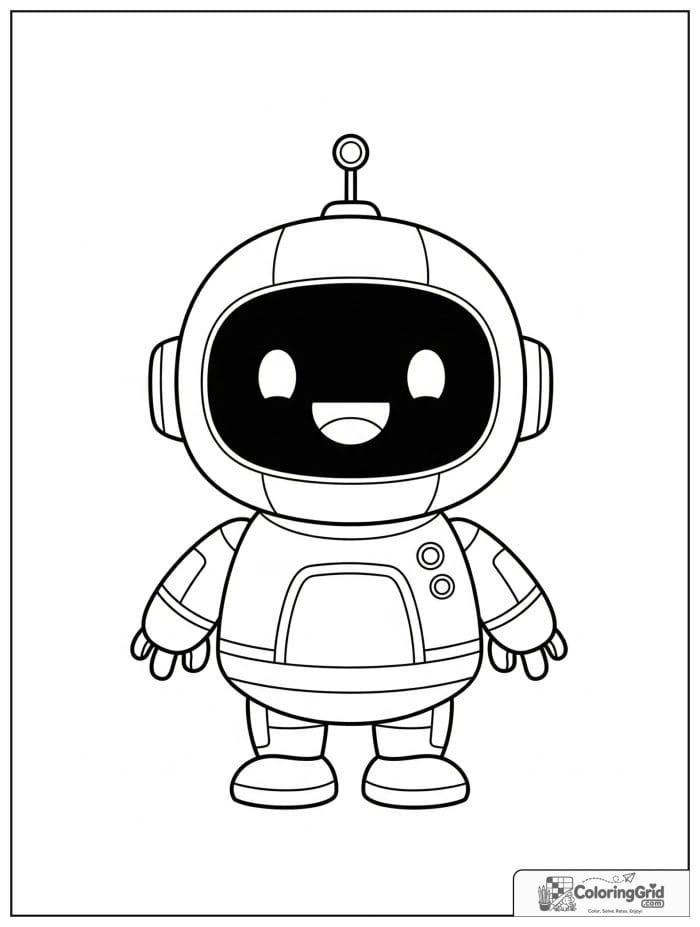
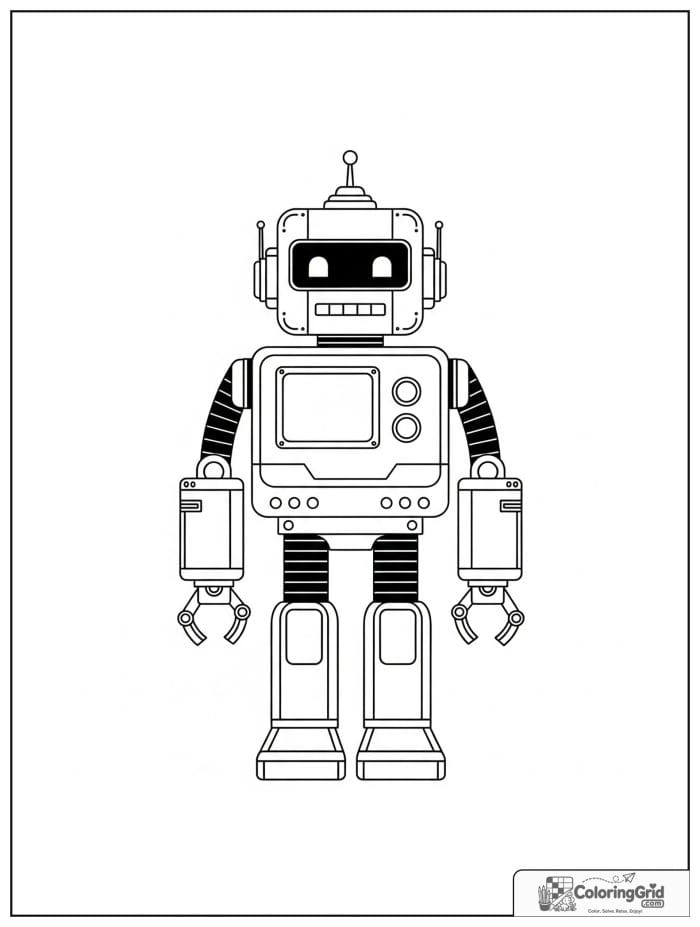
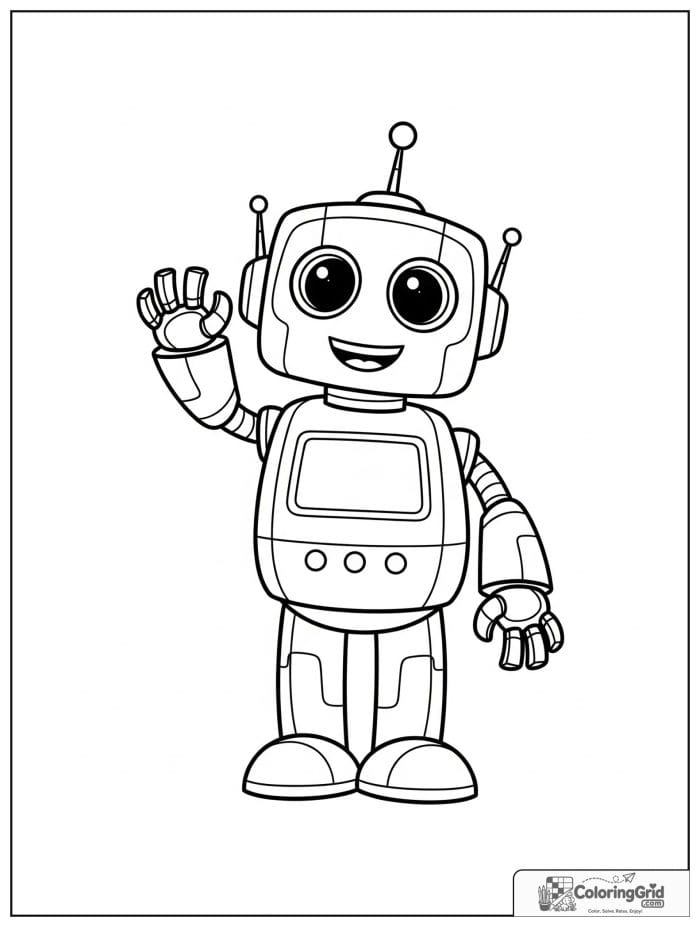
This Robot Coloring Pages gallery includes sample themes such as a robot with toolbox, along with other robot designs from a larger printable collection. Kids can choose between repair scenes, friendly robots, invention-style pages, simple machine shapes, and more detailed robot activity pages.
Use the toolbox page when children want a hands-on repair theme. It gives them clear parts to color, such as the robot, tools, bolts, storage box, floor, and small machine details, without making the page feel crowded.
While you're here, explore these fun related coloring pages too!

Why Robot Pages Work for Different Ages
Robot Coloring Pages can be simple or detailed depending on the printable. Younger kids can color the large body, face screen, wheels, and toolbox. Older kids can add circuits, labels, patterns, and small tool details.
That flexibility makes robot pages useful for mixed-age groups. One child can make a friendly cartoon robot, while another can create a careful machine design with extra buttons and panels.
Color Ideas for Metal, Lights, and Tools
Good colors for robot pages include silver, gray, blue, red, yellow, green, black, and orange. The robot body can stay metallic while the buttons, eyes, toolbox, and tools use brighter colors.
For a clean look, use two main robot colors and one accent color. For a playful page, let kids make each button a different color and add a name or number to the robot body.
A Toolbox Detail Activity
The toolbox scene makes Robot Coloring Pages more useful because it gives children more than one object to notice. Ask kids to color the robot first, then choose three tools or parts in the picture and color them carefully.
This makes Robot Coloring Pages feel more like a small observation activity. Children can look for bolts, handles, screwdrivers, gears, panels, or wires before they finish the page.
Home Uses for Creative Kids
At home, Robot Coloring Pages work for screen-free time, weekend coloring, a STEM-themed afternoon, or a quiet activity after school. The toolbox theme is especially useful for children who like building, fixing, and pretending to invent things.
For a larger printable setup, the guide on building a printable activity binder can help parents group robot pages with puzzles, vehicles, and simple drawing prompts.
Classroom Ideas for STEM Time
Teachers can use Robot Coloring Pages for STEM week, early finishers, fine motor practice, morning work, or a quick invention prompt. A simple direction works well: color the robot and write what job it does.
For another published page with a space or invention feel, Alien Coloring Pages can pair naturally with a robot station or space-themed activity.
Shape and Pattern Practice
Robot Coloring Pages are built from easy shapes: rectangles, circles, squares, lines, and small panels. That makes the page useful for children who are learning to notice shapes inside a picture.
For a simple extension, ask kids to circle three rectangles, three circles, and one triangle before coloring. Published Shapes Coloring Pages can support the same idea with a more direct learning focus.
A Simple Writing Prompt
After using Robot Coloring Pages, ask one short question: what is the robot fixing? Children might say a rocket, a toy car, a door, a computer, a bike, or another robot. That answer can become one sentence under the page.
If a child does not want to write, they can draw the object beside the robot instead. The goal is to make the page feel personal, not to turn coloring into a long worksheet.
Real Robot Connection
A quick real-world connection can make Robot Coloring Pages more useful. Robots can help people explore places, move objects, test ideas, or do jobs that are difficult for humans.
For safe background reading, NASA has a clear student page explaining what robotics is. NASA Space Place also has a kid-friendly page about why robots are sent to space.
Keep the Robot Coloring Pages simple when the goal is quiet coloring, and use the tool details when the goal is a longer project.
Robot Coloring Pages FAQ
For a longer Robot Coloring Pages activity, print two Robot Coloring Pages and let kids design one helper robot and one repair robot.
Are Robot Coloring Pages good for preschool?
Yes, if the page has one large robot, clear shapes, and only a few small details.
What colors should kids use for robots?
Gray, silver, blue, red, yellow, green, black, and orange all work well.
Can teachers use these for STEM lessons?
Yes. They work for quick invention prompts, shape practice, and simple machine vocabulary.
What can kids add after coloring?
They can add a robot name, buttons, wires, tools, a job label, or a small machine to fix.
Which page is best for a toolbox theme?
The robot with toolbox page is best because it gives kids tools, parts, and a repair idea in one scene.
How can I make the activity last longer?
Ask kids to write one sentence about what the robot does or draw a small invention beside it.