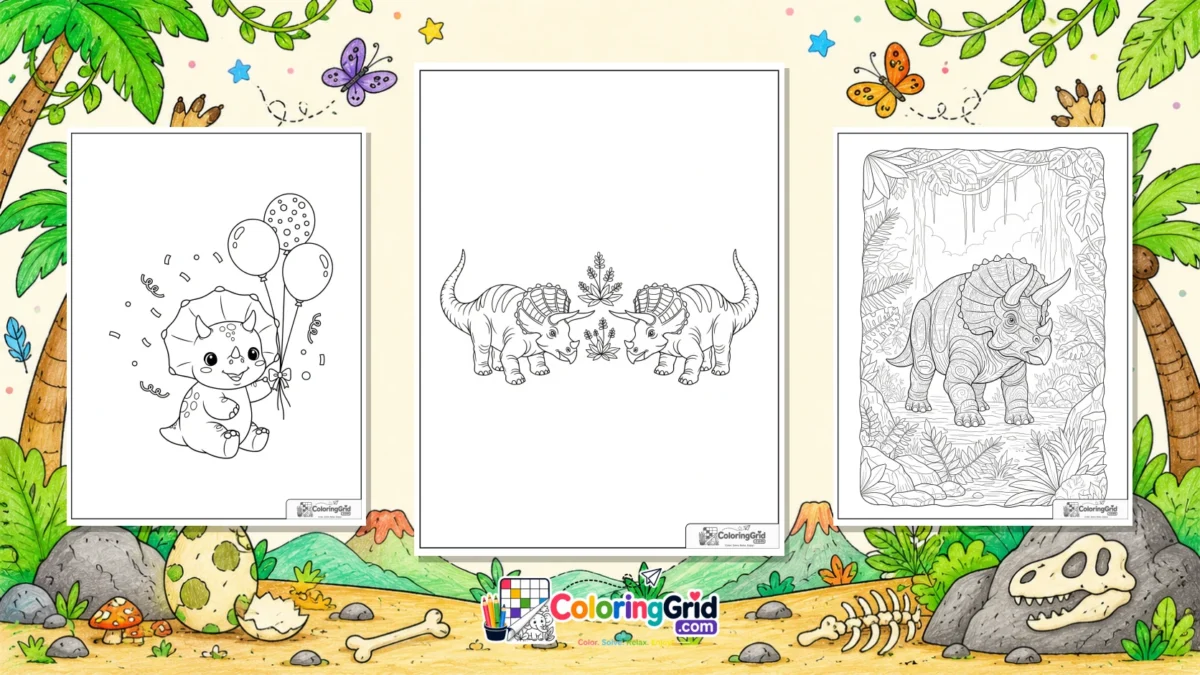
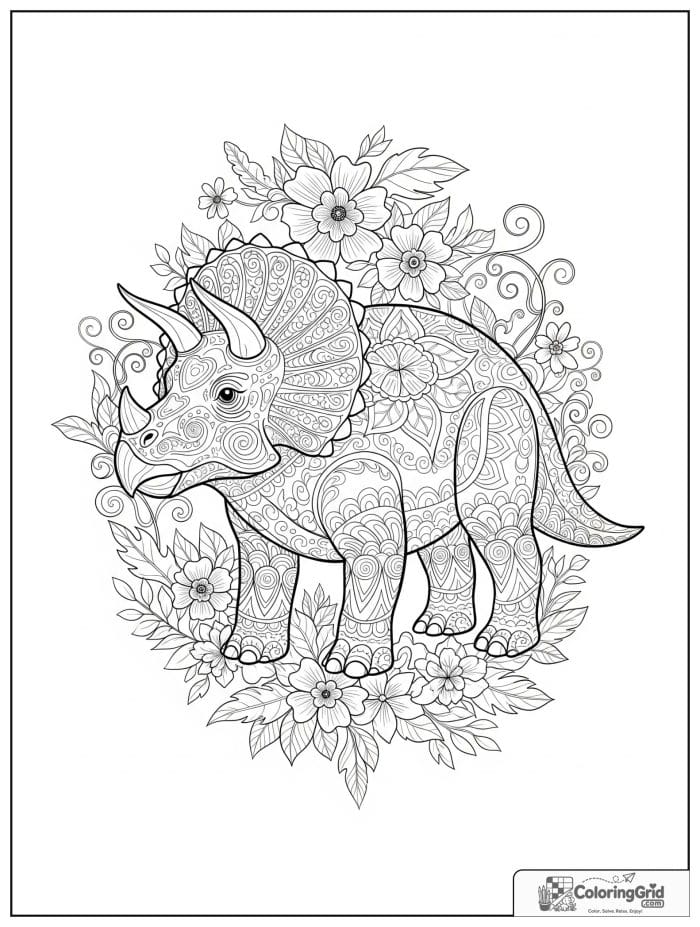
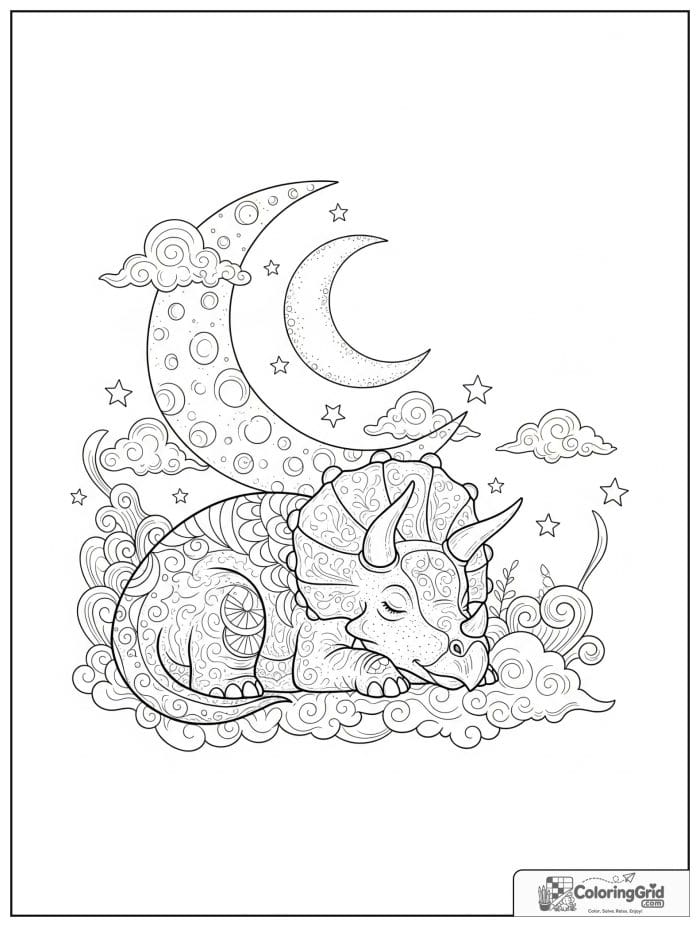
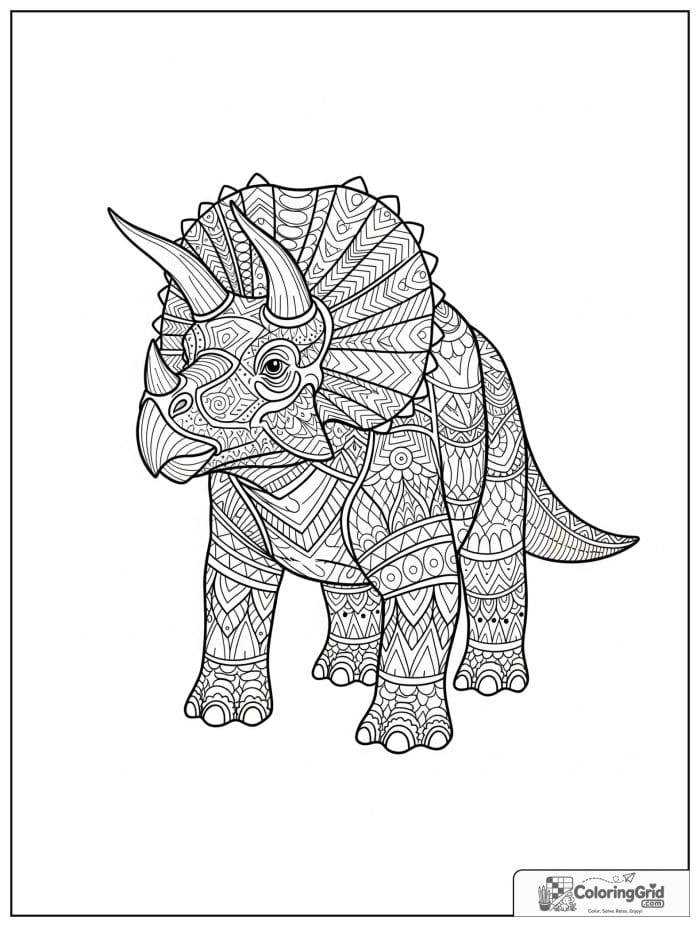
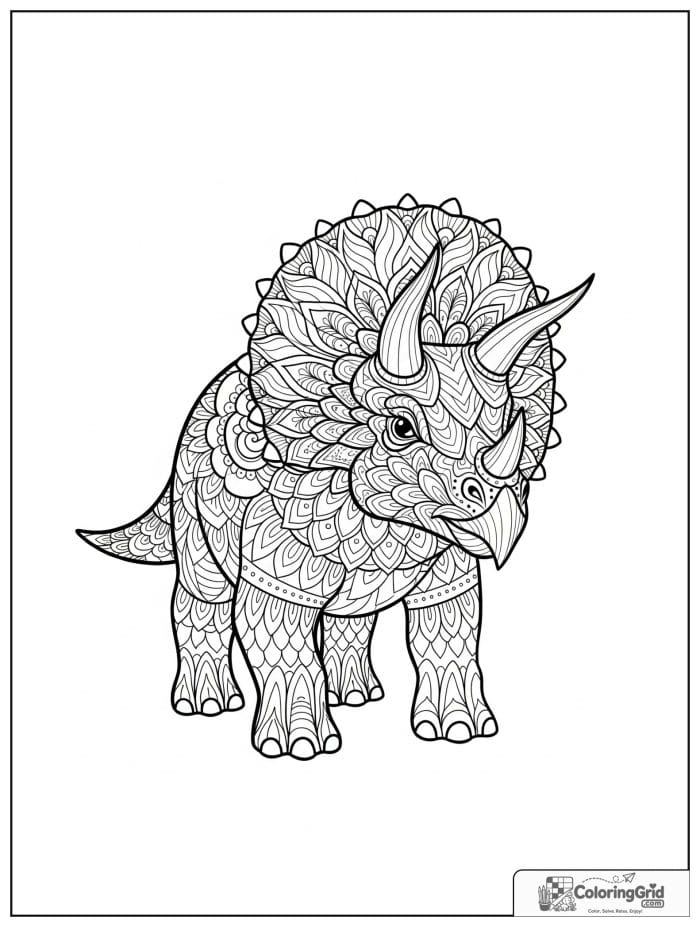
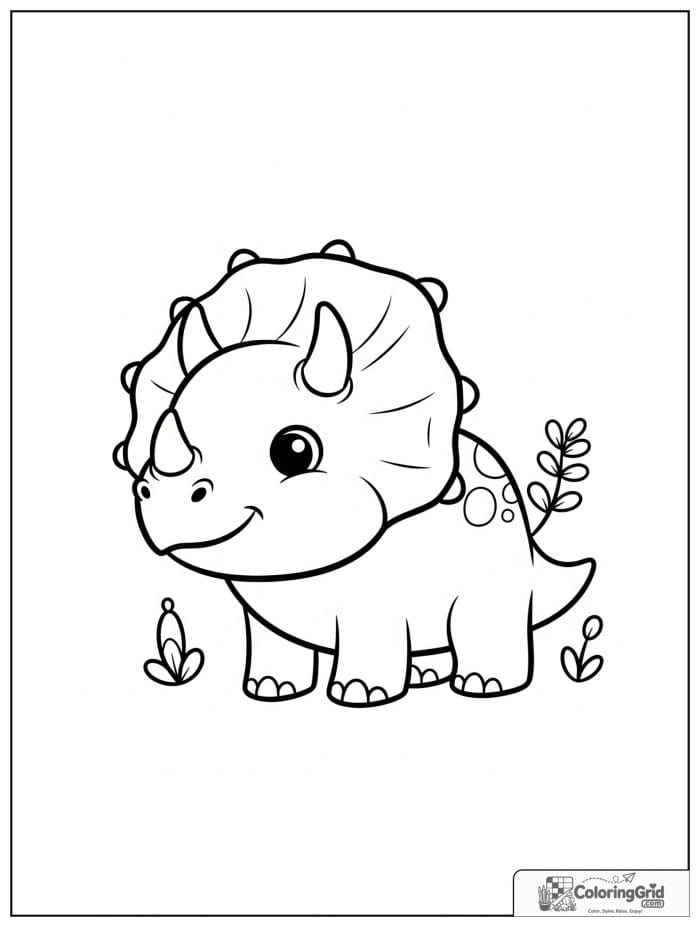
Triceratops coloring pages are a good fit for kids who like dinosaurs but do better with friendly shapes than sharp action scenes. The three horns, wide frill, strong legs, and plant-eater body make the dinosaur easy to recognize, even on a simple printable page.
What's Inside
Printable Triceratops Coloring Pages
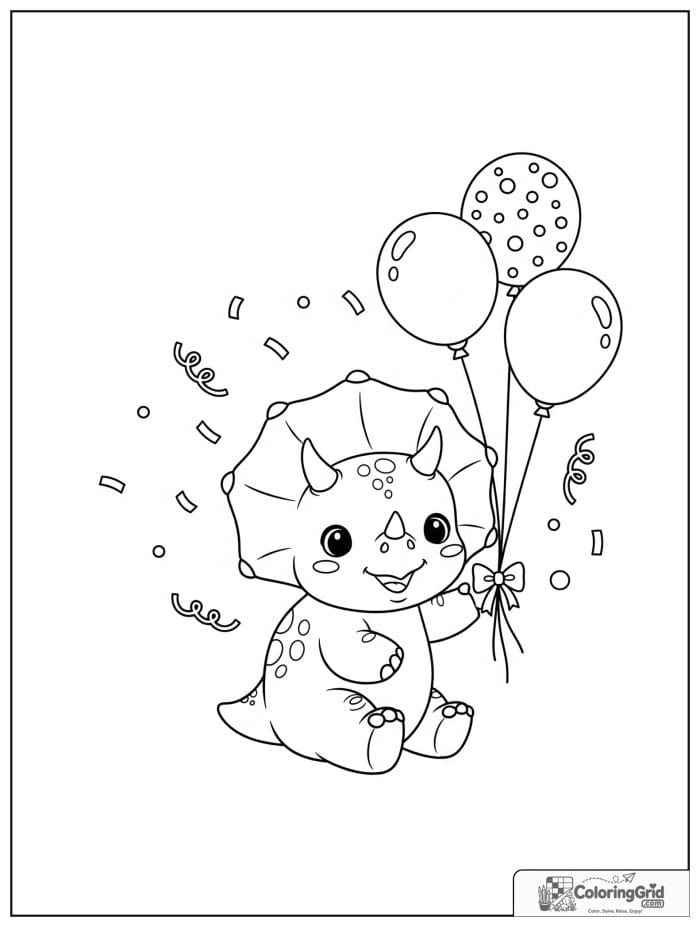
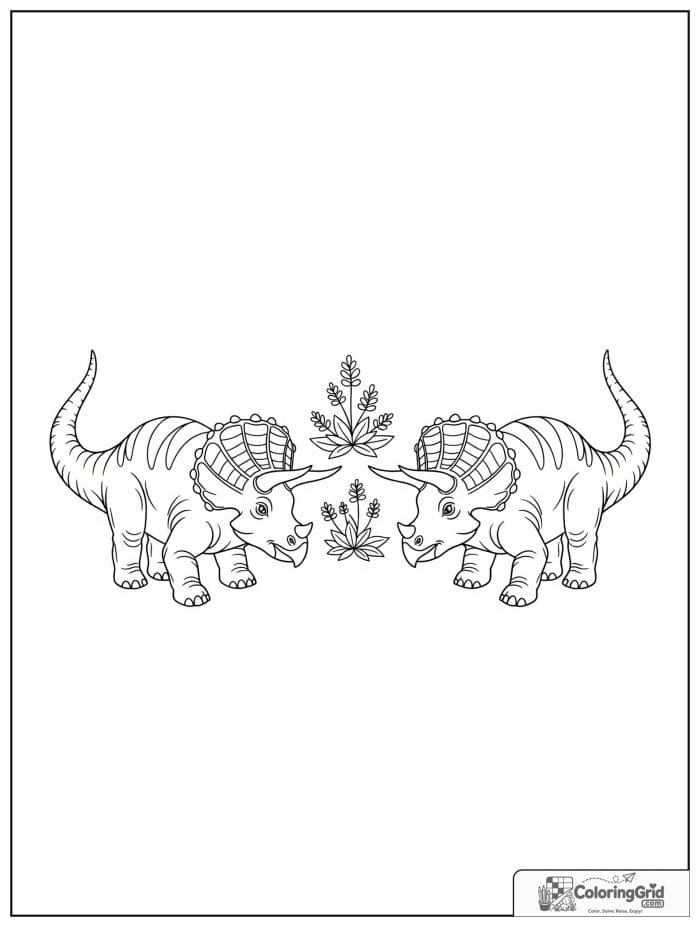
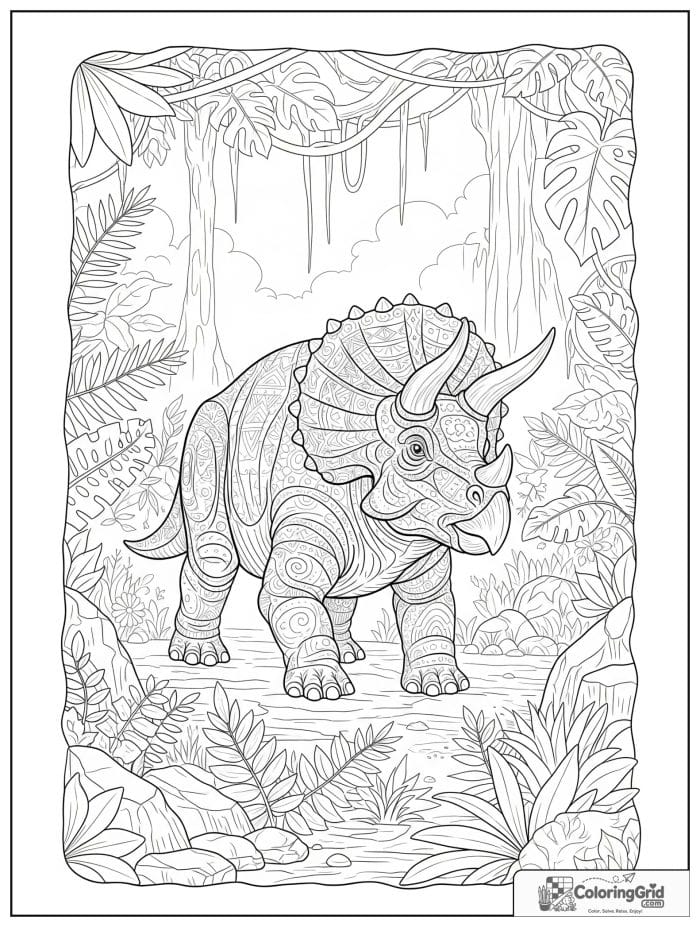
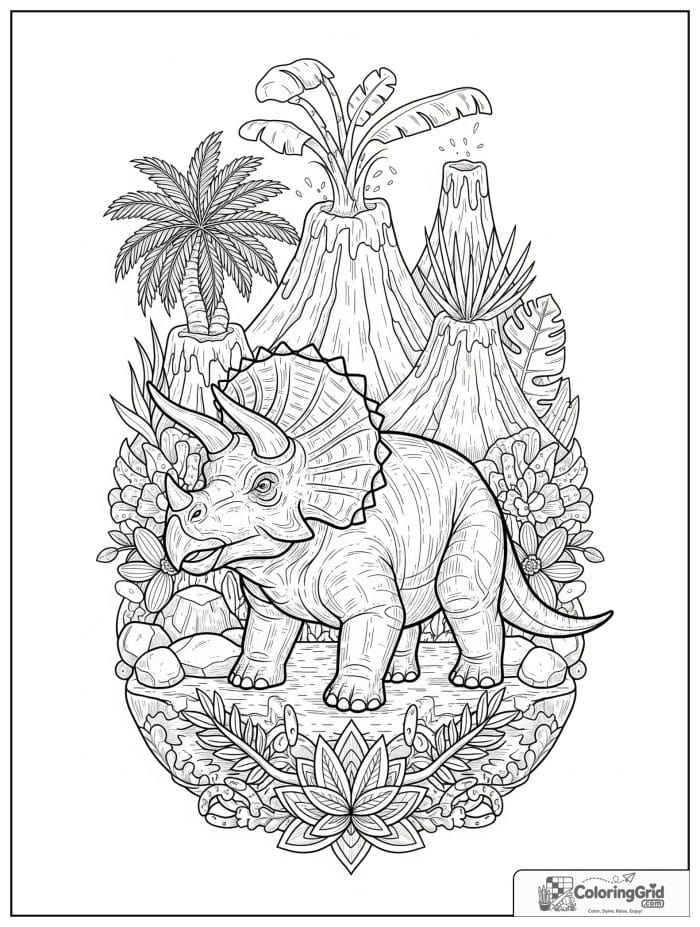
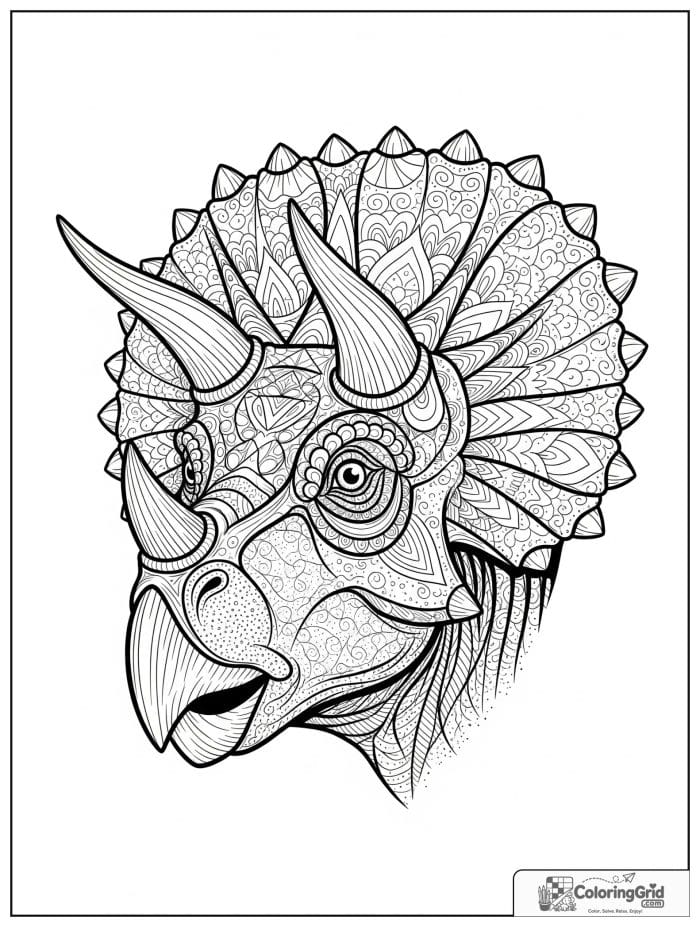
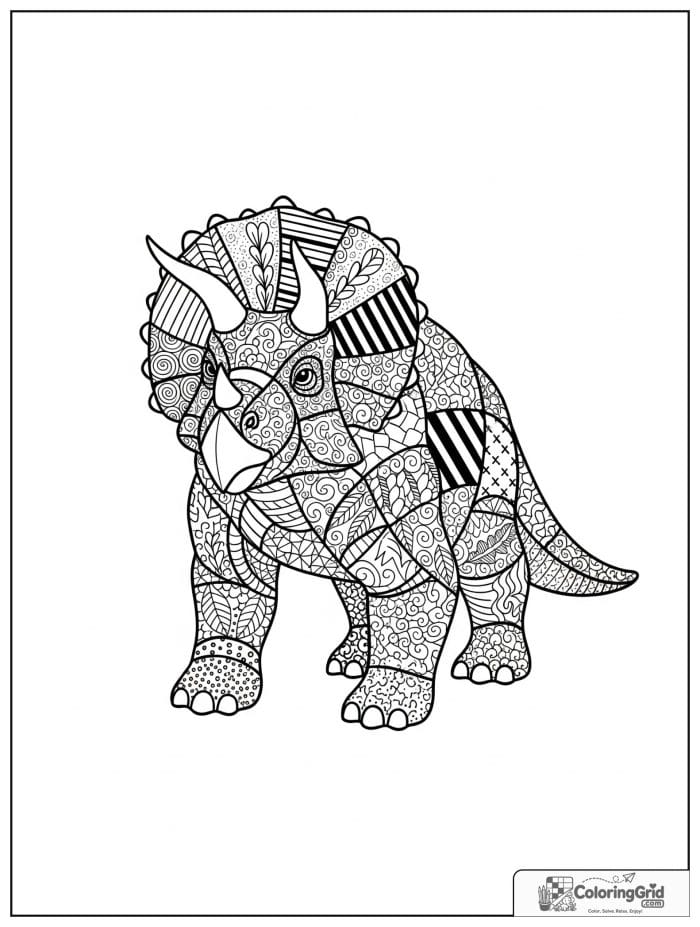
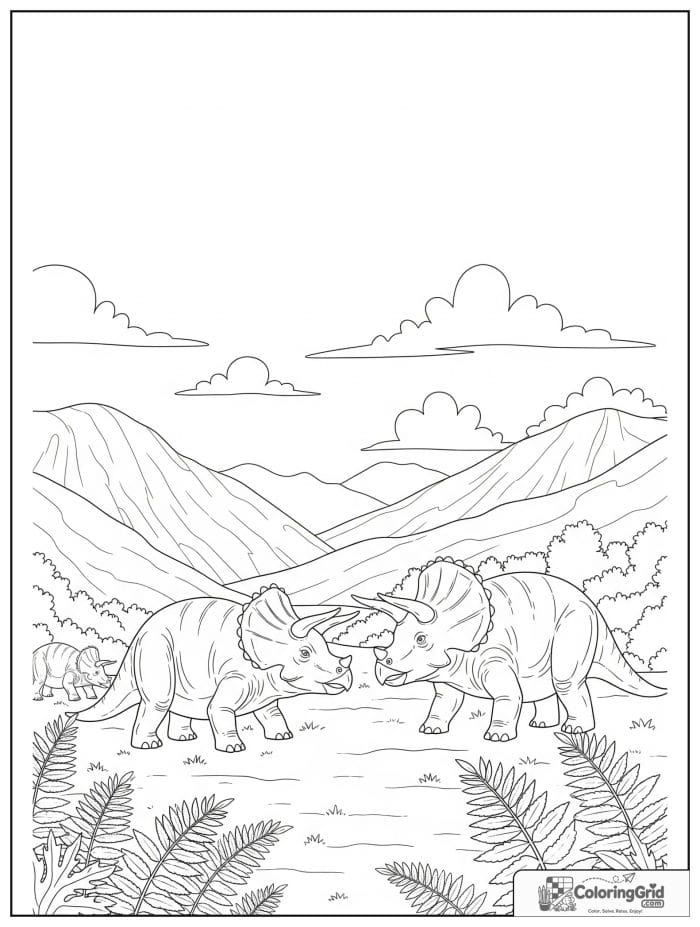
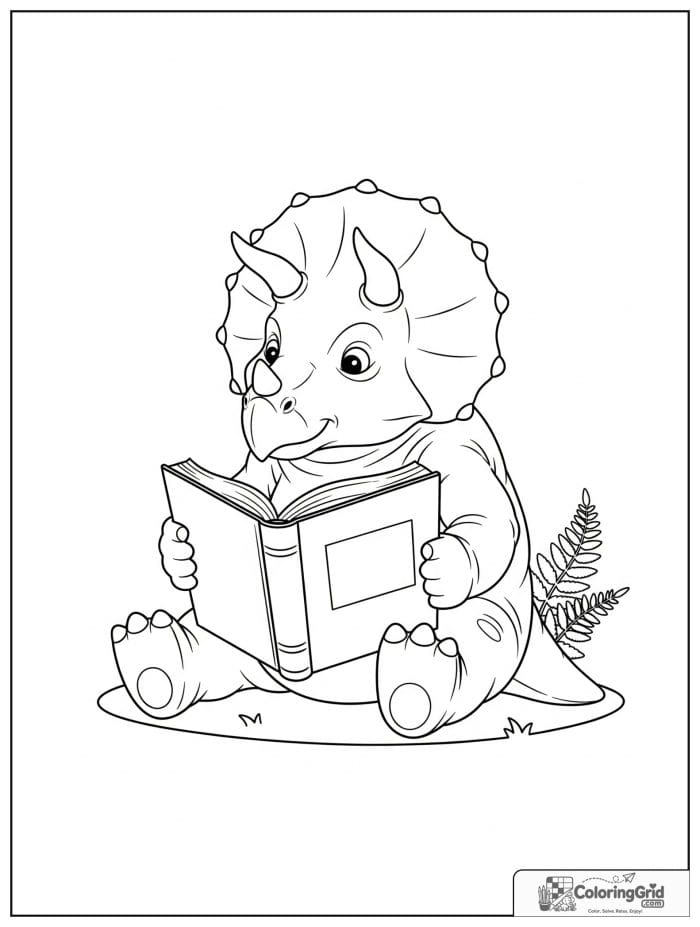
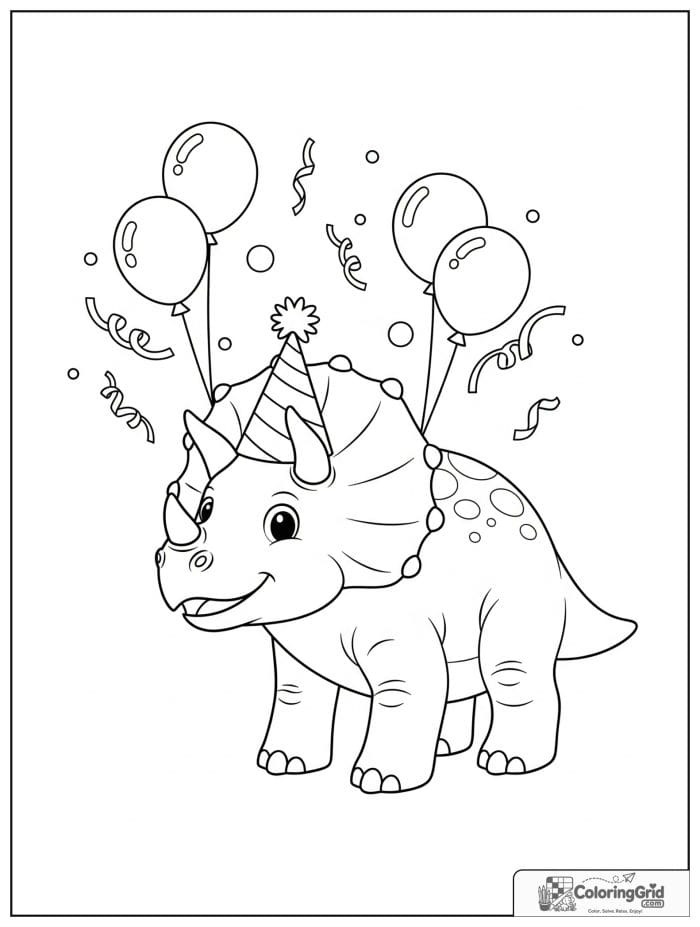
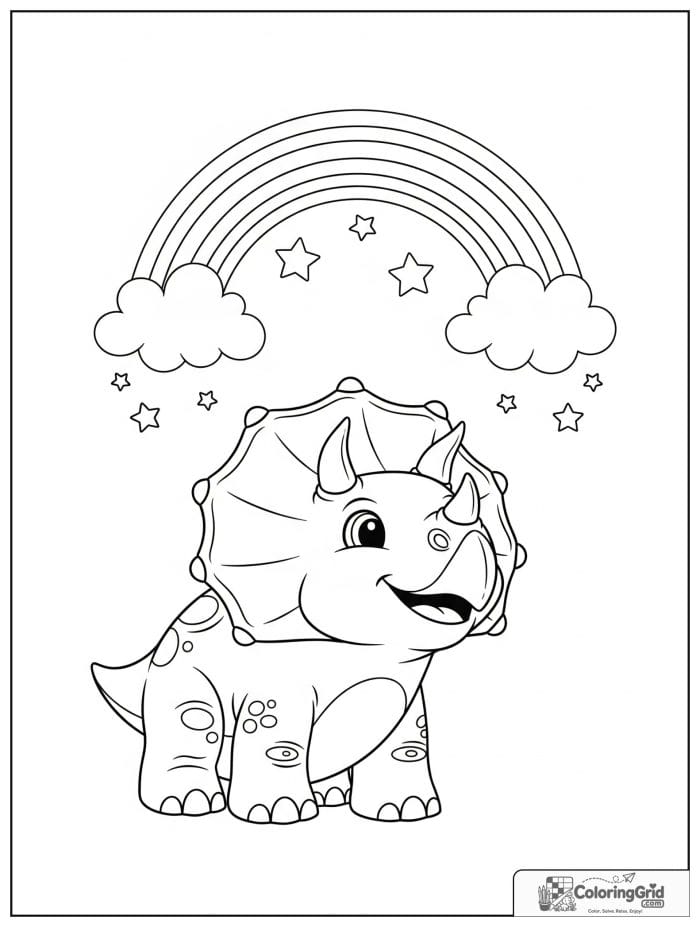
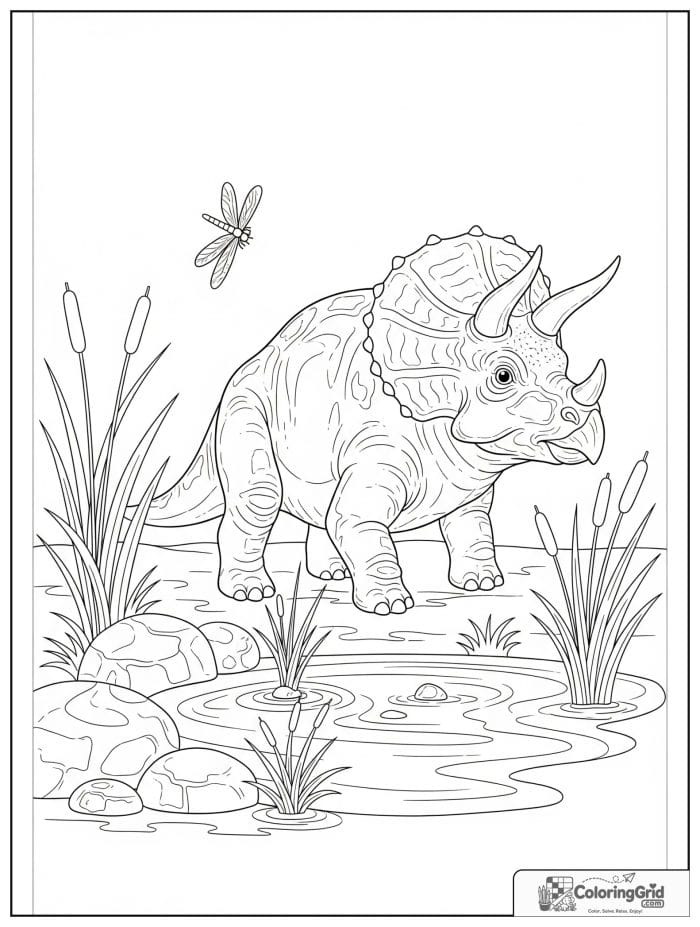
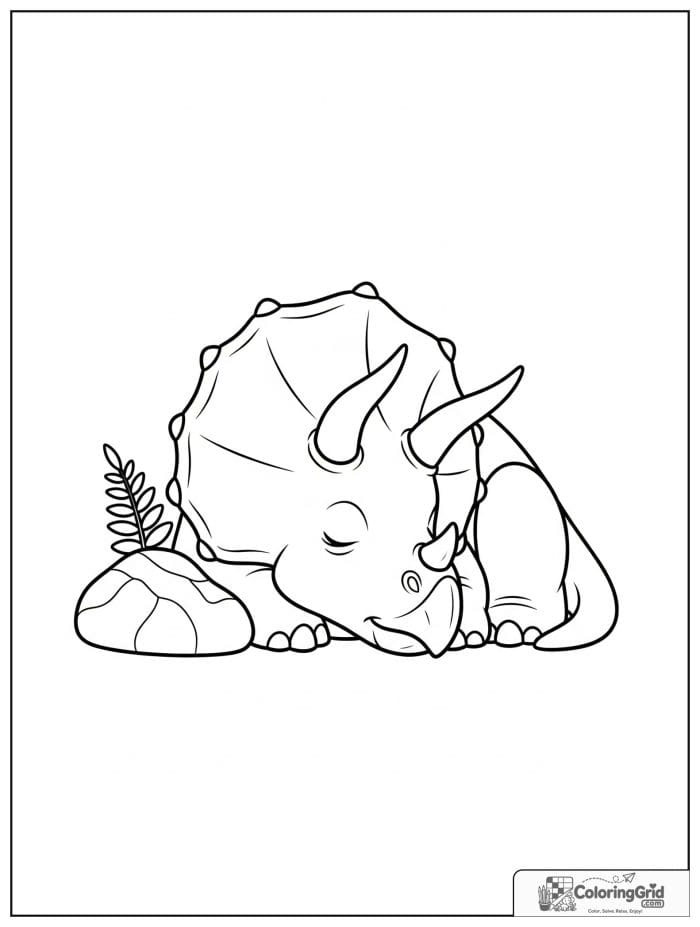
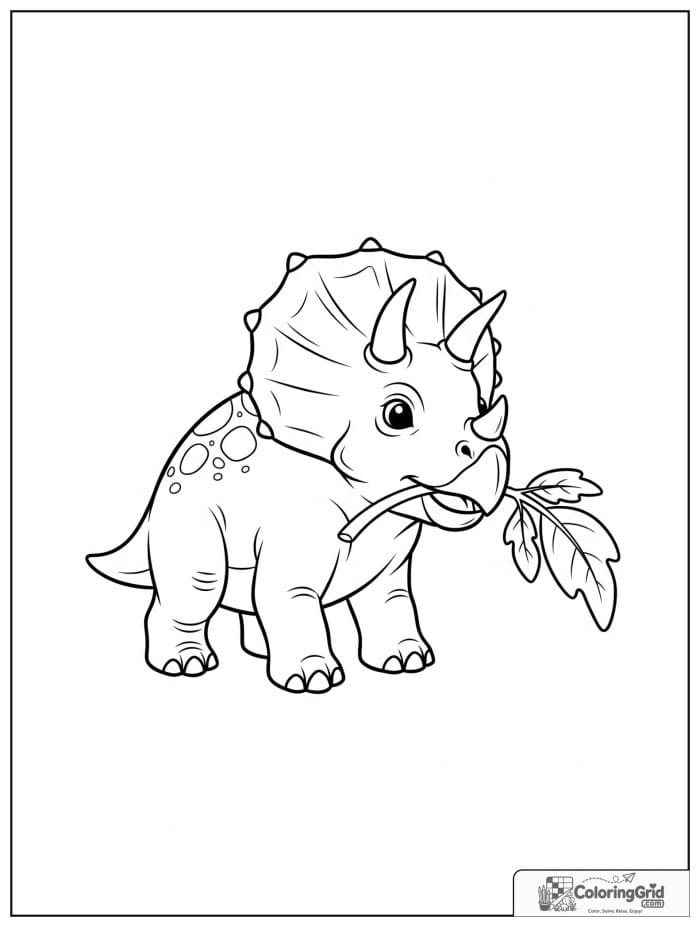
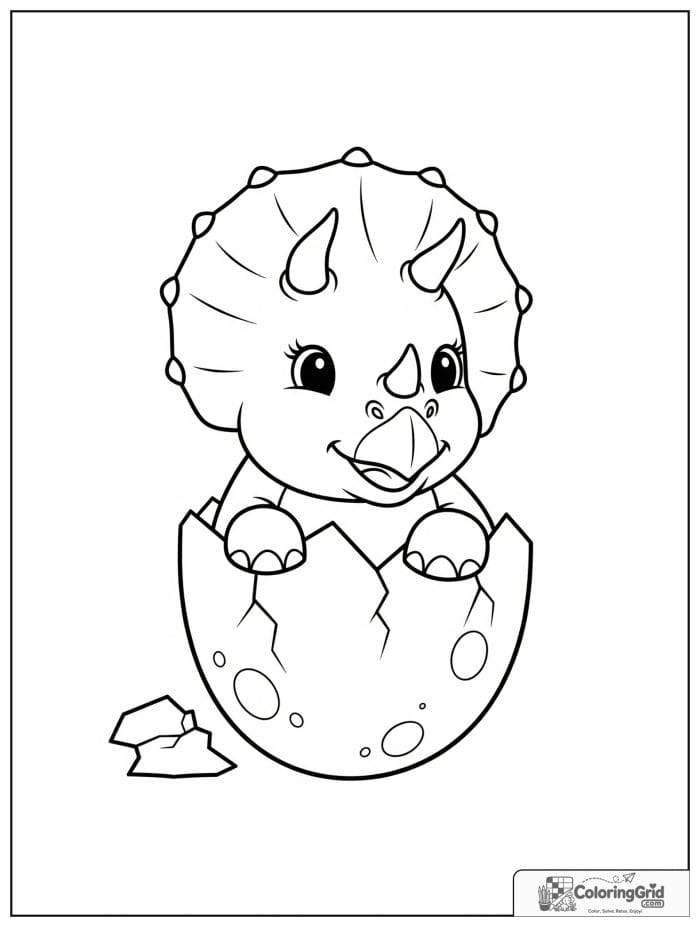
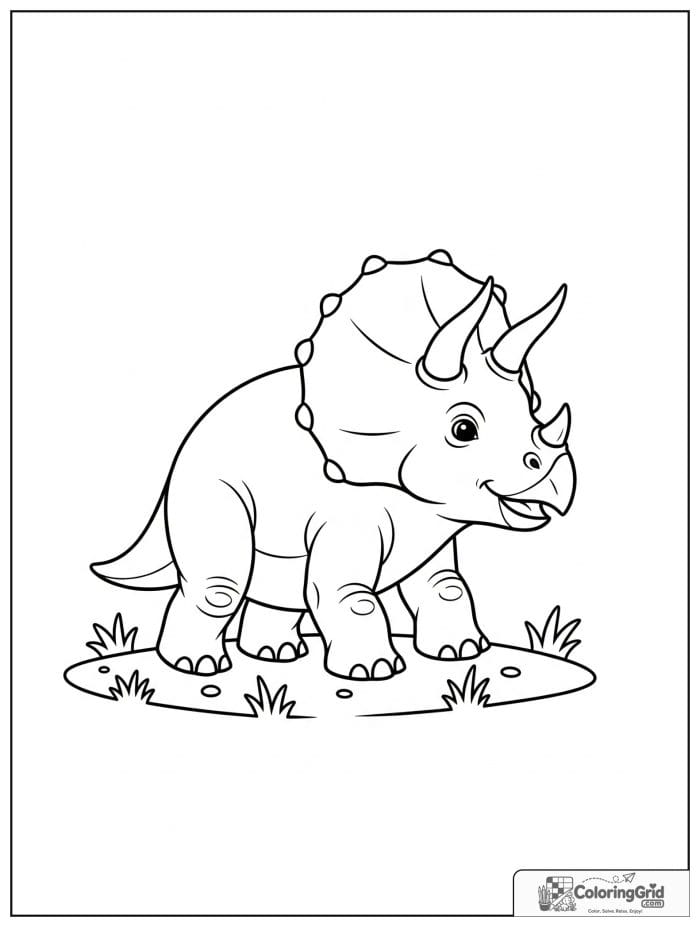
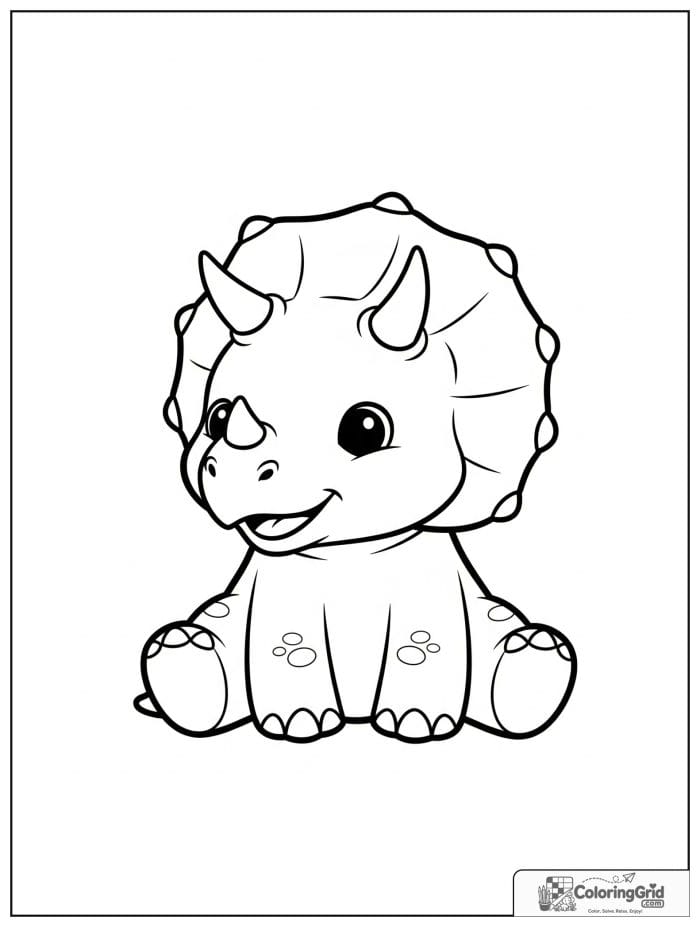
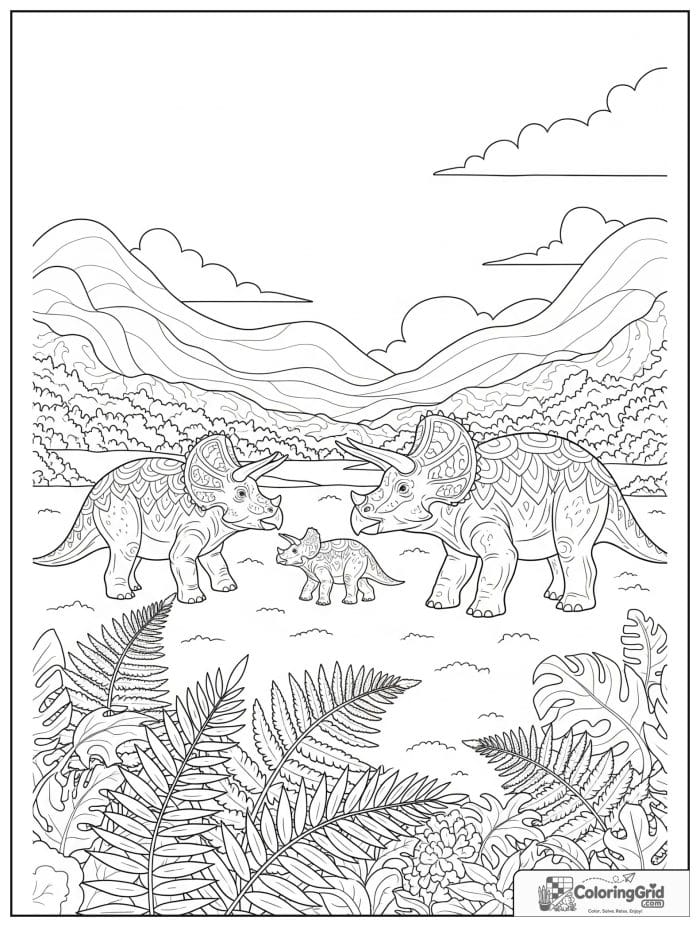
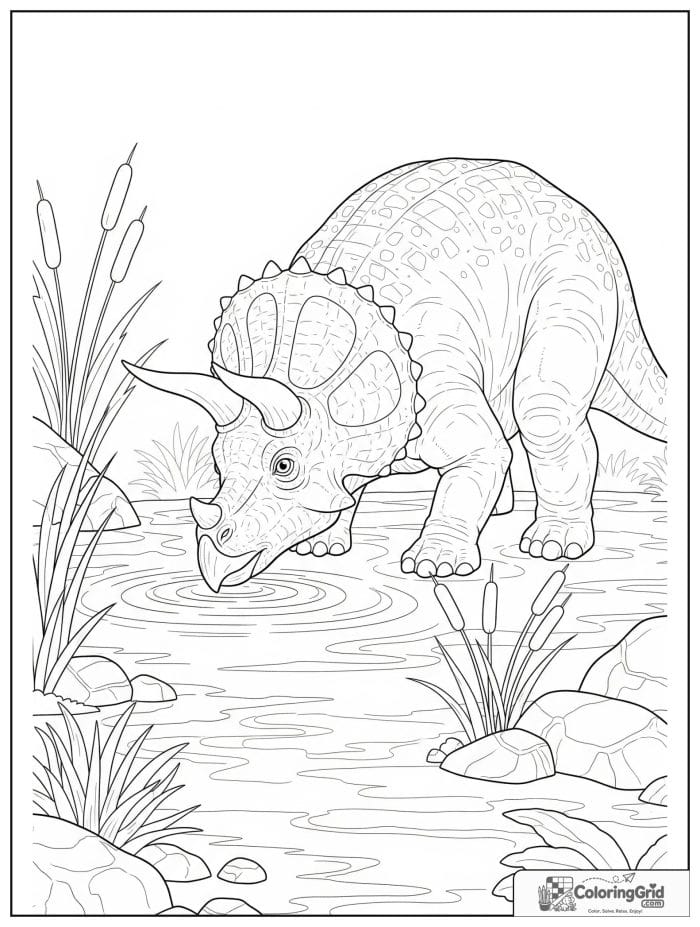
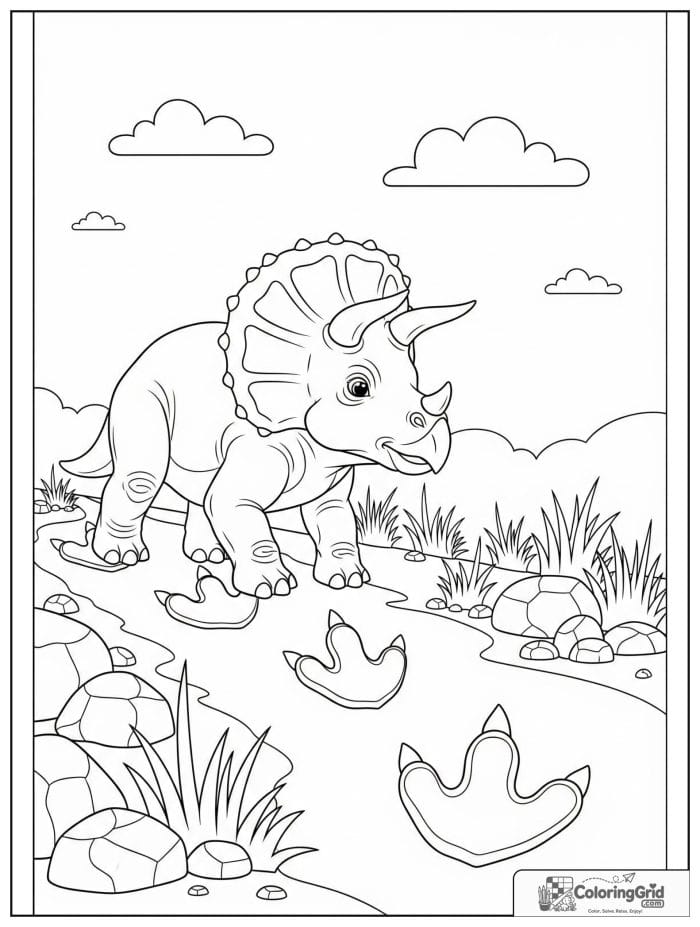
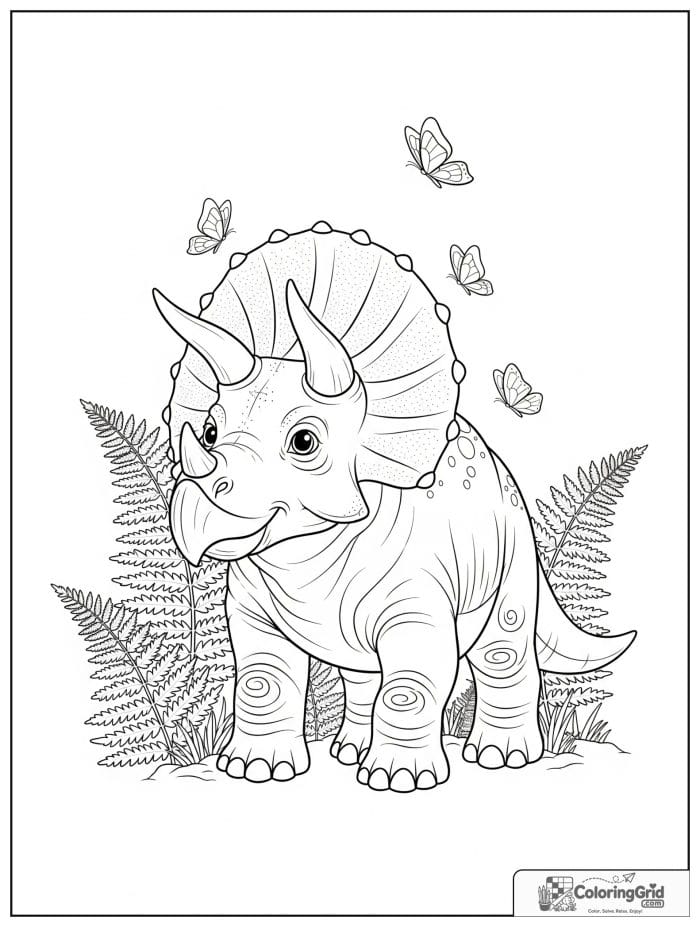
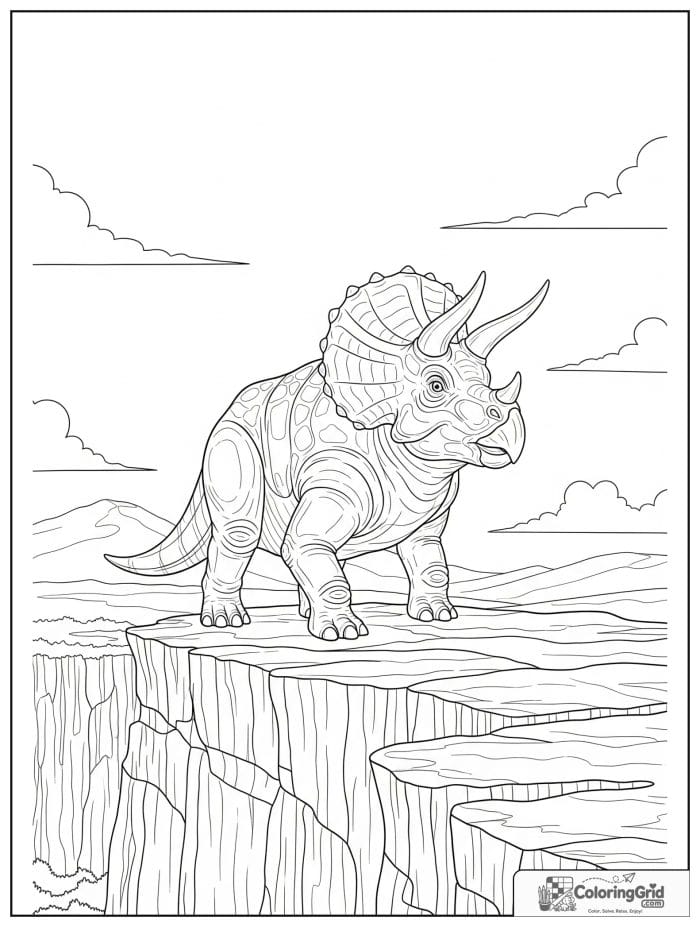
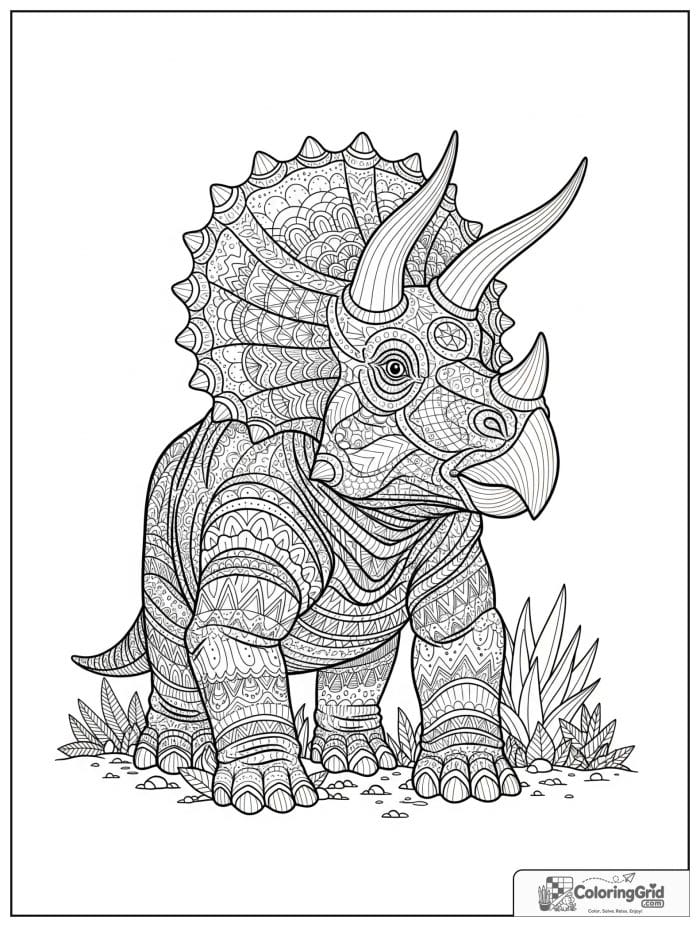
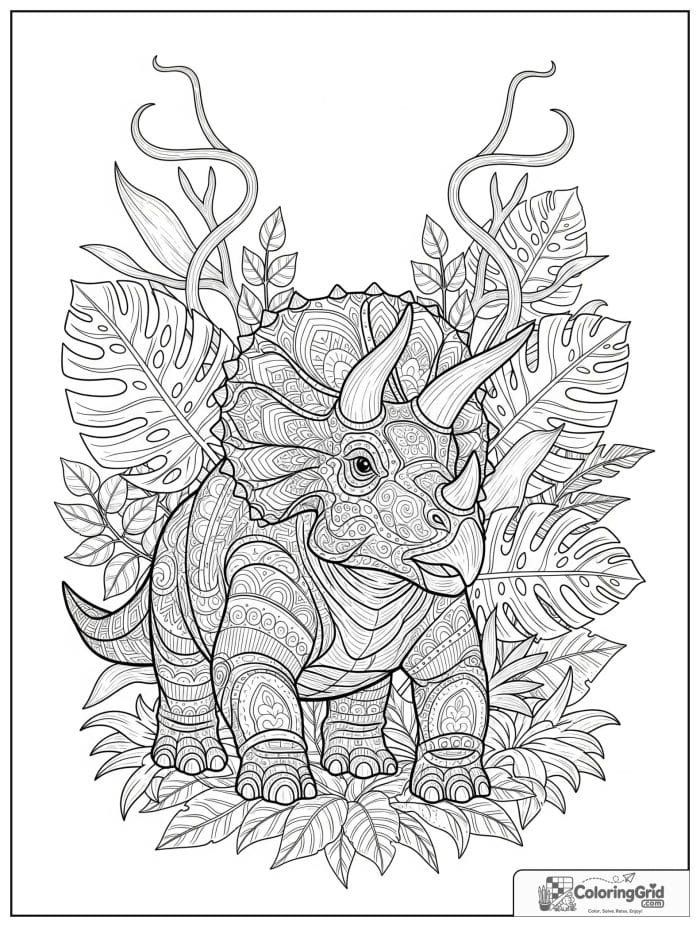
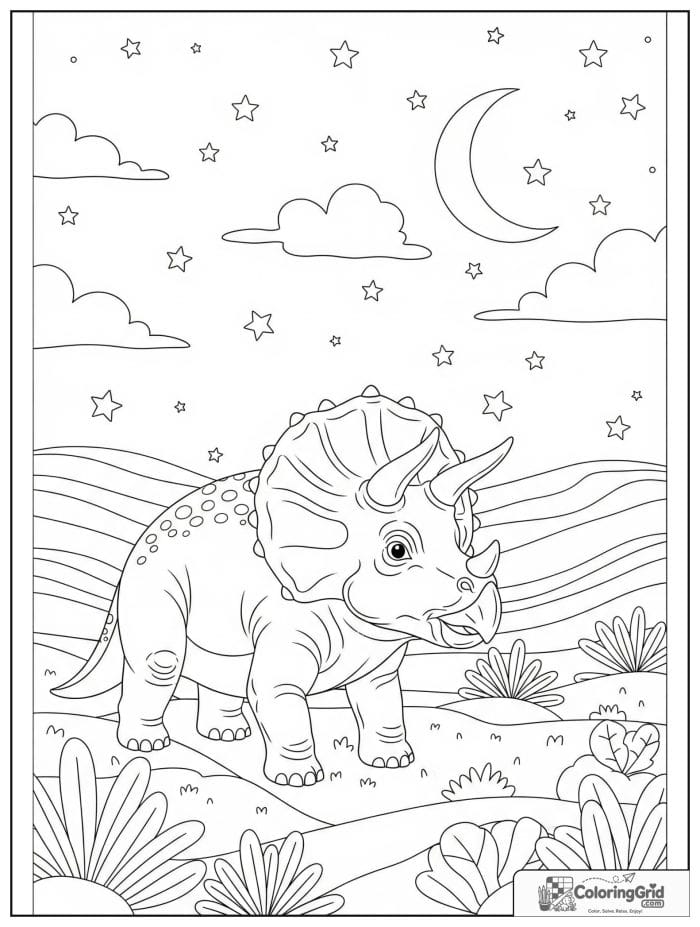
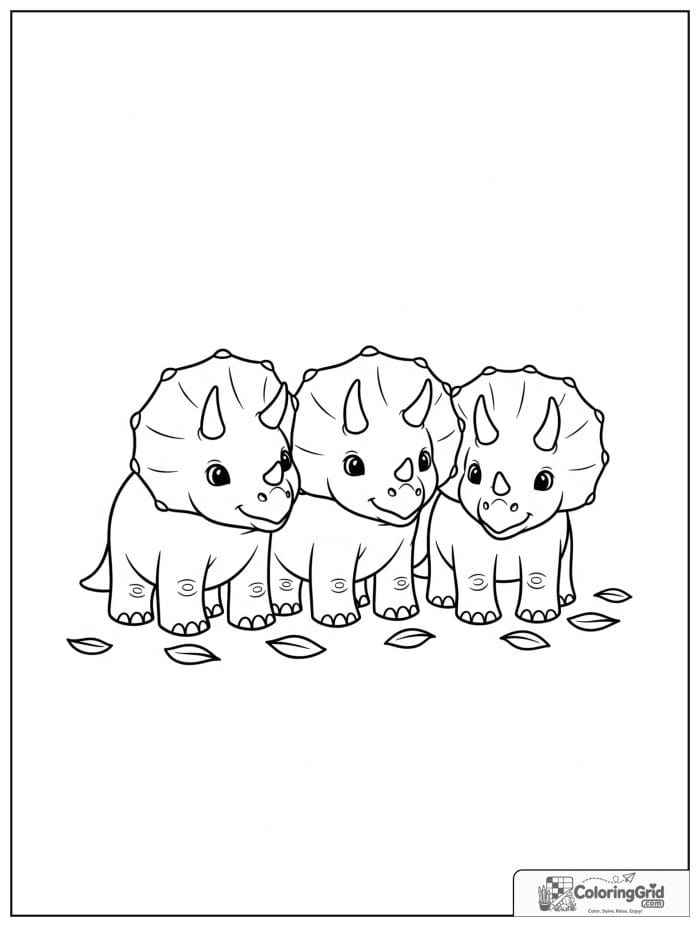
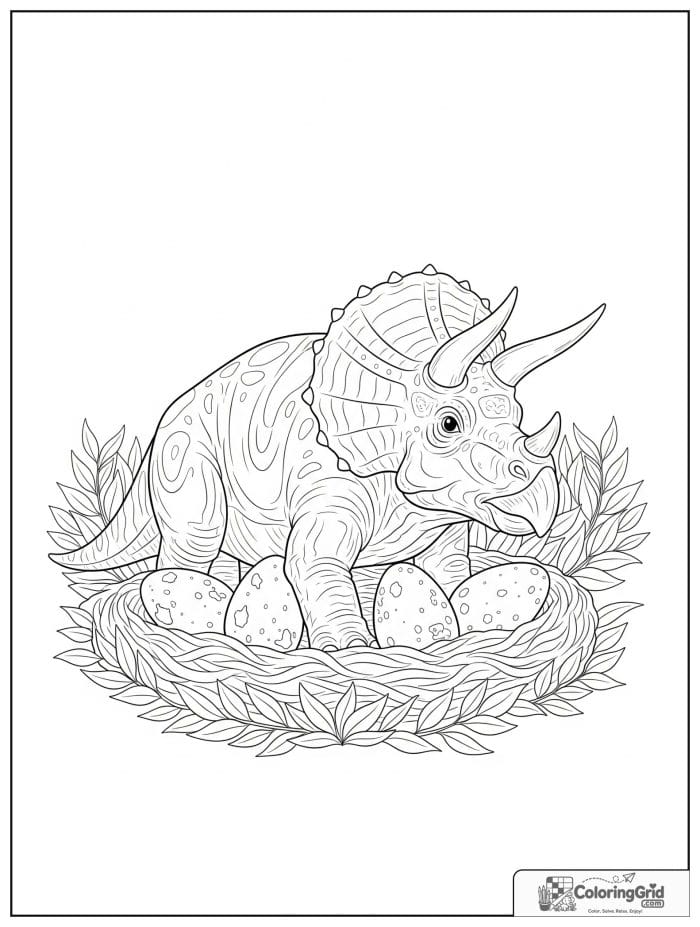
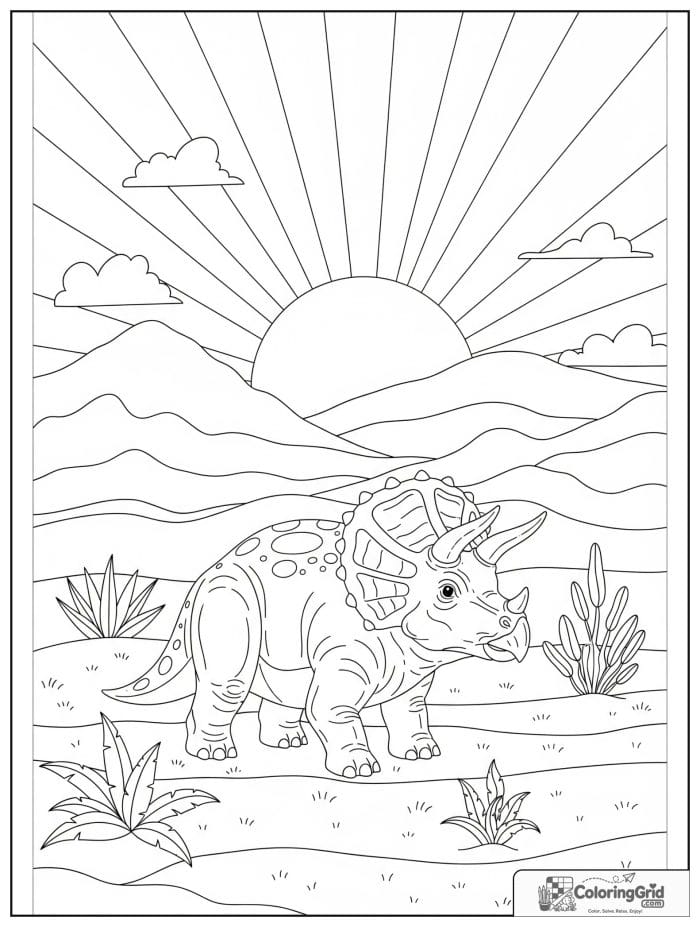
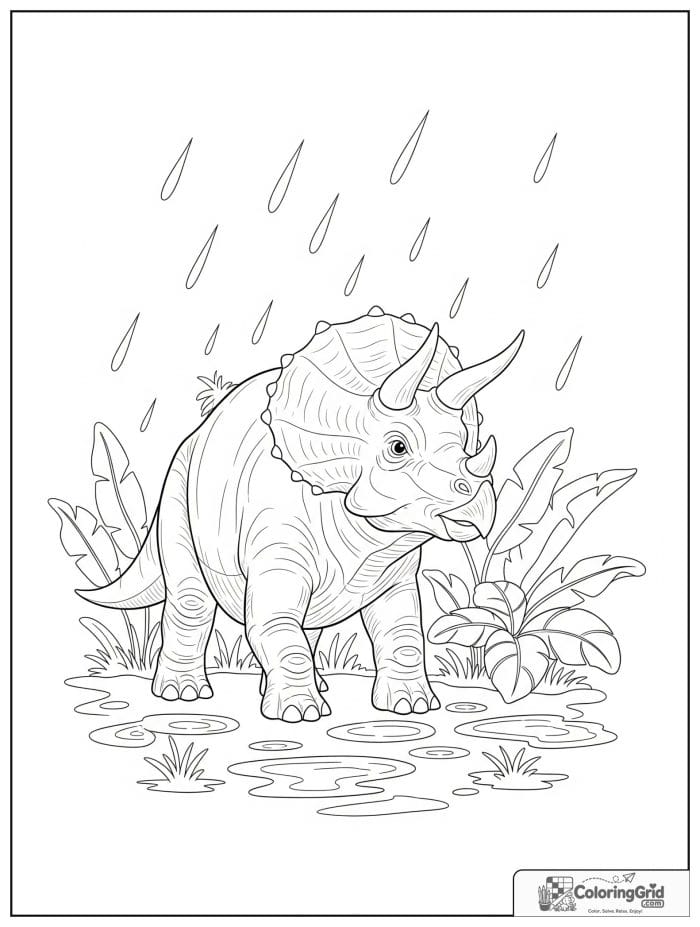
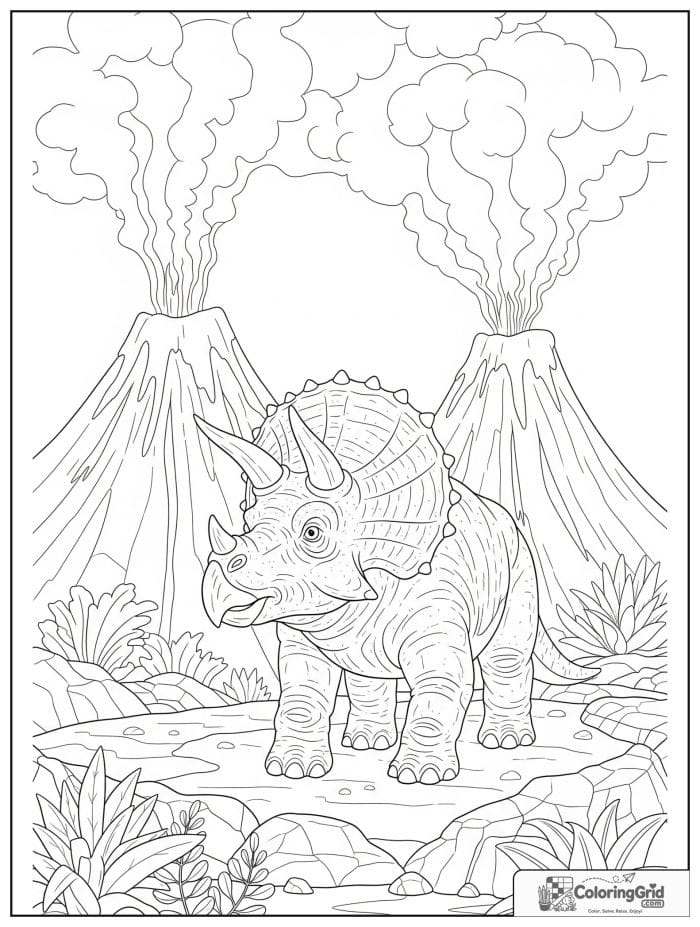
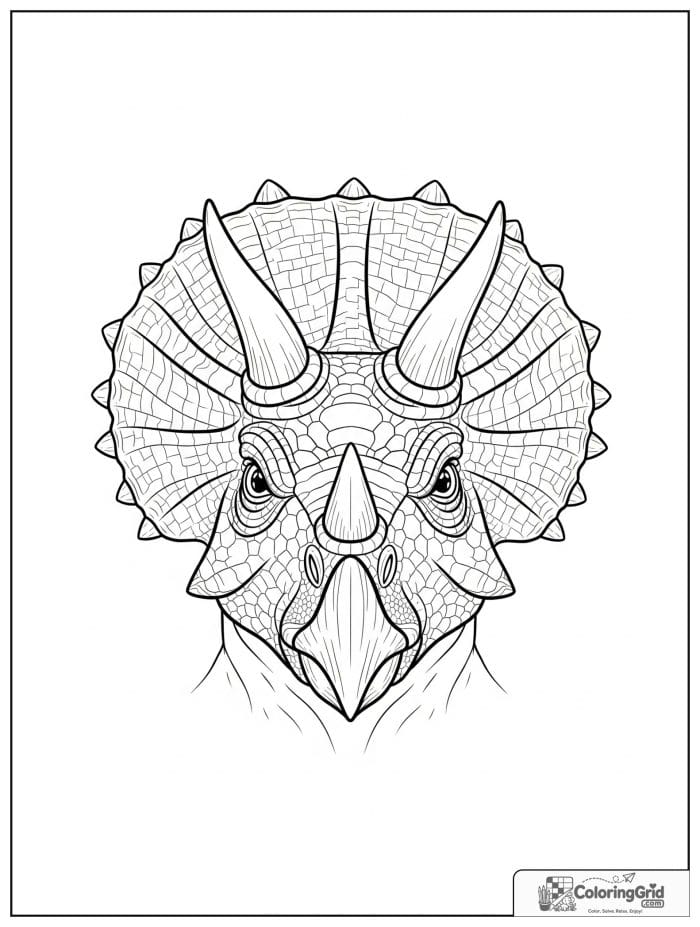
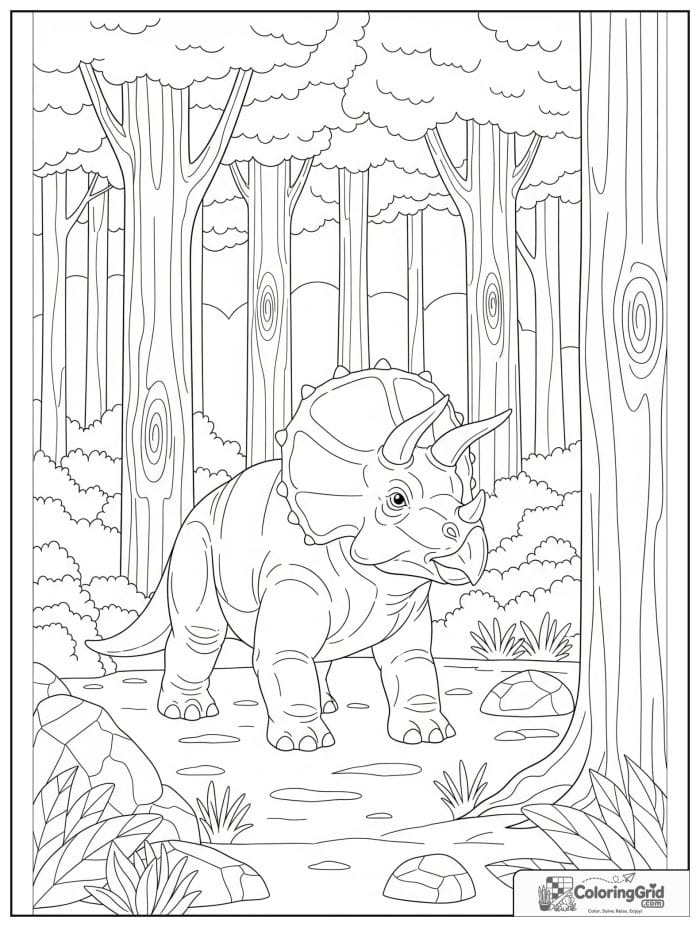
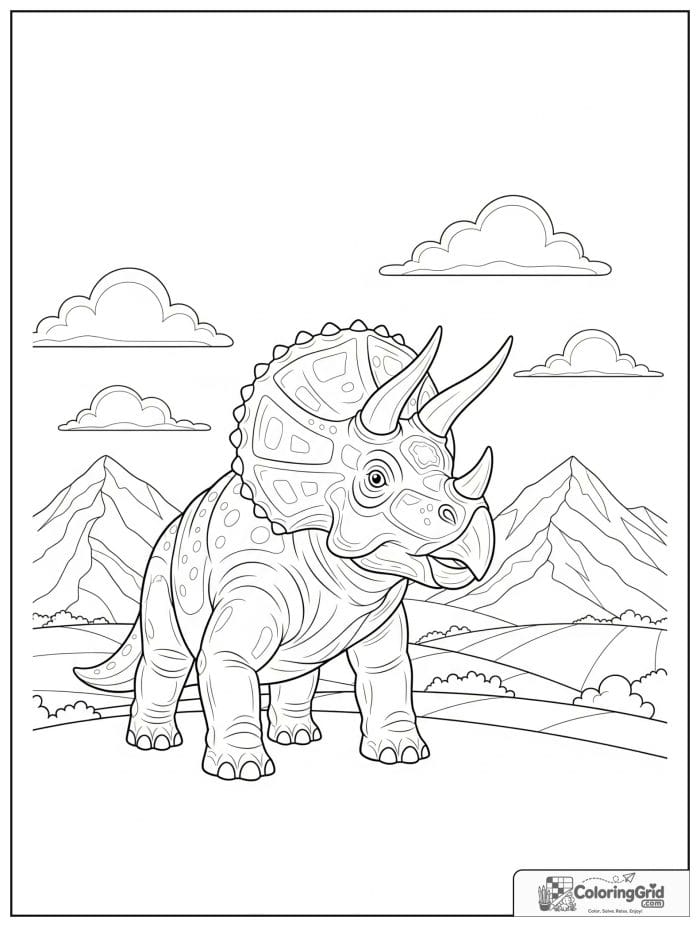
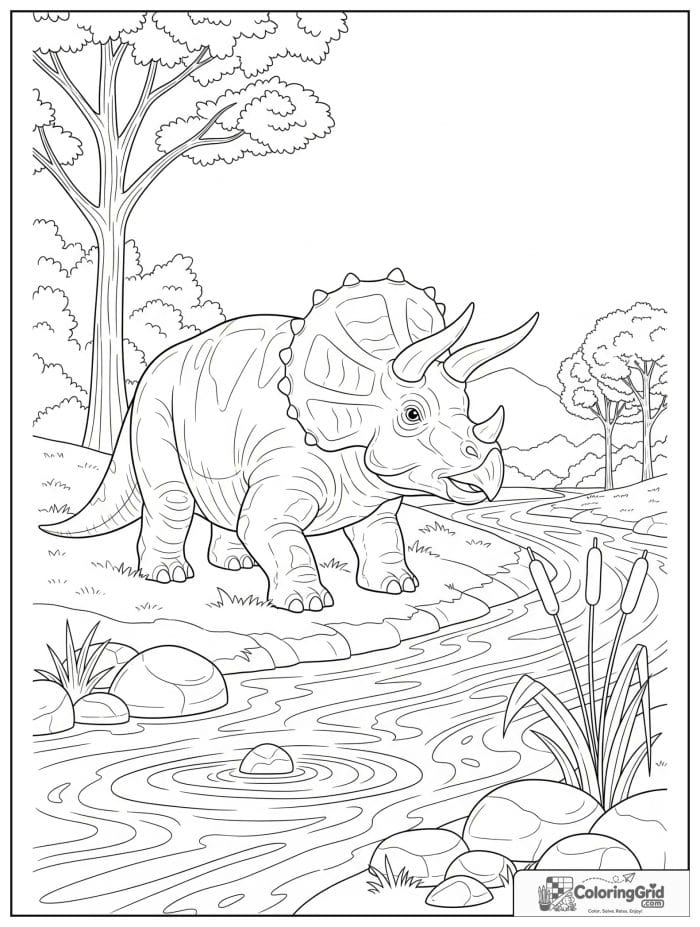
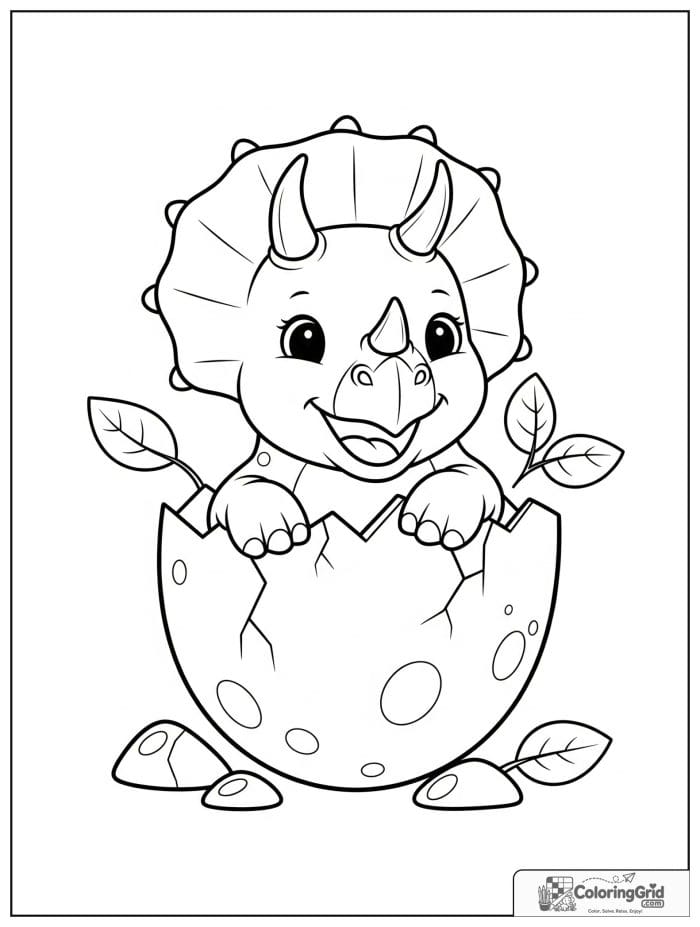
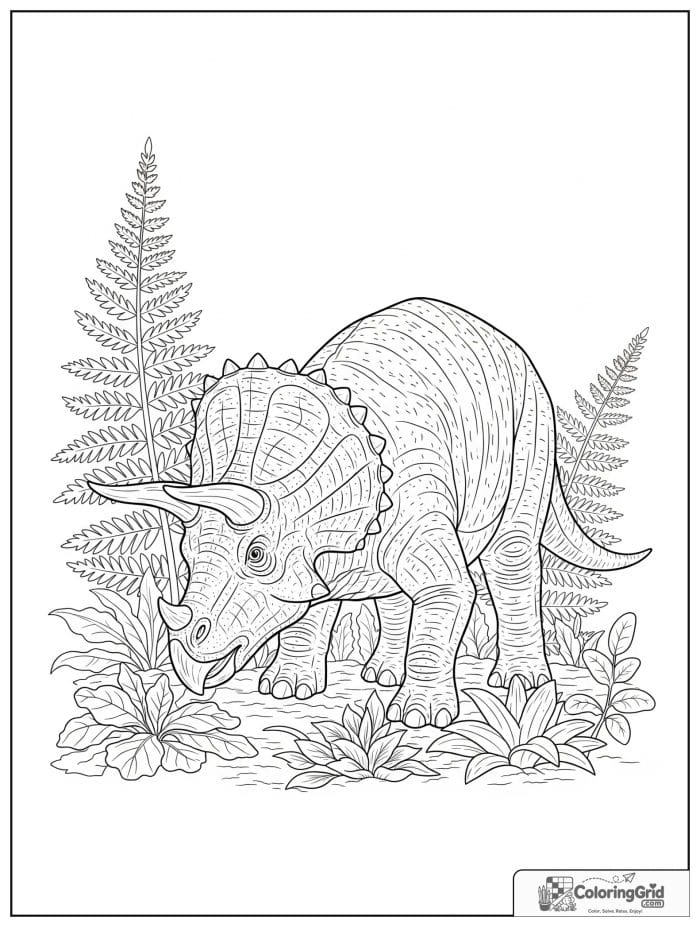
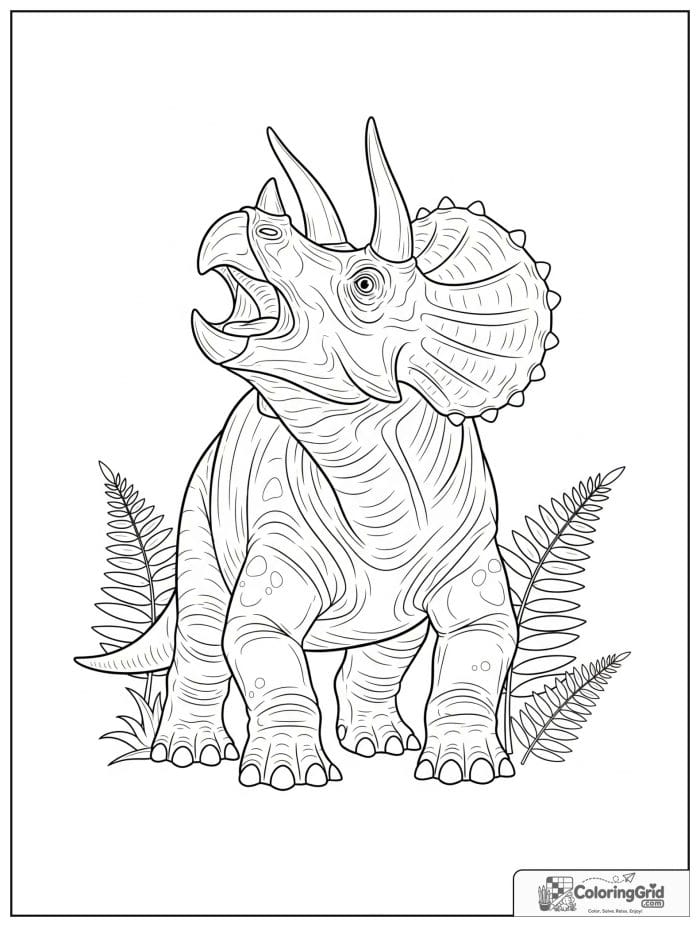
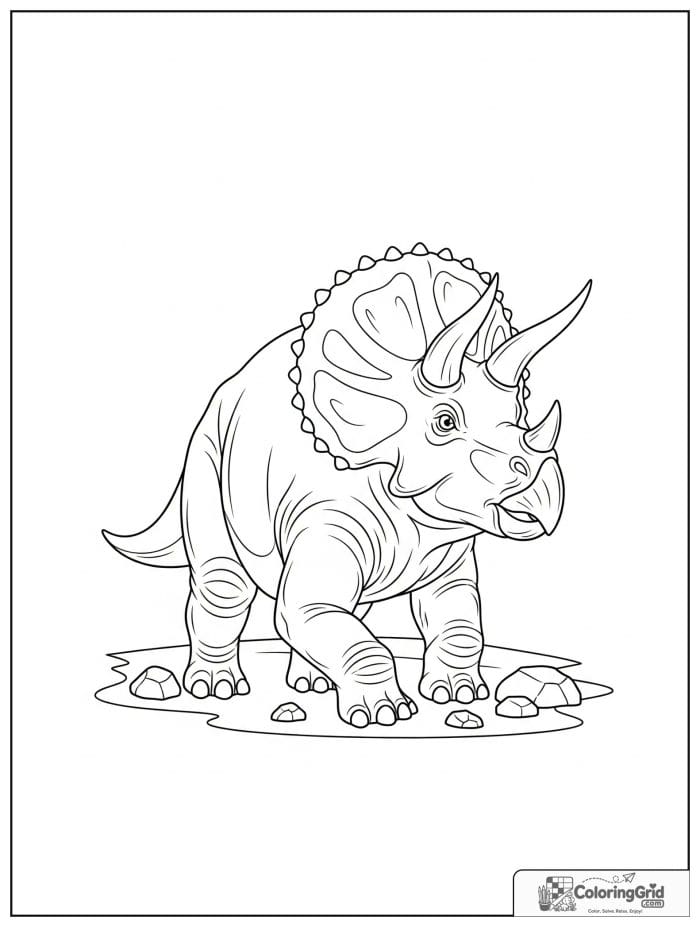
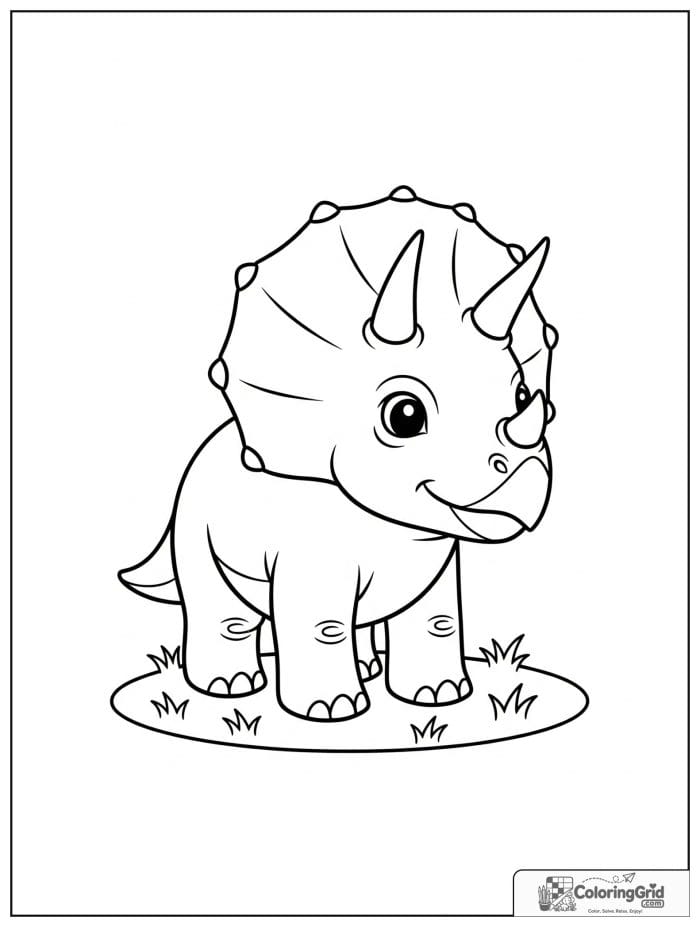
This Triceratops coloring pages gallery includes calm plant-eater scenes, younger dinosaur moments, prehistoric plants, horn and frill details, and simple backgrounds that are easy for children to finish. The pages are built for quick printing, clear coloring spaces, and classroom-friendly dinosaur activities.
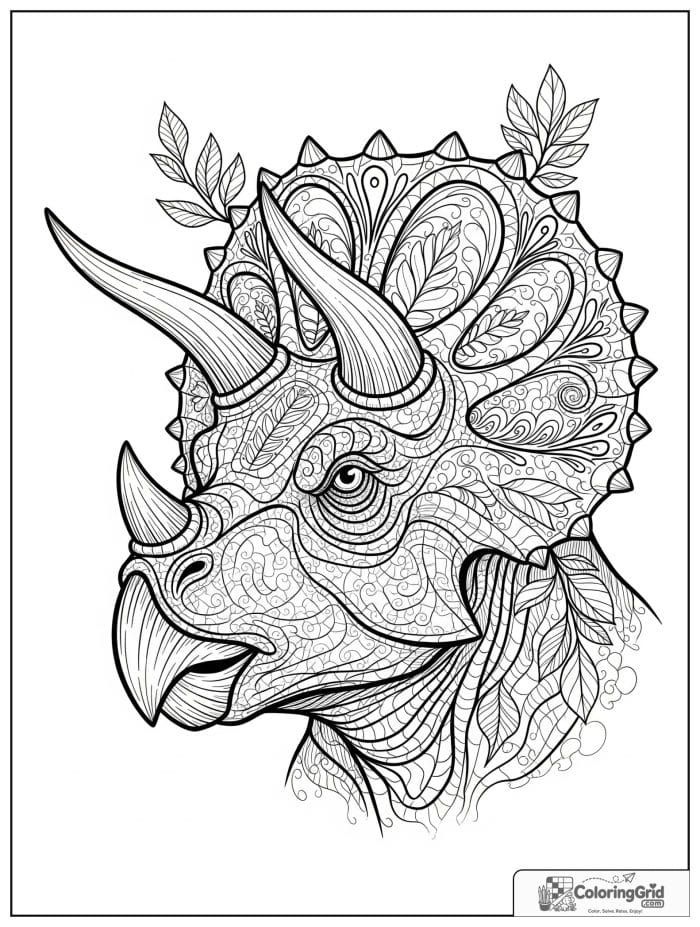
Start with one quiet Triceratops page for a short activity, or print several pages so kids can compare the scenes. A plant-filled page works well for younger children, while a close-up frill page gives older kids more room for patterns, shading, and careful color choices.
While you're here, explore these fun related coloring pages too!
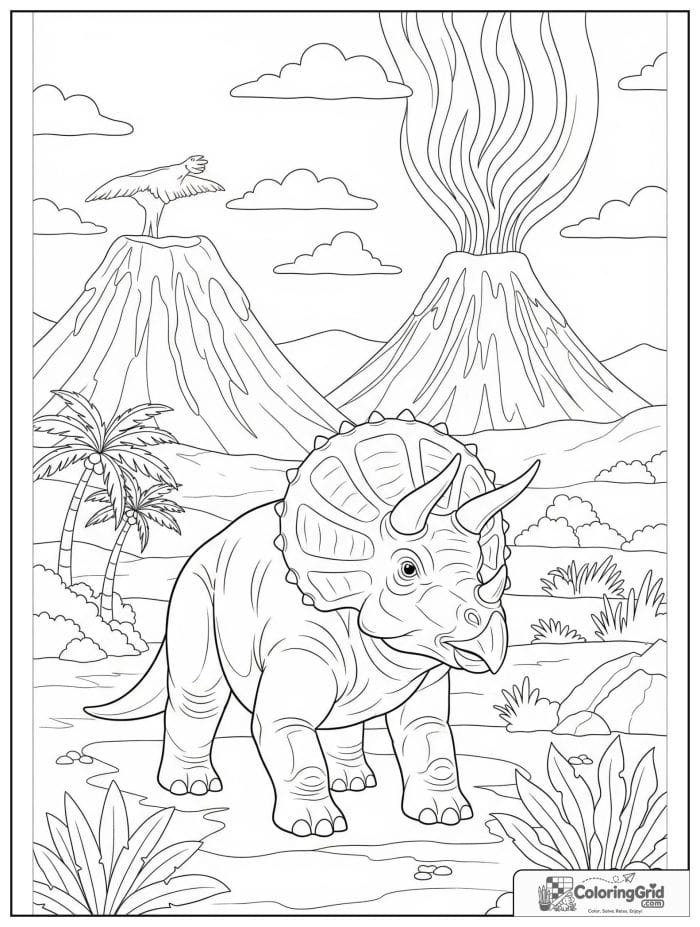
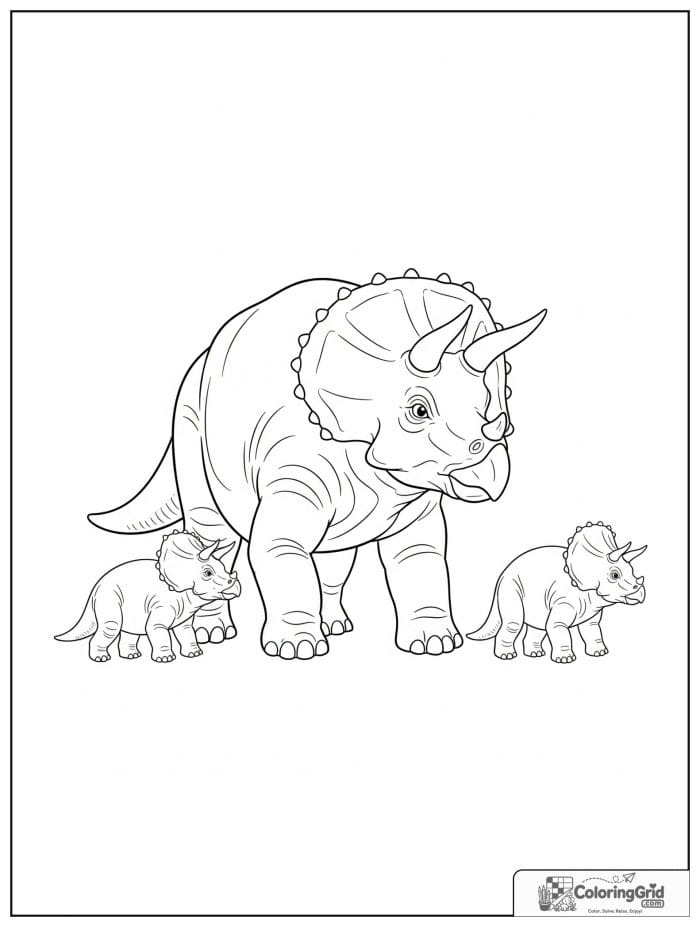
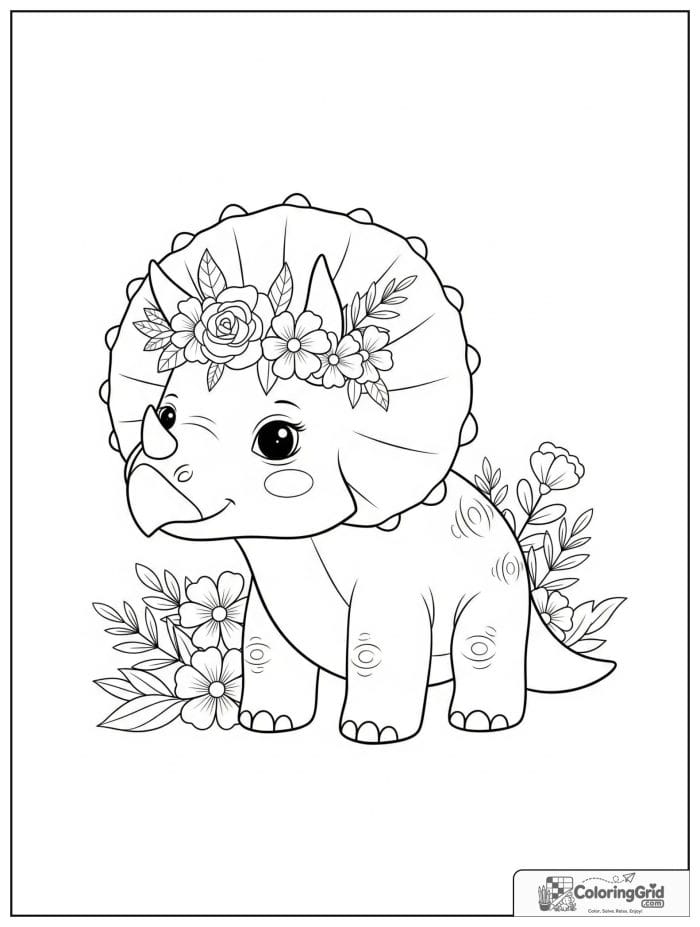
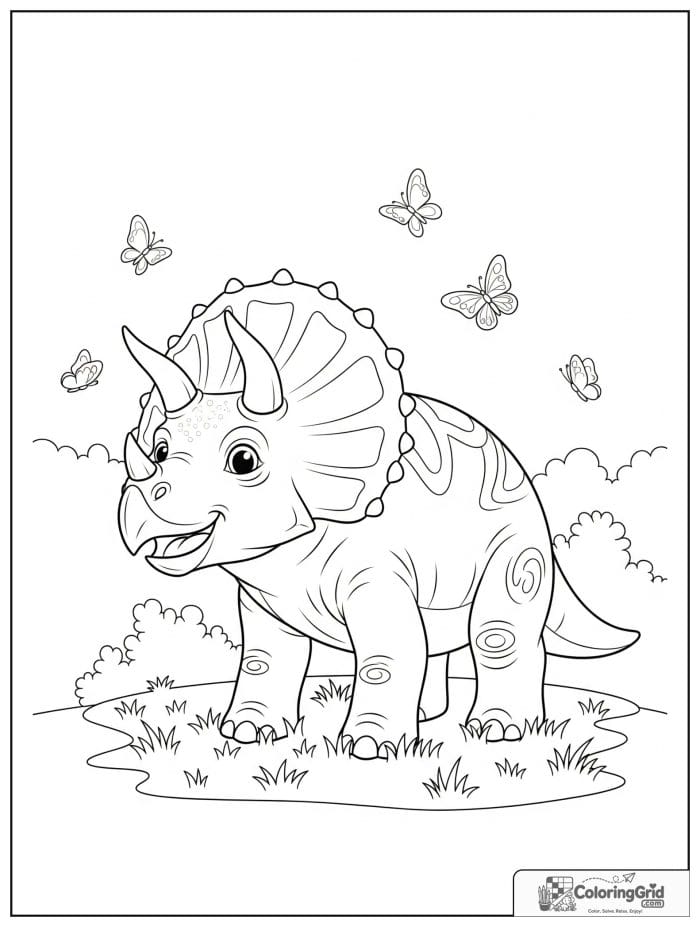
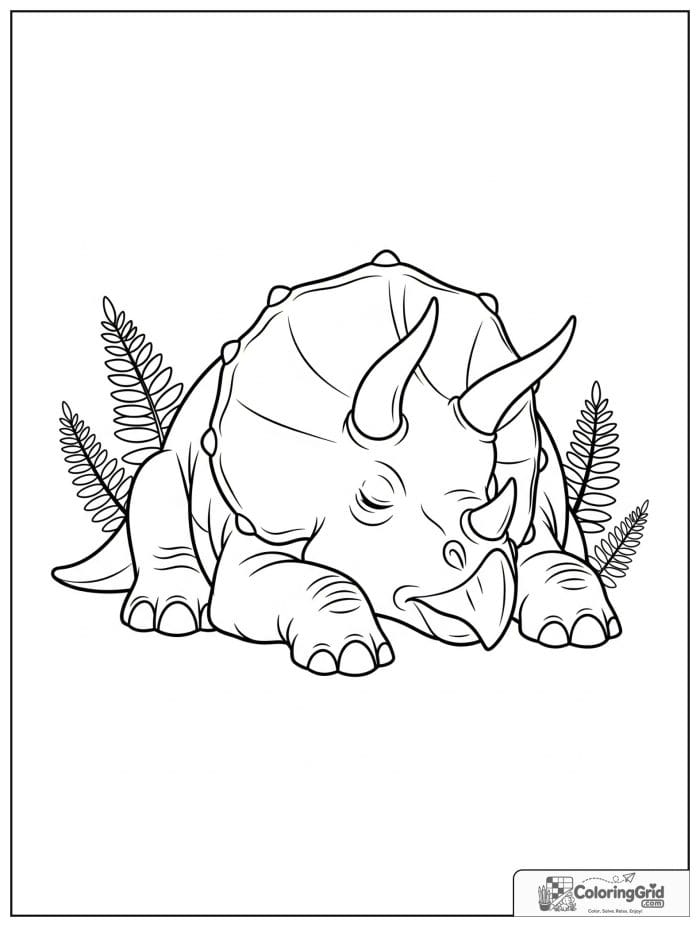
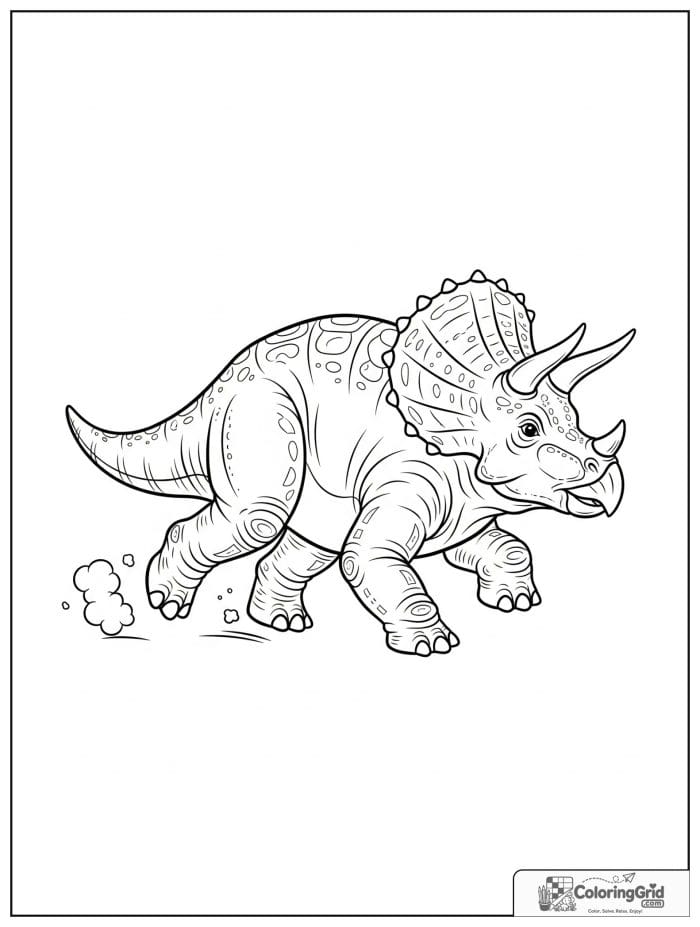
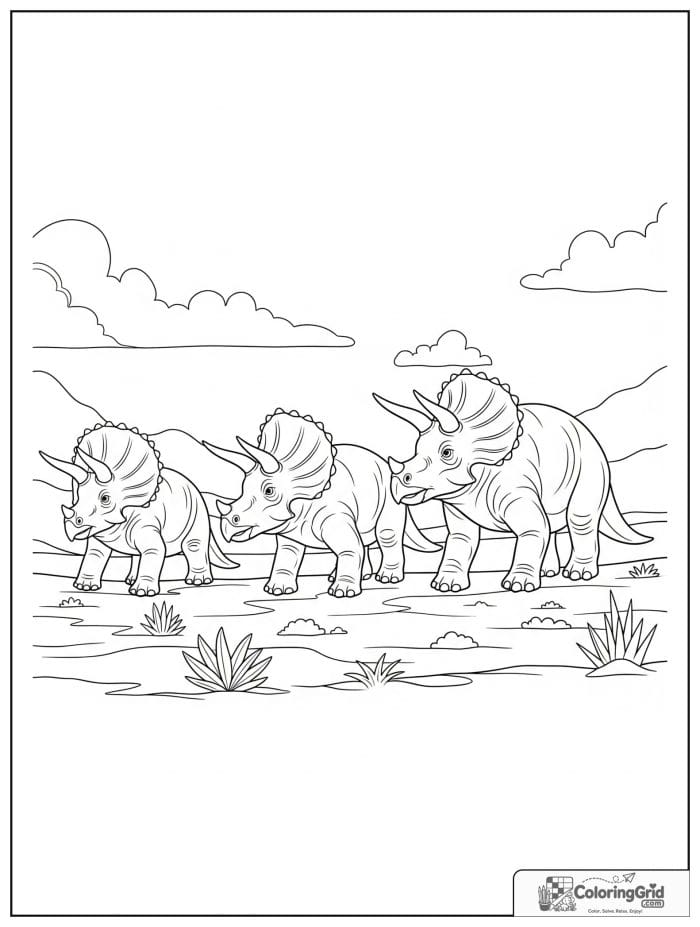
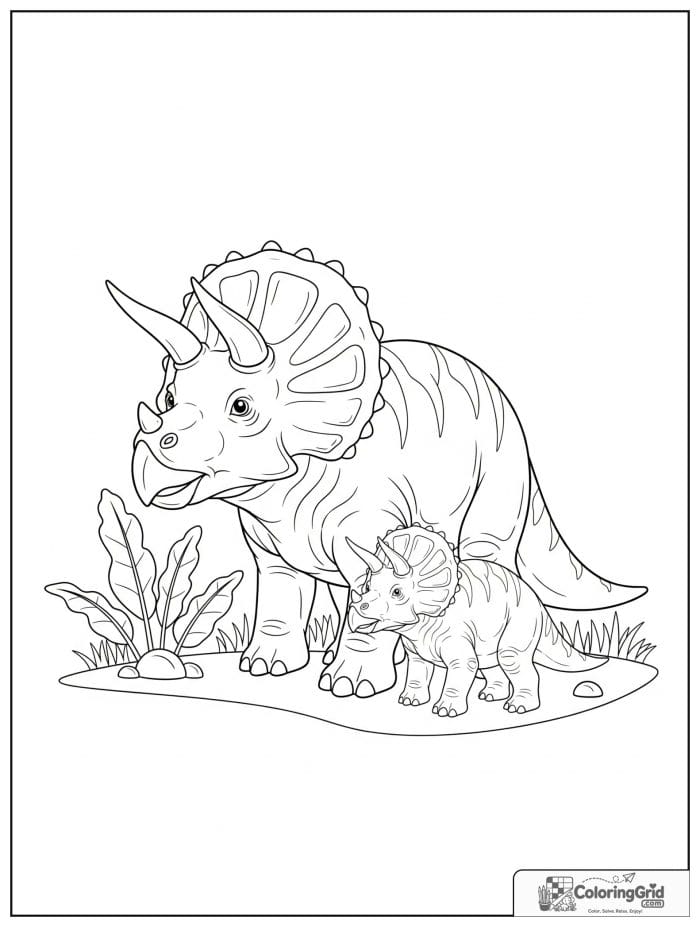
Why This Dinosaur Is Easier to Color
A Triceratops has clear parts that children can understand quickly: head, horns, frill, legs, tail, and body. That makes Triceratops coloring pages easier to explain than busy dinosaur scenes with several animals crossing each other.
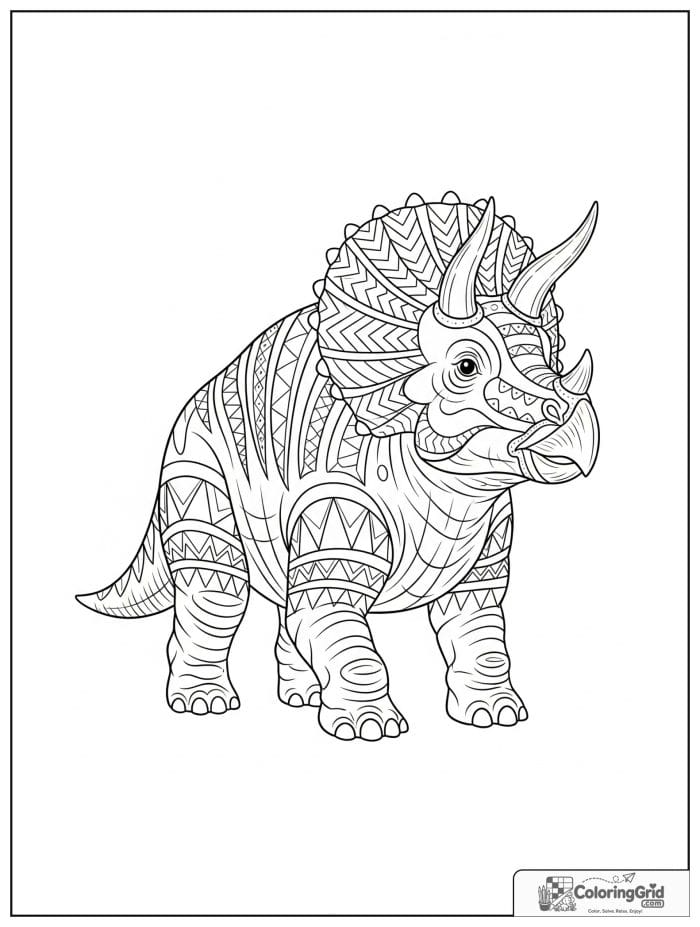
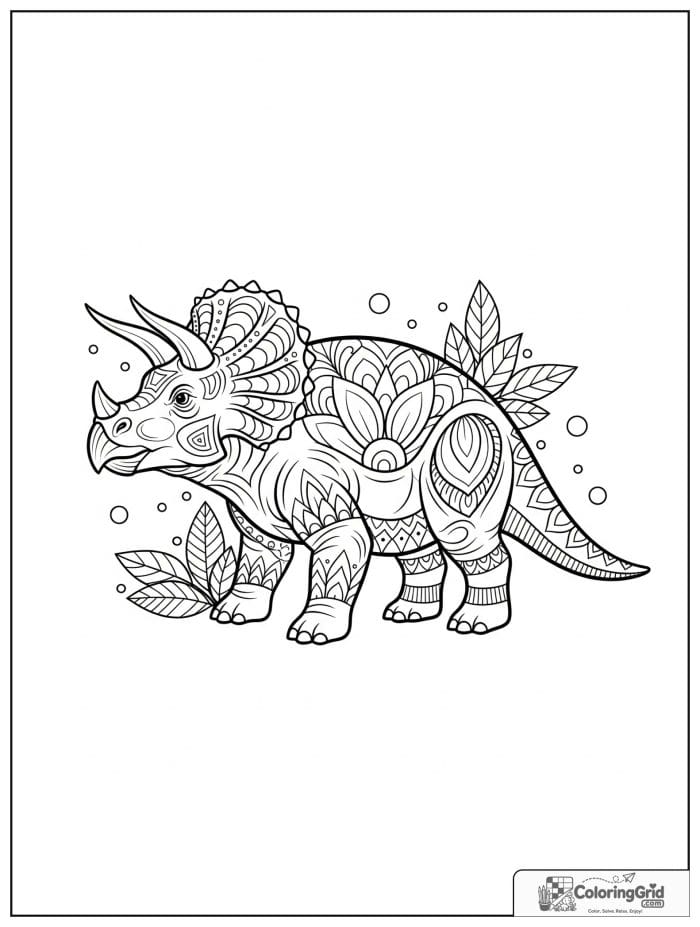
The large frill is especially useful. Kids can color it one solid color, add spots, draw stripes, or make a border pattern. The page still looks finished even when a child keeps the background simple.
Simple Color Choices That Work
Good colors for a Triceratops include gray, olive green, sandy brown, tan, muted orange, and dark green. The horns can stay cream or light gray, while the beak and toenails can be darker.
For a natural look, ask kids to choose two body colors: one for the back and one lighter color for the belly. For a more playful page, let them decorate the frill with dots, bands, or a rainbow edge.
Home Activity Ideas
At home, Triceratops coloring pages work well for a slower dinosaur activity. They are less intense than predator pages, so they fit quiet time, a rainy afternoon, or a small table activity while dinner is being made.
After coloring, ask one practical question: “What is the Triceratops eating?” Children can draw extra leaves, flowers, tree branches, or ground plants around the dinosaur. That keeps the activity open-ended without needing another worksheet.
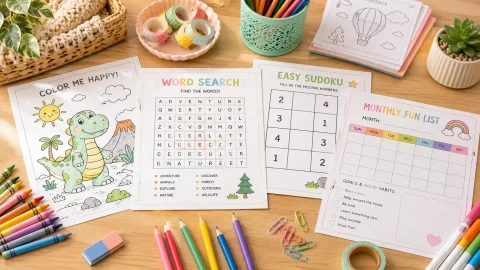
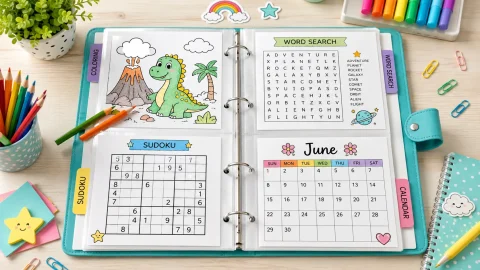
For more printable planning ideas, the site guide on building a printable activity binder can help parents group coloring pages with puzzles and simple, quiet activities.
Classroom Use Without Extra Prep
Teachers can use Triceratops coloring pages during a dinosaur unit, fossil discussion, herbivore lesson, morning work, or early finisher time. The page can stand alone, but it also pairs well with a short sentence prompt.
Try a simple classroom direction: color the Triceratops Coloring Pages, circle the horns, and write one fact or observation under the page. This keeps the task manageable for younger students while still connecting coloring to science vocabulary.
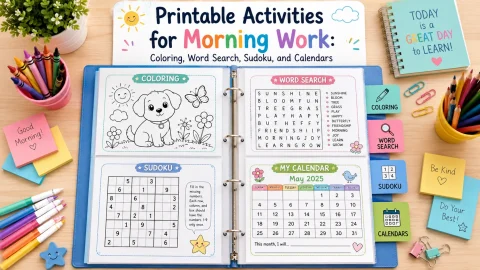
For classroom routines, the published post on printable activities for morning work is a natural companion because it focuses on low-prep pages teachers can reuse.
Small Learning Add-Ons
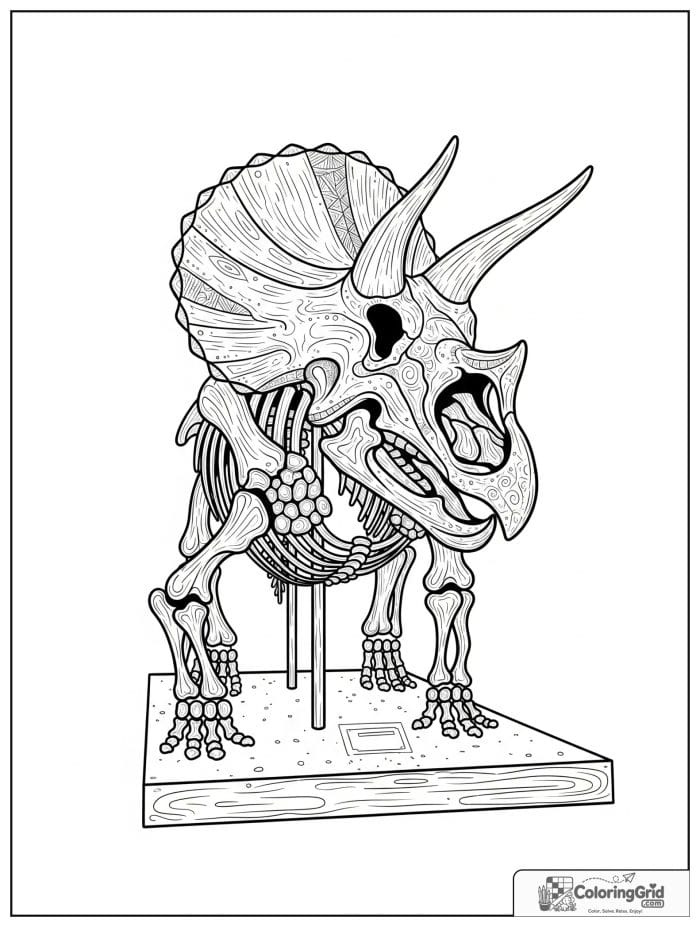
A Triceratops Coloring Pages can support quick learning without becoming a full lesson. Ask kids to label the horn, frill, beak, tail, and feet. They can also draw leaves near the mouth to show that Triceratops was a plant-eater.
For kid-friendly background reading, the American Museum of Natural History has a useful dinosaur facts page that teachers and parents can use before a coloring activity.
For a broader fossil and dinosaur reference, the Smithsonian page on The Last American Dinosaurs is a strong authority link for the prehistoric setting.
Triceratops Coloring Pages FAQ
Are Triceratops coloring pages good for young kids?
Yes. The body shape is clear, and the horns and frill are easy for young children to recognize.
What should kids color first on Triceratops Coloring Pages?
Start with the body, then color the frill, horns, plants, and ground details.
Can these pages support a herbivore lesson?
Yes. Add leaves, ferns, or tree branches and talk about plant-eating dinosaurs.
What grade level fits best?
Preschool through grade 3 is the best range, depending on how detailed the printable is.
How can teachers add writing?
Ask students to write one sentence about where the Triceratops is or what it is eating.