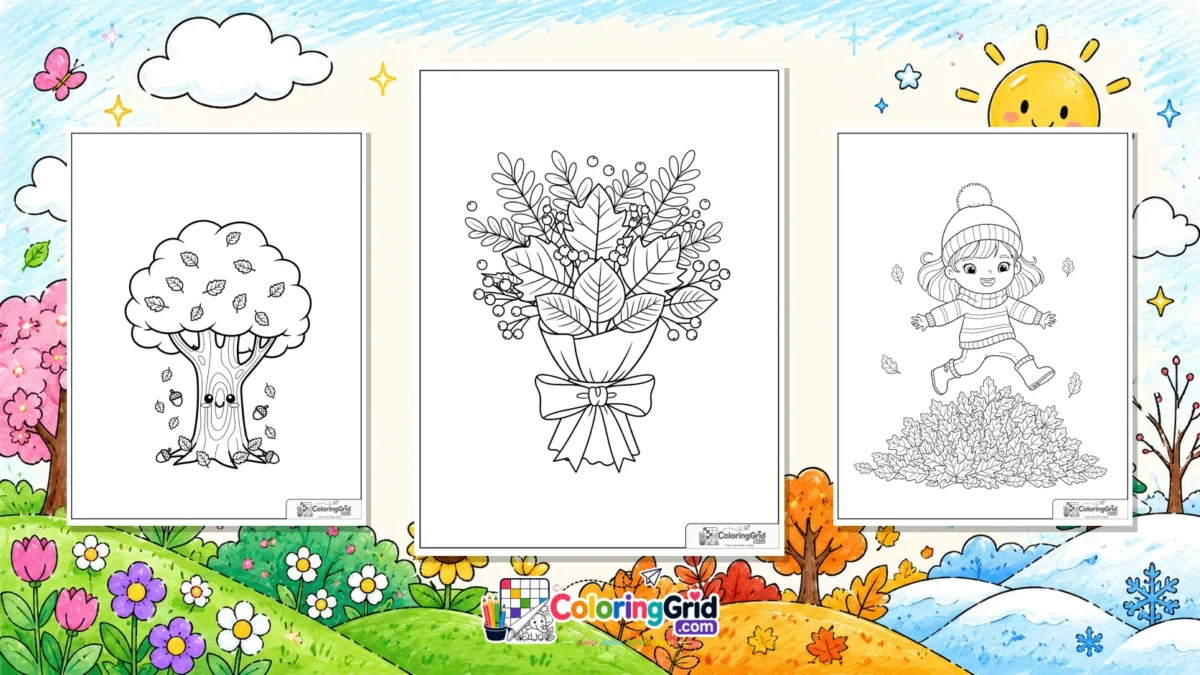
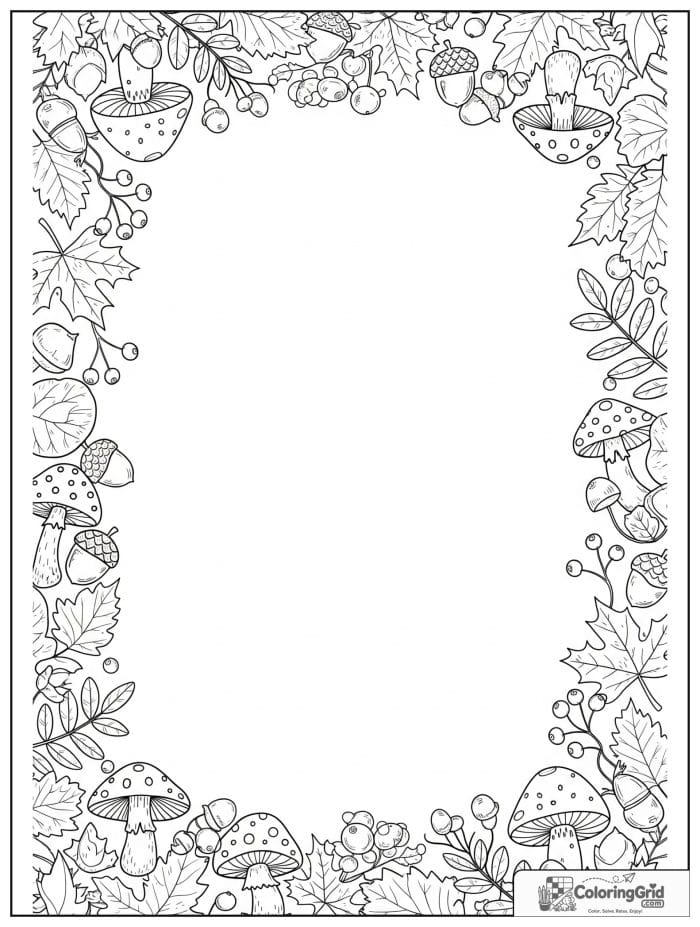
Explore 41 autumn leaves coloring pages built around leaf borders, bouquets, trees, garlands, baskets, woodland animals, sweaters and single maple-leaf designs. Unlike the general fall collection, these sheets keep leaves as the main visual idea, making them useful for comparing shapes, planning repeated colors or extending a nature walk.
What's Inside
- On this page
- Browse 41 autumn leaves coloring pages
- Jump to Free PDF & JPG Downloads
- Compare shapes in autumn leaves coloring pages
- Use color groups on autumn leaves coloring pages
- Pair autumn leaves coloring pages with outdoor observation
- Turn repeated leaves into a pattern exercise
- Print borders without clipping them
On this page
Browse 41 autumn leaves coloring pages
Use the individual PDF or JPG control beside your chosen page. Start with a bold maple leaf or a small bouquet for a shorter activity. Choose the detailed border, patterned sweater, wreath or leaf-filled path when you want repeated shapes and smaller spaces.
While you're here, explore these fun related coloring pages too!
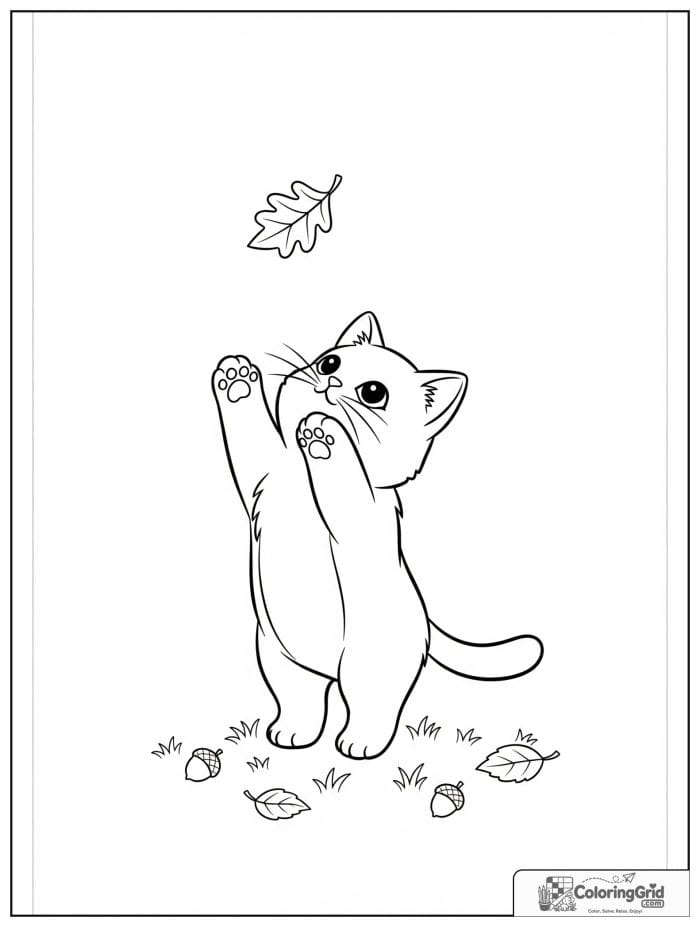
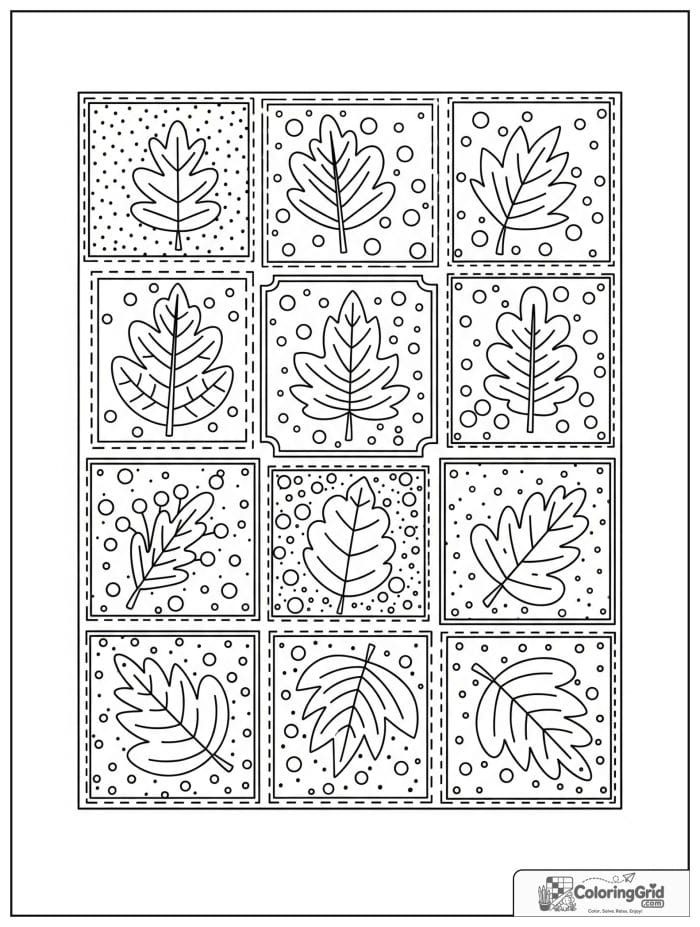
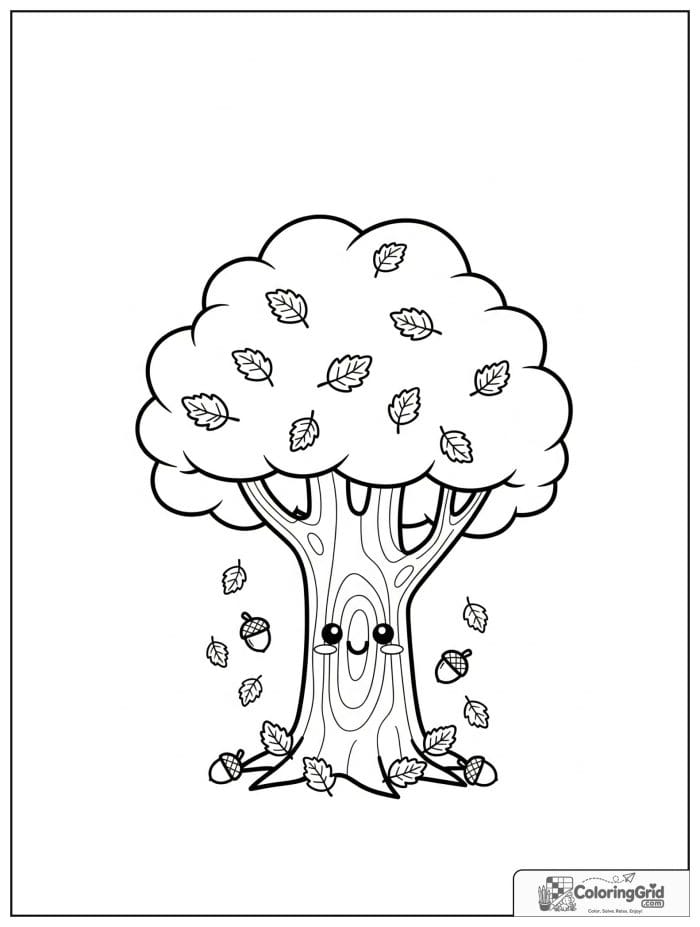
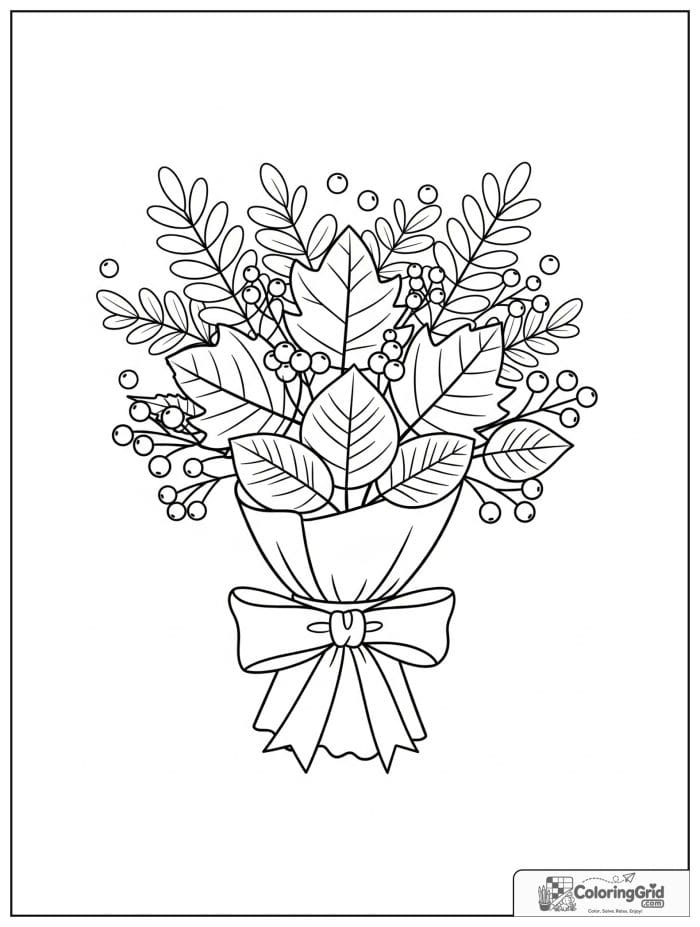
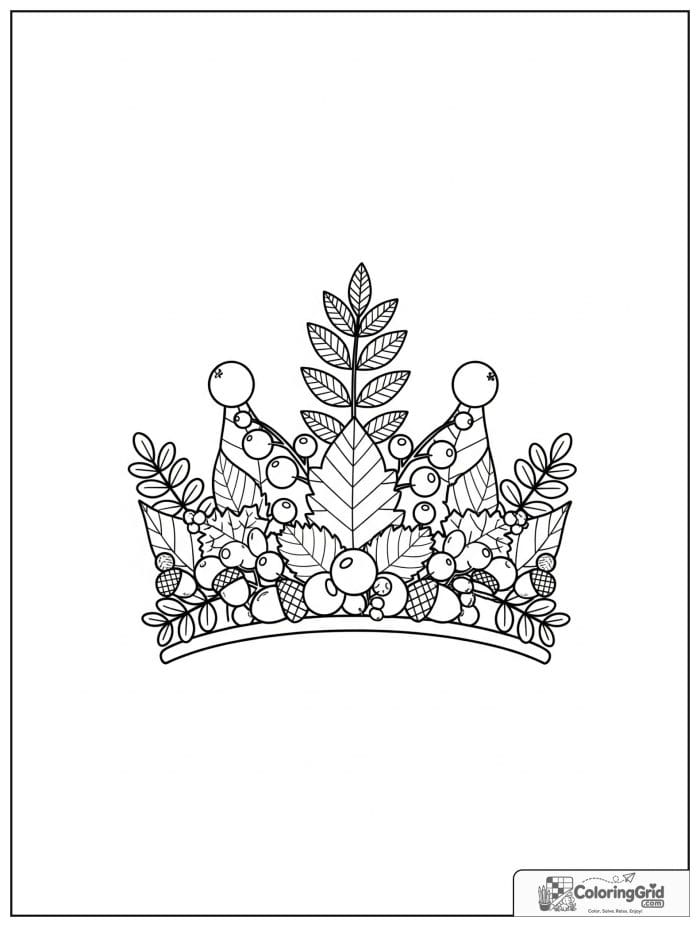
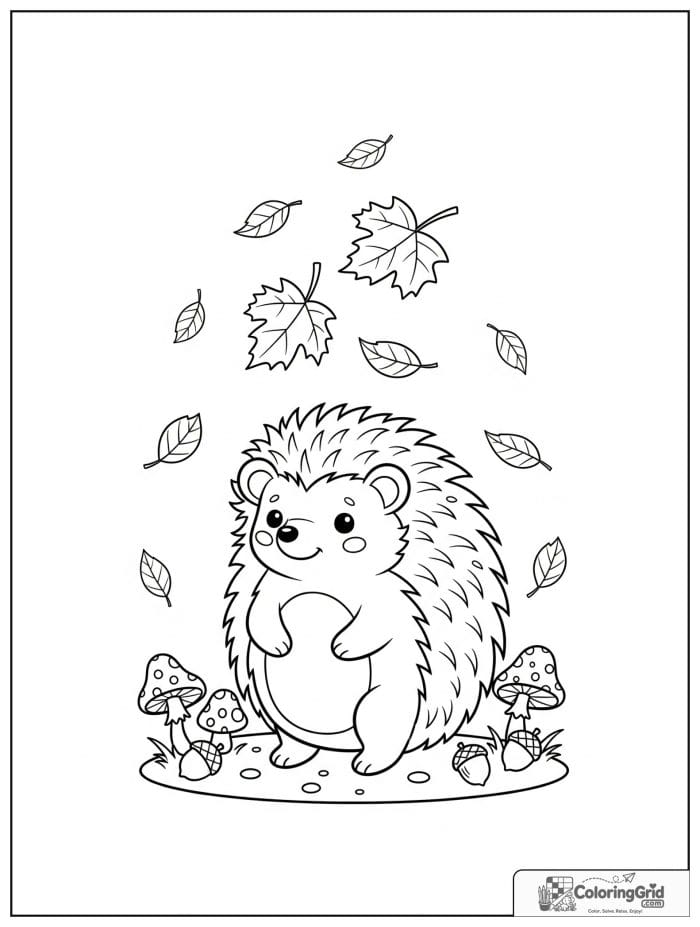
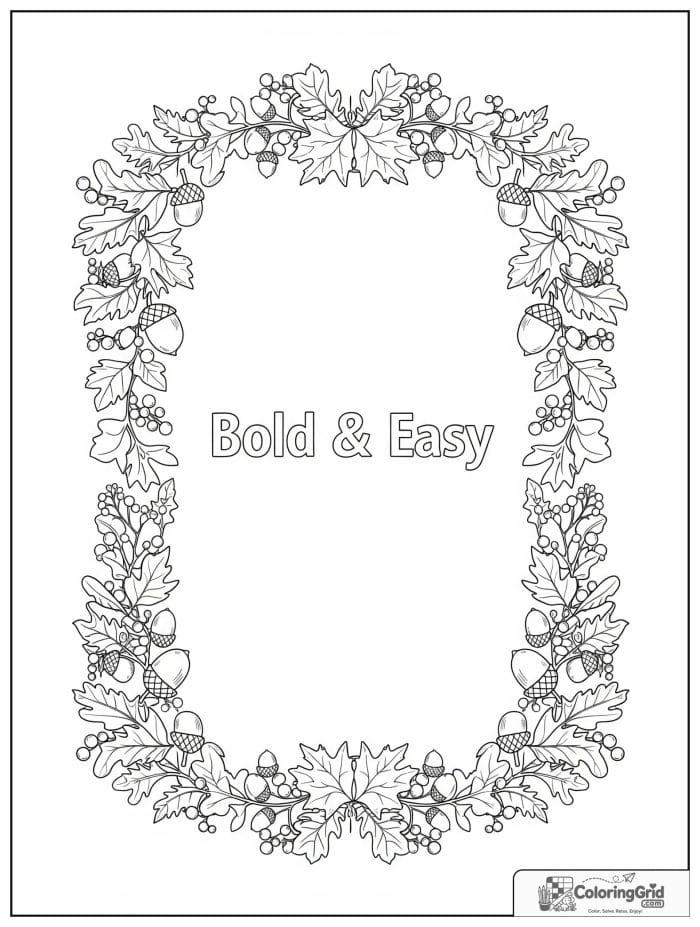
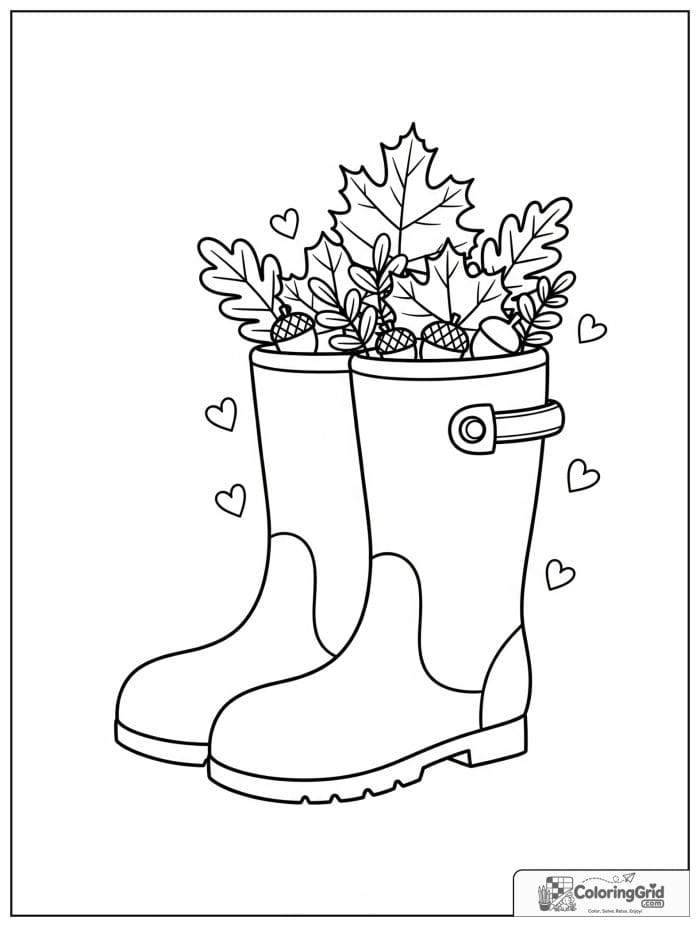
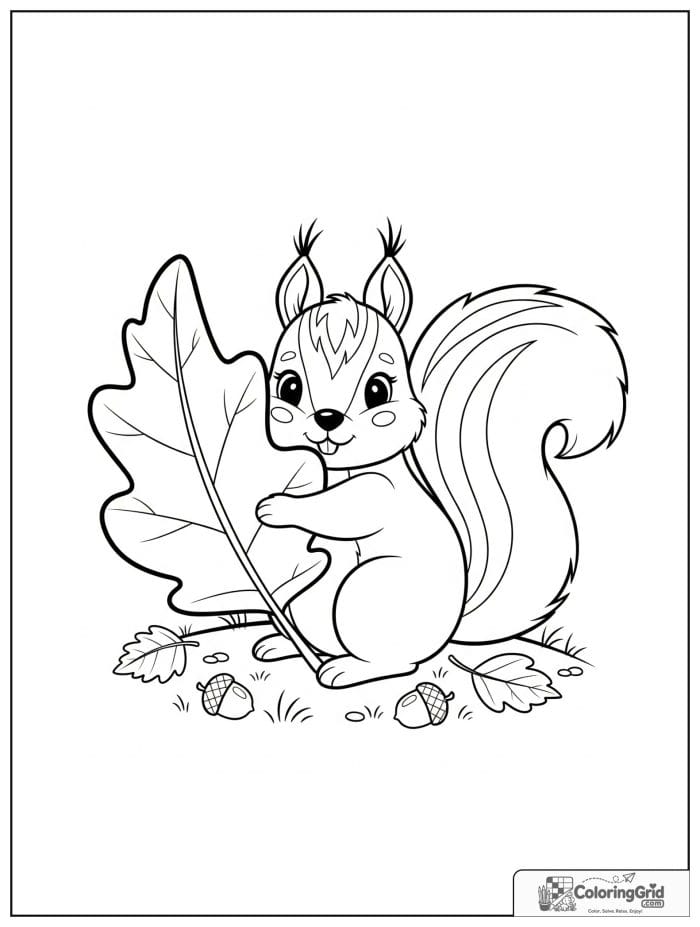
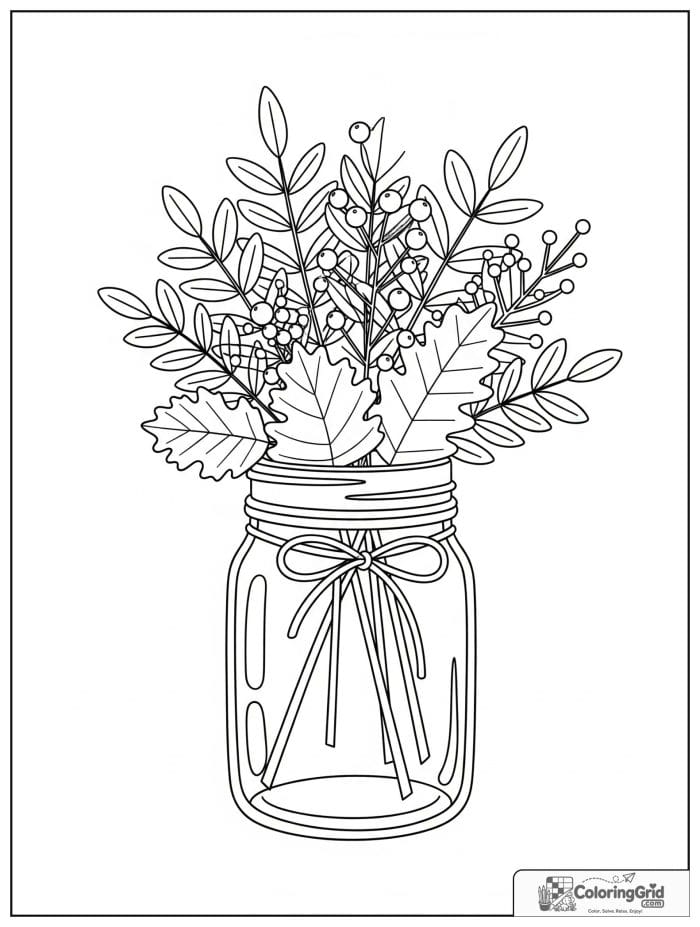
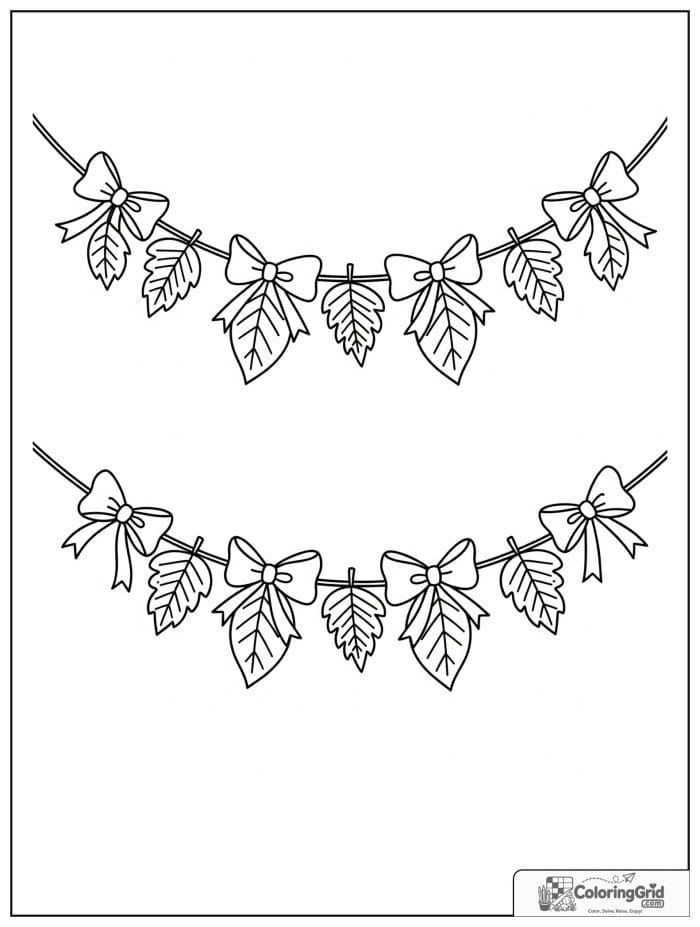
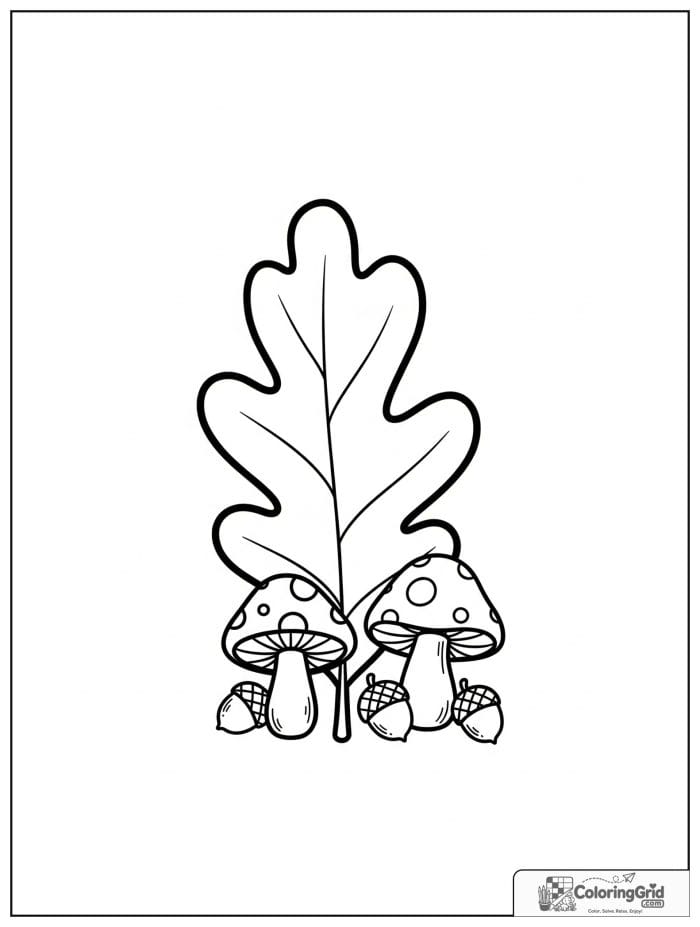
Compare shapes in autumn leaves coloring pages
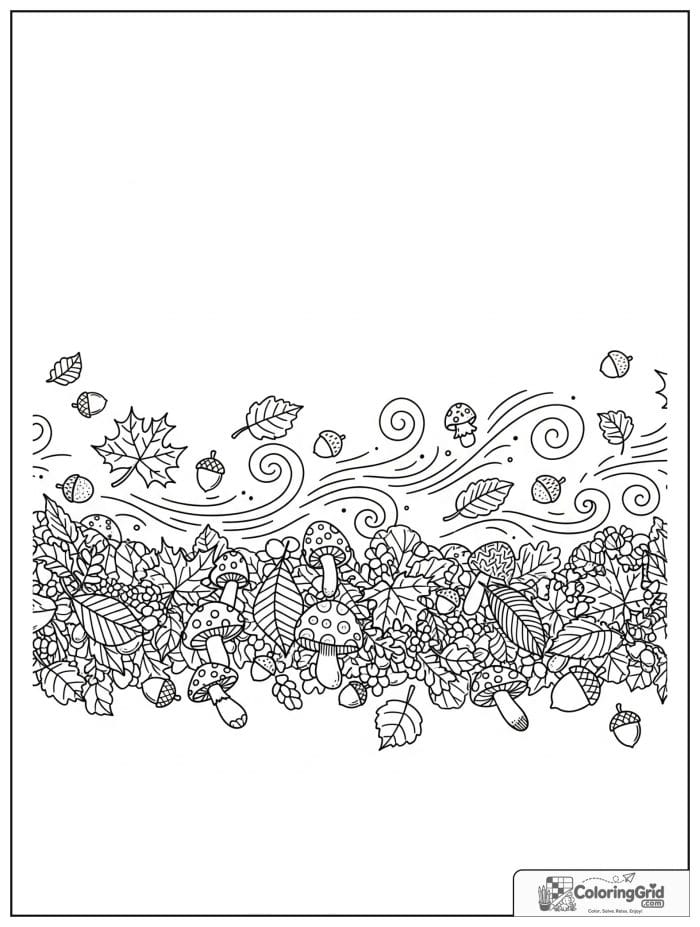
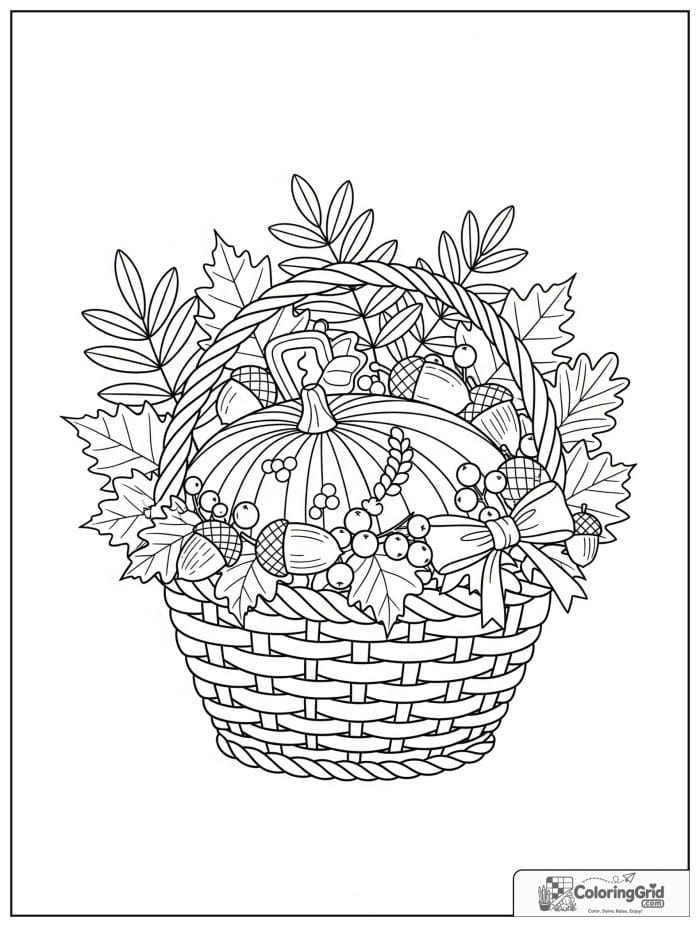
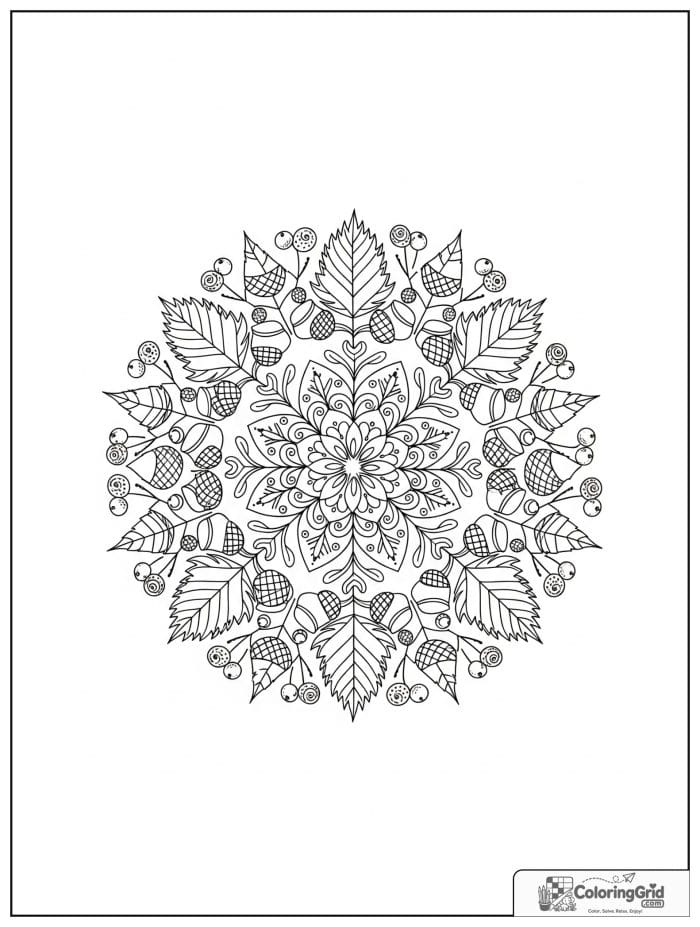
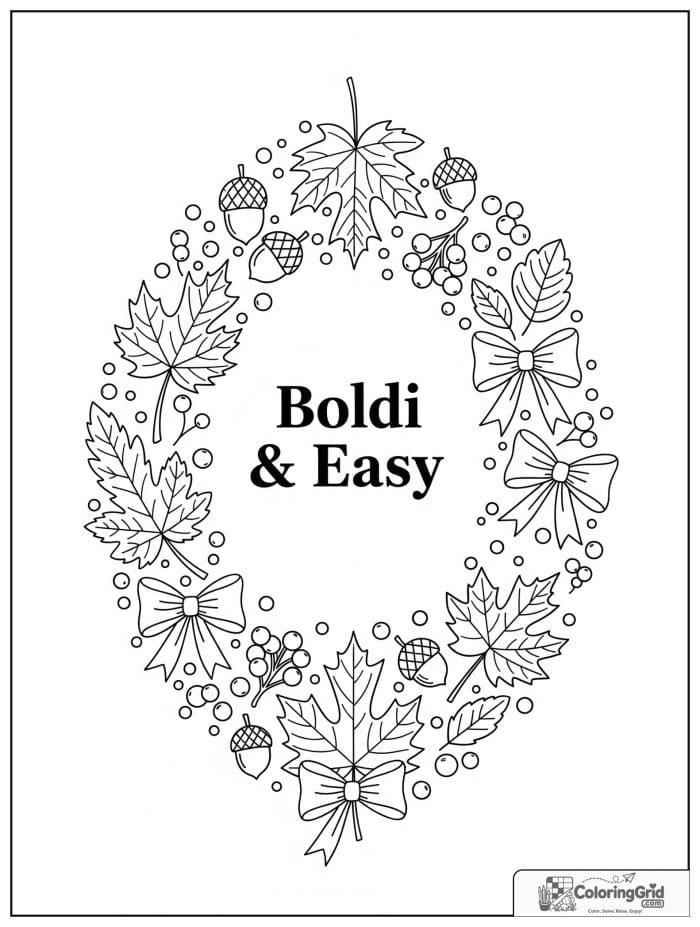
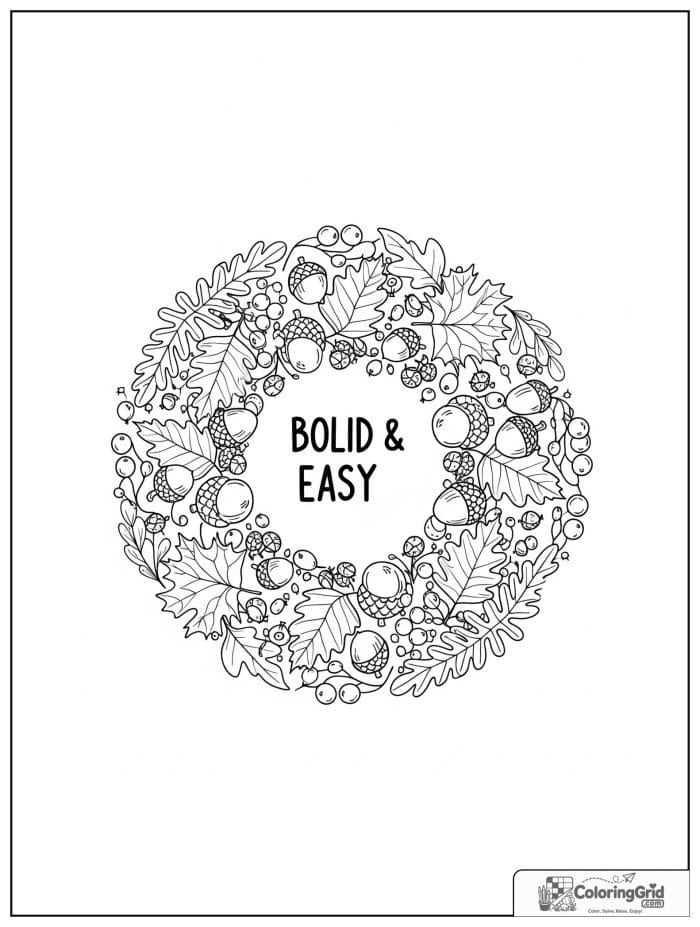
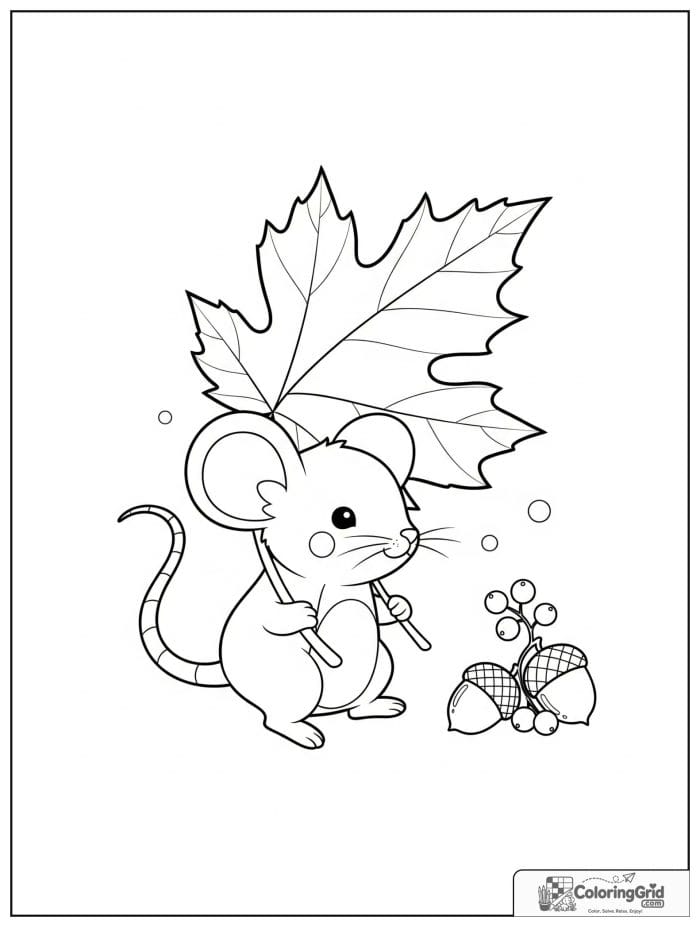
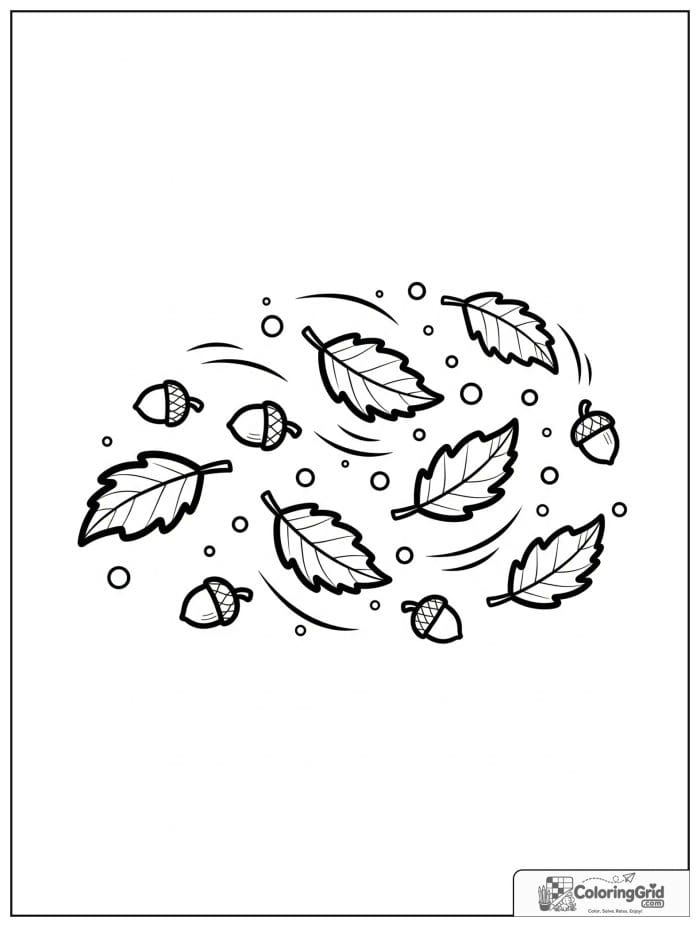
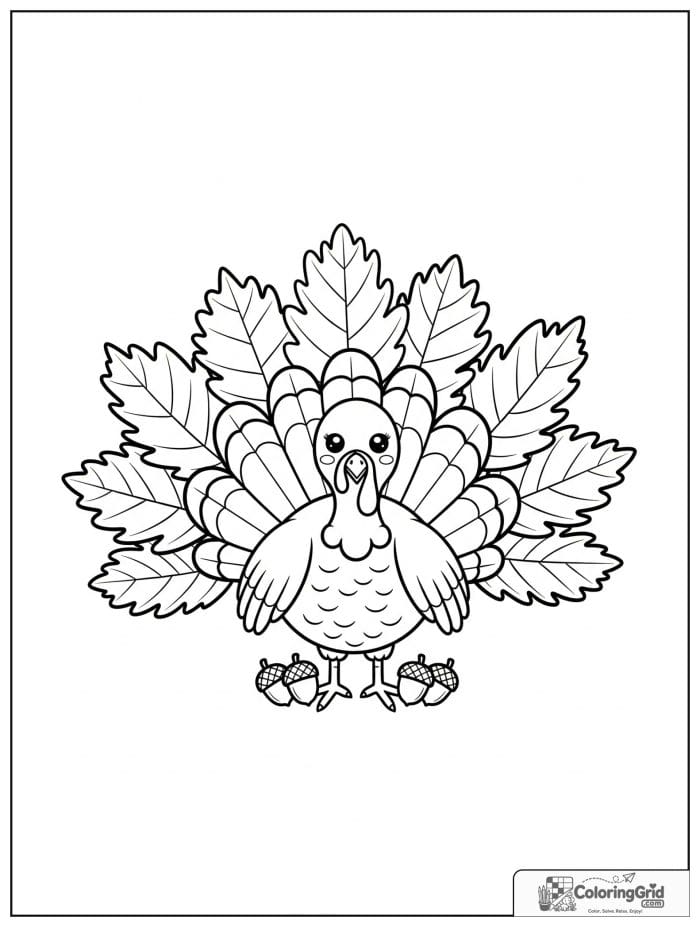
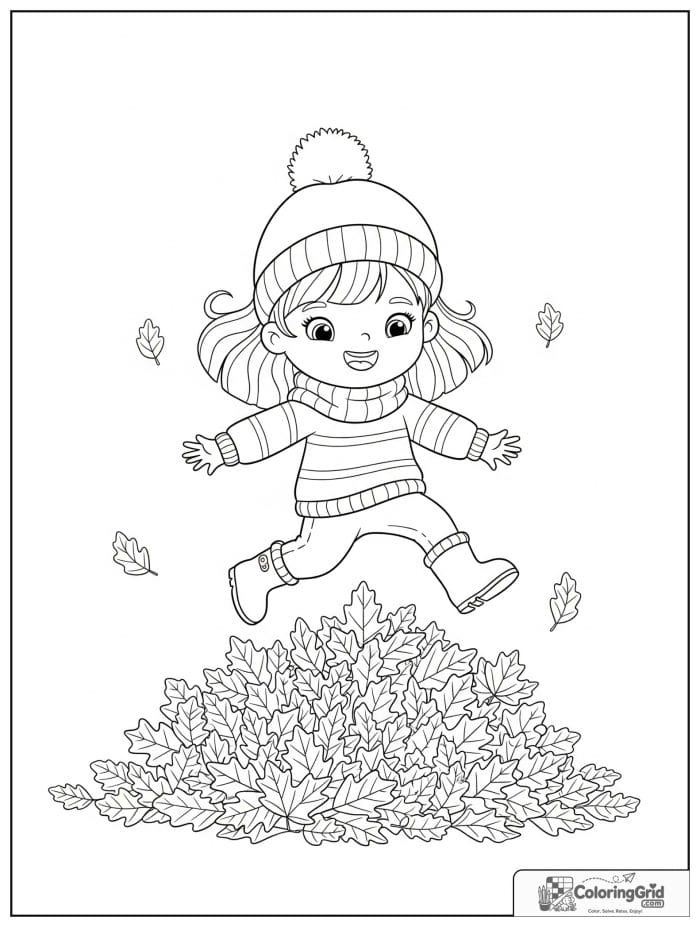
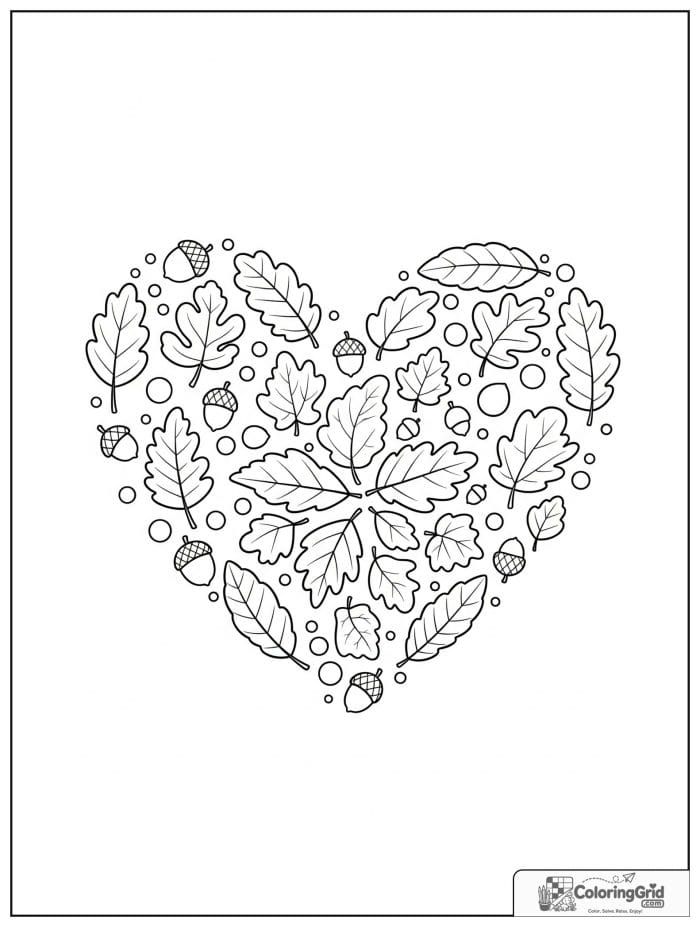
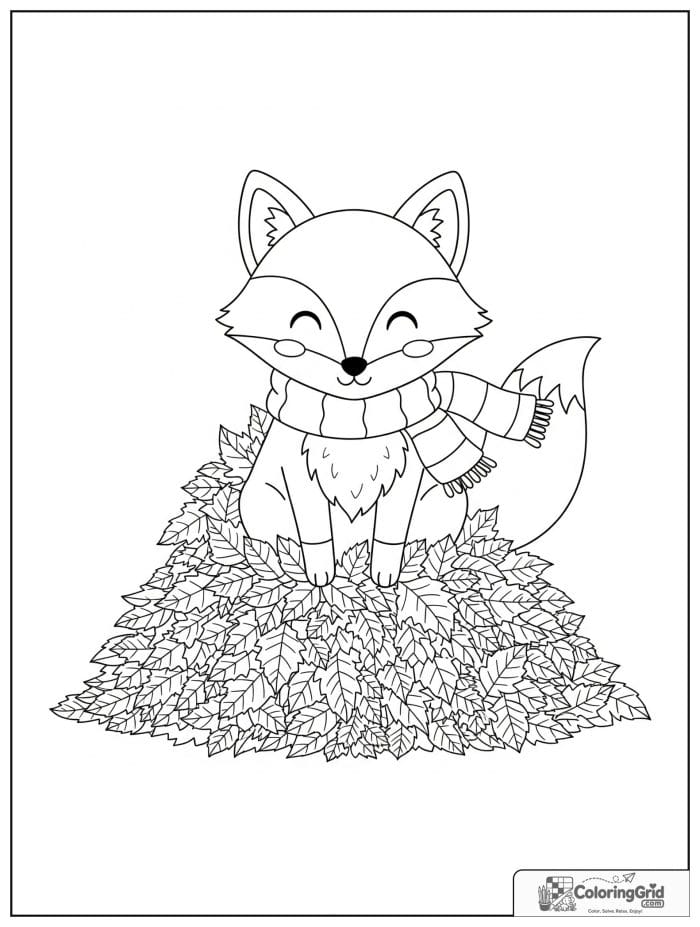
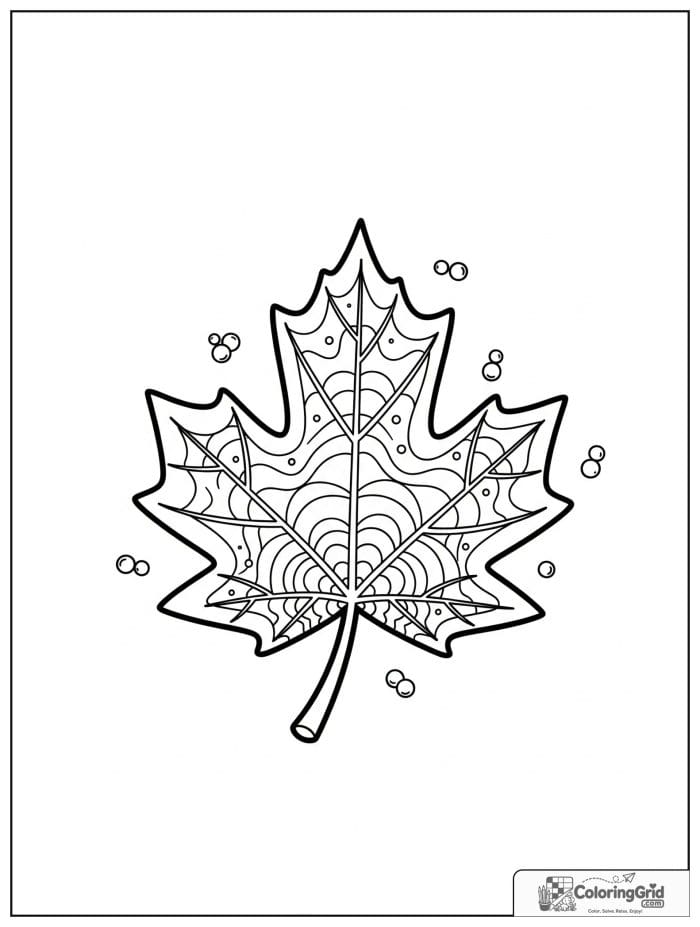
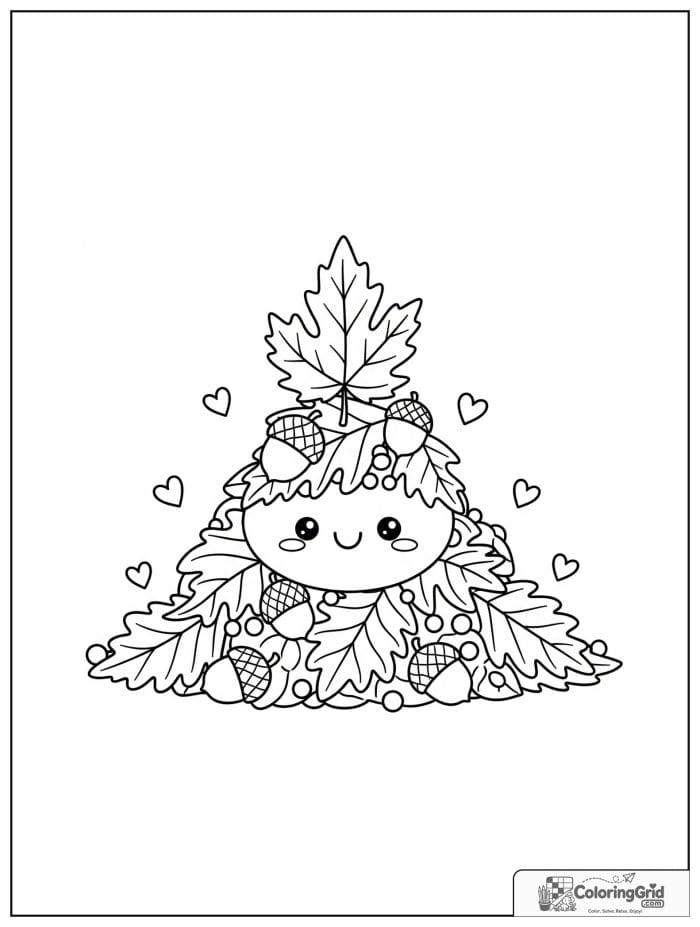
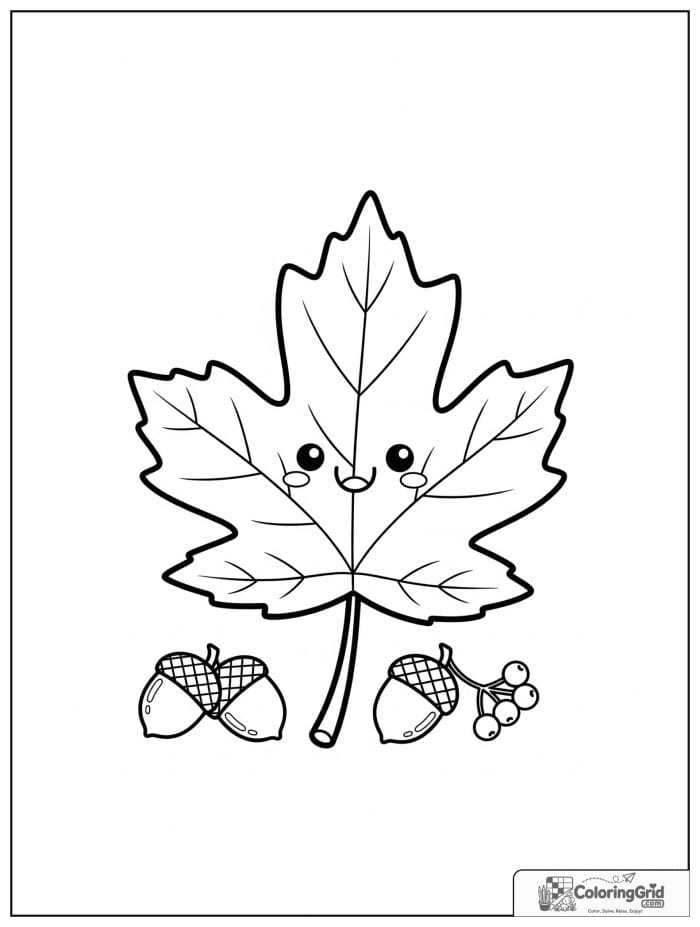
The gallery includes pointed maple-like forms, rounded and oval leaves, oak-like leaves with acorns, and decorative branches. Use words such as pointed, rounded, narrow, wide, smooth-edged and deeply cut to compare what is visible. Unless a sheet is explicitly labeled, treat the artwork as a stylized design rather than a botanical identification chart.
Pick two pages and trace the outer shape in the air with a finger. Count the large points or lobes, look for a central vein and compare how the smaller veins branch. These observations can stand on their own; they do not require every decorative berry, mushroom or acorn to be scientifically paired with the leaf.
Use color groups on autumn leaves coloring pages
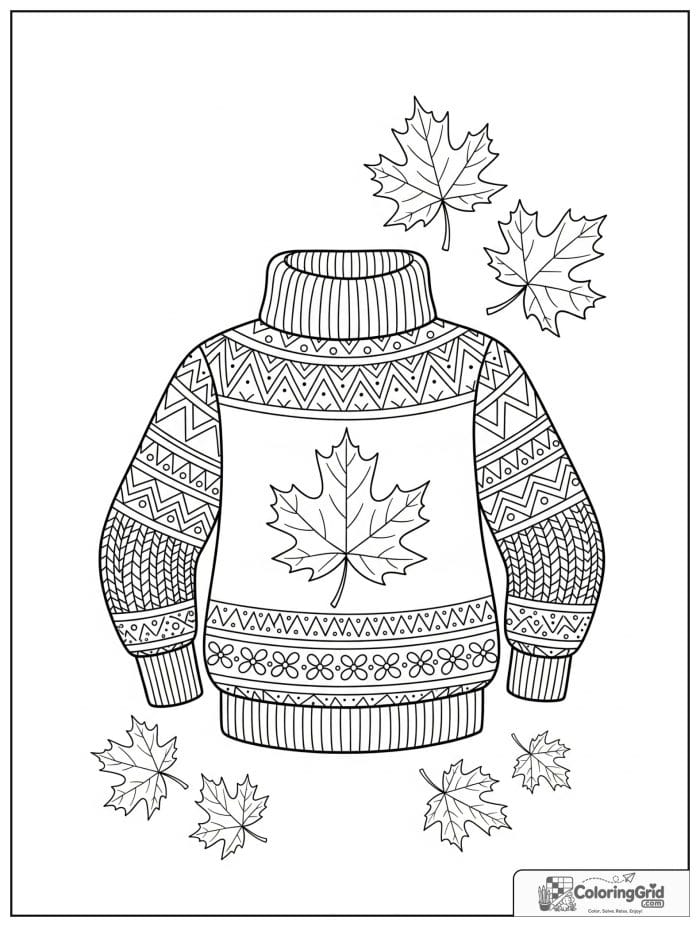
Select three leaf colors before starting, then repeat them across the page. A border can alternate gold, rust and red. A bouquet can use olive green in a few leaves to contrast with warmer colors. For the sweater sheet, keep the garment mostly neutral and reserve the strongest leaf color for its central maple motif.
The National Park Service gives a concise explanation of why leaves change color, including the role of pigments and seasonal conditions. Use it to discuss why some leaves stay green while others appear yellow, orange or red. The printable drawings remain decorative and should not be used to identify an unknown real leaf.
Pair autumn leaves coloring pages with outdoor observation
- Collect or photograph responsibly. Use a fallen leaf where collection is allowed, or take a photograph instead of removing one from a plant.
- Describe before coloring. Note the leaf’s overall shape, edge, visible veins and current colors. Avoid naming the tree unless an adult or reliable guide confirms it.
- Choose a related sheet. Match by one visible feature—such as a pointed outline or strong central vein—rather than expecting an exact copy.
- Record the difference. On separate paper, write one way the real leaf differs from the illustration.
Turn repeated leaves into a pattern exercise
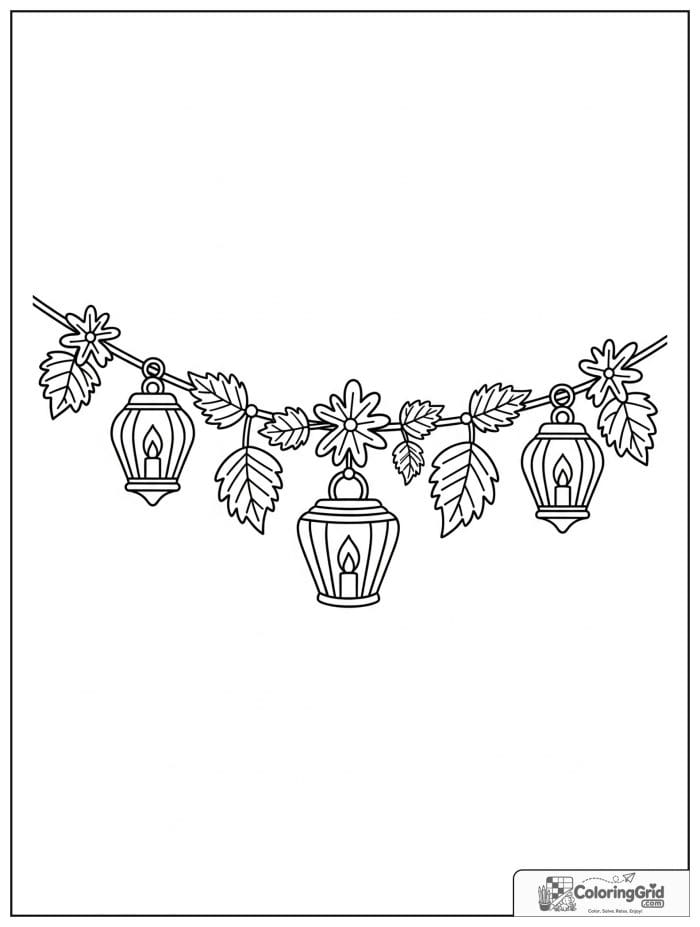
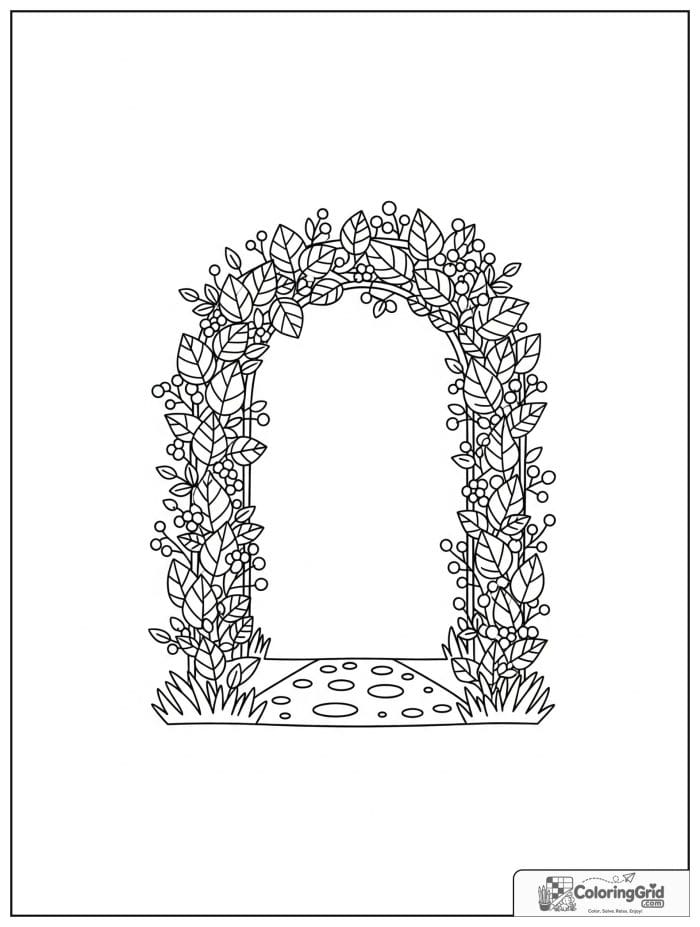
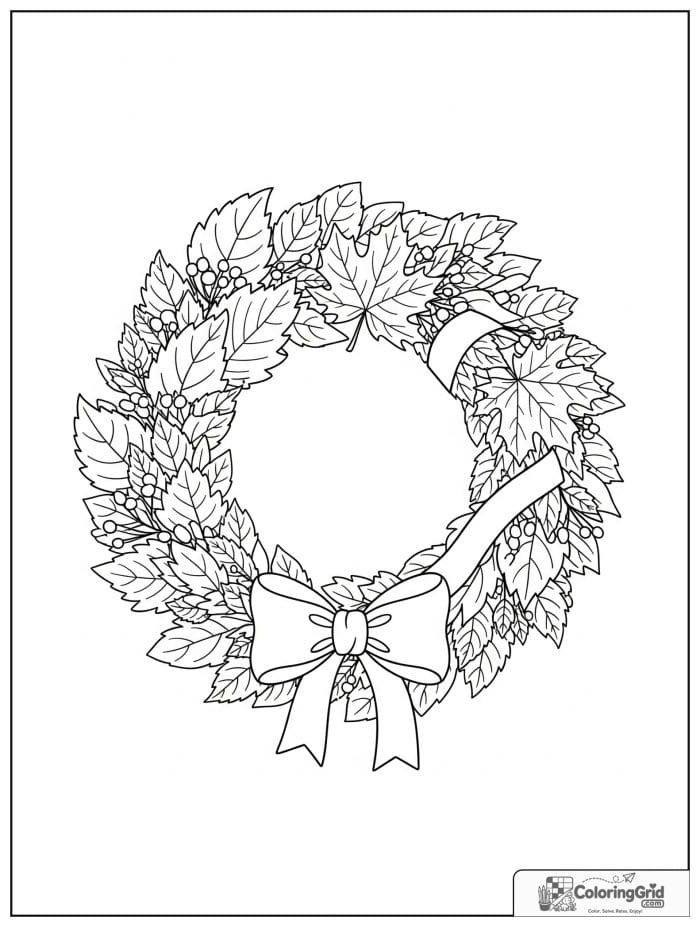
On a garland, wreath or border, create an A-B-C repeat with three colors. Say the sequence aloud and check it at each leaf. On a dense page, color every second or third leaf first; then return to the gaps. This makes the repeated shapes easier to track without presenting the sheet as a formal worksheet.
For a wider mix of pumpkins, animals and harvest scenes, visit the fall coloring pages. Choose this leaf collection when the purpose is shape comparison, leaf color study or repeated patterns.
Print borders without clipping them
Open the print preview and check all four edges on border and frame designs. Use fit-to-page when necessary, and print one test sheet before making multiple copies. If markers may bleed through, protect the surface underneath with spare paper.
For classroom or family use, sort the printed sheets into three simple groups: single leaves, repeated patterns and full scenes. This helps people choose by visual complexity without assigning an age label. Keep an untouched master copy in a folder and use the preview to identify any border that needs fit-to-page. When you revisit these autumn leaves coloring pages, compare how the same three-color palette behaves on a large maple leaf, a narrow garland and a dense wreath; the changing amount of white space can make identical colors feel different.