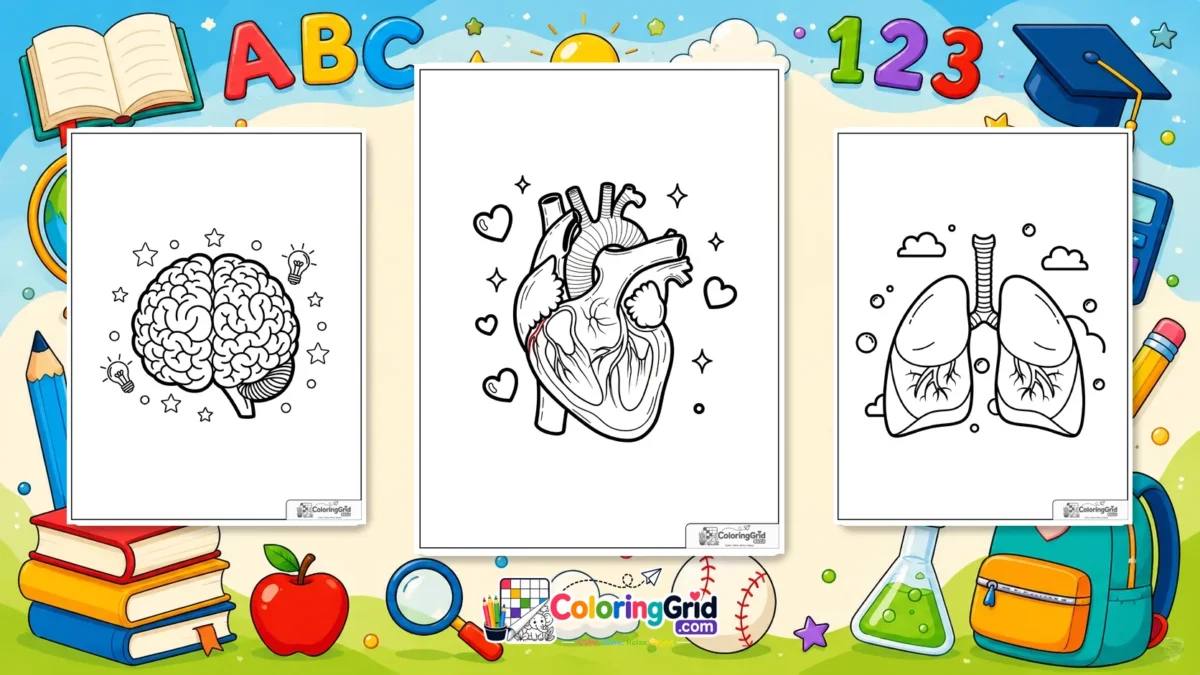
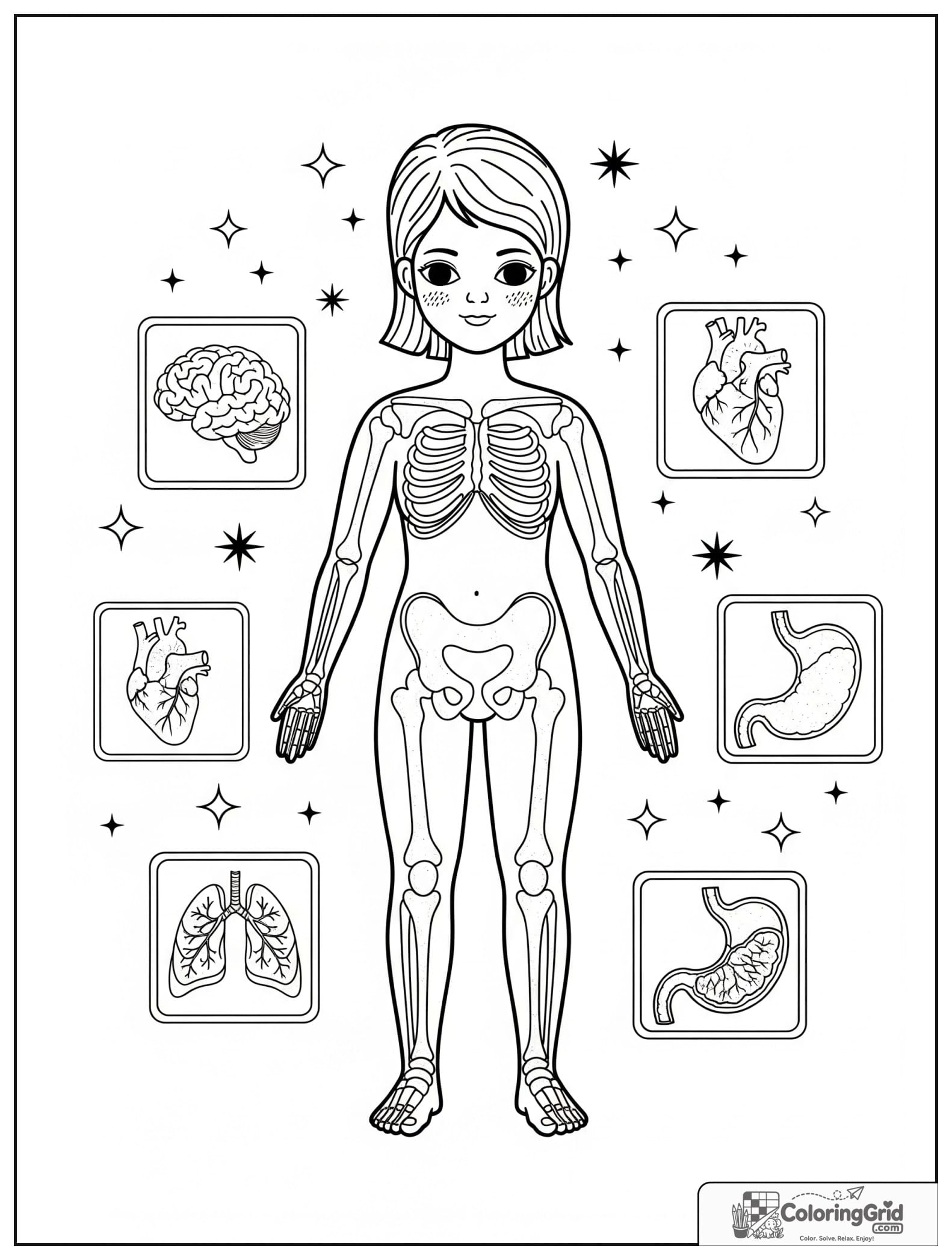
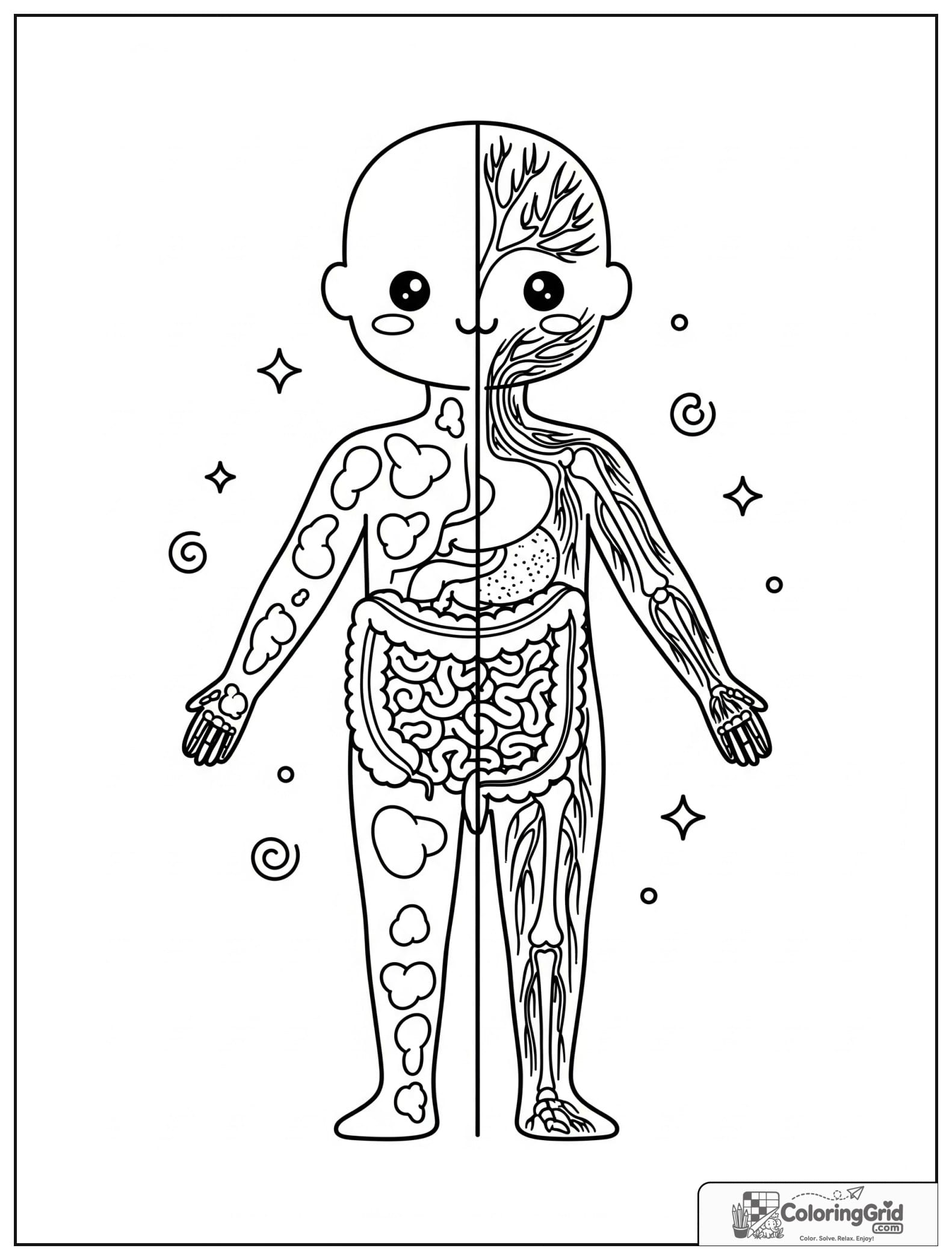
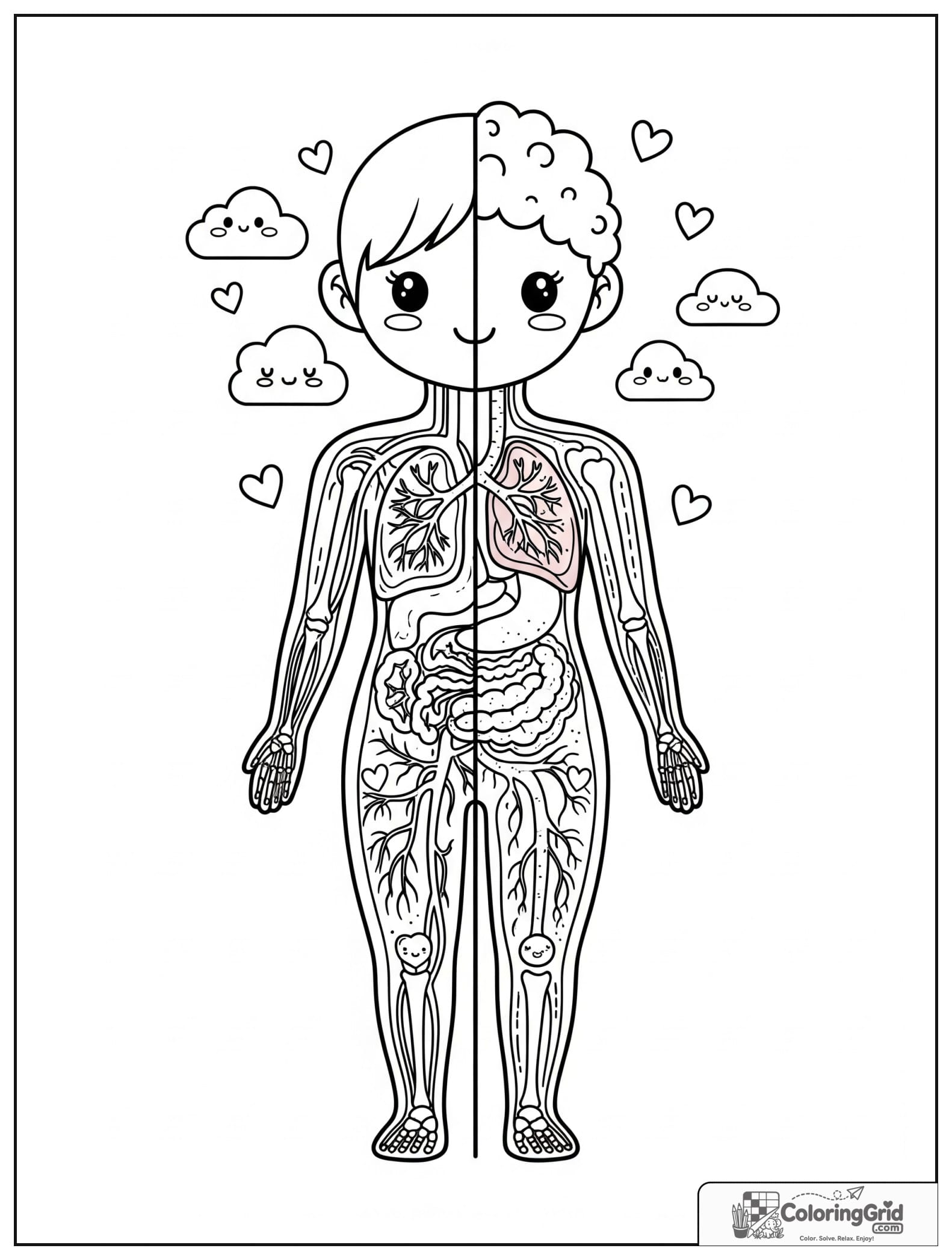
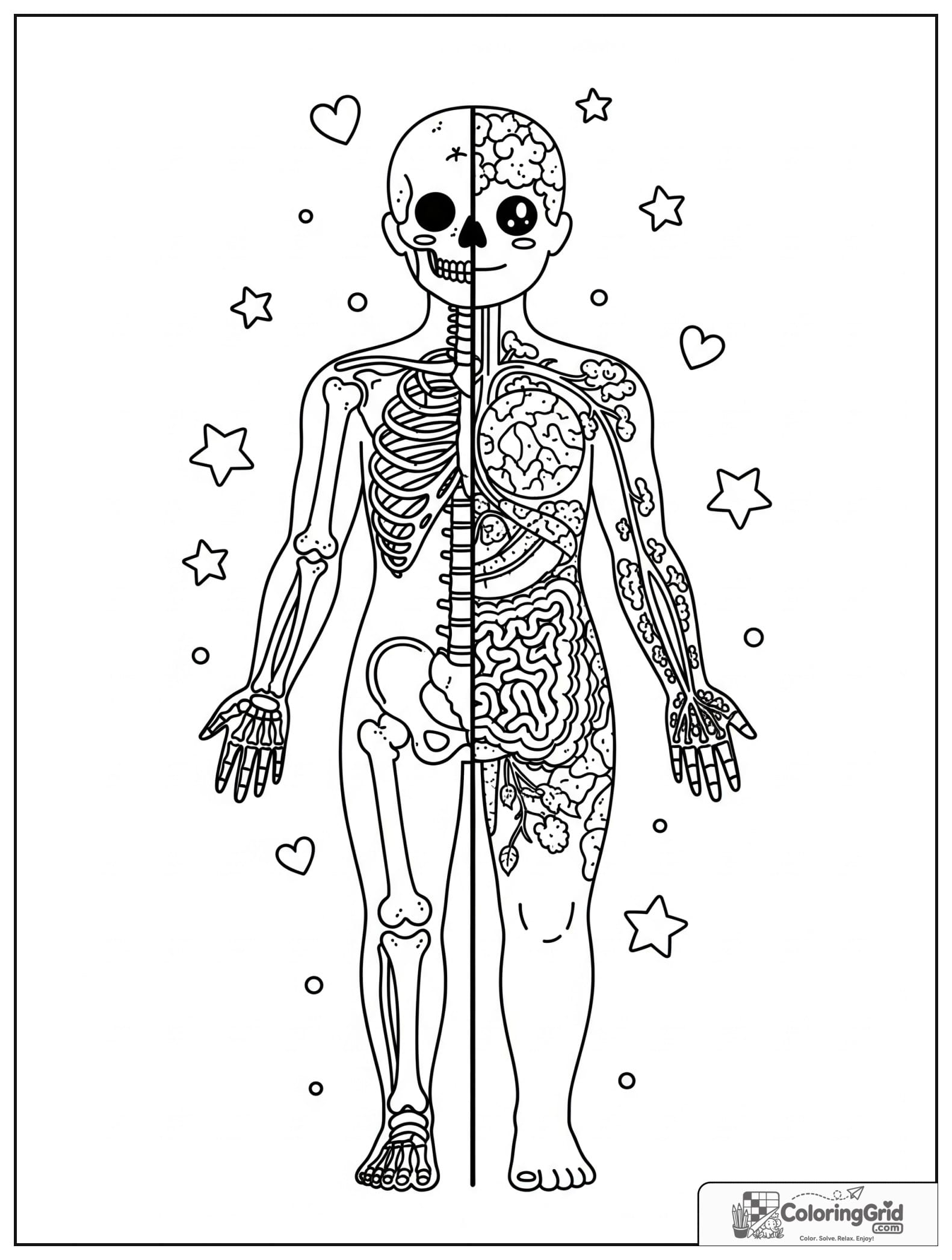
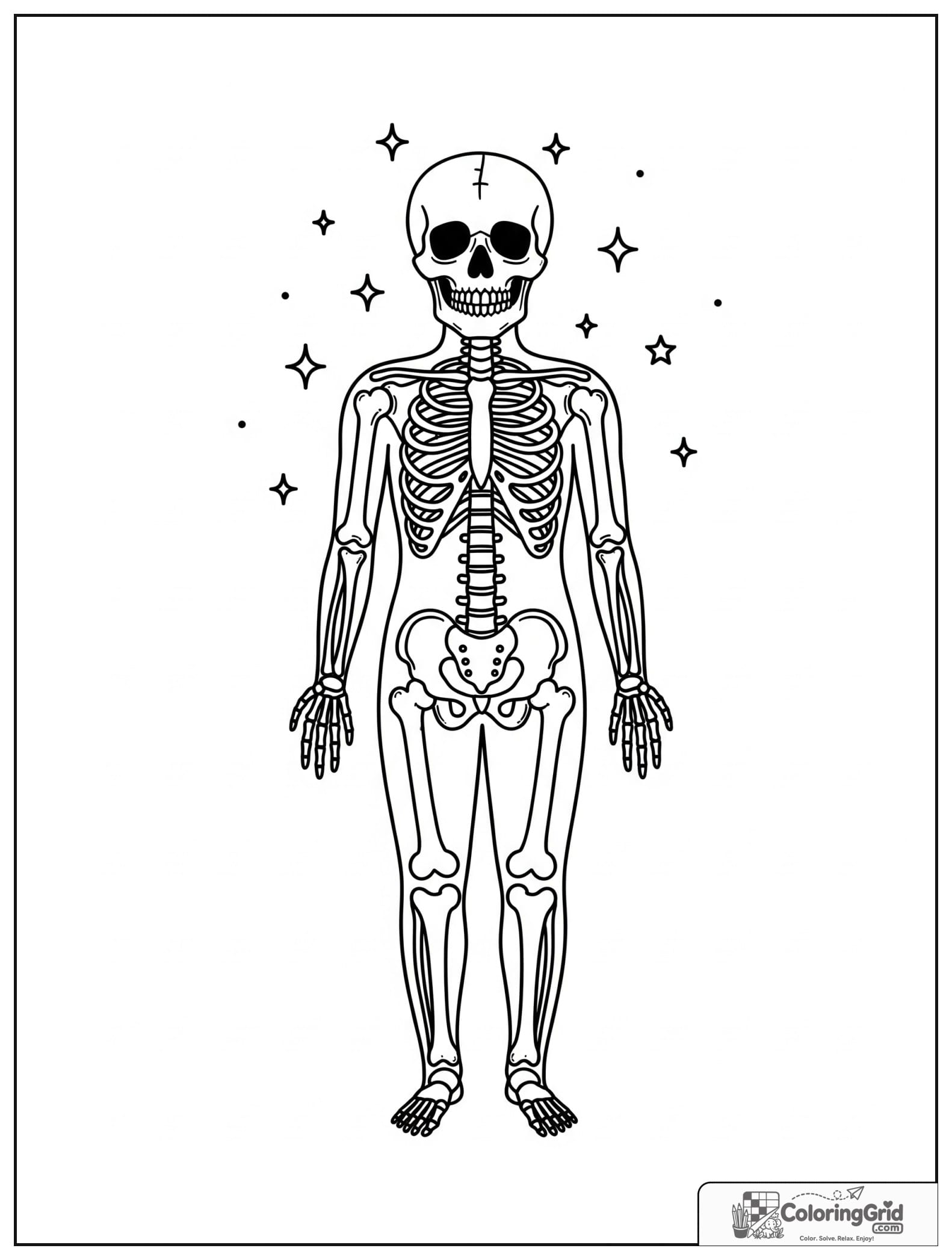
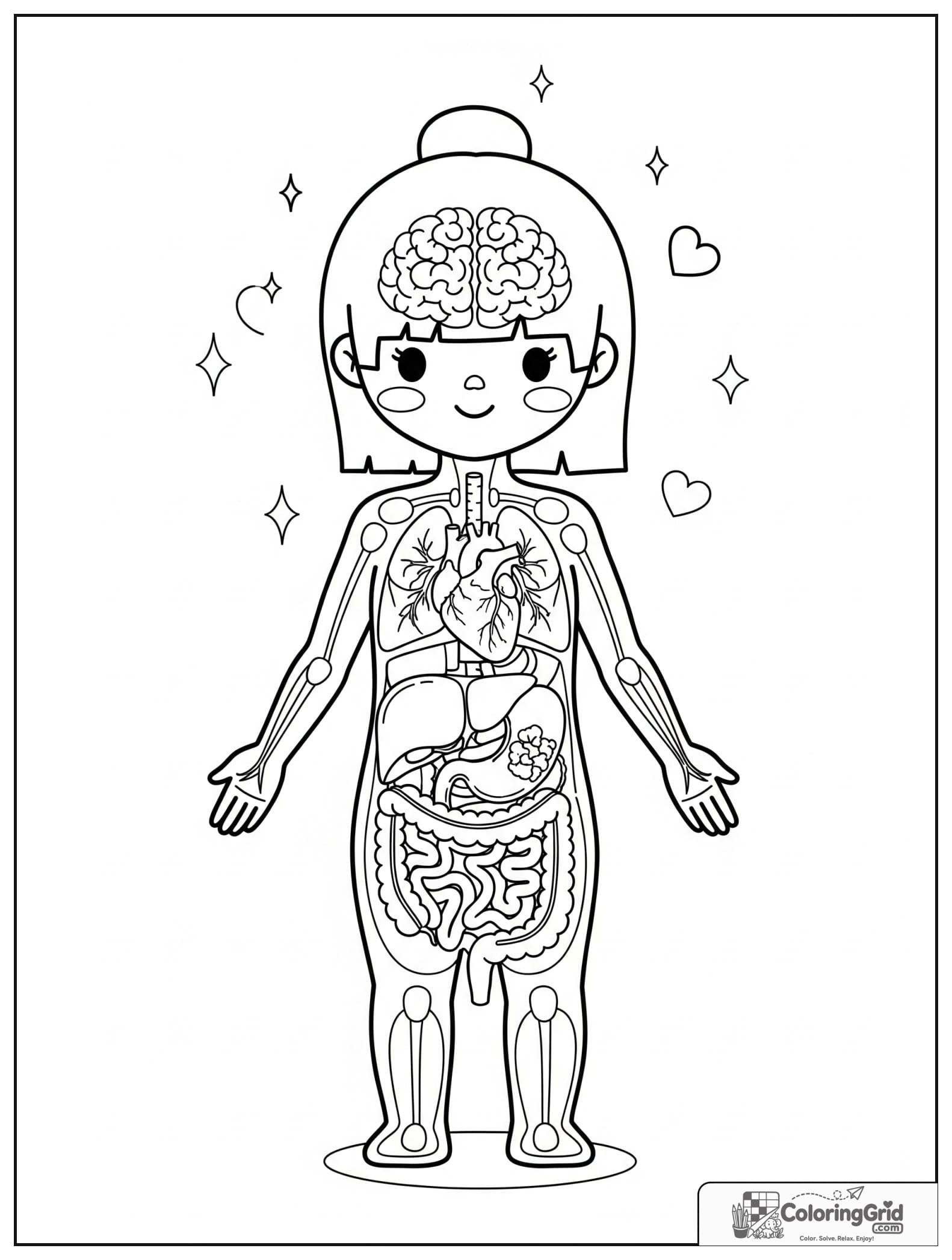
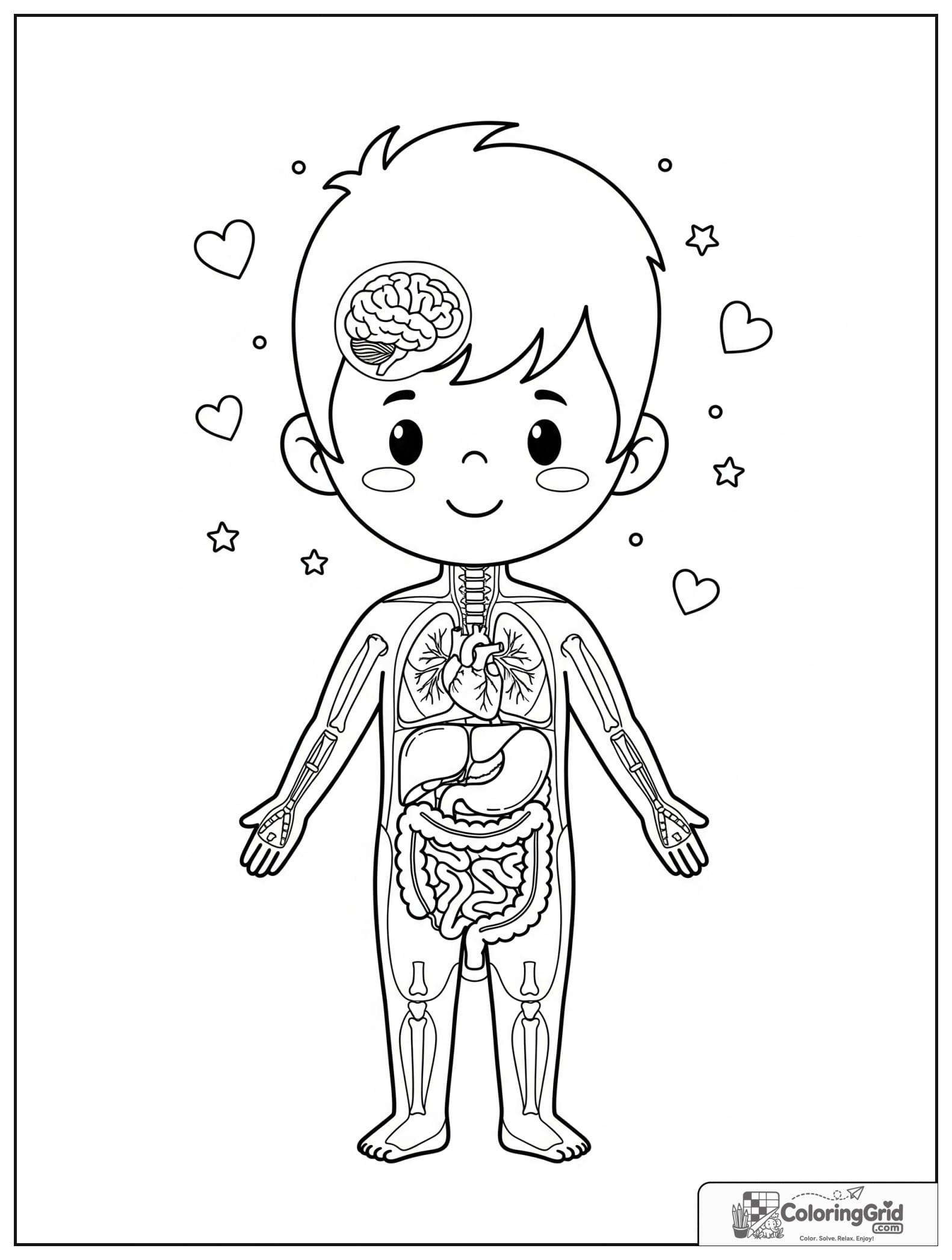
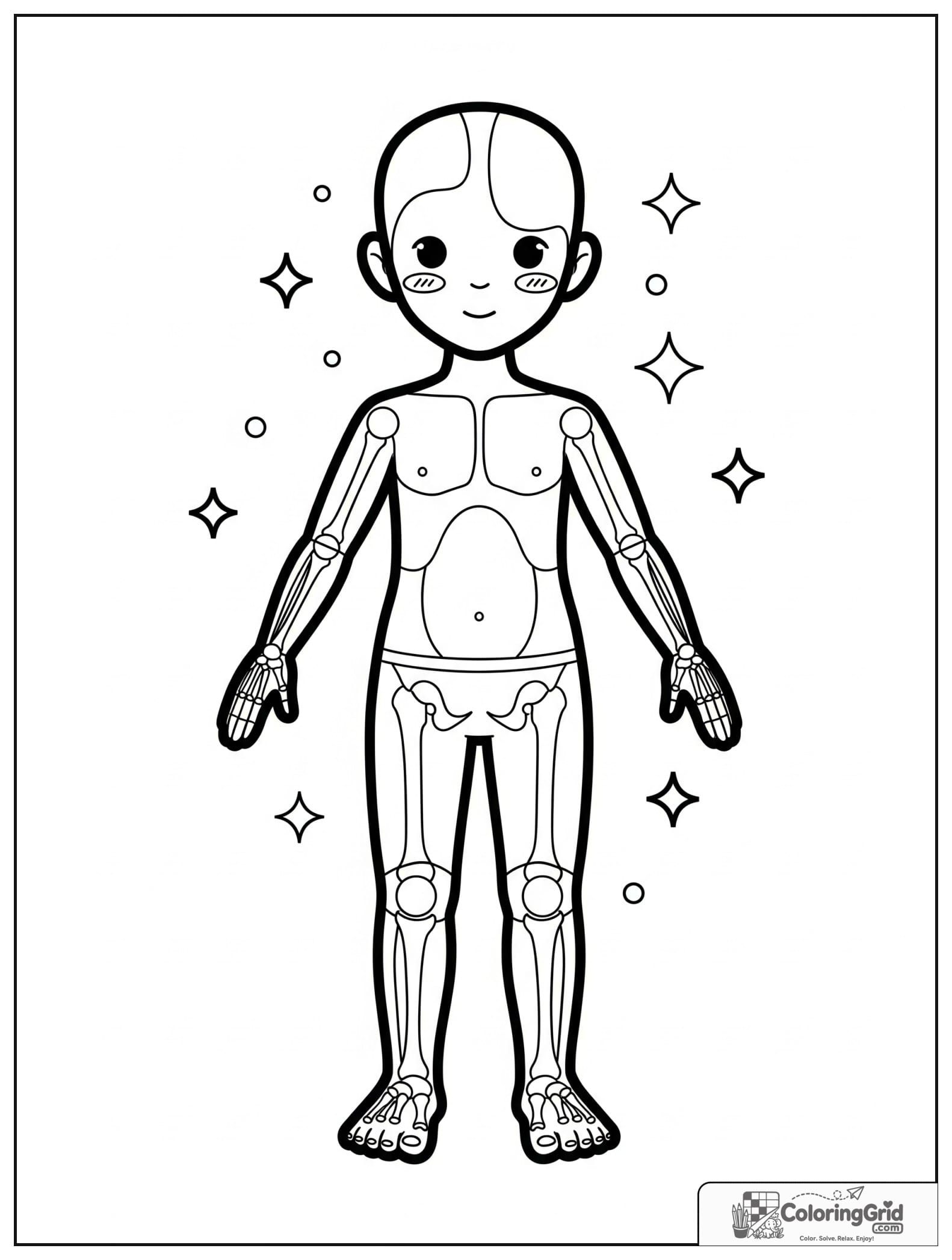
This collection contains 36 human body coloring pages for kids, including full-body outlines, organ overviews, skeleton and muscle pages, and focused sheets for the brain, heart, lungs, digestive system, skin, ear, hands and feet. Each preview has its own printable PDF, so you can choose one topic for a short activity or combine several pages into a body-systems unit. The drawings use friendly, simplified lines intended for coloring; they are not detailed medical diagrams.
What's Inside
What is included in the 36-page set?
The gallery moves from broad body overviews to individual systems and parts. It includes:
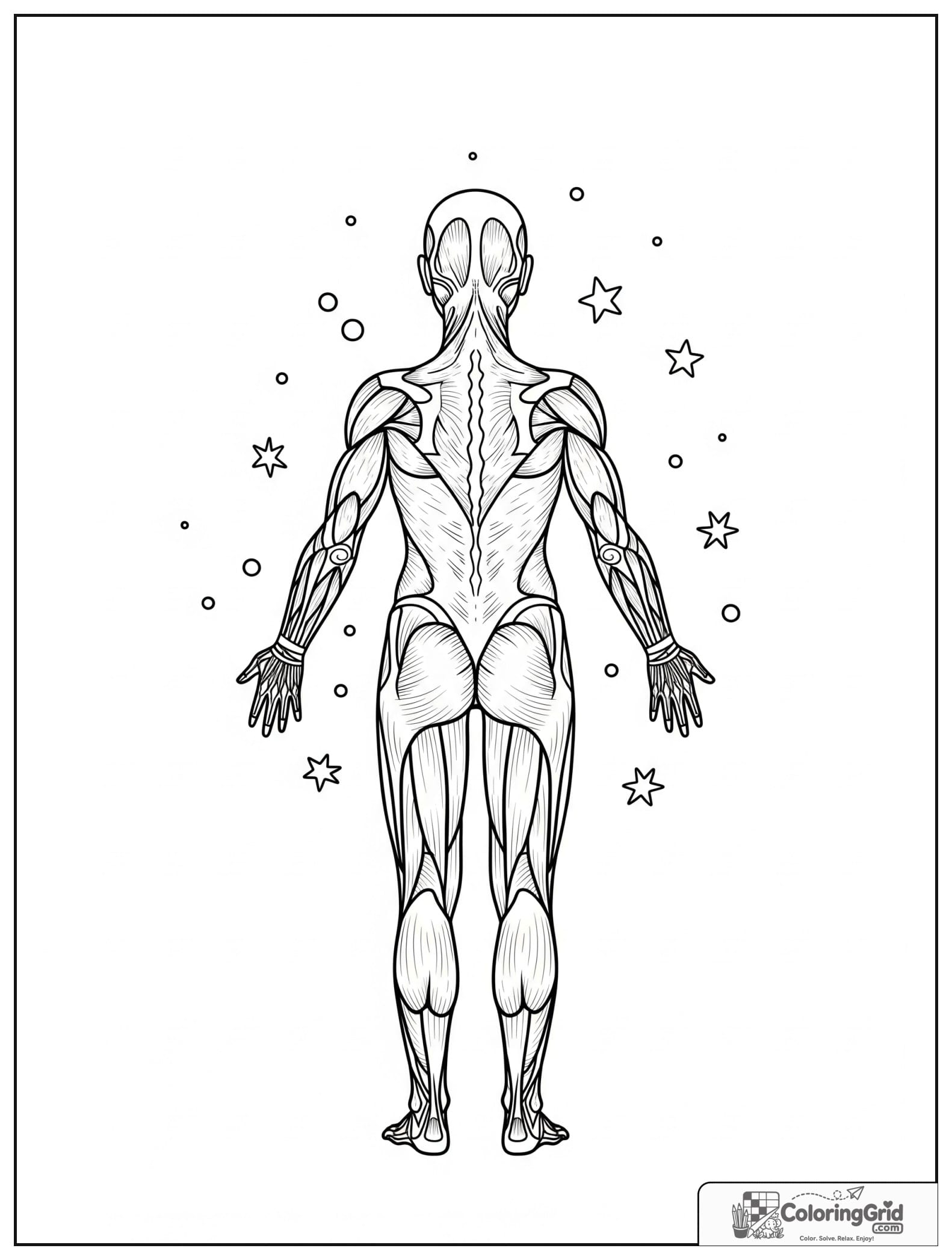
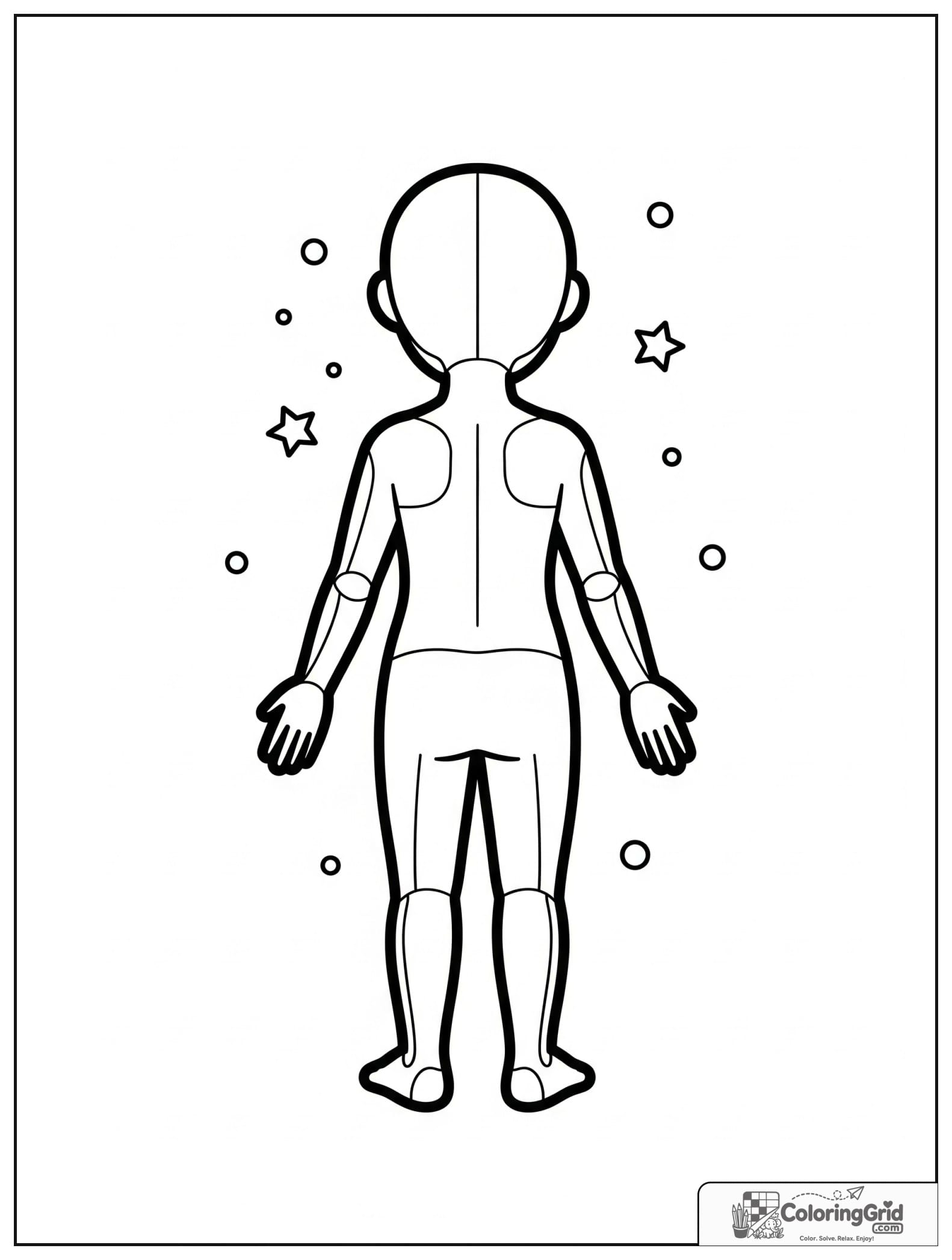
- front and back body outlines;
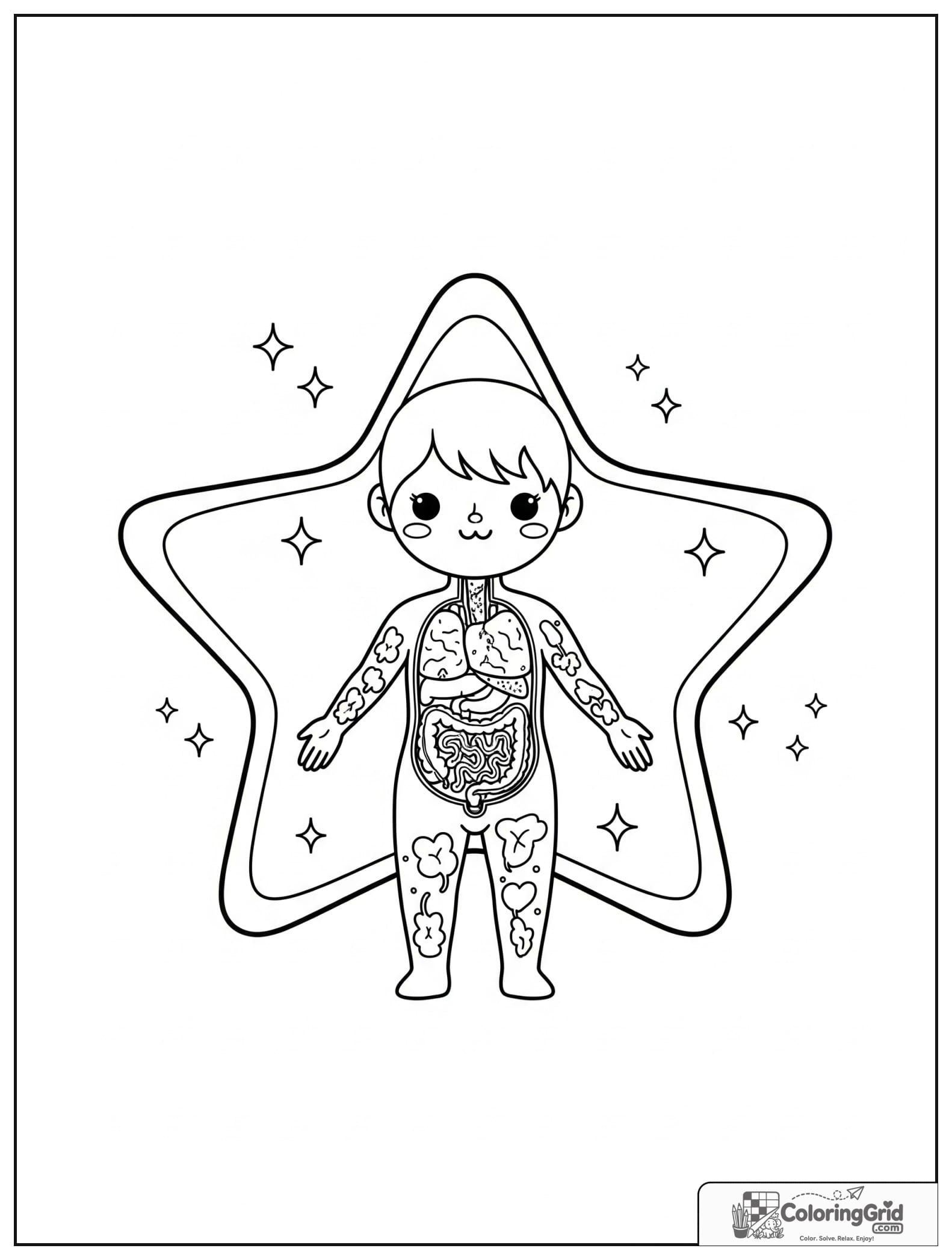
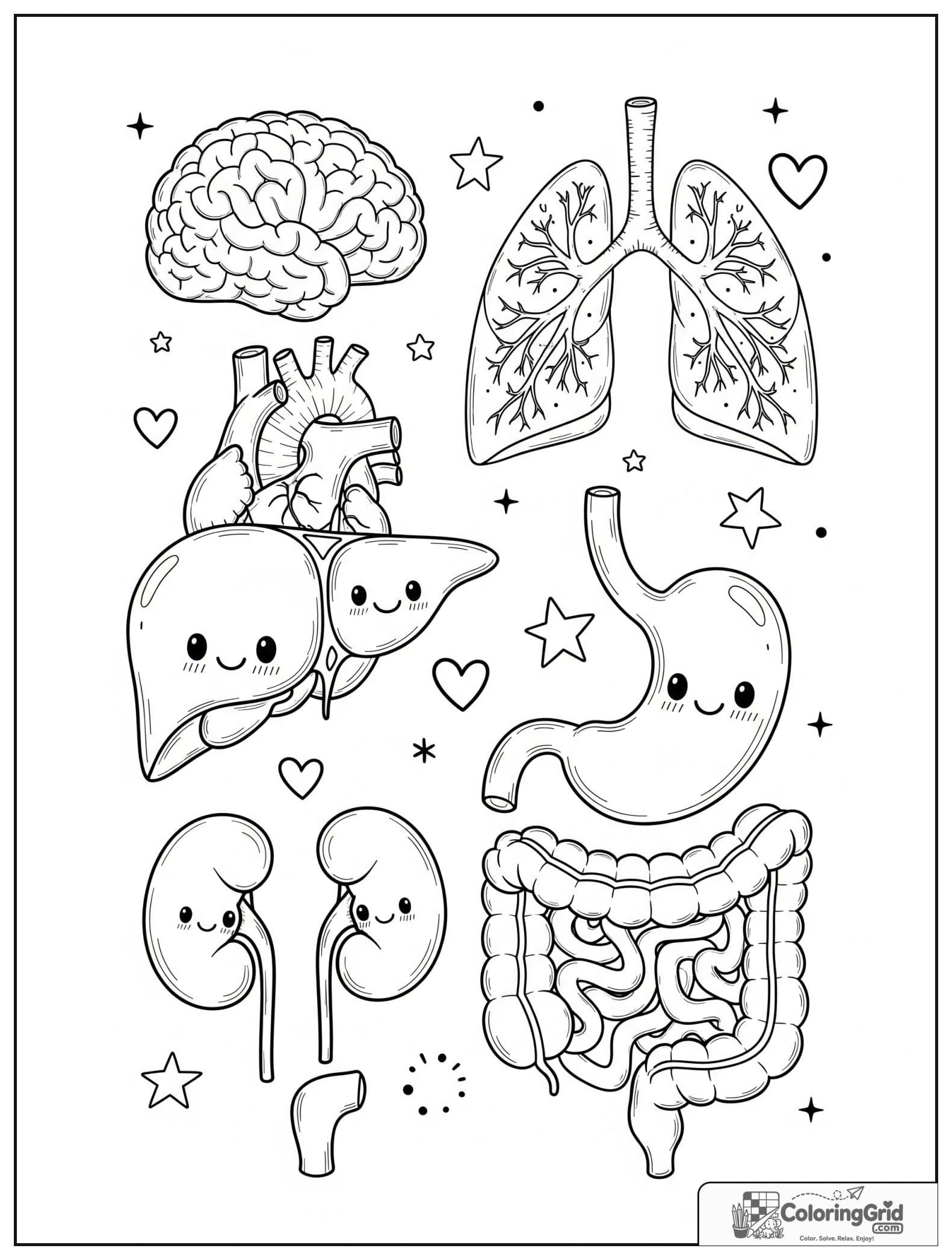
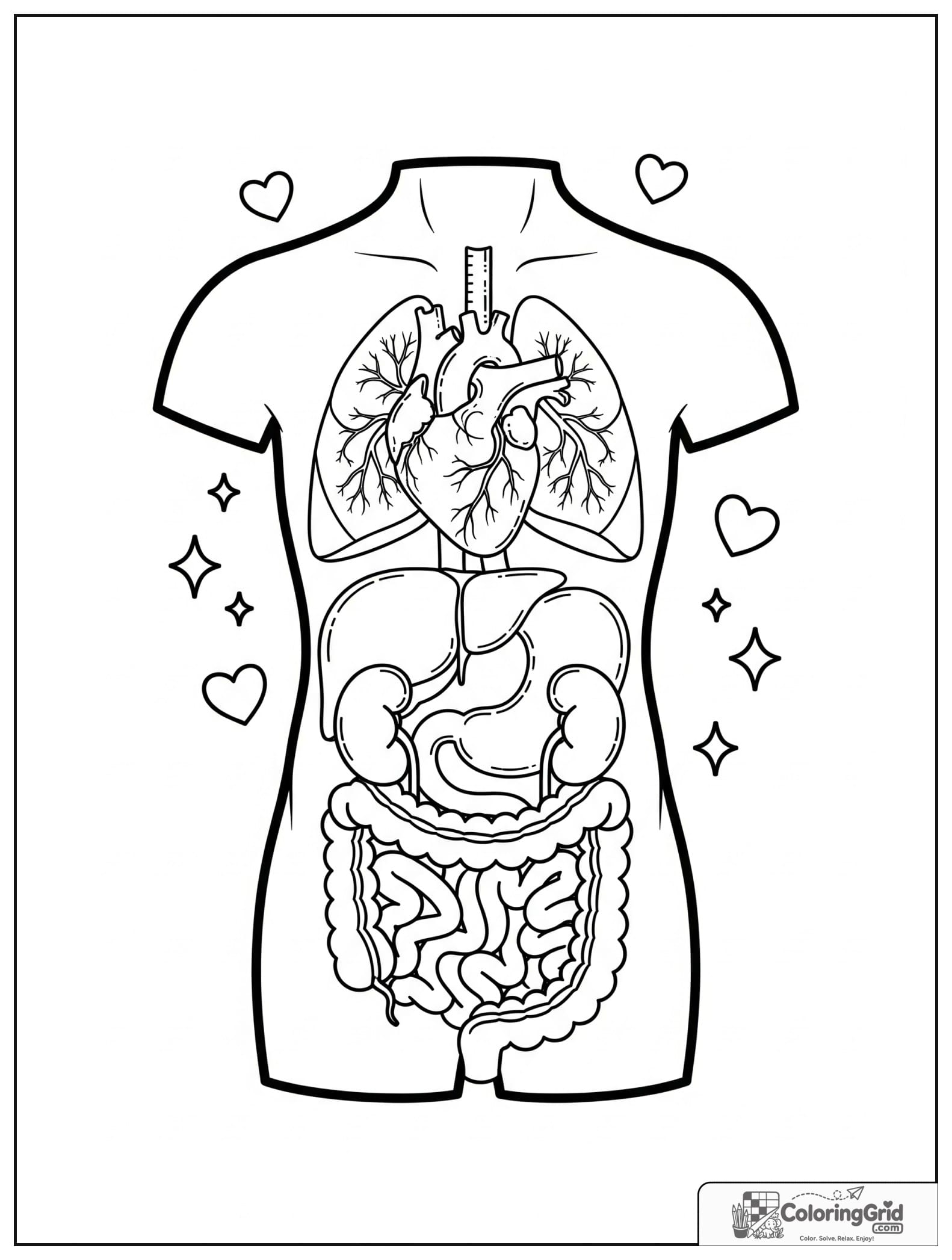
- girl and boy outlines showing major organs;
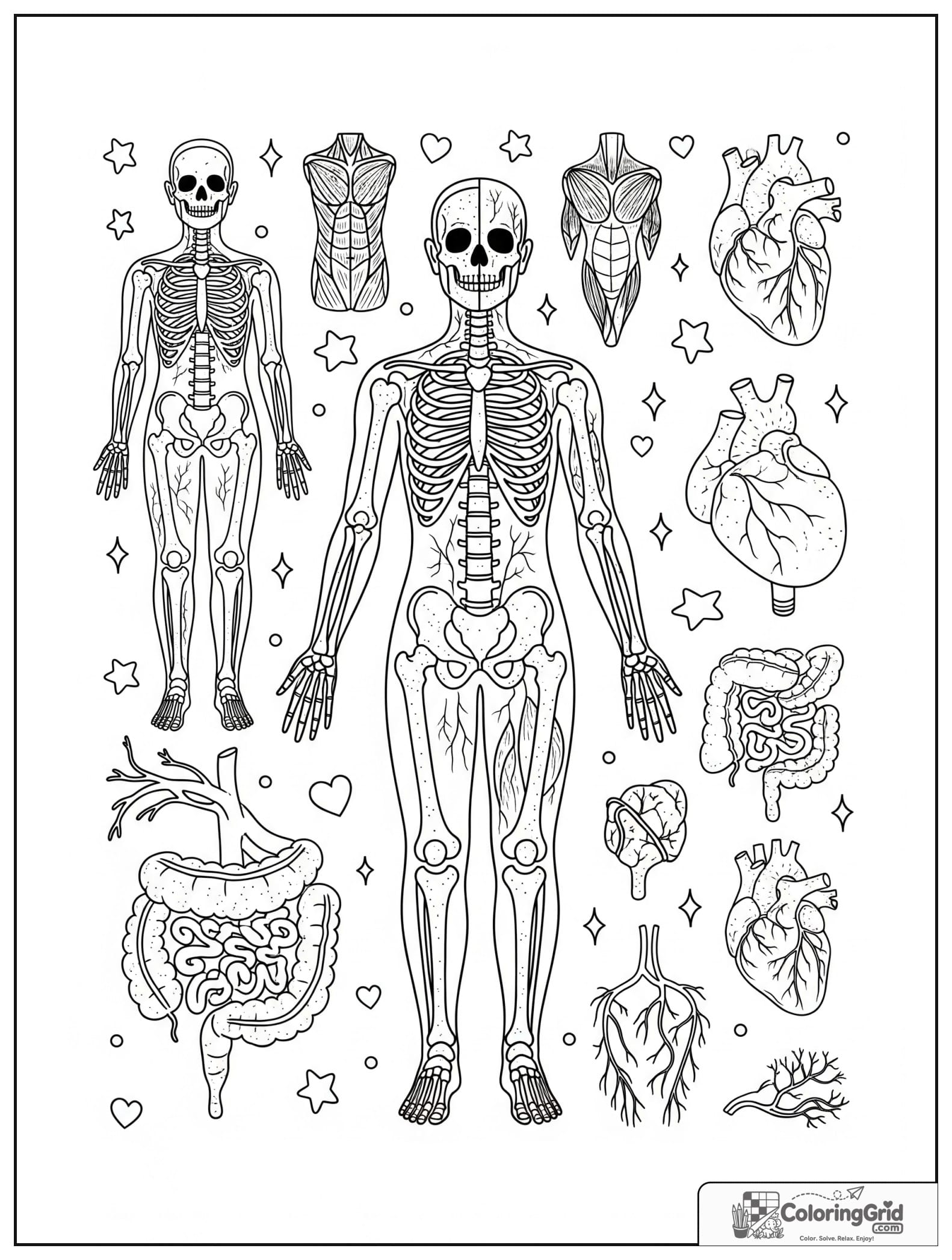
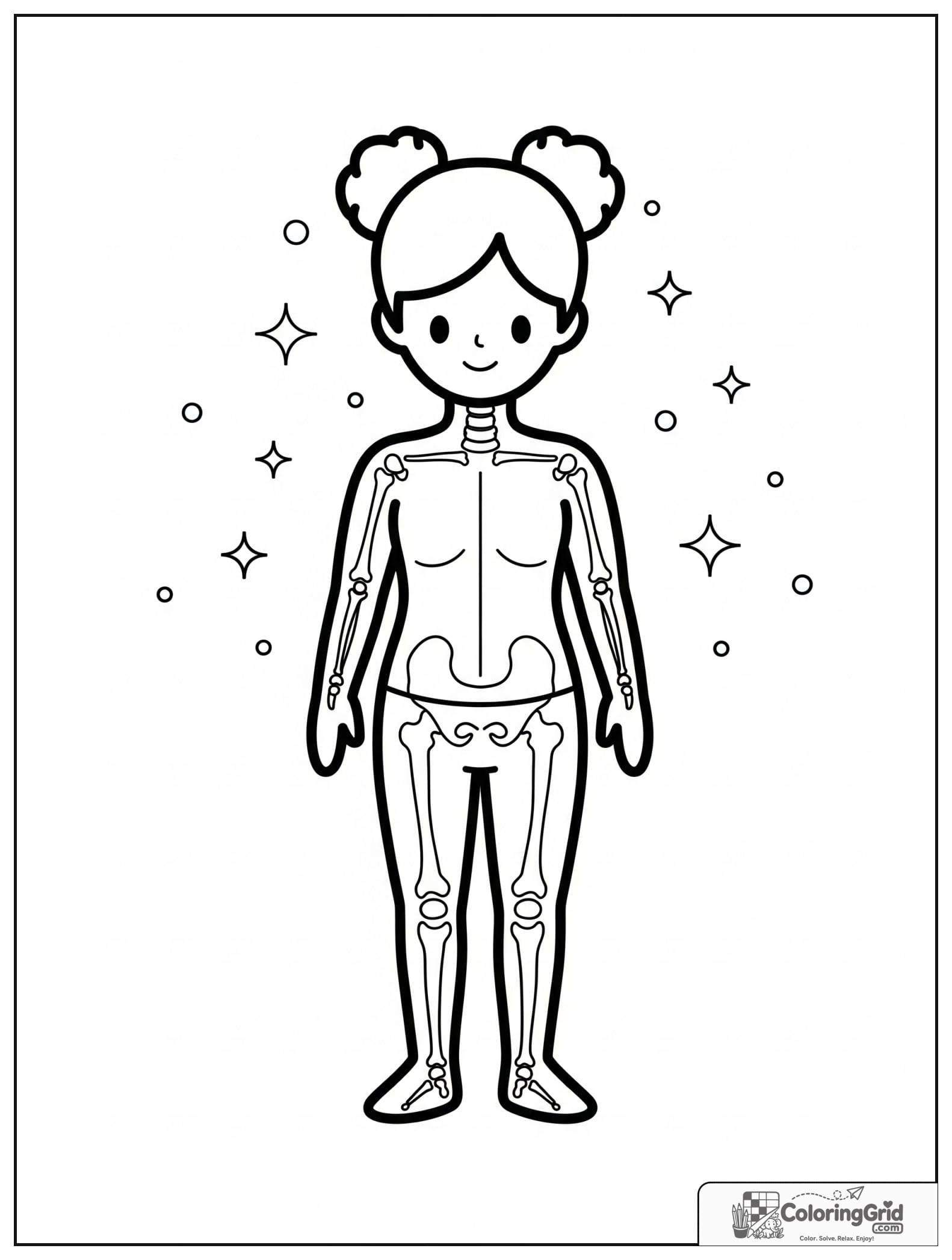
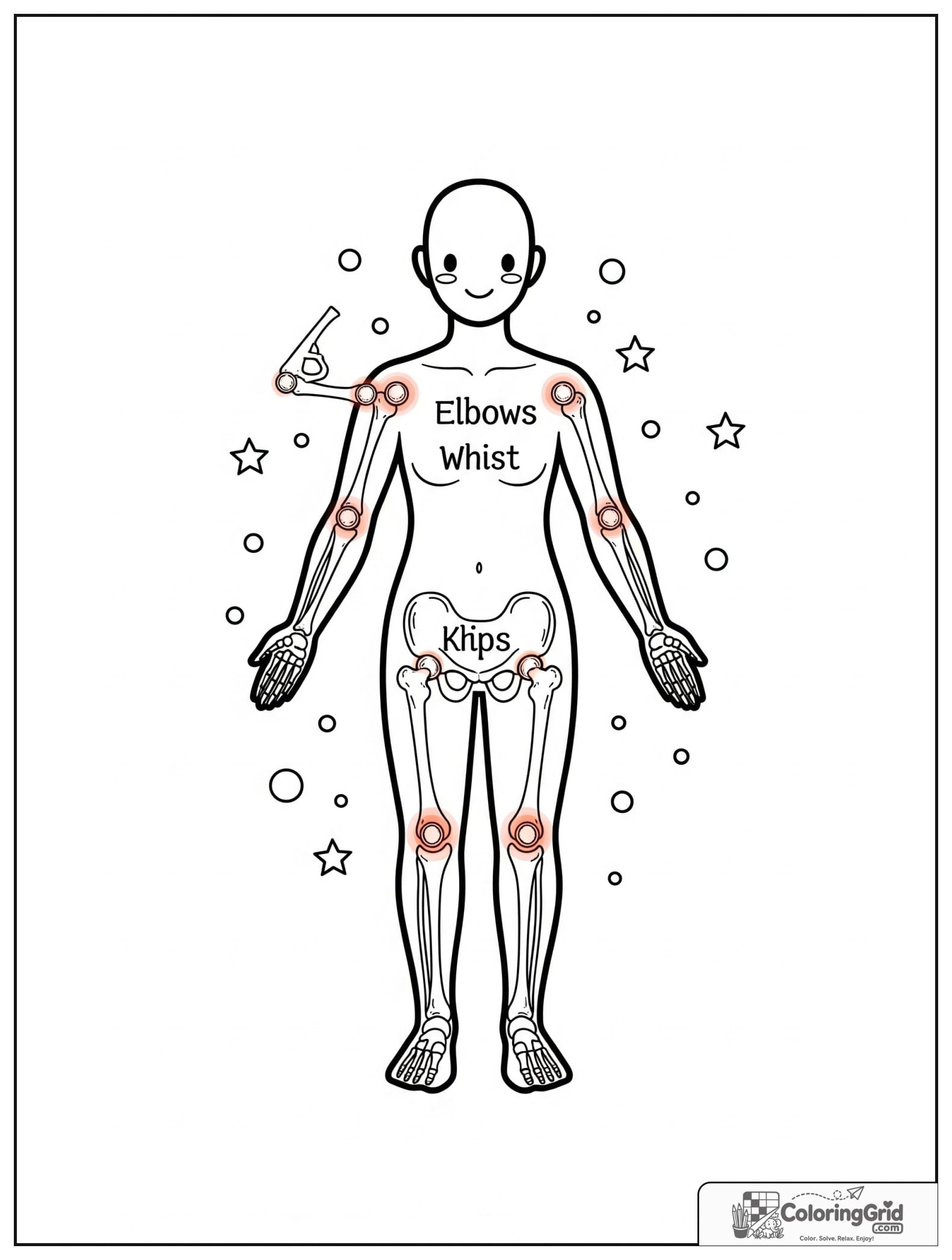
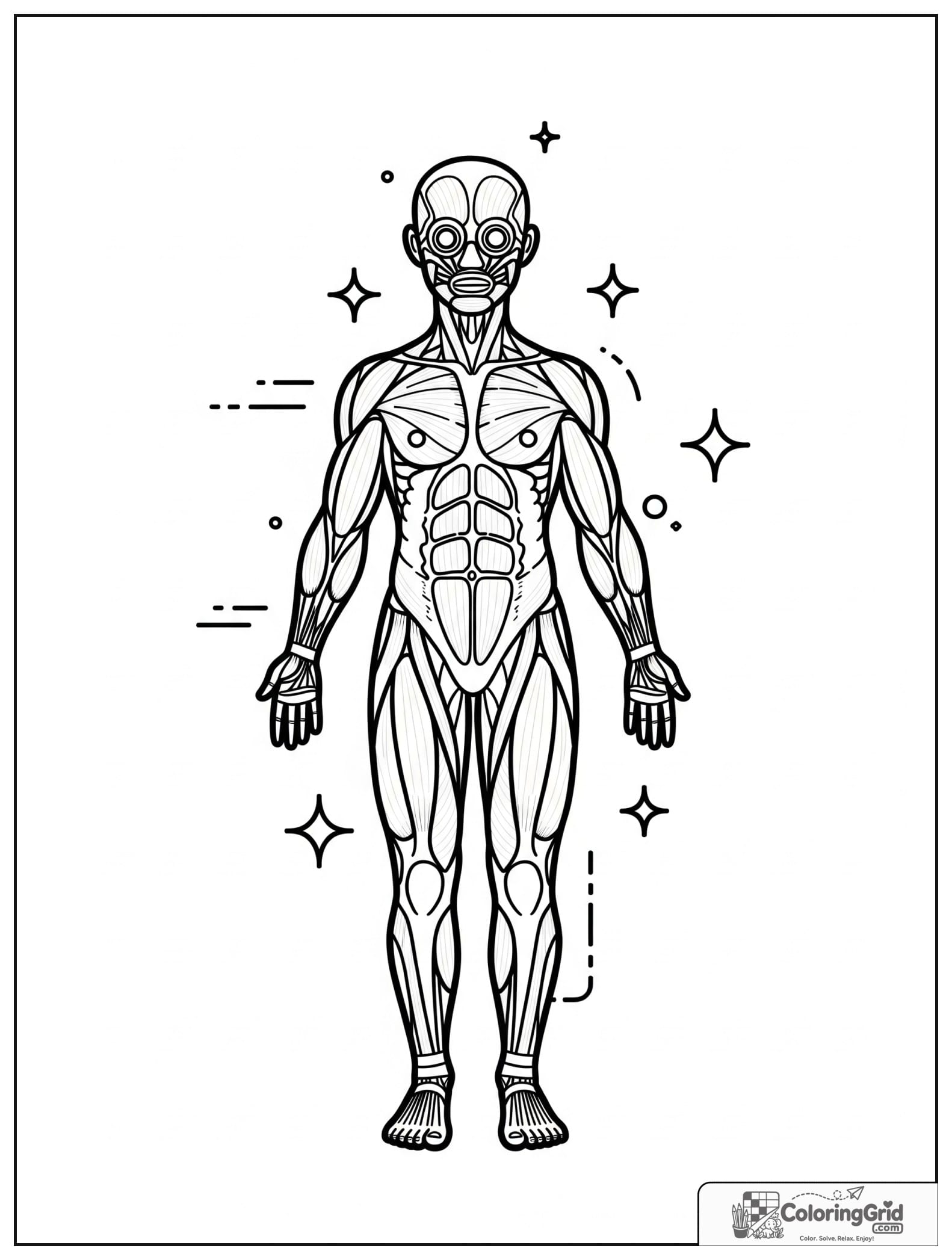
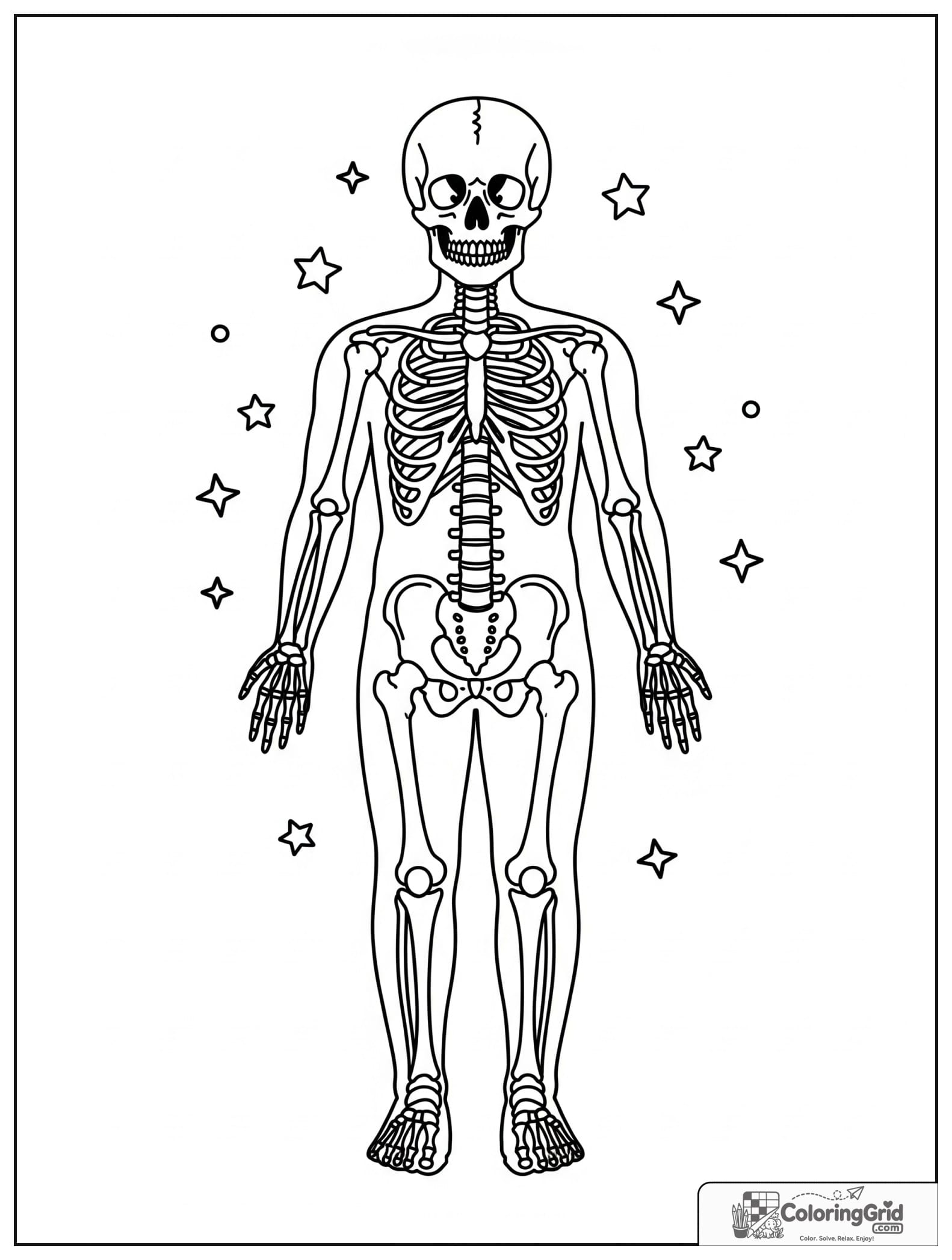
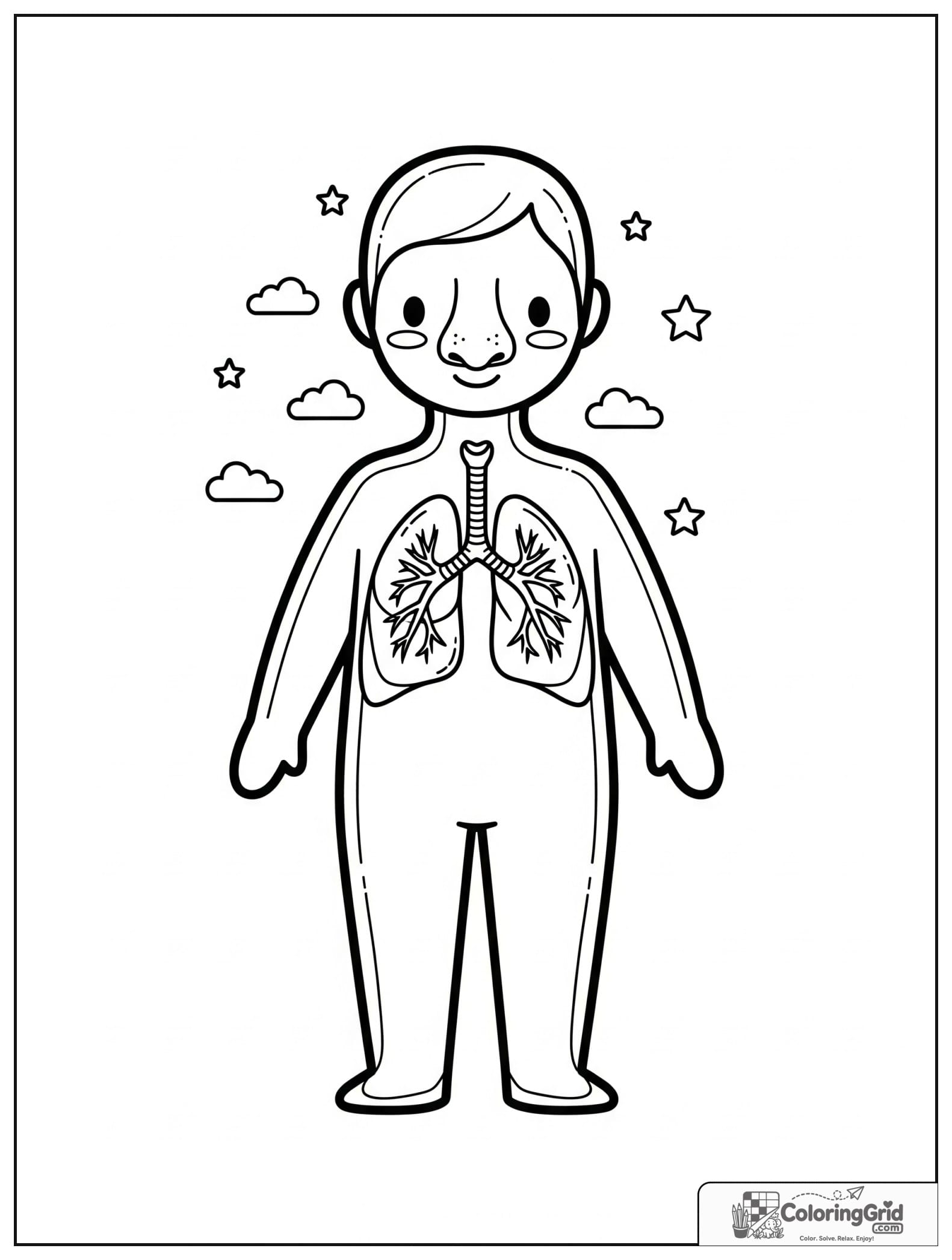
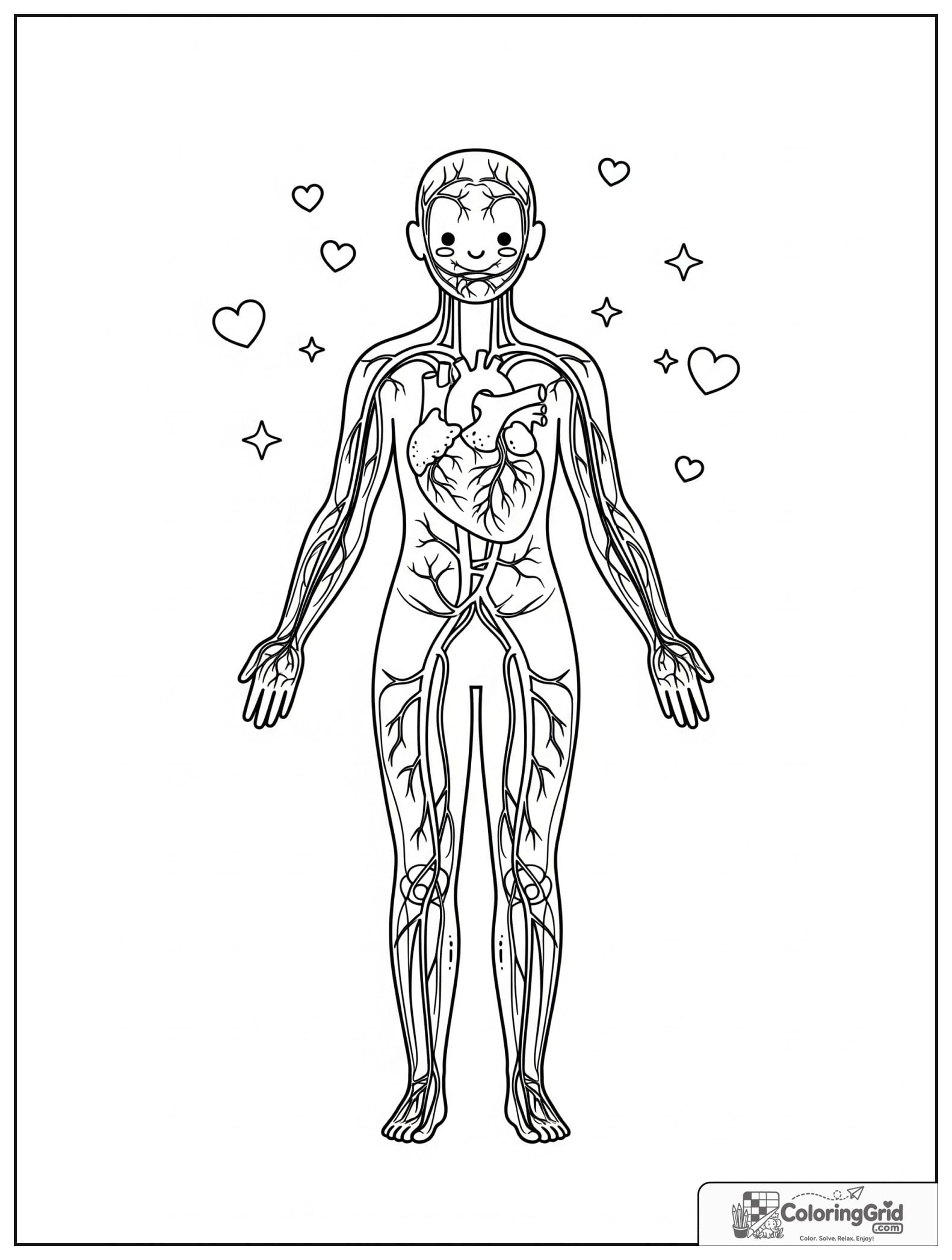
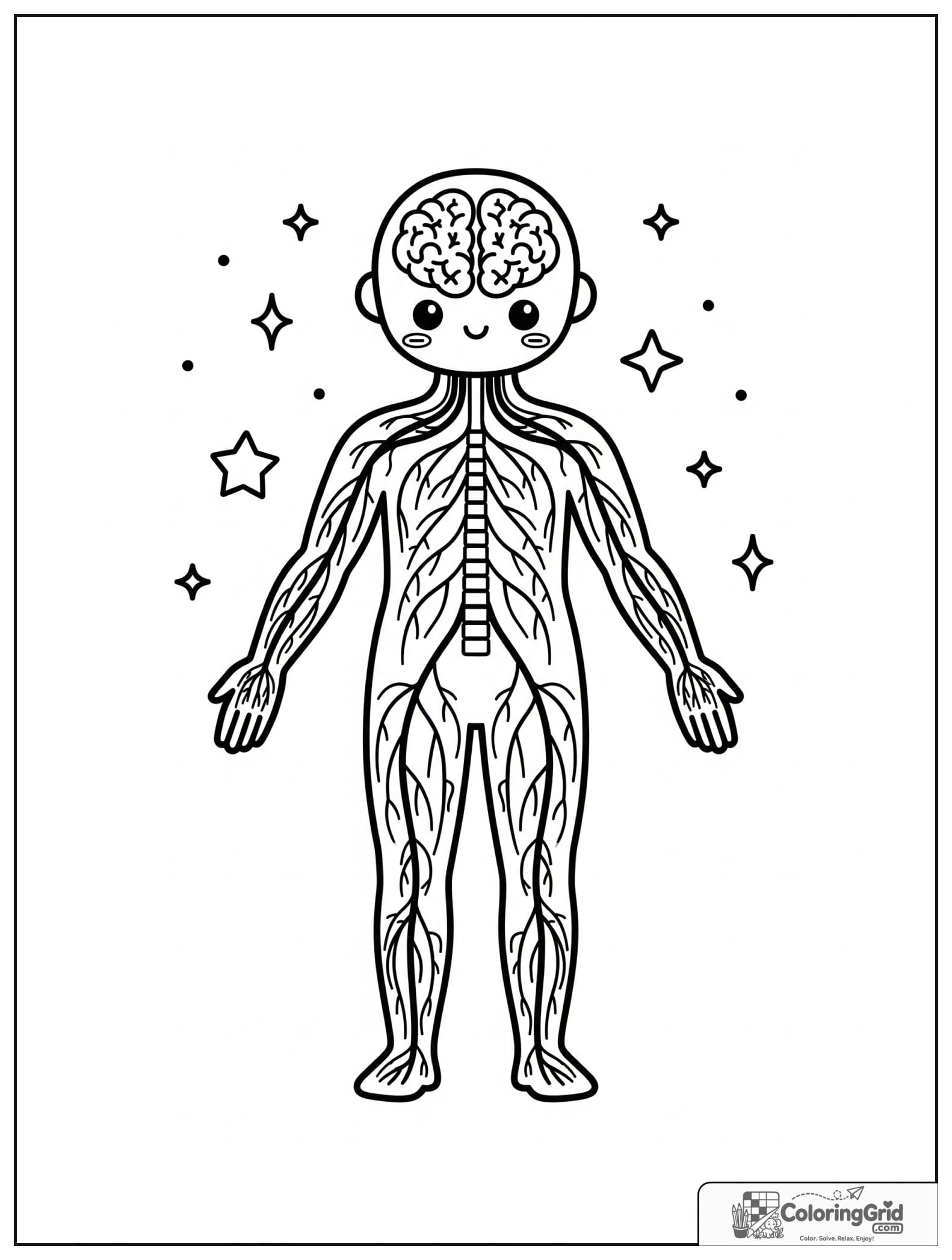
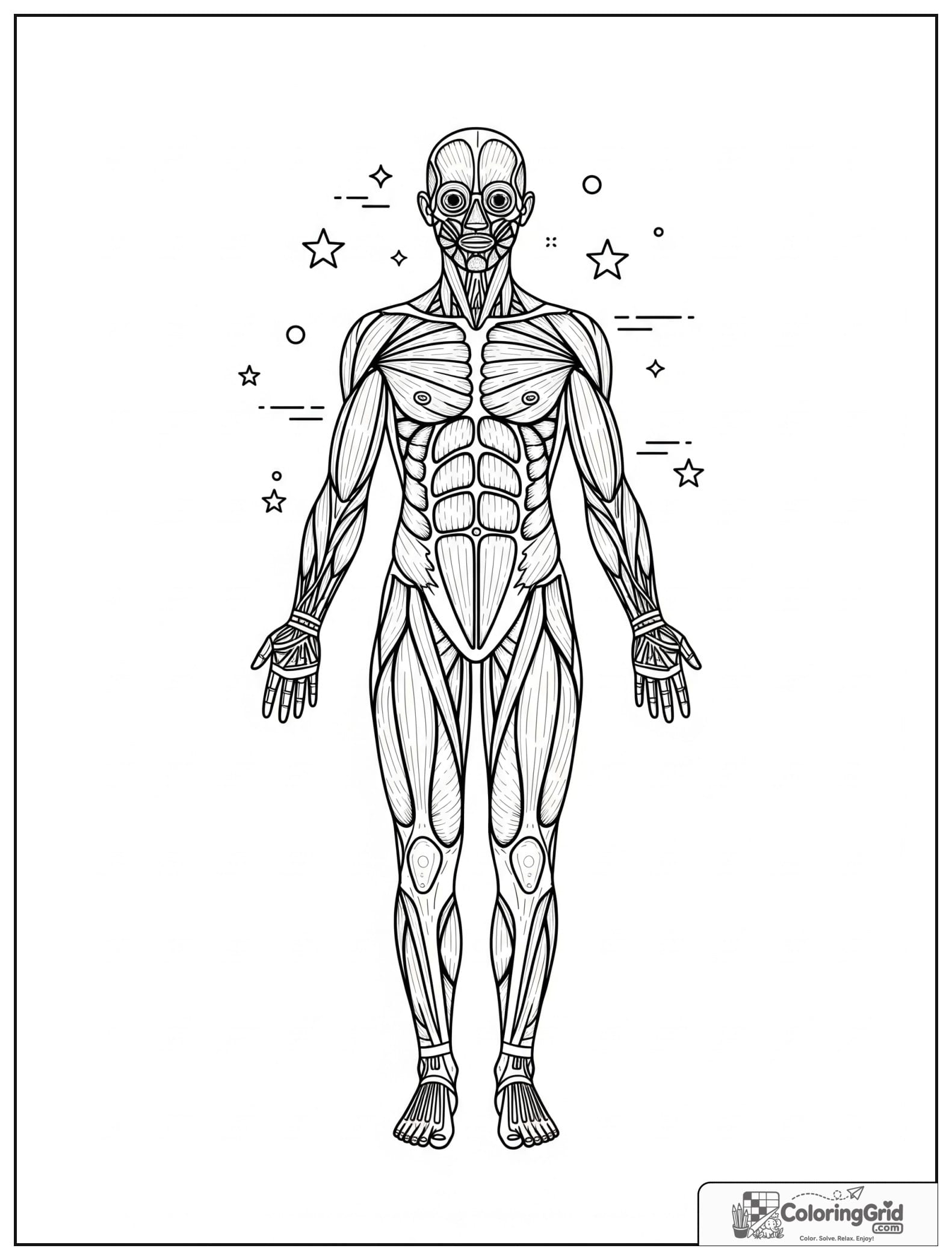
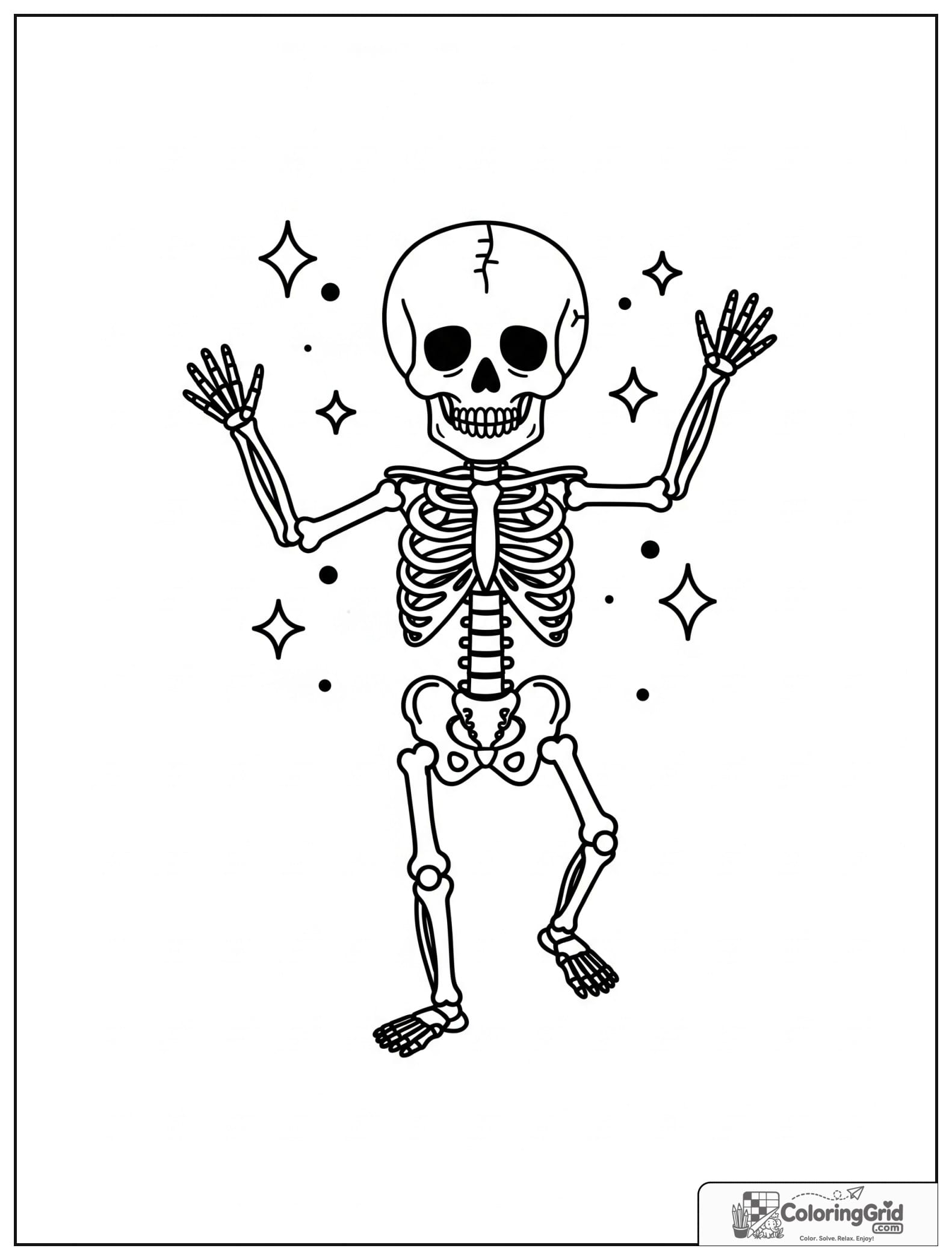
- whole-body skeleton, muscular, nervous, respiratory and circulatory pages;
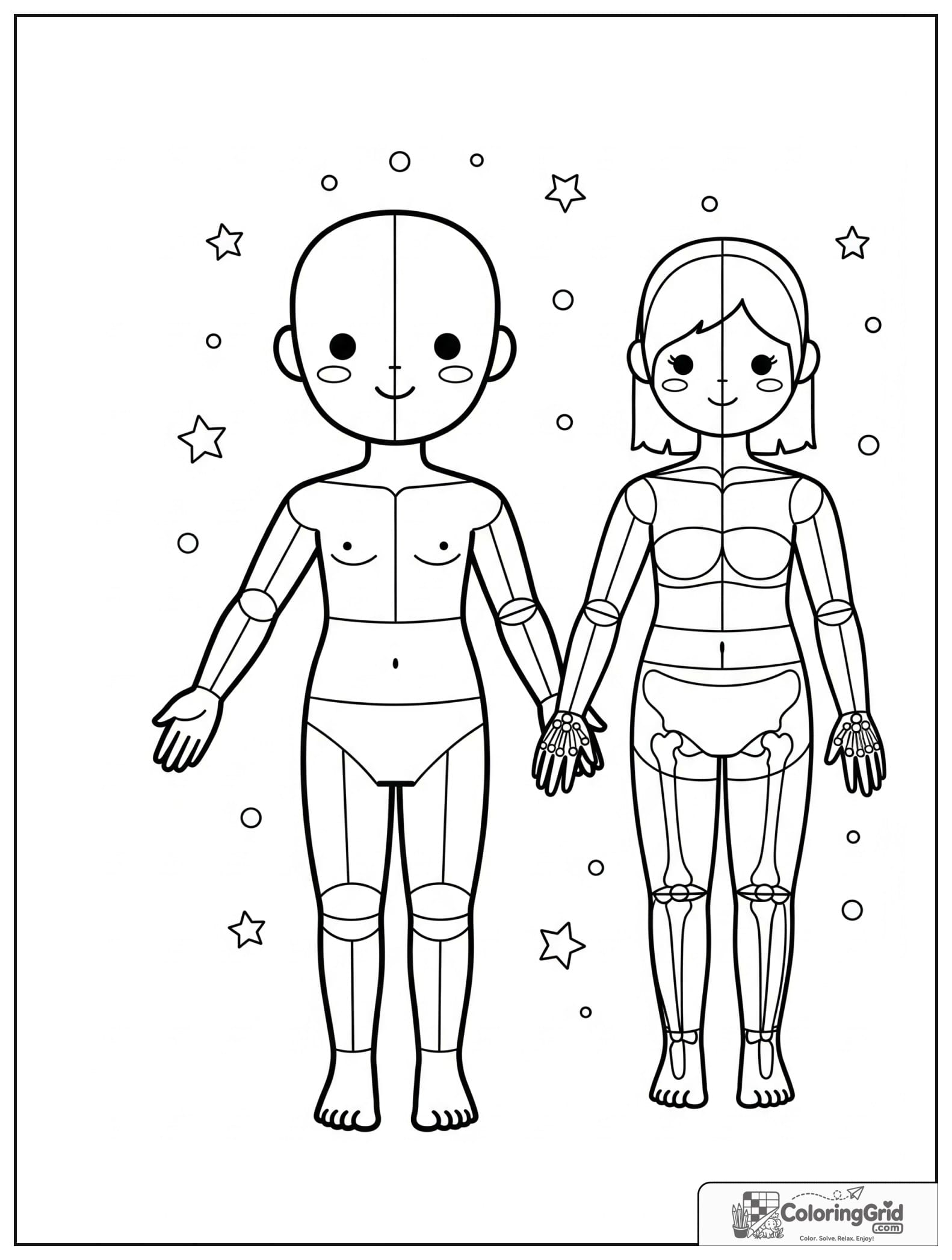
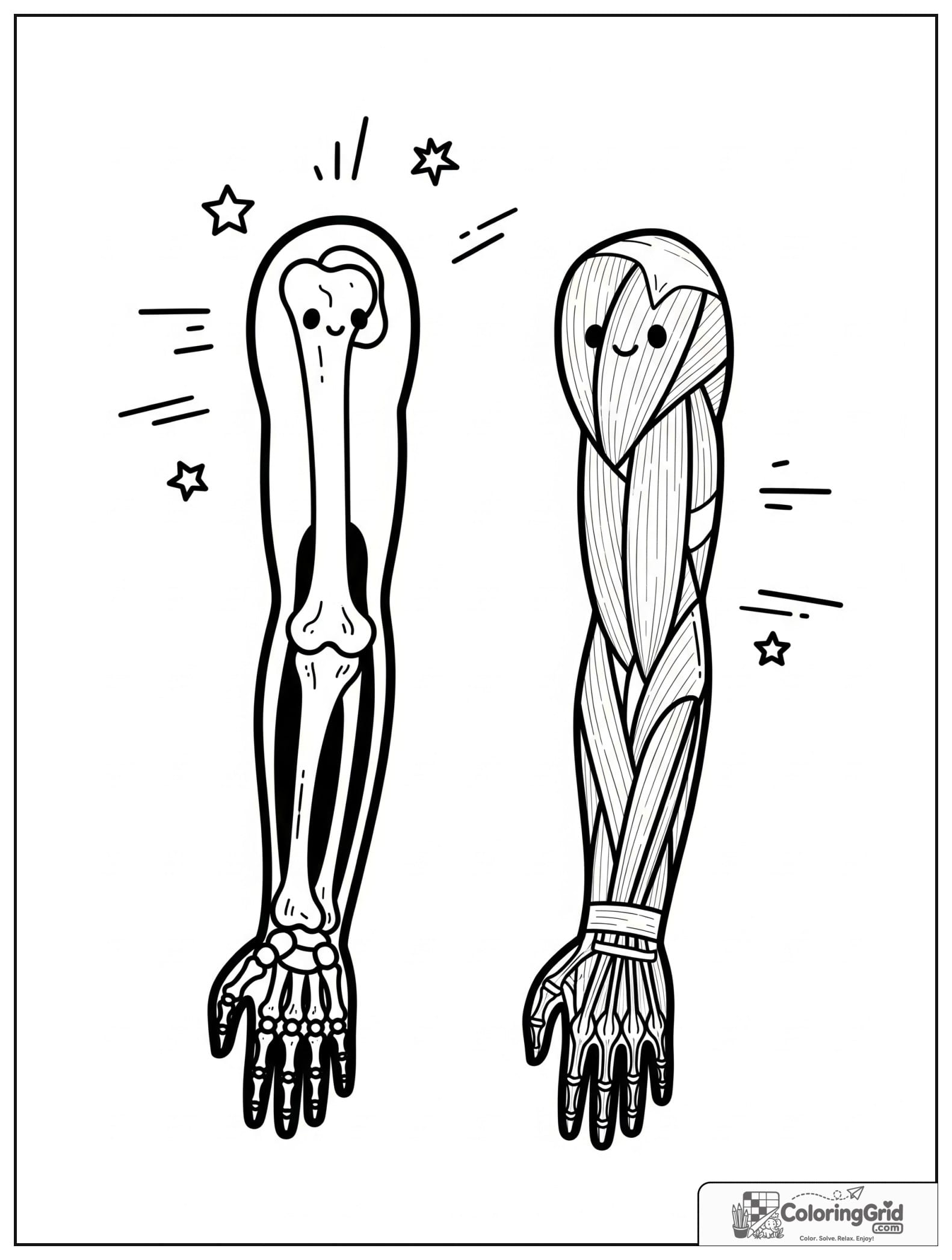
- split-view sheets that compare two systems in one body;
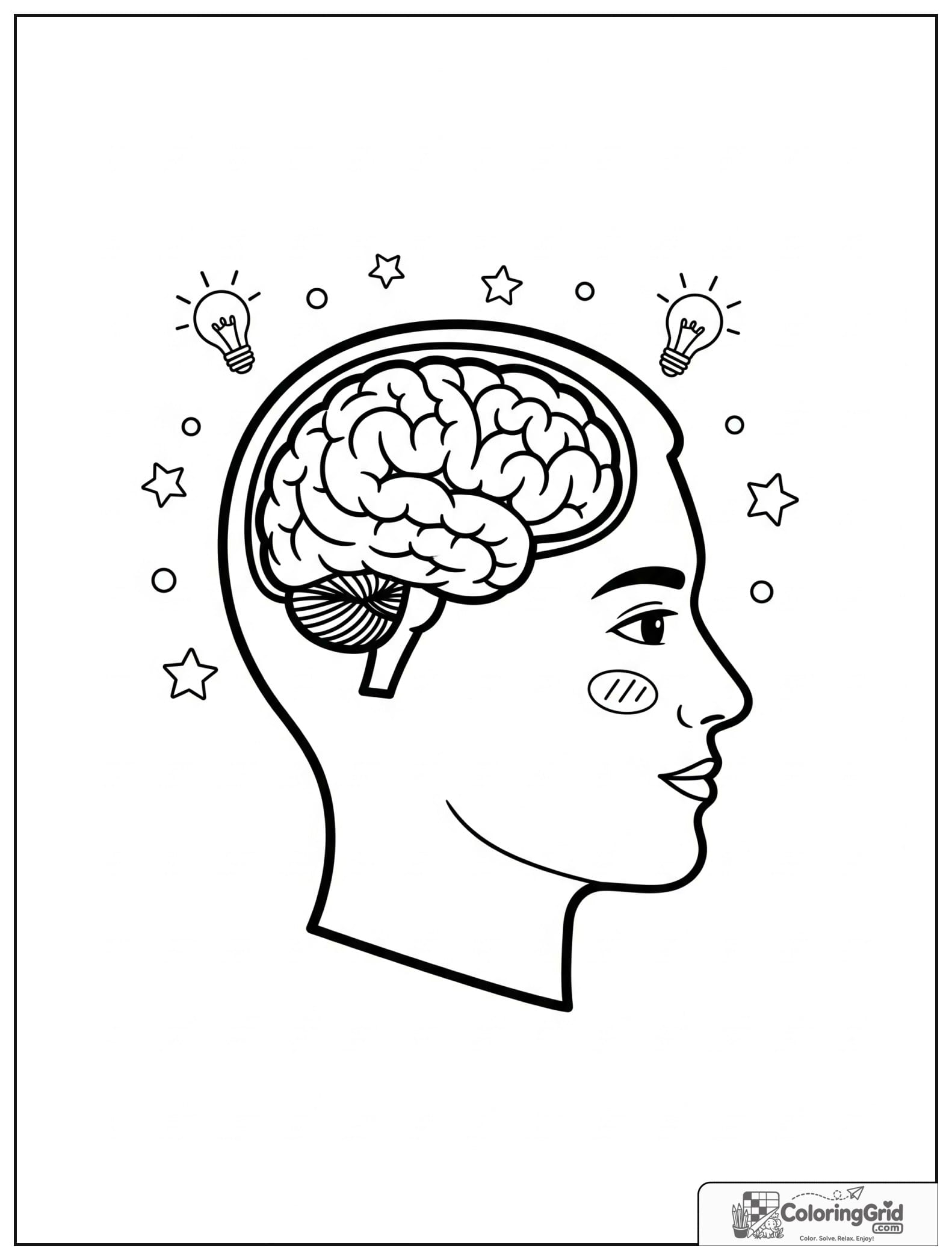
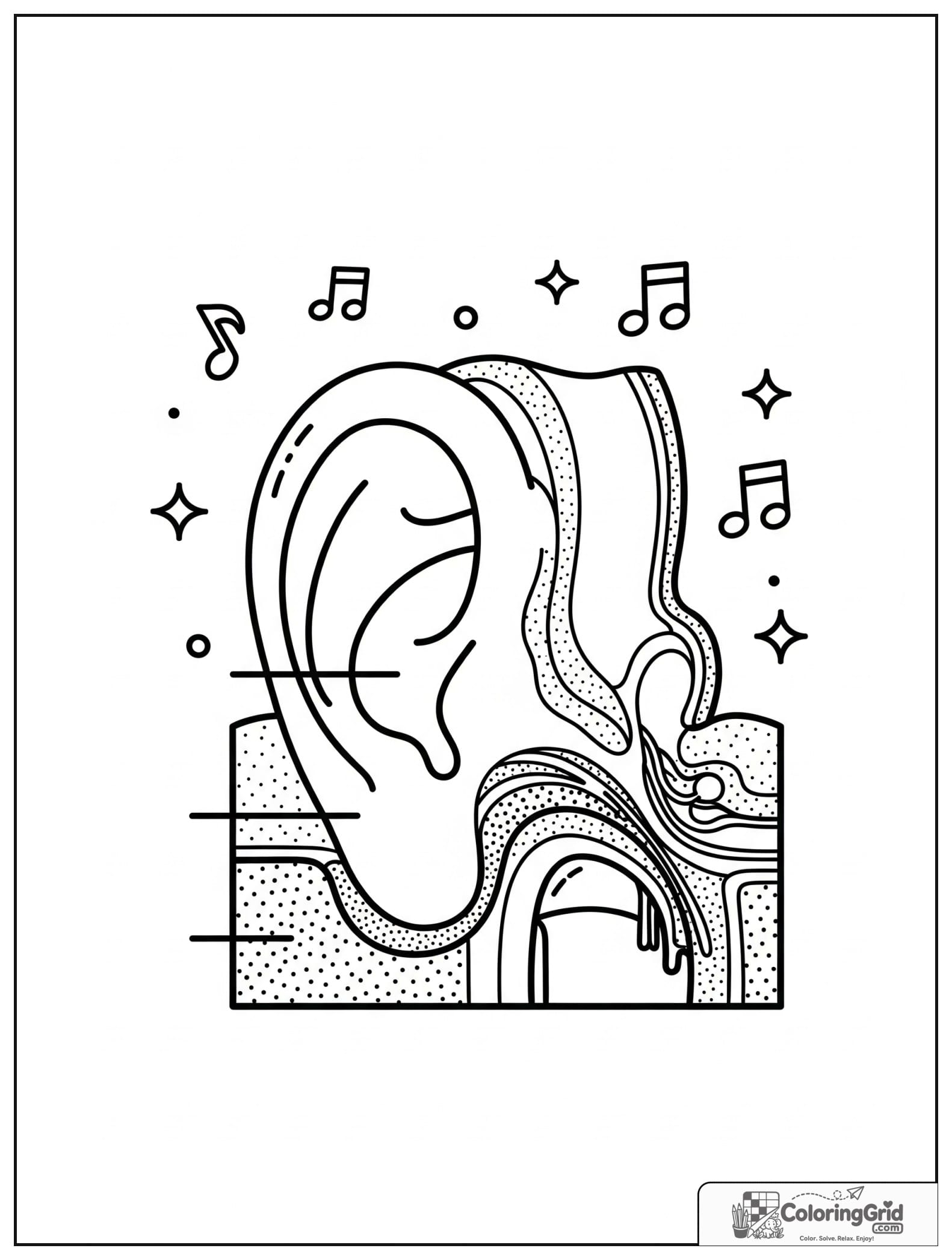
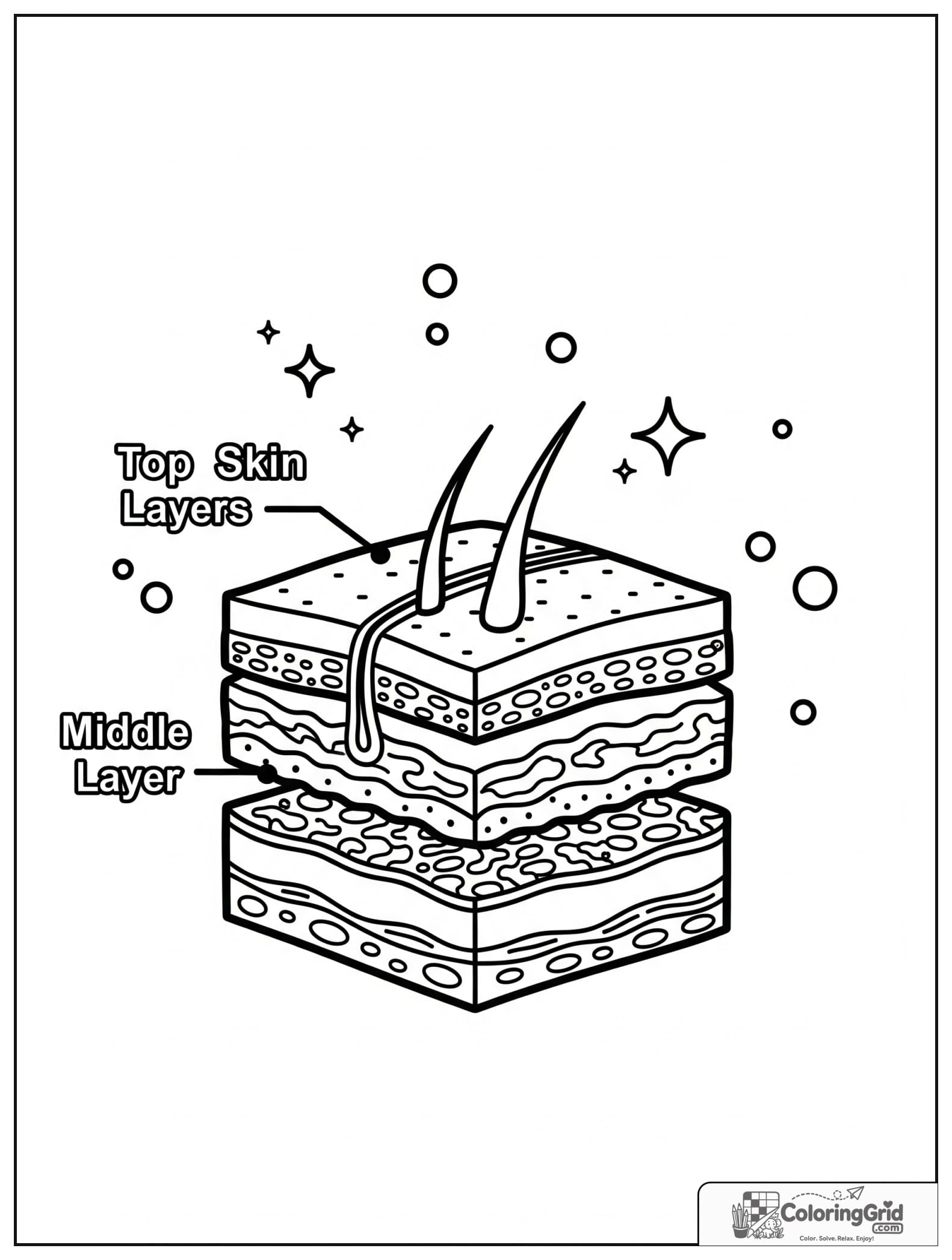
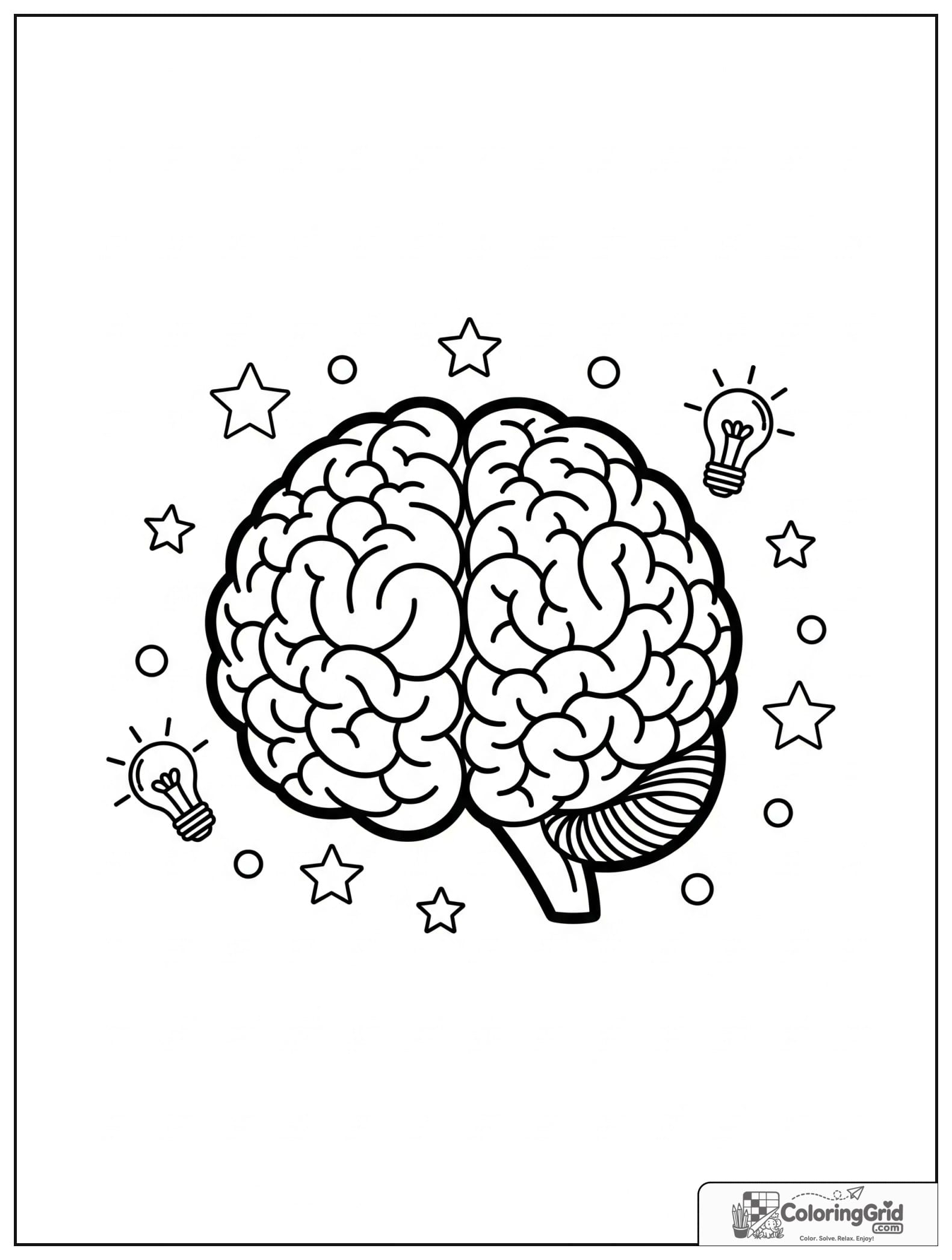
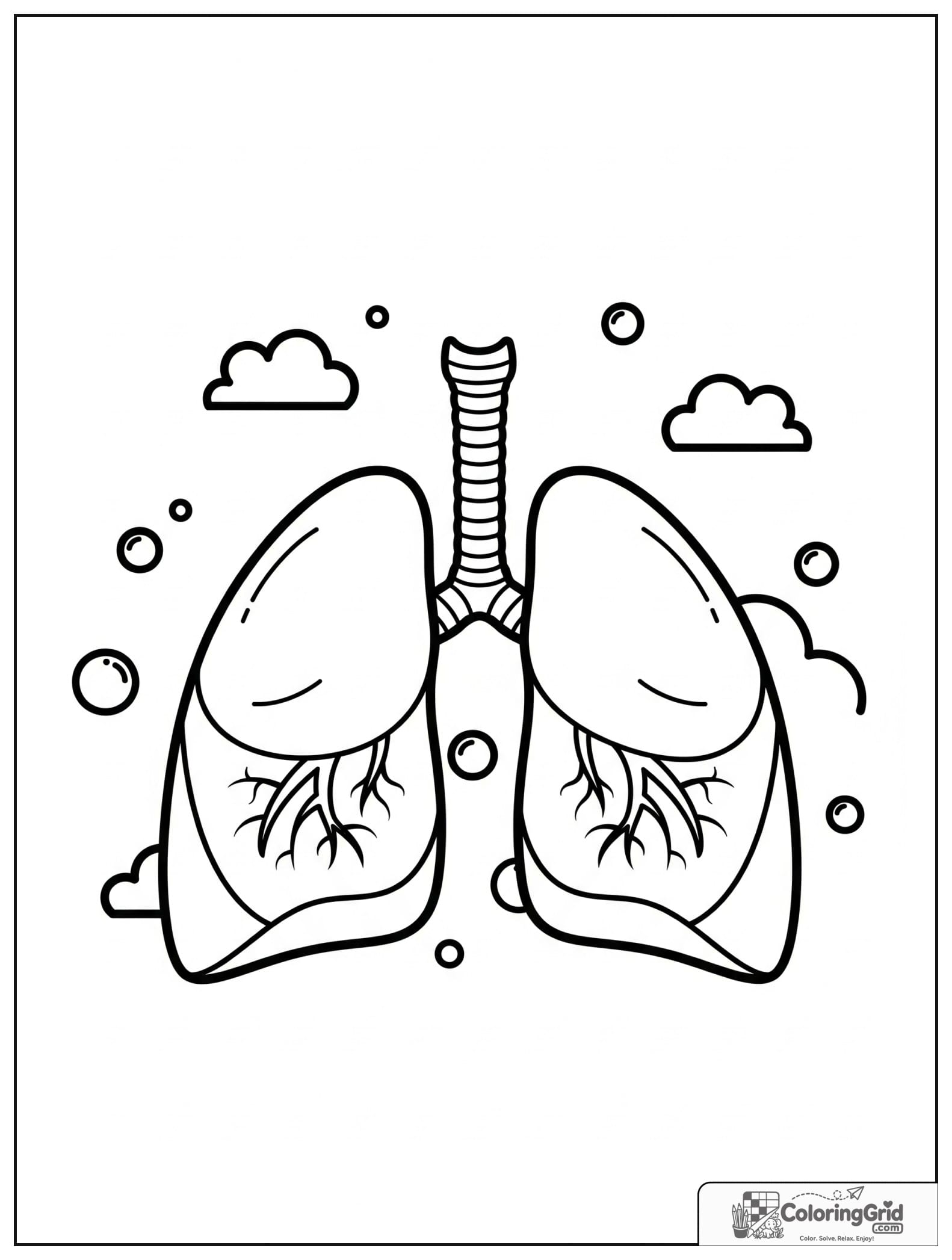
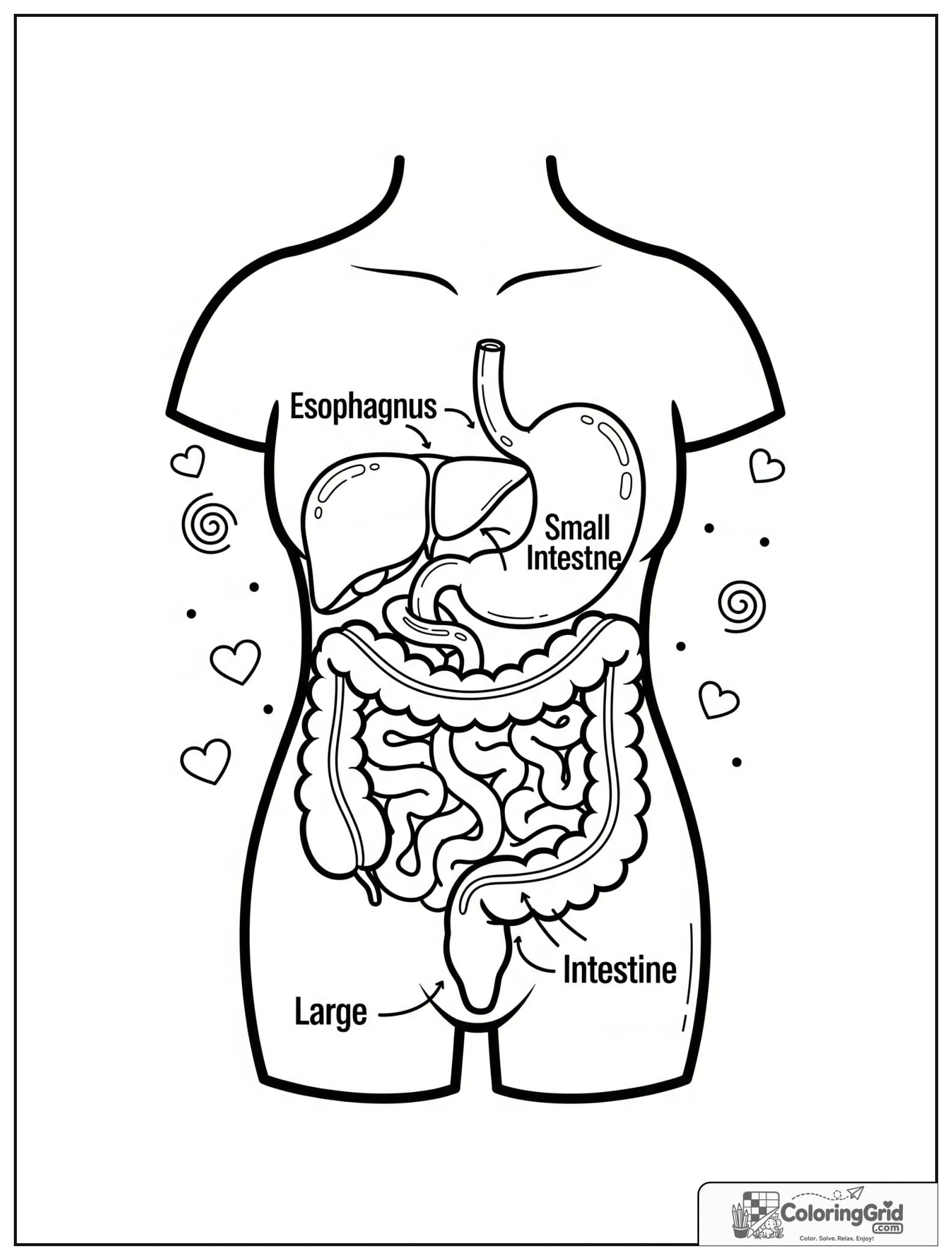
- focused brain, heart, lungs, digestive system, skin and ear pages;
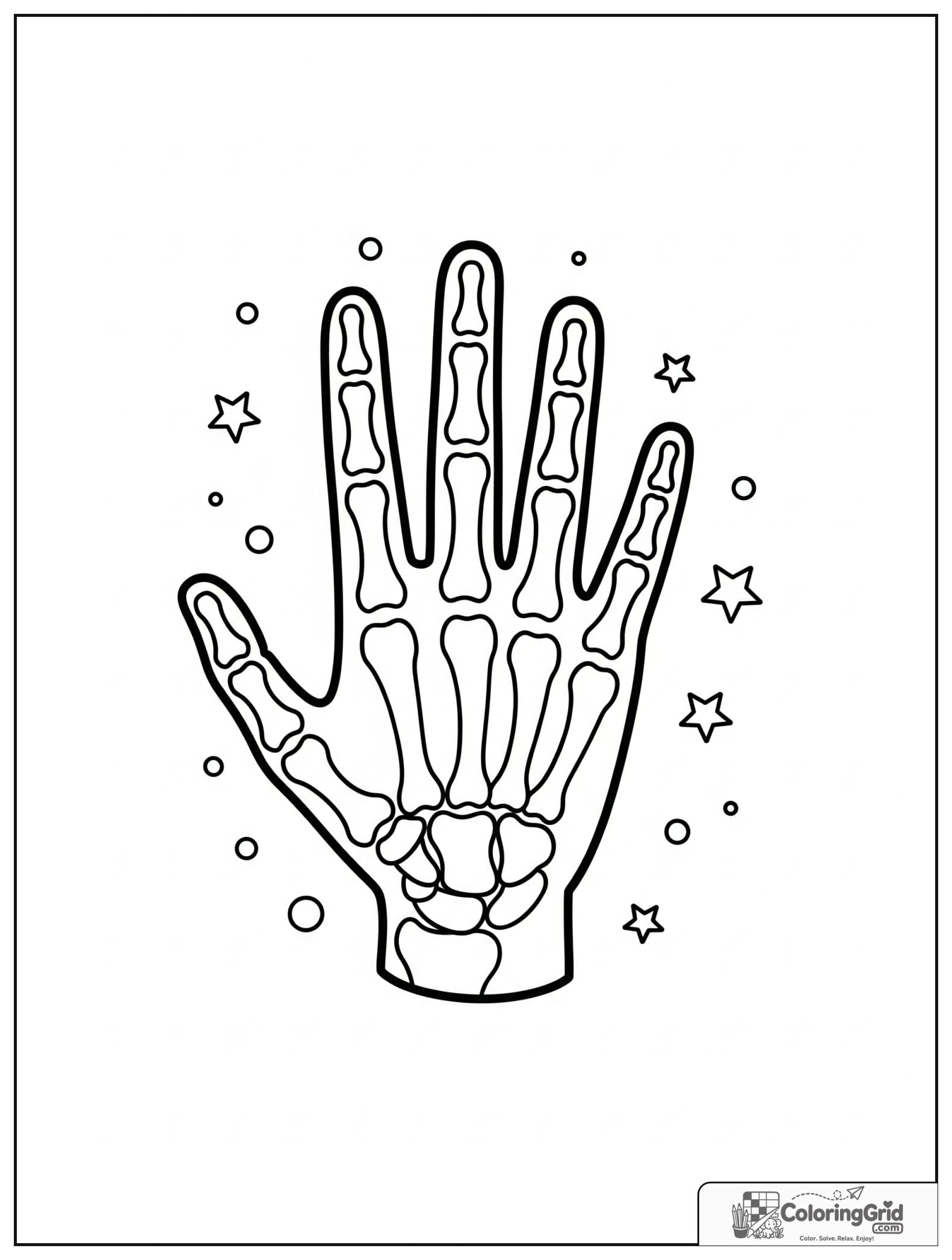
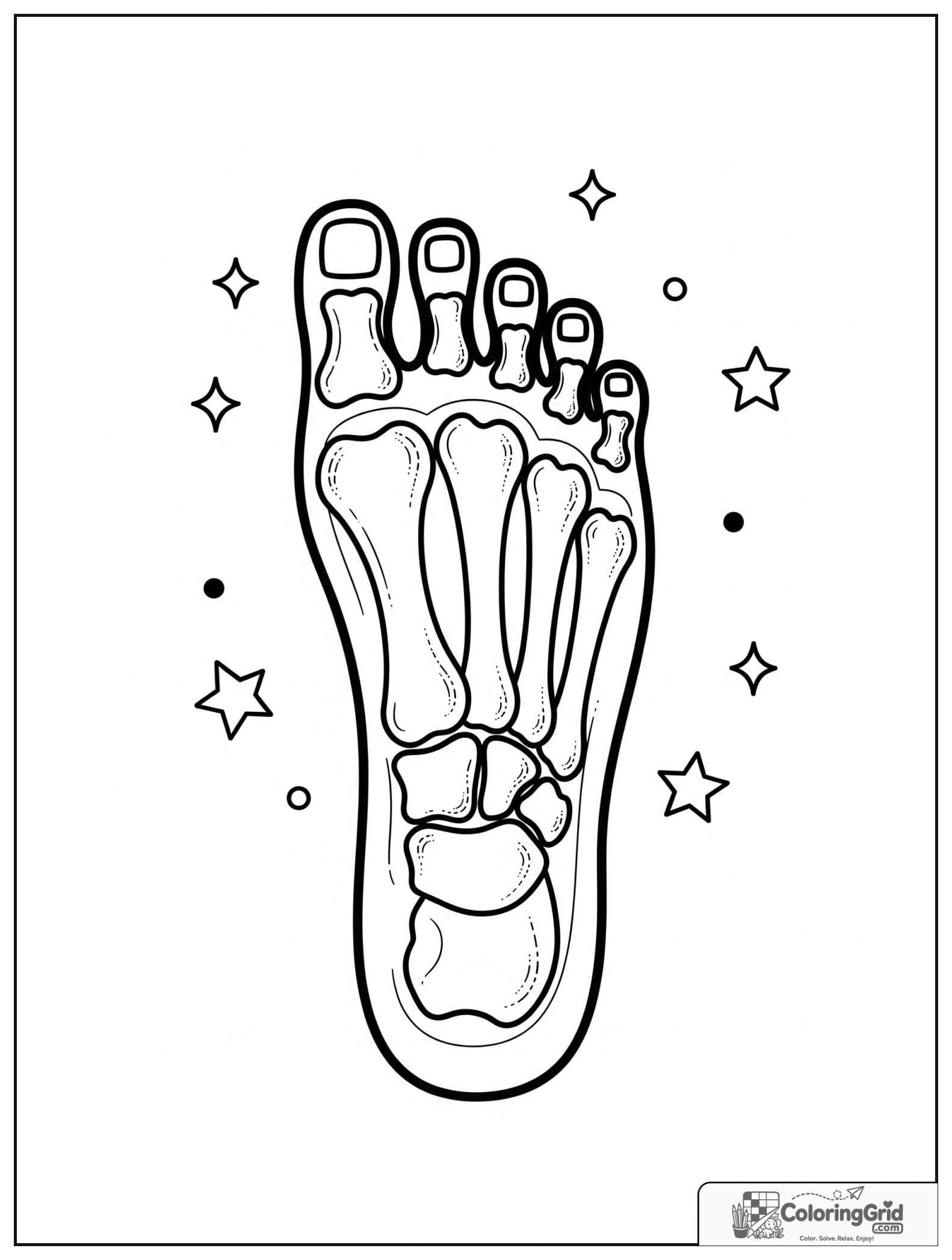
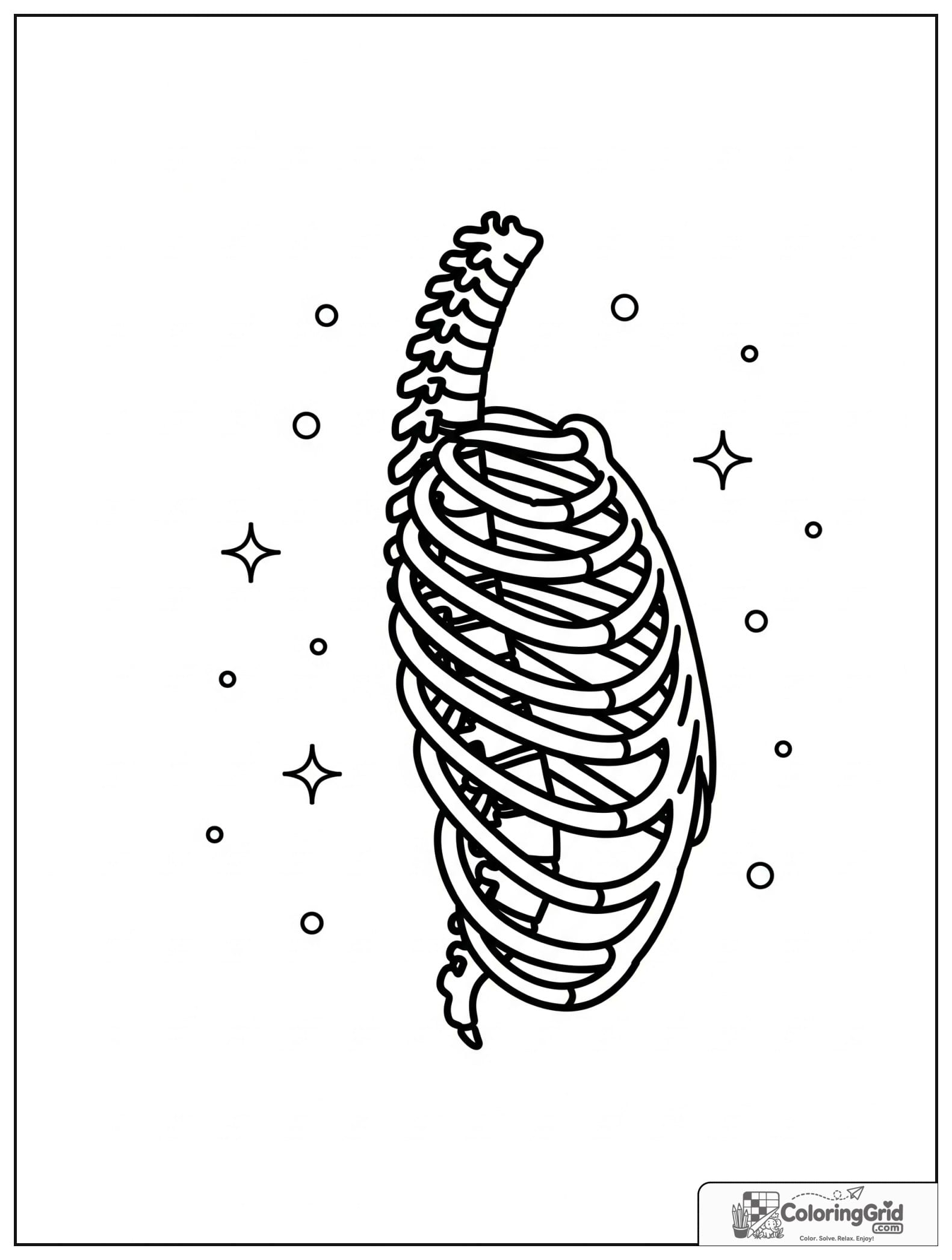
- hand, foot, spine, rib, arm, leg and joint sheets; and
- organ collections and classroom-poster-style overviews.
Choose a broad outline when the goal is body-part recognition or open-ended coloring. Choose a single-system page when a lesson already covers that topic. The most detailed sheets work best when an adult can help children compare the illustration with a trusted textbook or curriculum resource.
Accuracy note: These printables are simplified coloring activities. Some organs and structures are enlarged, repositioned or reduced to make them clear on the page. Do not use them to diagnose a health concern or as a substitute for an anatomy reference.
Human Body Coloring Pages
Use the preview descriptions to find the topic you need, then select Download PDF/JPG below that image. The primary download opens a printable PDF. Print at actual size for consistent margins, or use fit-to-page if your printer cuts off the border.
While you're here, explore these fun related coloring pages too!


How to choose a page
| Activity goal | Good page choices | Simple prompt |
|---|---|---|
| Learn external body areas | Front/back outlines, posture outline | Which areas are at the top, middle and bottom of the body? |
| Introduce internal organs | Organ collection, torso, girl/boy organ outlines | Which organs can you find on more than one page? |
| Focus on one system | Skeleton, muscular, respiratory, circulatory or nervous page | What parts belong together on this sheet? |
| Compare systems | Split skeleton/organs, digestive/nervous or circulatory/respiratory sheets | What looks different between the two sides? |
| Study one body part | Brain, heart, lungs, skin, ear, hand or foot page | What shapes and sections can you observe? |
The prompts are observation questions, not quizzes. Confirm terminology with the learning material already used by the child’s school or homeschool program.
Three low-prep activity ideas
1. Outline and label
Print a front or back body outline. Ask the child to color large external areas first, then add only the labels that are appropriate for the current lesson. Keeping the label list short makes the page usable for younger learners without turning it into a crowded worksheet.
2. One-system color key
Choose one whole-body system page and create a small color key beside it. Use a different color only when it represents a category already taught in the lesson. The goal is to connect the coloring page to known vocabulary, not to guess unfamiliar anatomy from the drawing.
3. Compare two printables
Place a broad body outline next to a focused organ or system page. Ask the learner what the focused page shows that the outline does not. For a group, let pairs compare two sheets and share one observation. This adds an original task to the printable instead of using the page only as decoration.
Printing tips
- Use regular letter-size paper for crayons or markers that do not bleed heavily.
- Use colored pencils for the pages with small sections, such as the ear, skin, hand and foot sheets.
- Select fit-to-page if the preview border is clipped in print preview.
- Print one master copy first before preparing a classroom set.
- Keep an uncolored copy with the lesson plan so the same page can be reused later.
Personal and classroom use
The pages may be printed for personal, homeschool or classroom activities. Link to this page when sharing the resource with another family or teacher. Do not resell the files or upload the PDFs to another website.
For more school-friendly themes, browse the Educational Coloring Pages collection. Related printable sets include Insect Coloring Pages, Fruit Coloring Pages and Months of the Year Coloring Pages.
Frequently asked questions
Are these human body coloring pages free?
Yes. The 36 pages can be printed for personal, homeschool or classroom activities. Open the Download button below a preview to get its printable PDF.
Are the pictures anatomically exact?
No. They are simplified, child-friendly coloring illustrations. Details may be enlarged or moved for clarity. Use a current textbook or trusted curriculum resource when accurate position, scale or terminology matters.
Which pages are easiest for younger children?
Start with the front or back body outlines, the waving skeleton, or another page with large open spaces. Save the skin, ear, hand, foot and detailed system pages for children who are comfortable coloring smaller sections.
Can teachers use these pages in a lesson?
Yes. Choose one page that directly matches the topic being taught, add a short observation or labeling prompt, and review the terms with the class. The printable works best as a supporting activity rather than the only source of anatomy information.
Should I download PDF or JPG?
Use the PDF for consistent printing. If the download interface also provides a JPG, use it when you need to place one illustration into a document or resize it.
Begin with one page that matches the current topic, confirm the vocabulary with a trusted learning source, and keep the task small. The 36-sheet collection covers broad outlines, individual parts and several body systems, making it possible to choose a relevant printable instead of giving every learner the same generic page.