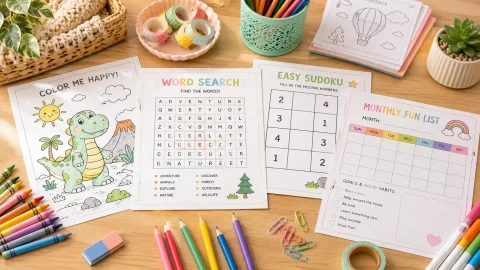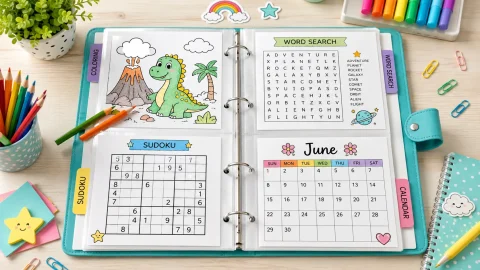
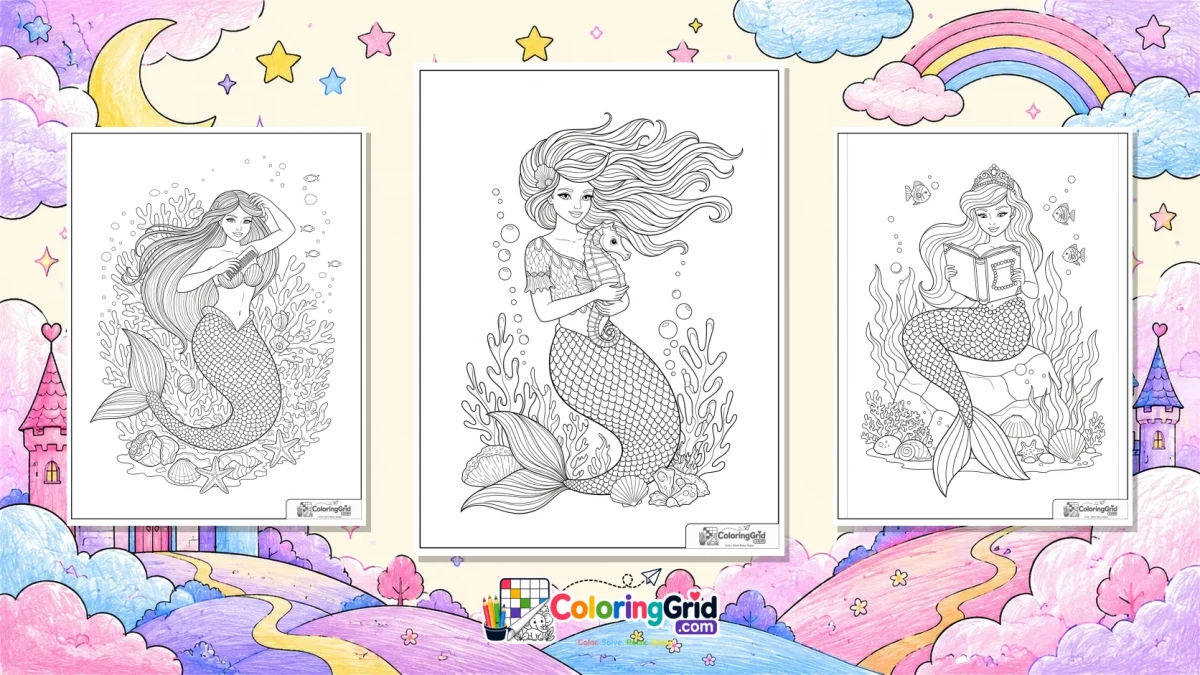
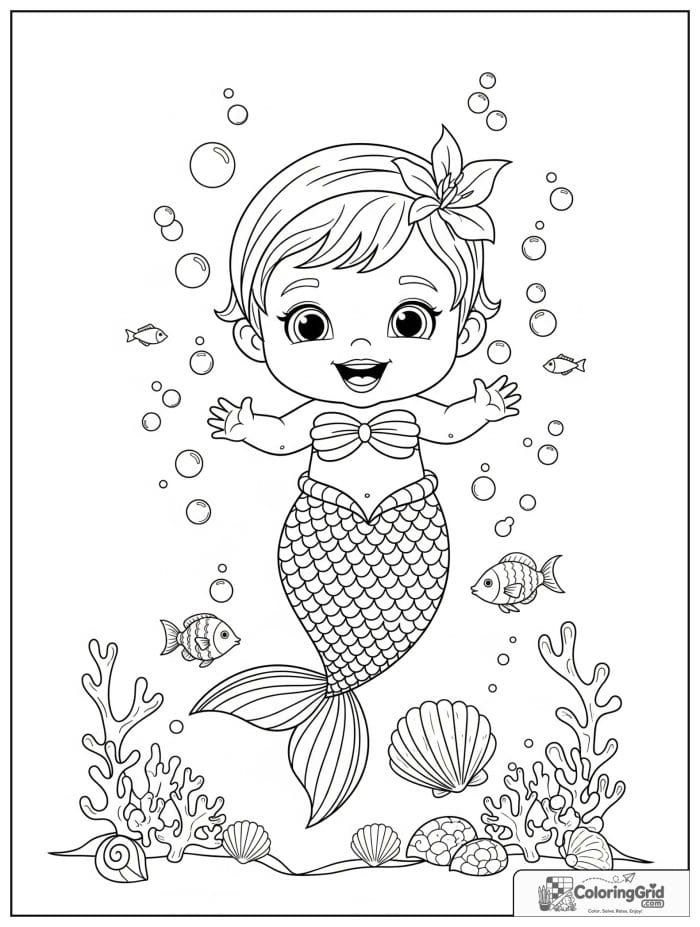
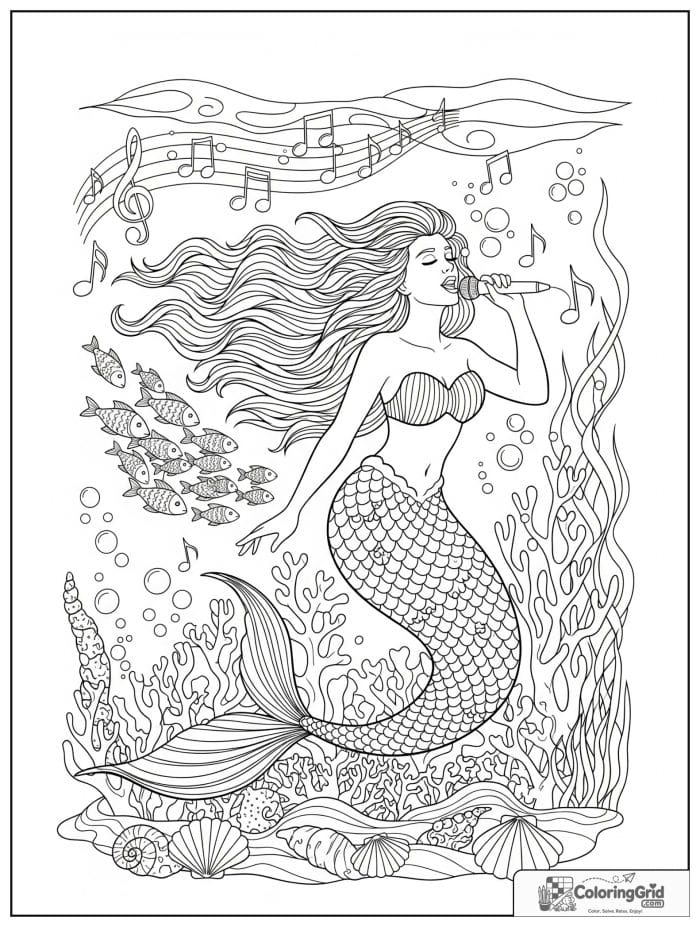
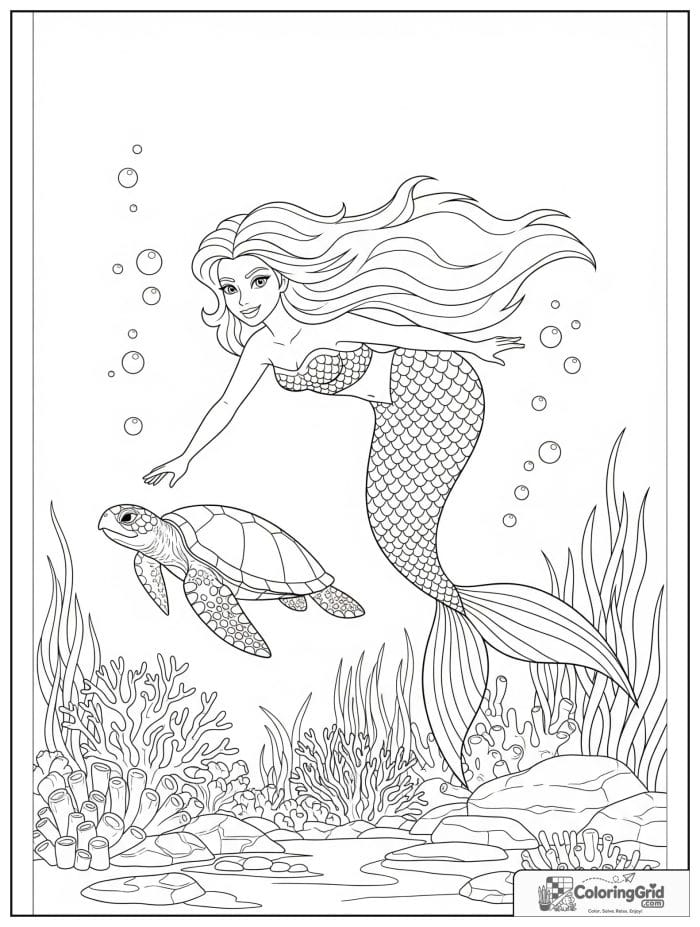
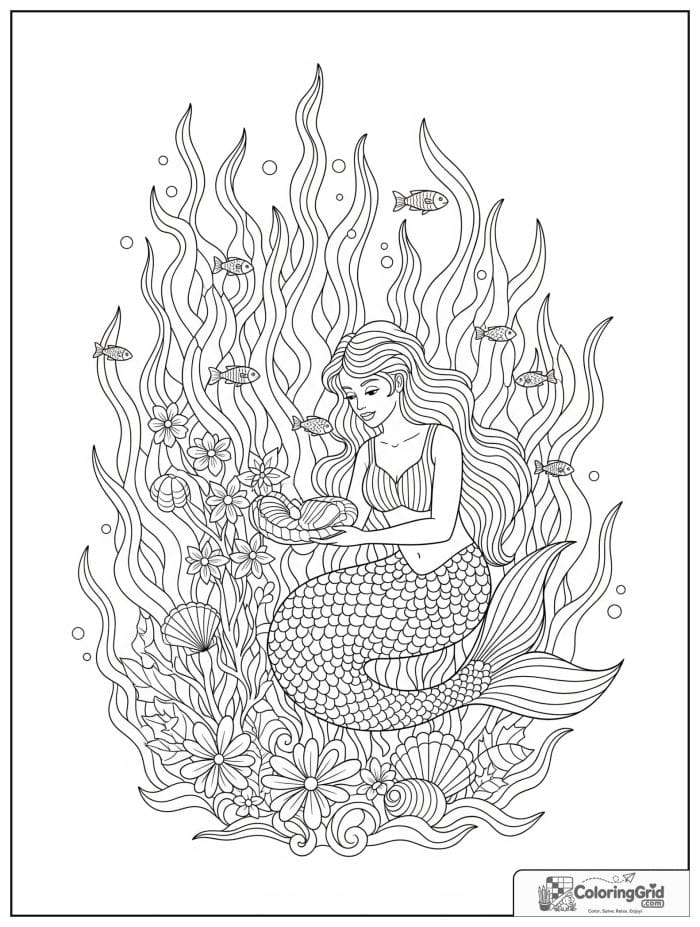
These Mermaid Coloring Pages are designed for quick printing and easy choices. The pages keep mermaid outlines, imaginative scenes, and magical details visible, so the main subject does not disappear under too much decoration. They work well for story prompts, creative writing warm-ups, and imaginative coloring time, especially when you want one calm activity ready in minutes.
For a complete packet, the PDF is the easier choice because the mermaid pages stay together. The JPG works better for a single favorite sheet, a quick preview print, or a page you want to crop for a simple activity.
What's Inside
Mermaid Printable Set
The printable gallery helps you choose the right level. Pick clean mermaid outlines for short activities, or choose pages with imaginative scenes, magical details, and storybook elements when the session needs more detail.
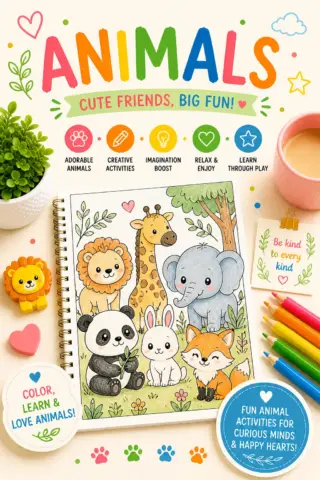
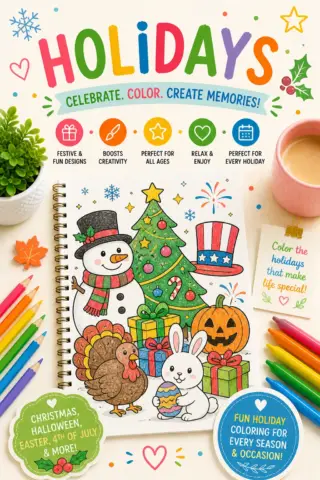
While you're here, explore these fun related coloring pages too!
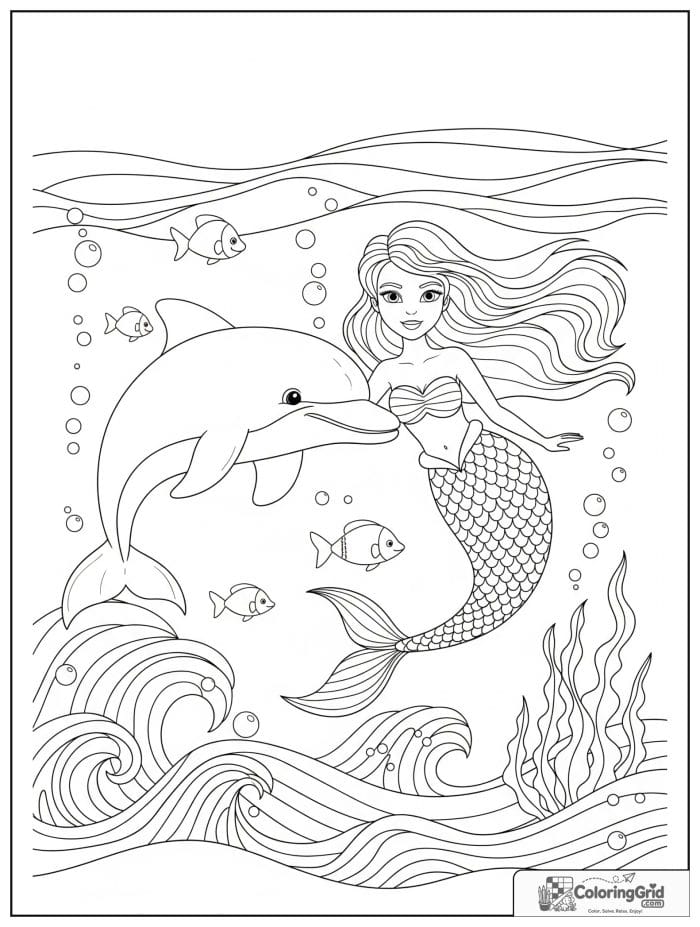
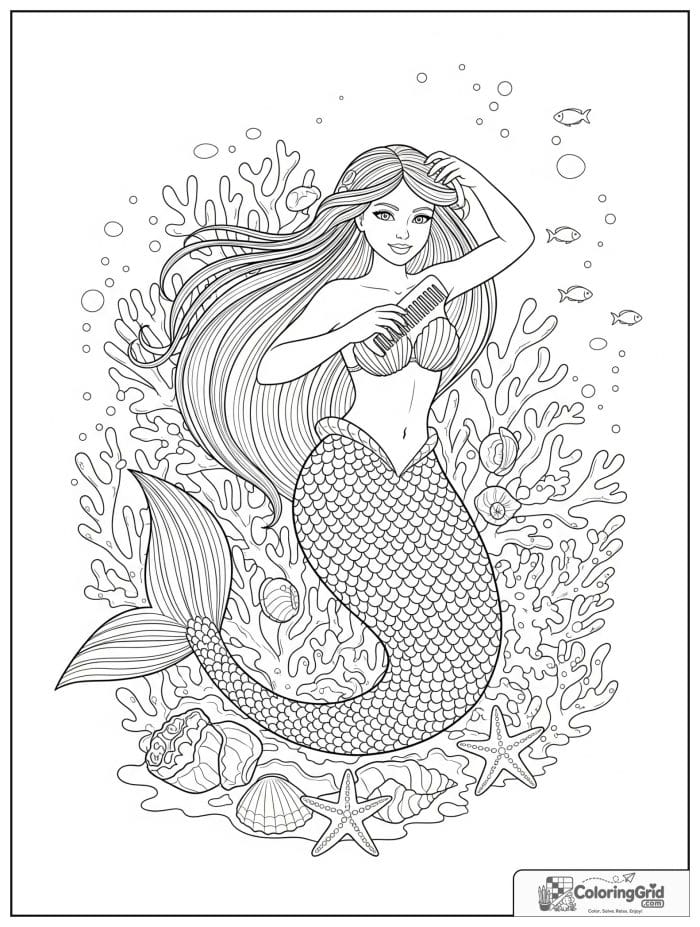
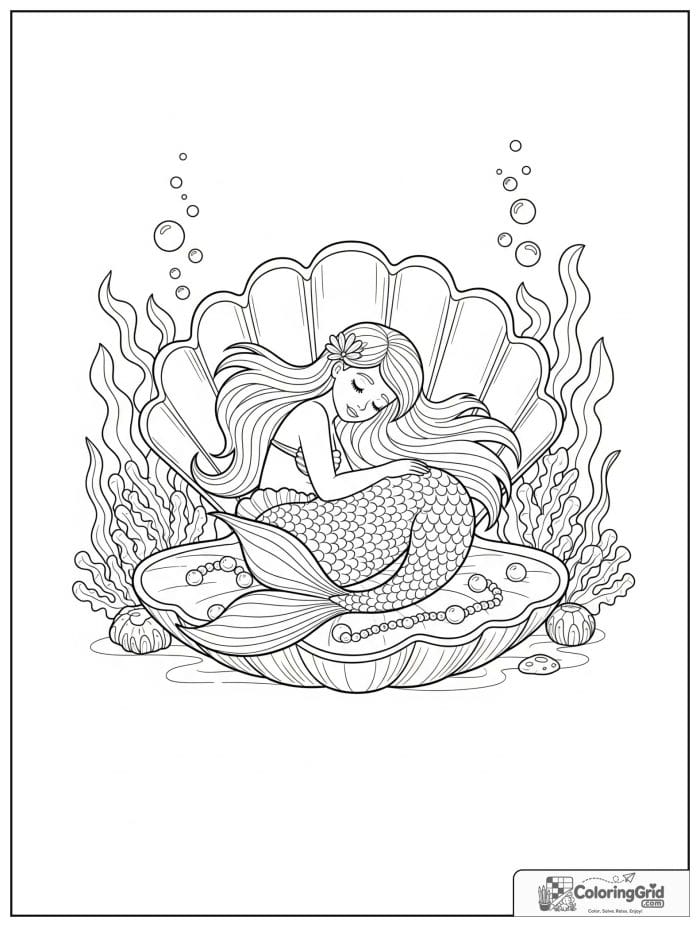
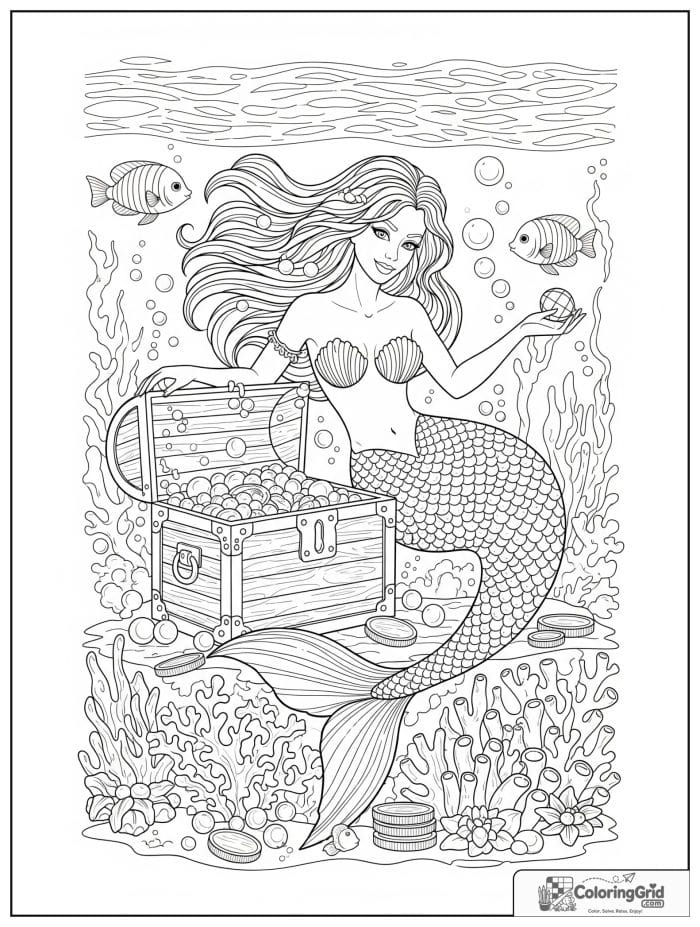
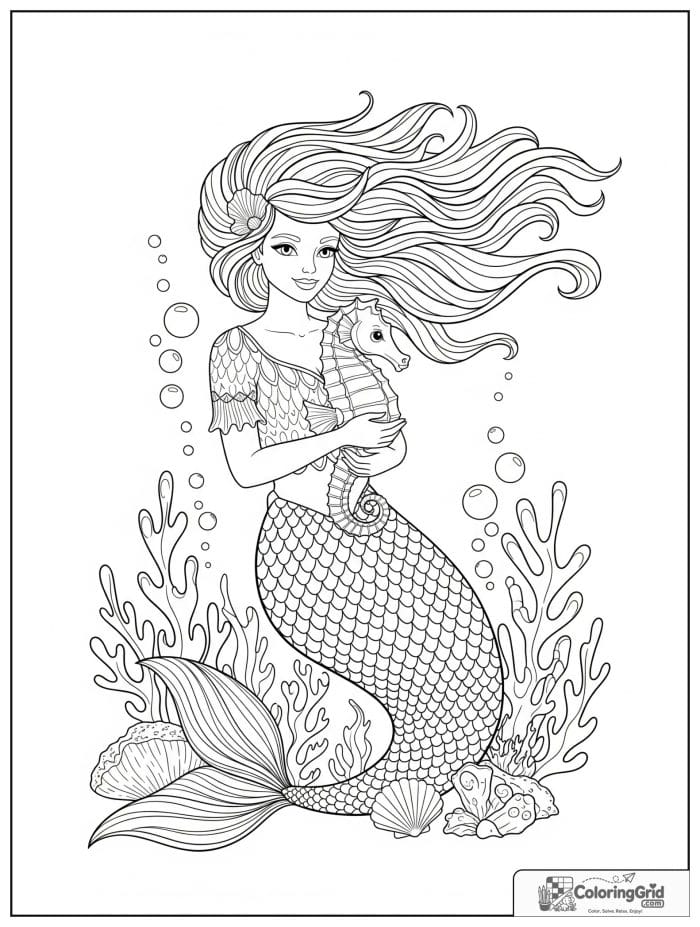
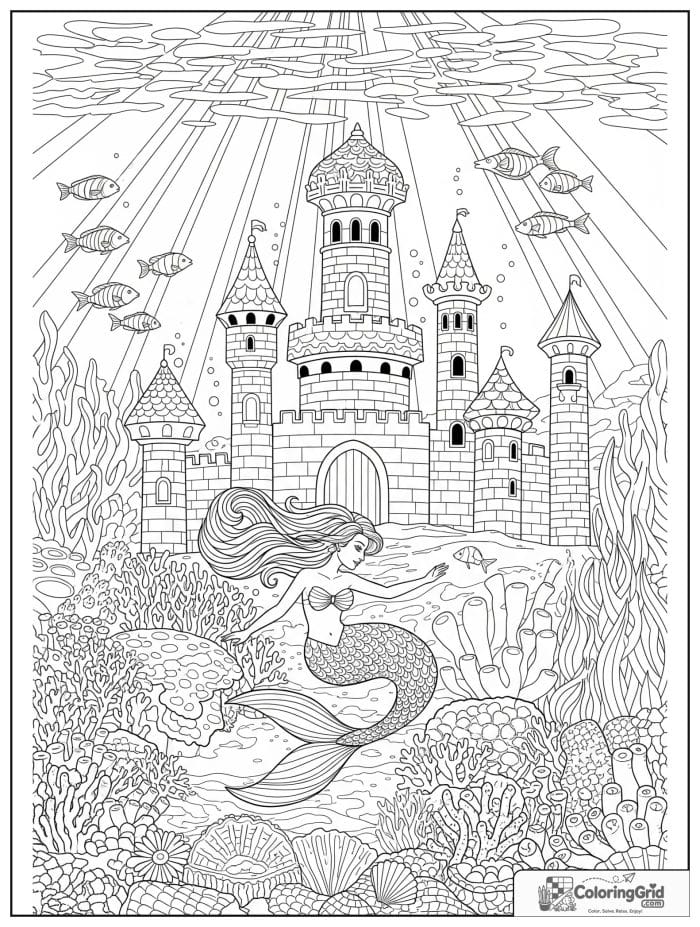
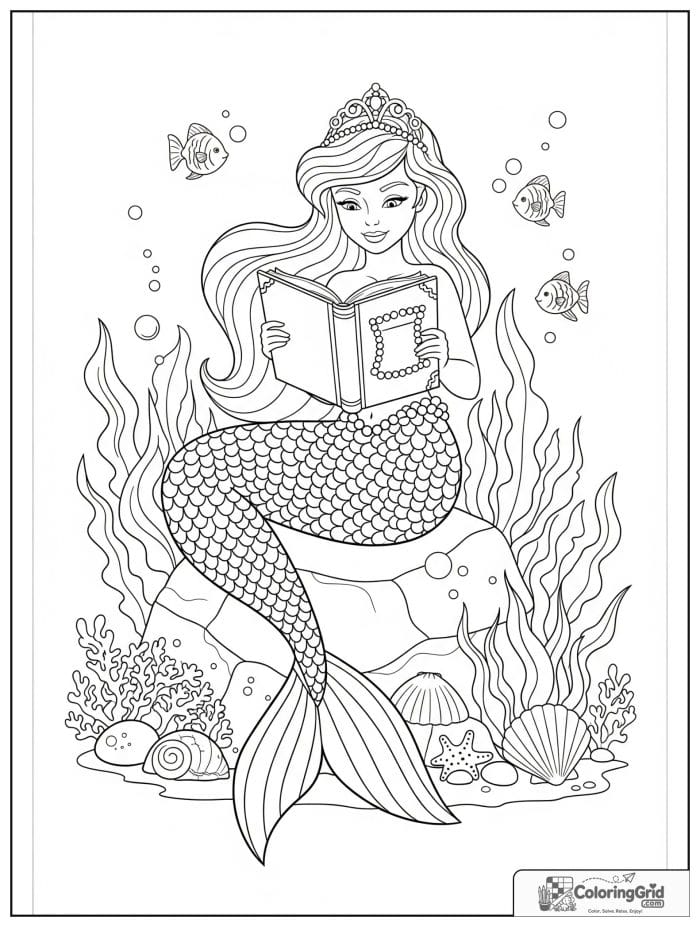
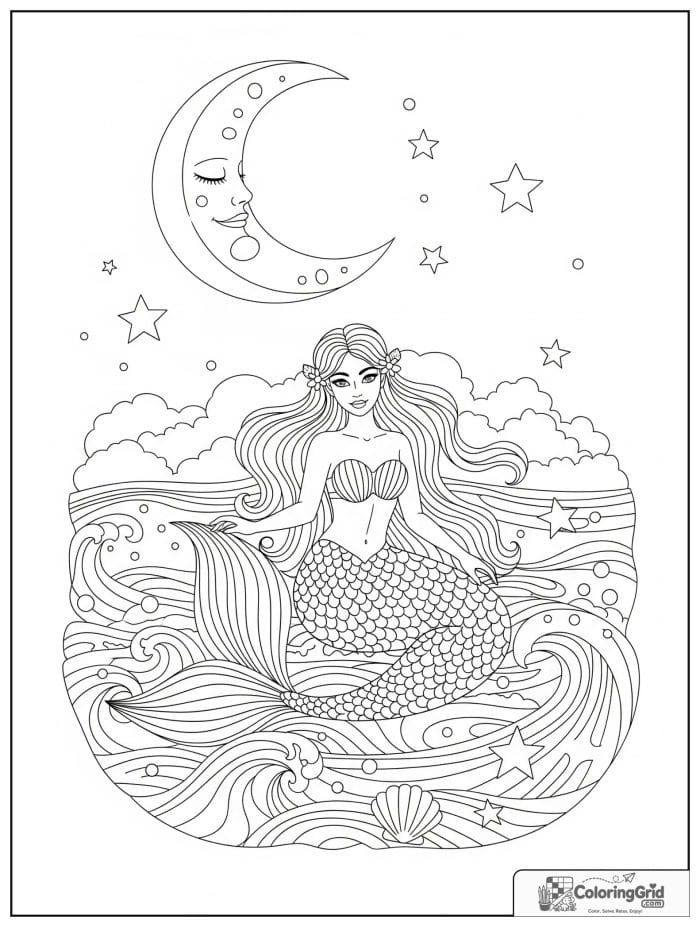
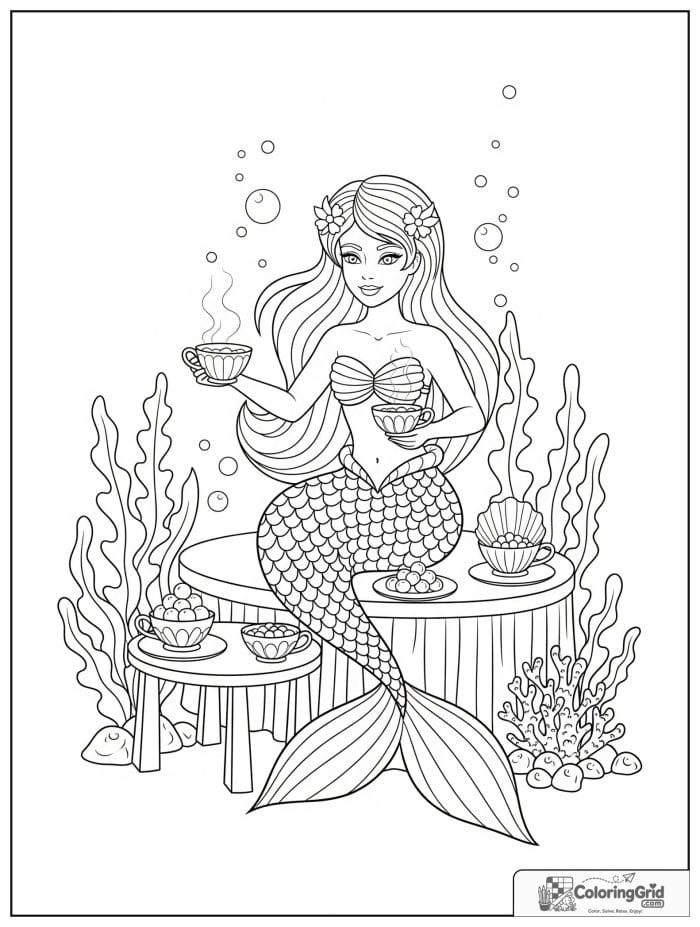
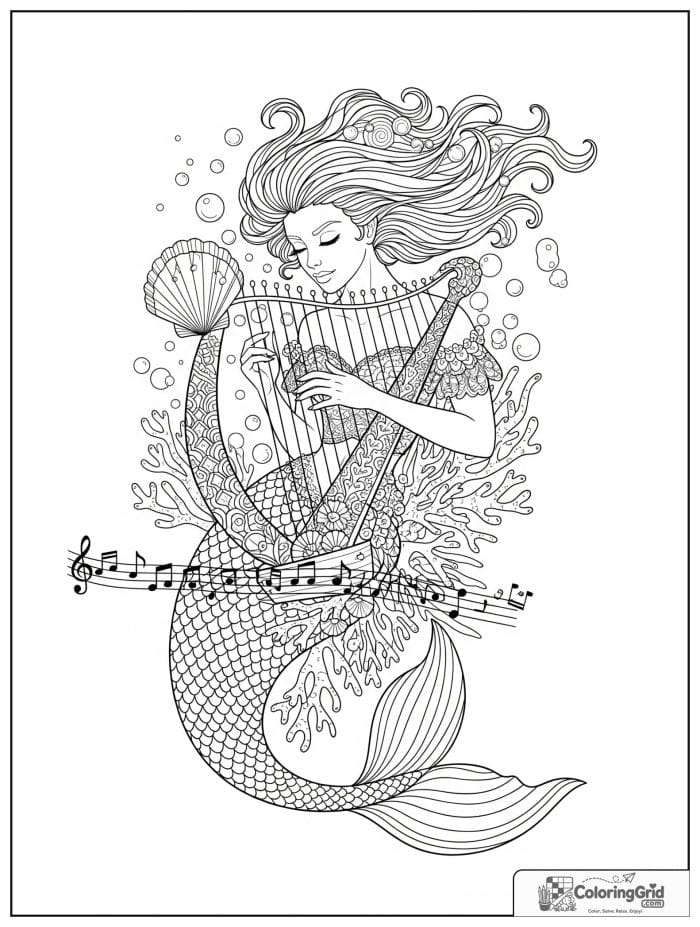
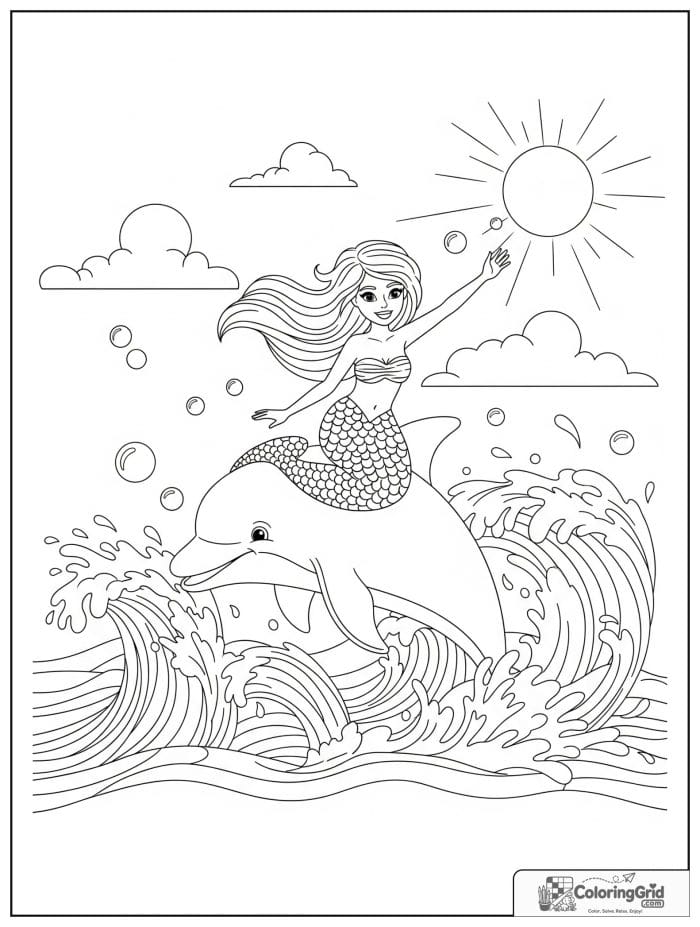
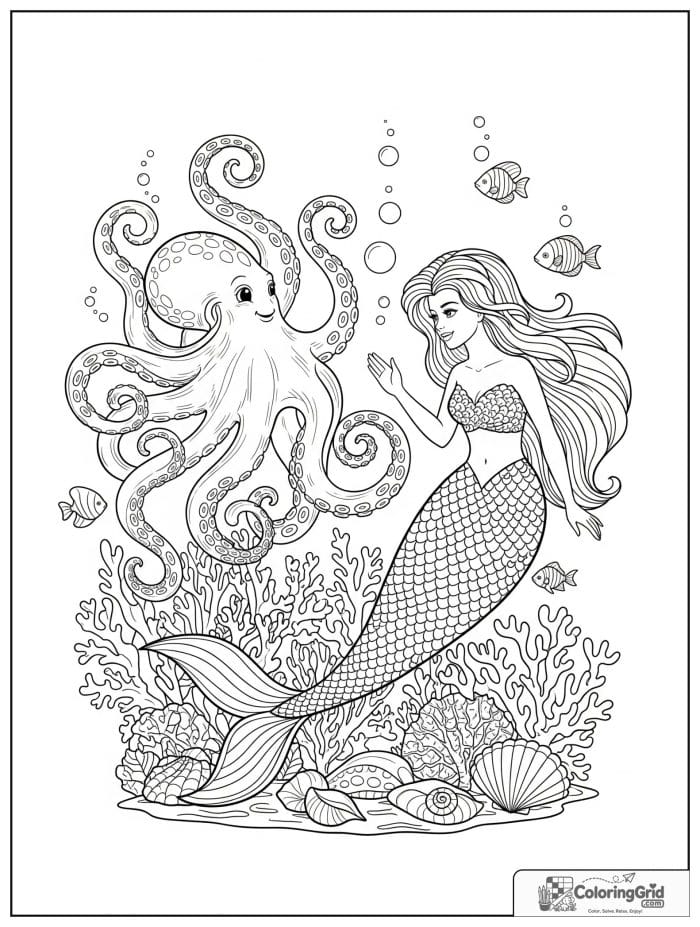
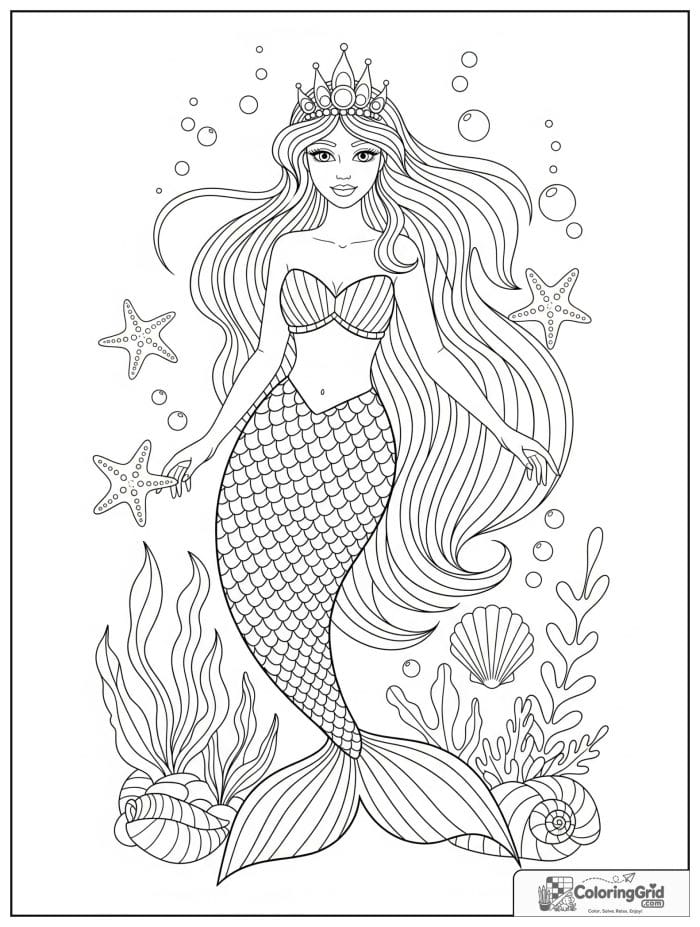
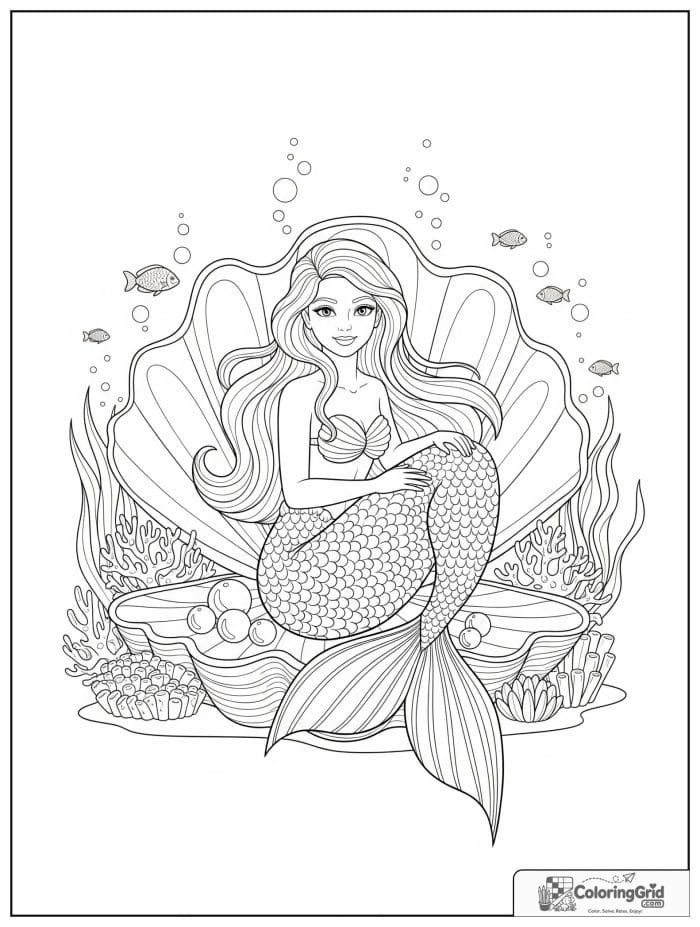
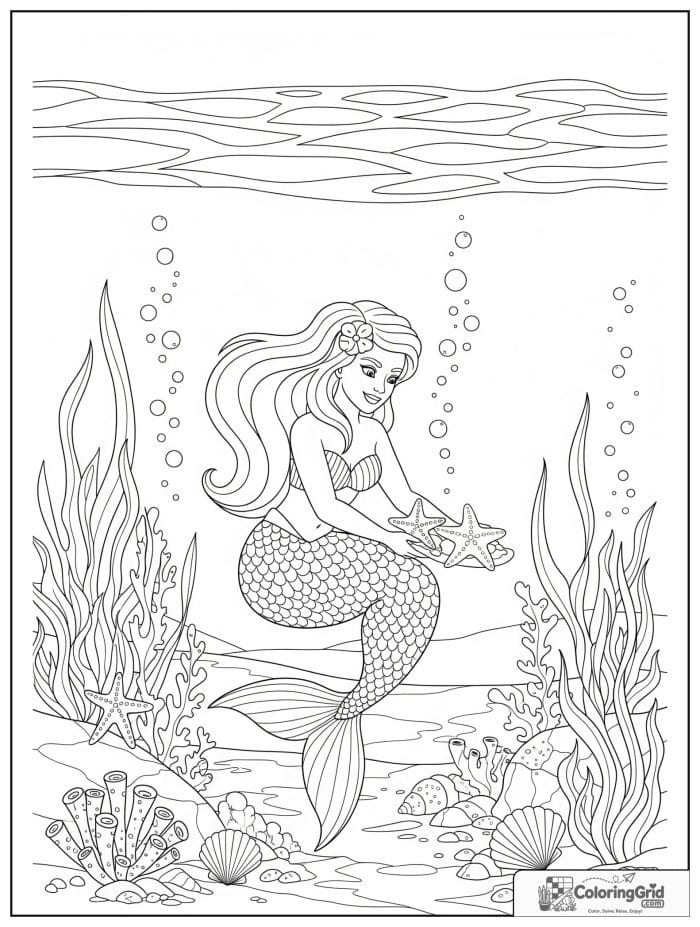
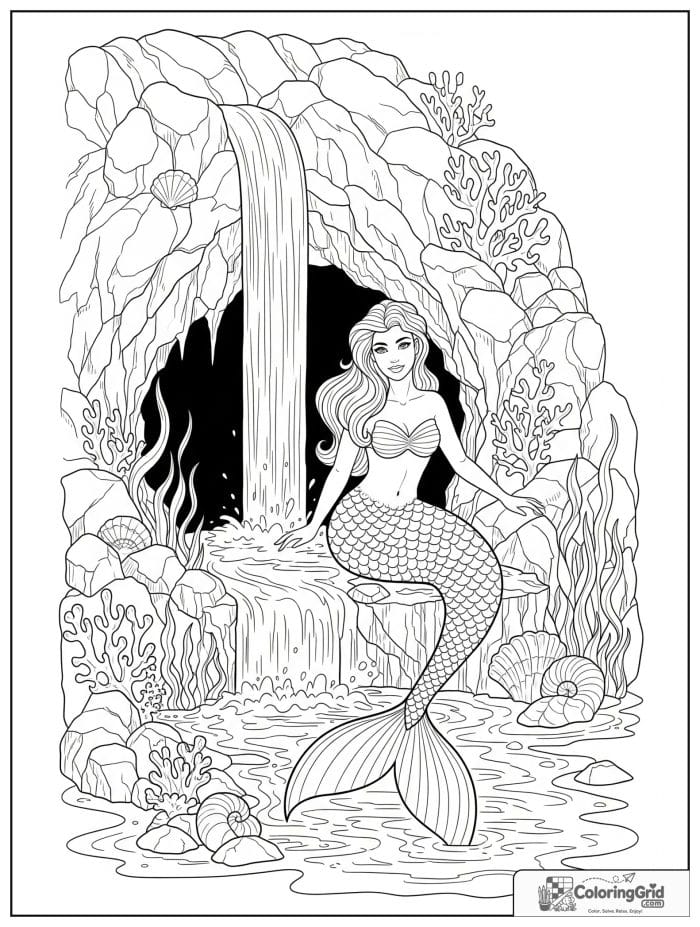
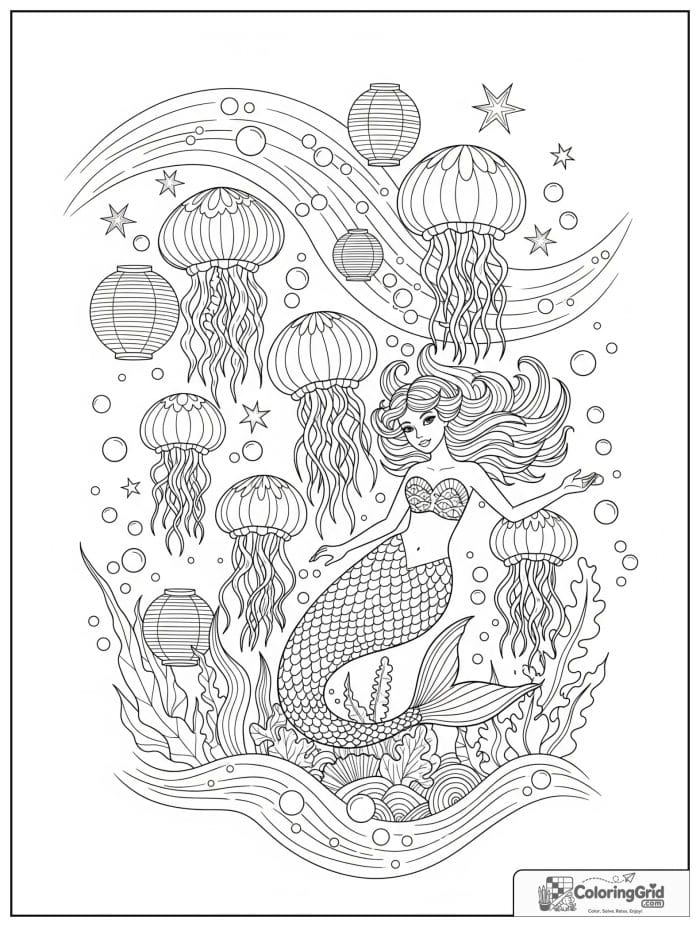
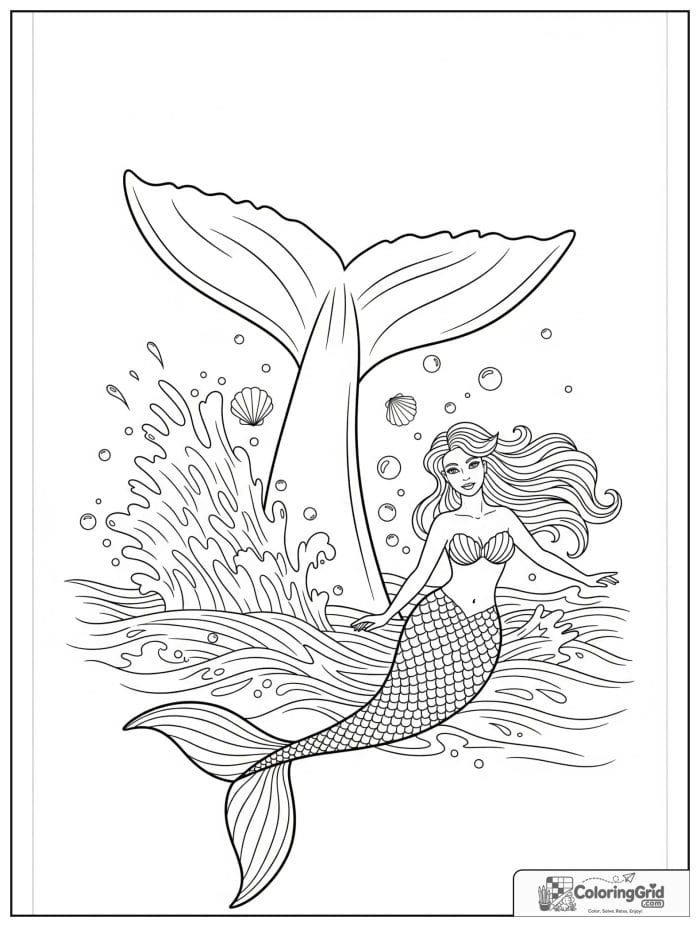
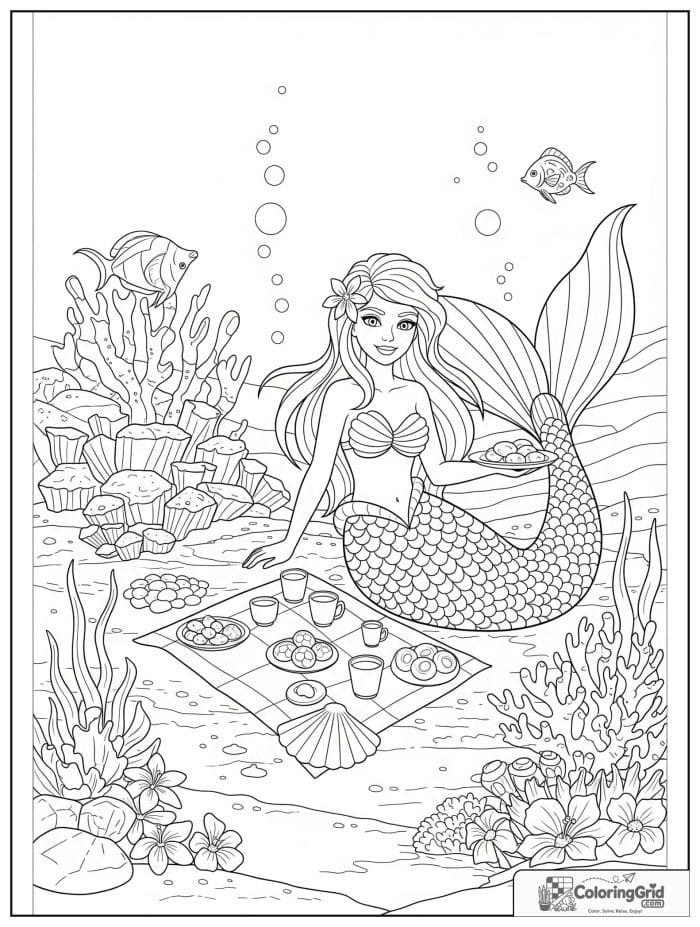
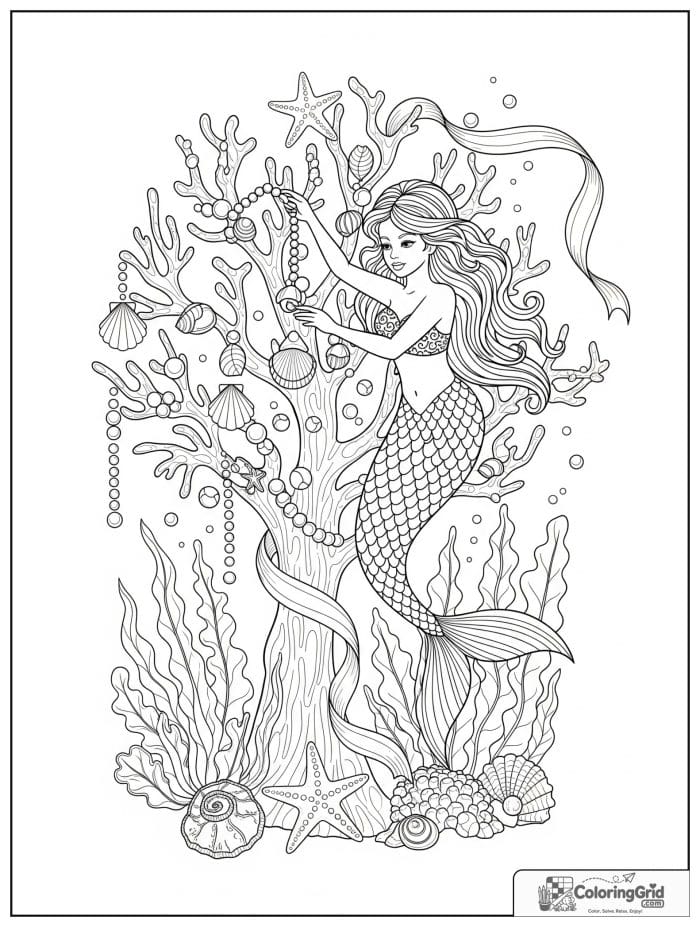
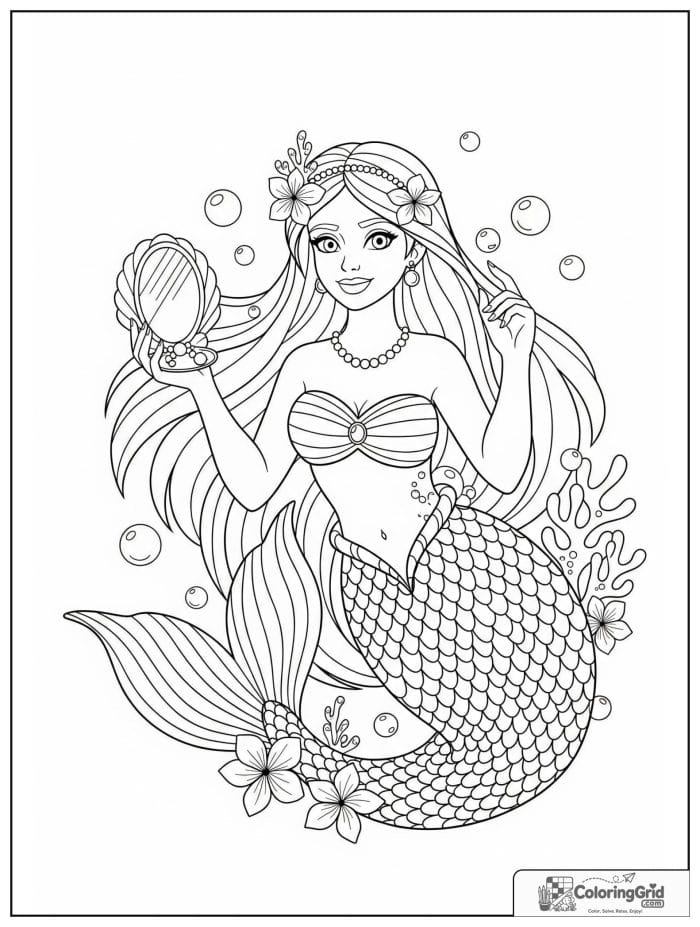
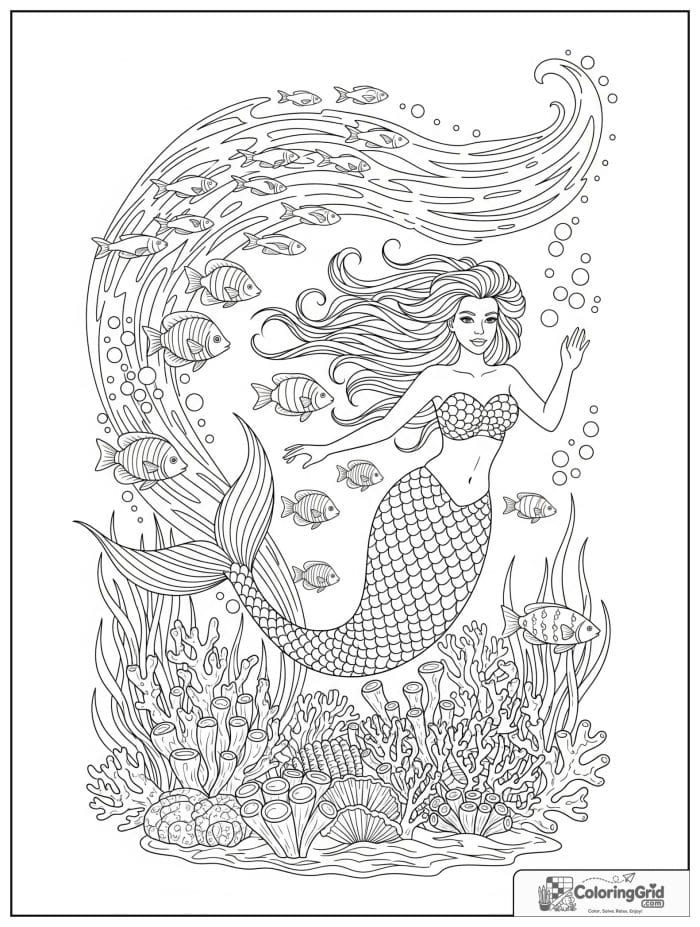
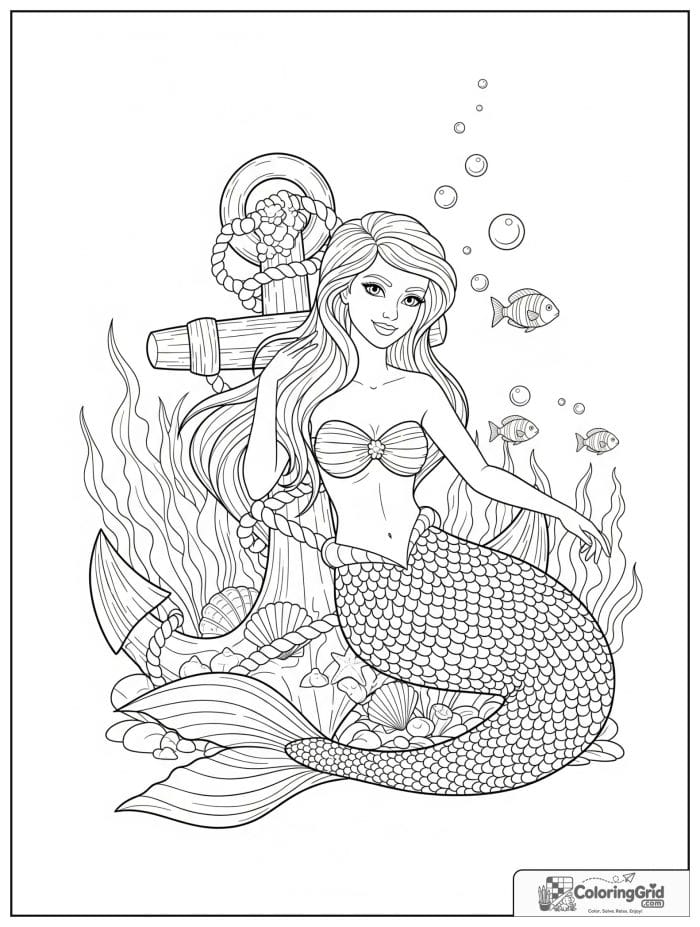
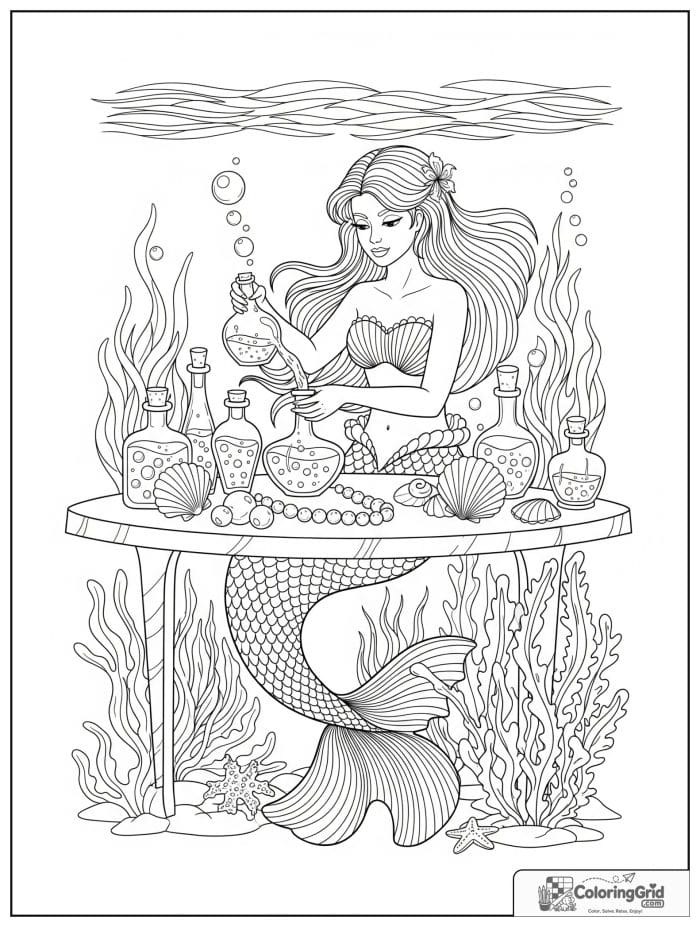
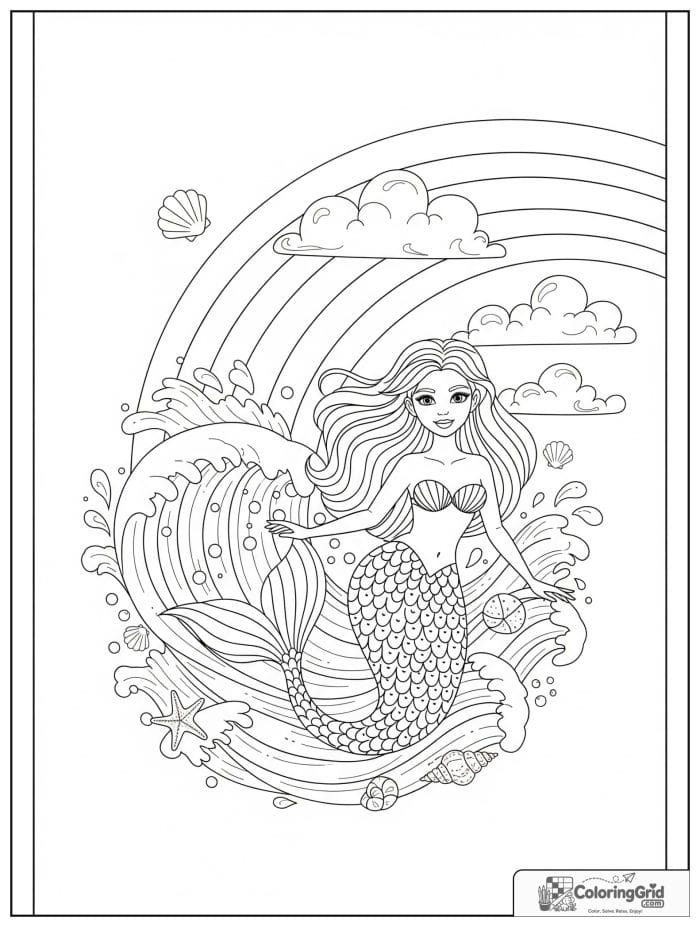
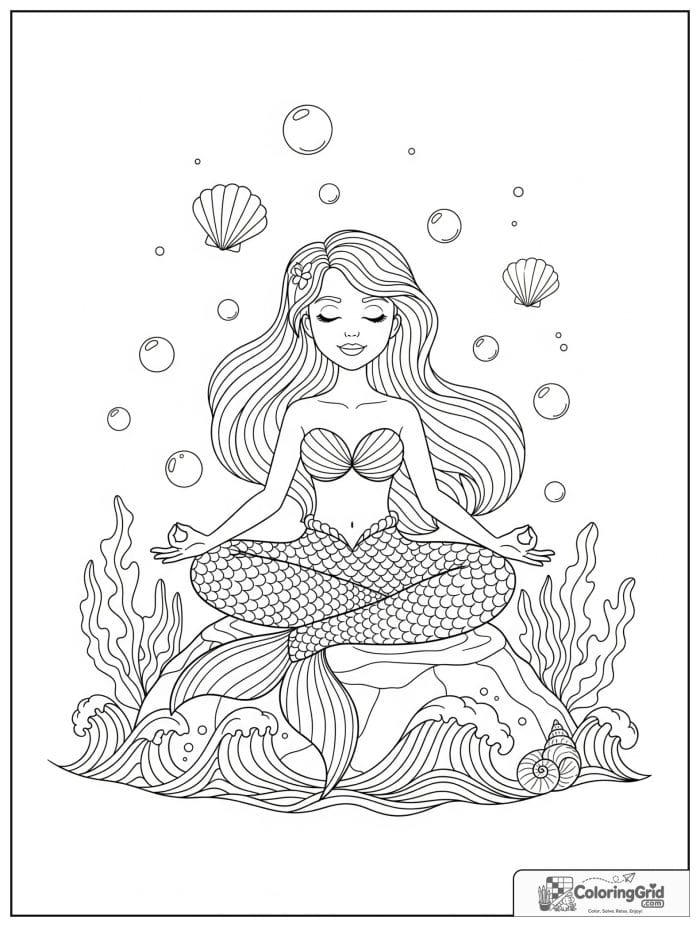
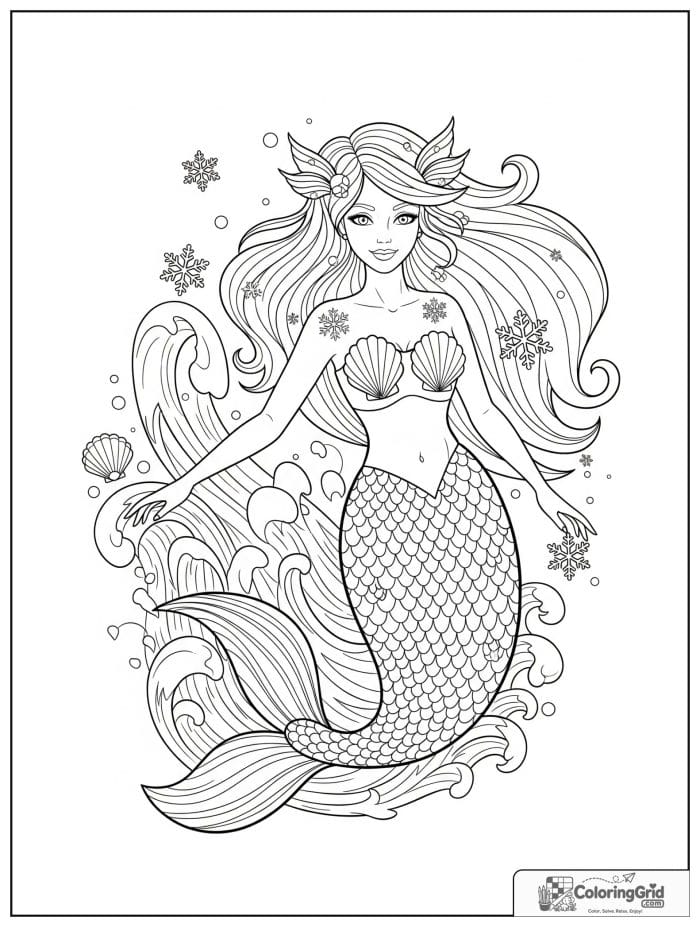
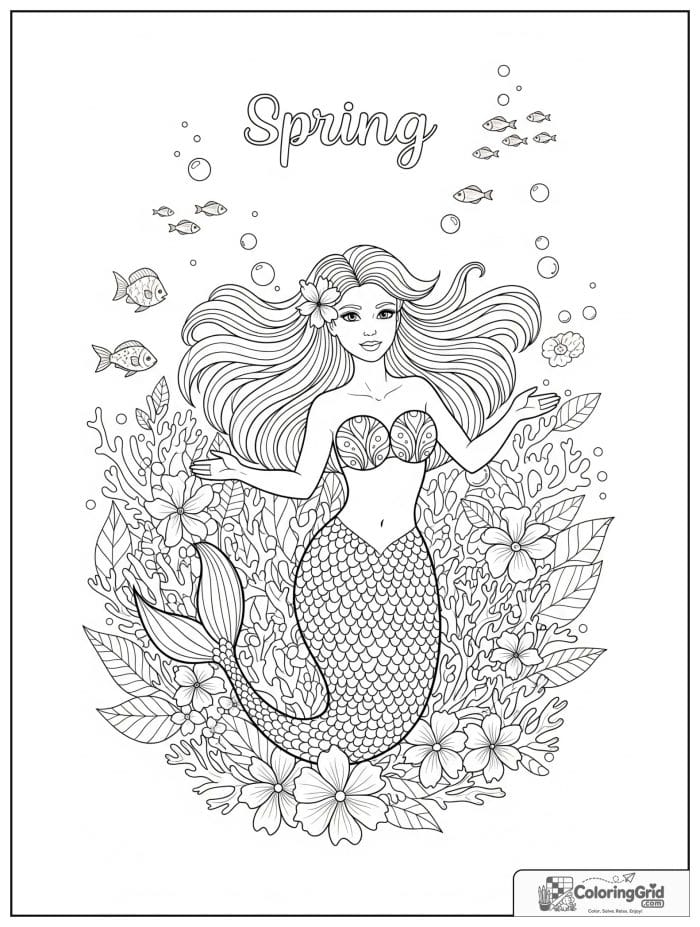
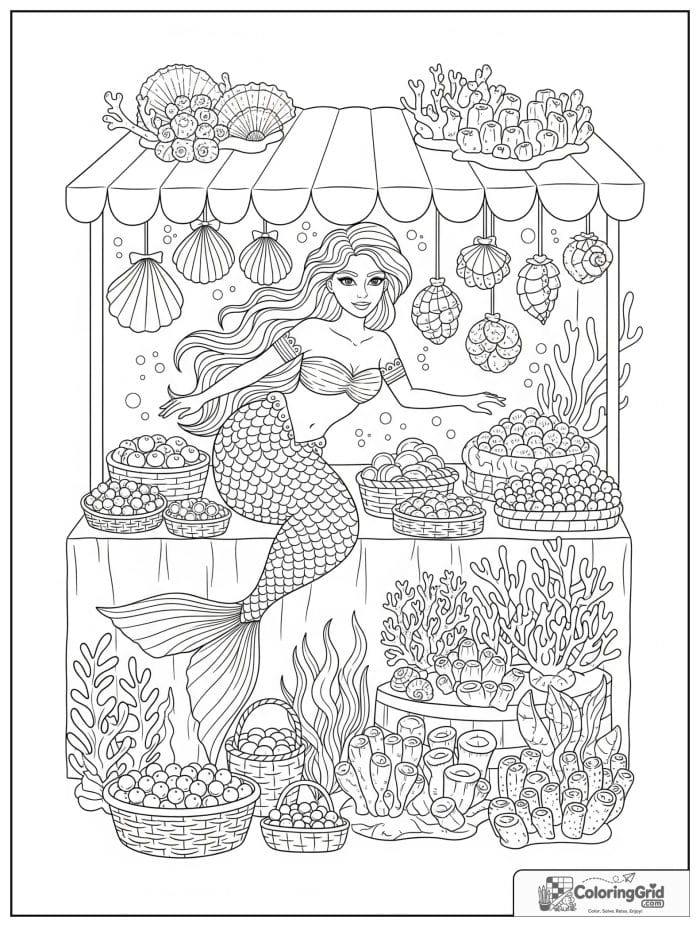
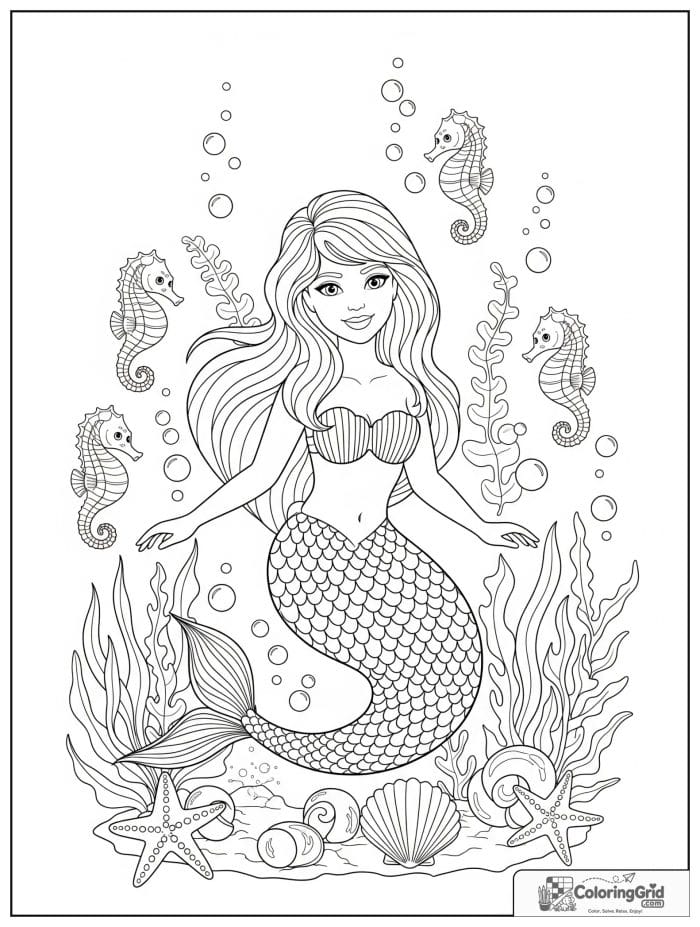
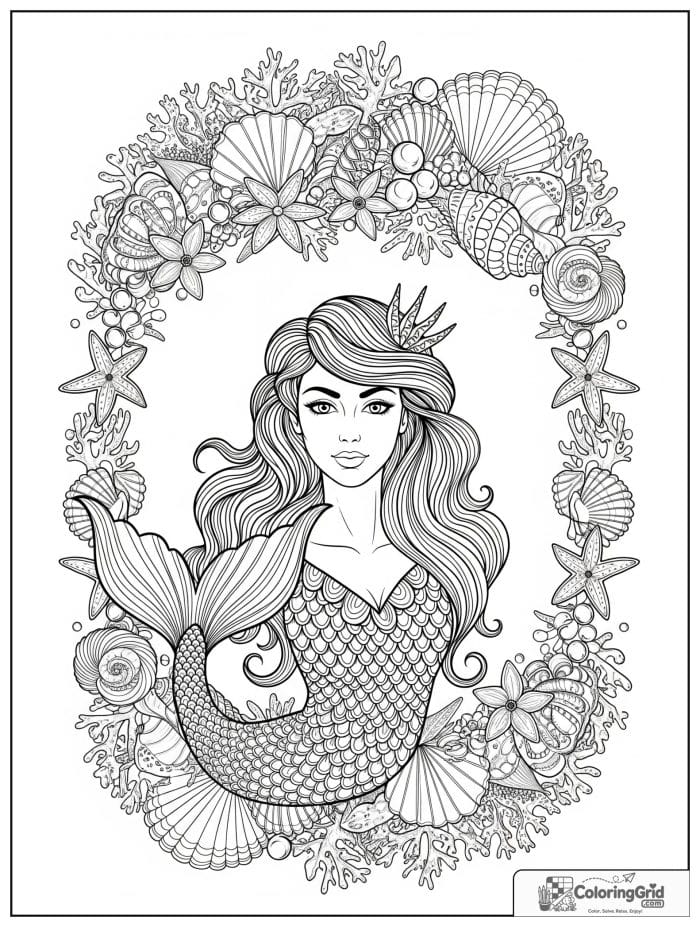
Visual Cues in These Mermaid Printables
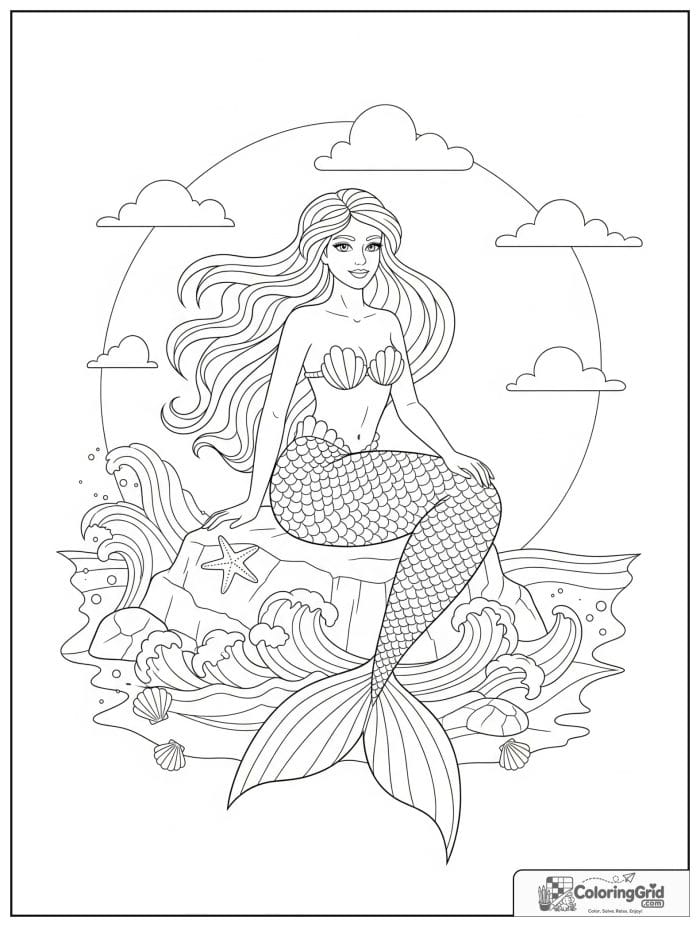
The clearest mermaid pages give the eye one easy place to land. Start with the main shape first, then use the smaller details as support instead of coloring every part at once.
When storybook elements appear, use it as a small conversation point. Ask what it adds to the page, then let the colorer decide whether the design should look realistic, soft, bright, or playful.
Simple Mermaid Sheets for Beginners
Choose the simplest mermaid pages when the activity is short. Large outlines, bold borders, and fewer background shapes make the printable feel successful even for children who color quickly.
Save the pages with more imaginative scenes or storybook elements for quiet time, centers, or older children who enjoy careful work.
Tools and Colors for Mermaid Designs
For thick outlines, markers can give a bold finish. For small details near imaginative scenes or magical details, colored pencils usually give better control and less bleeding.
If the mermaid page has many small areas, start with fewer colors. A simple palette keeps the design clean and easier to finish.
Using Mermaid Pages at Home or in Class
These pages work well when you need a low-prep activity. One simple mermaid sheet can fill a short break, while a more detailed page can support a longer, calm session.
In class, the mermaid set is easiest to use as a quick center or quiet follow-up. Give one simple instruction, then let students settle into the page.
Printing and Organizing Mermaid Coloring Pages
Check the preview before printing several copies. Details around magical details should still be clear, especially if children will use crayons or broad markers.
Store spare mermaid pages where they are easy to grab. Separating simple designs from detailed ones makes the set faster to use.
One mermaid page can be quick or careful, depending on the design you print. Choose imaginative scenes for an easy beginning, add storybook elements near the end, and use The Met Kids with Library of Congress Folklife Center for a short supporting detail.
Mermaid pages can sit beside Monster Coloring Pages, Lighthouse Coloring Pages, and Robot Coloring Pages when you want a small set for the same coloring table. Children can move between the linked sheets at their own pace, choosing what fits the time and tools available.
Mermaid Coloring Pages FAQ
What colors work well for Mermaid Coloring Pages?
A good mermaid color plan is one base color, one detail color, and one accent. That gives the page enough variety while keeping imaginative scenes and story details from blending together.
Should I print Mermaid Coloring Pages as PDF or JPG files?
Print the PDF when you want the whole mermaid activity ready at once. Save a JPG when you prefer to choose one page and control how large it appears on paper.
Which mermaid pages are best for younger kids?
Start with the simplest mermaid design in the set, especially when using crayons. Pages with fewer tiny areas around imaginative scenes help children finish without getting frustrated.
How can teachers use Mermaid Coloring Pages in a lesson?
A mermaid sheet works well for centers, sub plans, or a short extension activity. Pair it with one observation about imaginative scenes, then let students color independently.