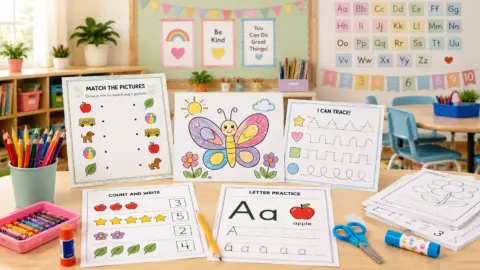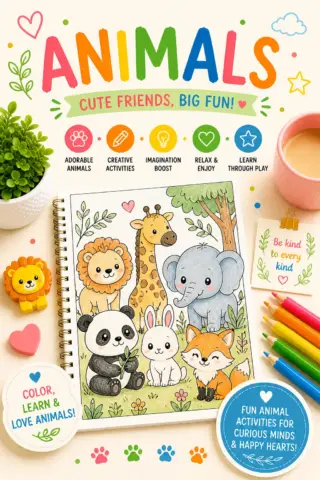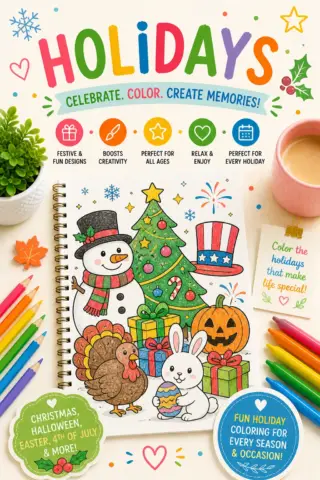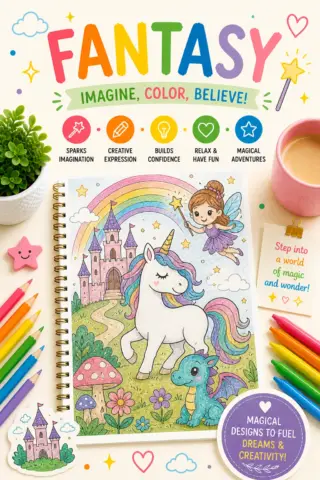
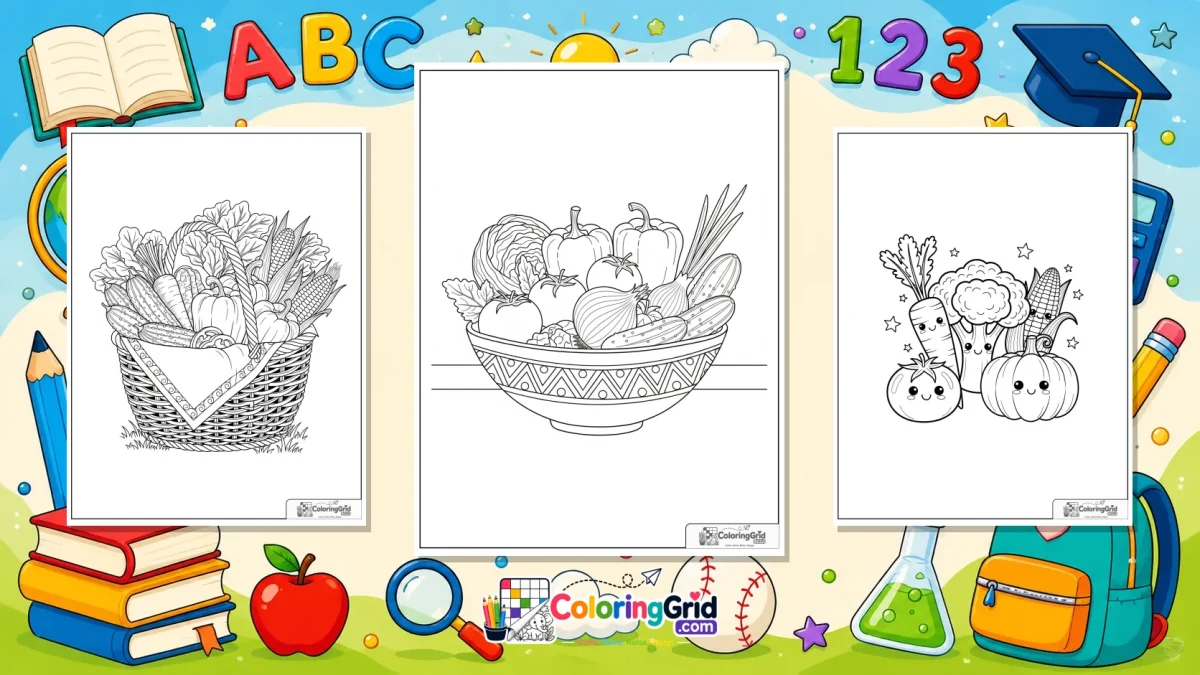
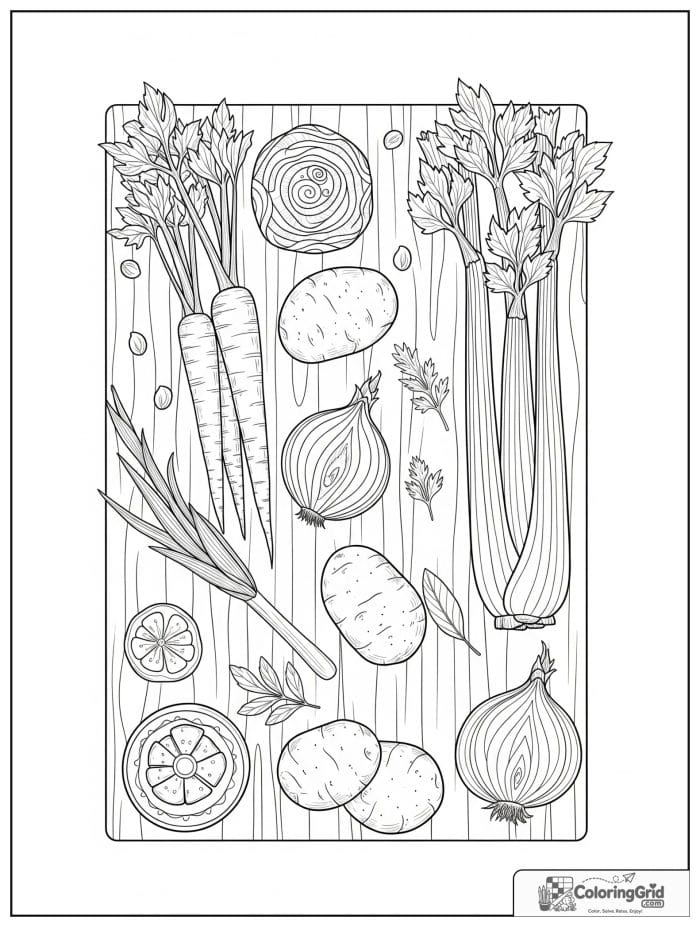
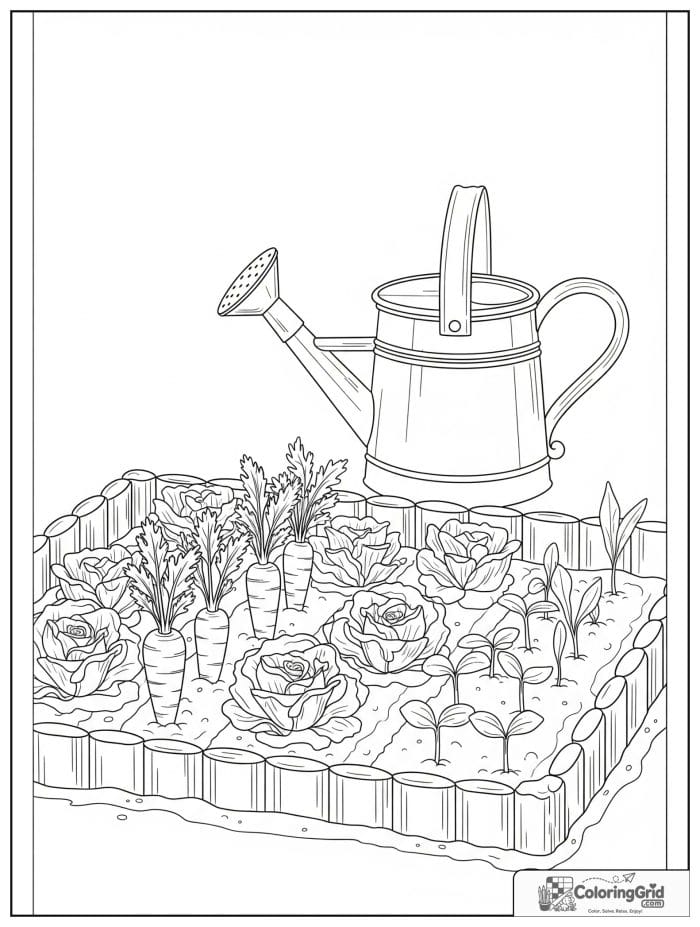
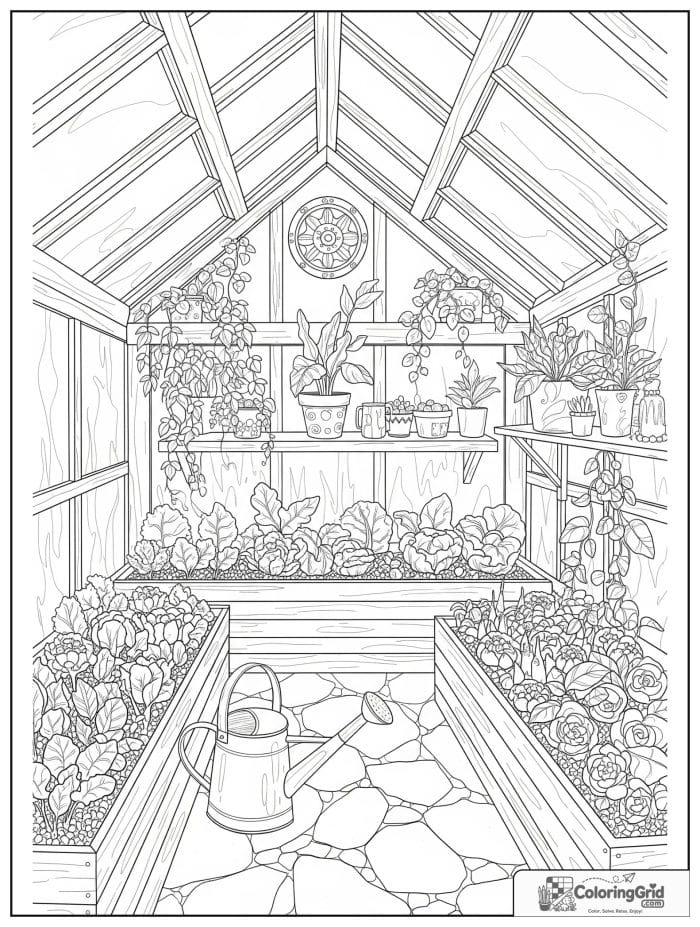
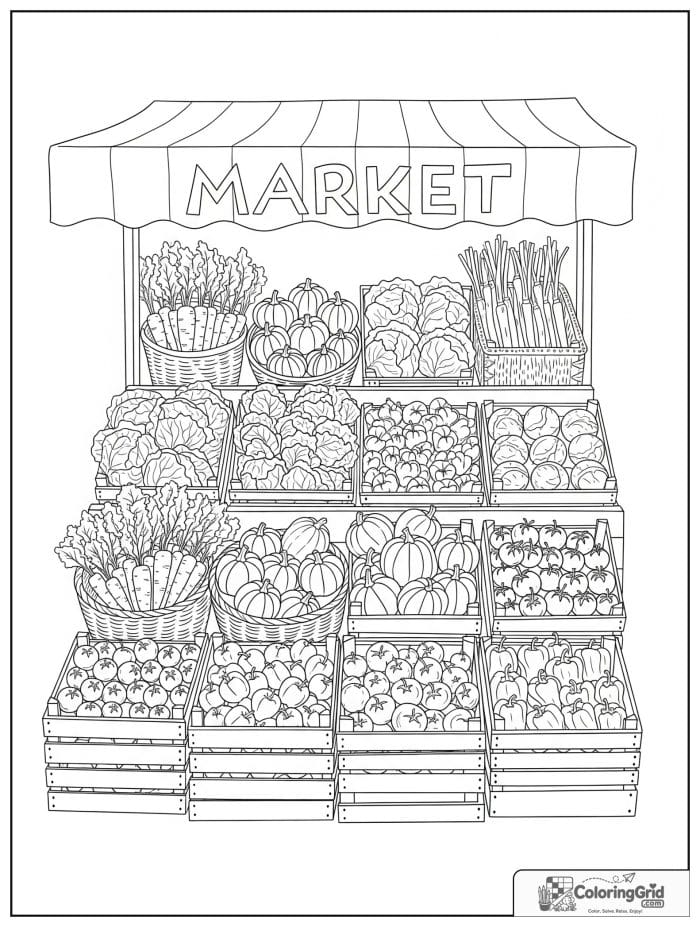
This Vegetable Coloring Pages collection is built for people who want more than one simple outline. The pages include vegetable outlines, learning themes, and classroom practice, then add simple labels on designs that can support a longer coloring session. Use the set for kitchen themes, food vocabulary, and simple classroom activities without adding complicated instructions.
Keep the PDF for full packets and organized print days. Use a JPG when you want one vegetable page to fit a binder, bulletin board, craft sheet, or quick coloring break.
What's Inside
Vegetable Printable Set
The Vegetable Coloring Pages gallery gives you several ways to use the same vegetable theme. Some sheets stay open and simple, while others add learning theme, classroom practice, and simple labels for children who enjoy extra details.
While you're here, explore these fun related coloring pages too!
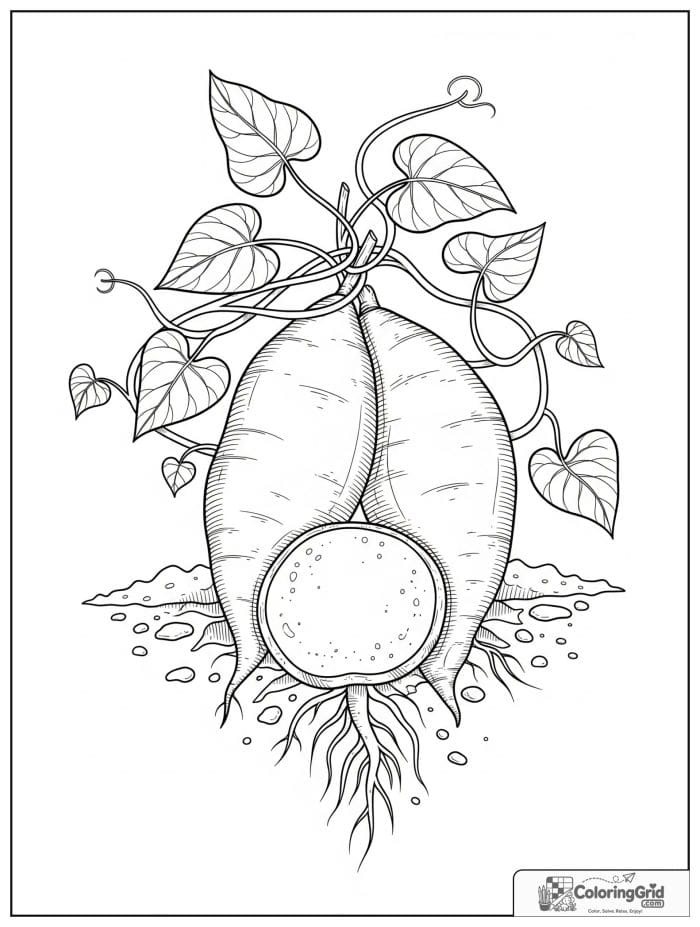
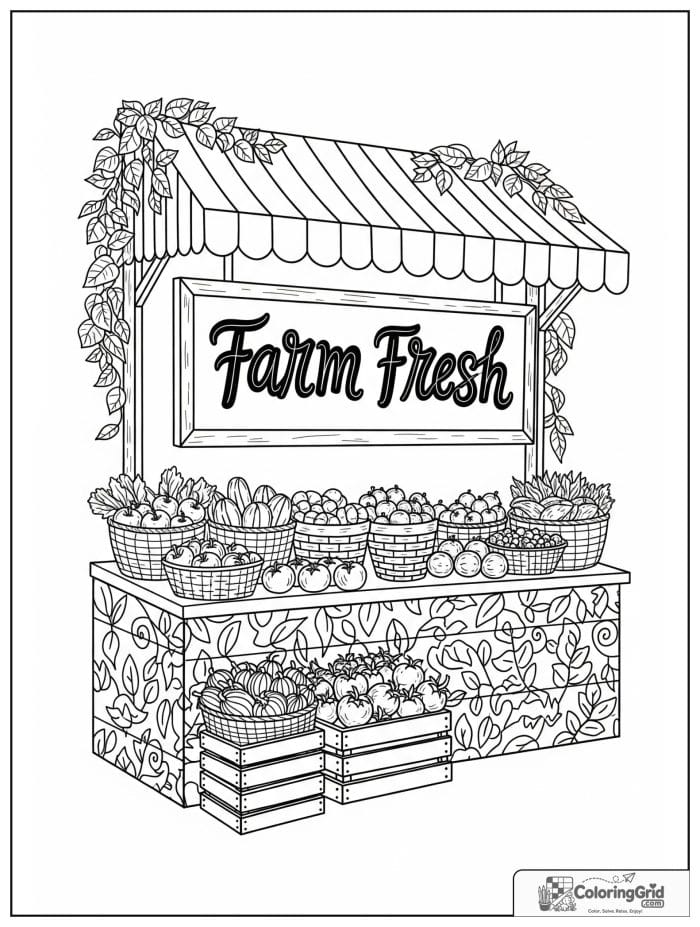
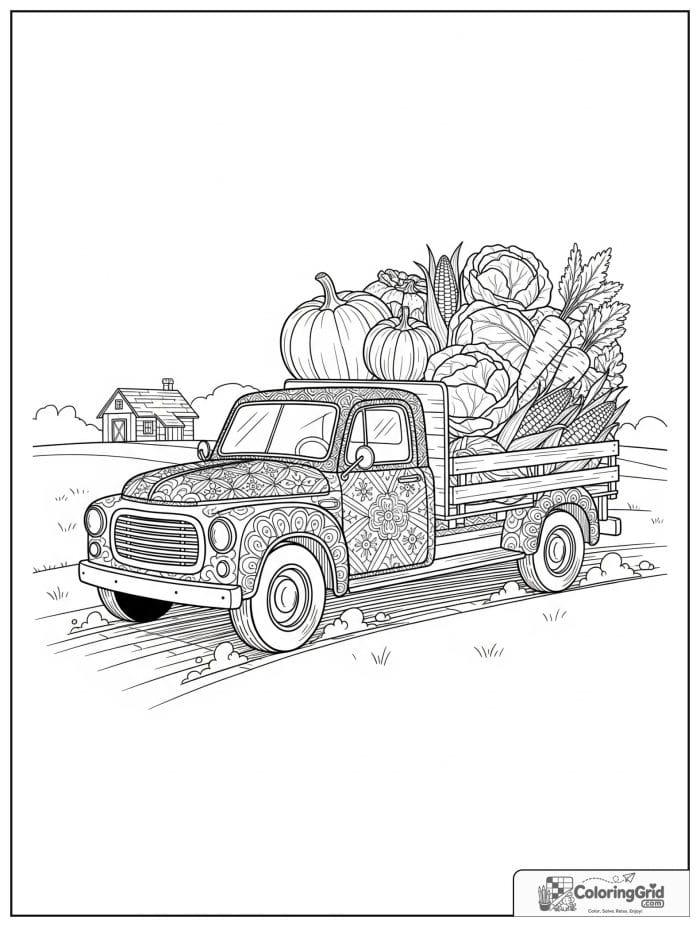
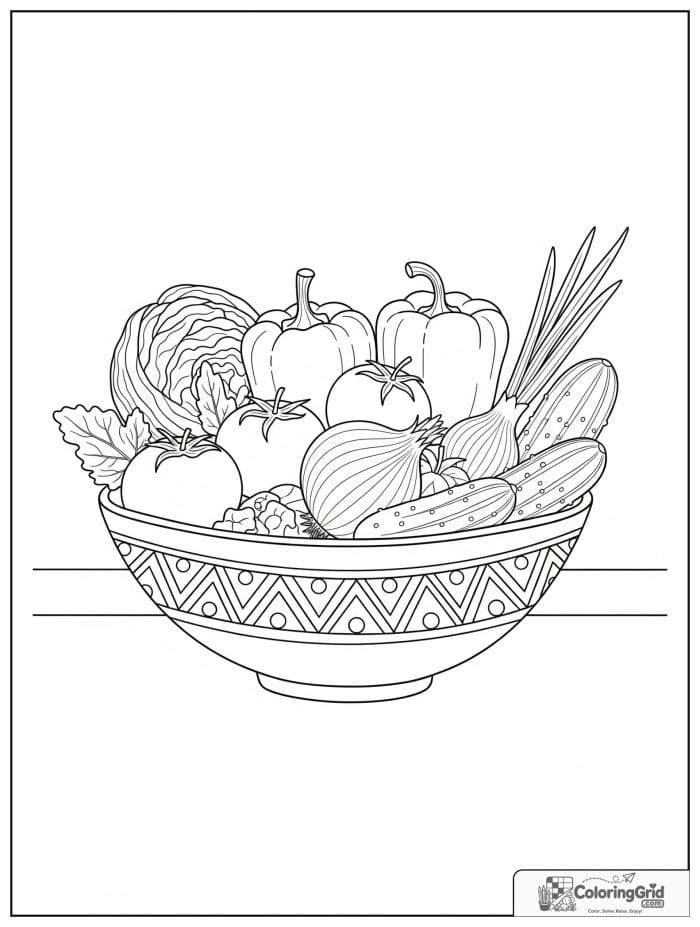
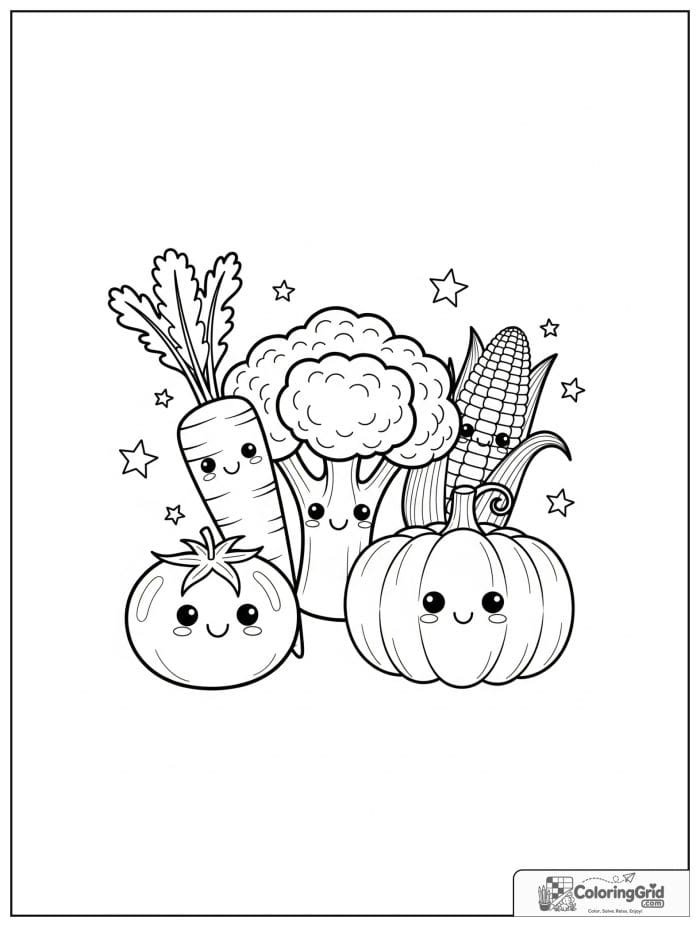
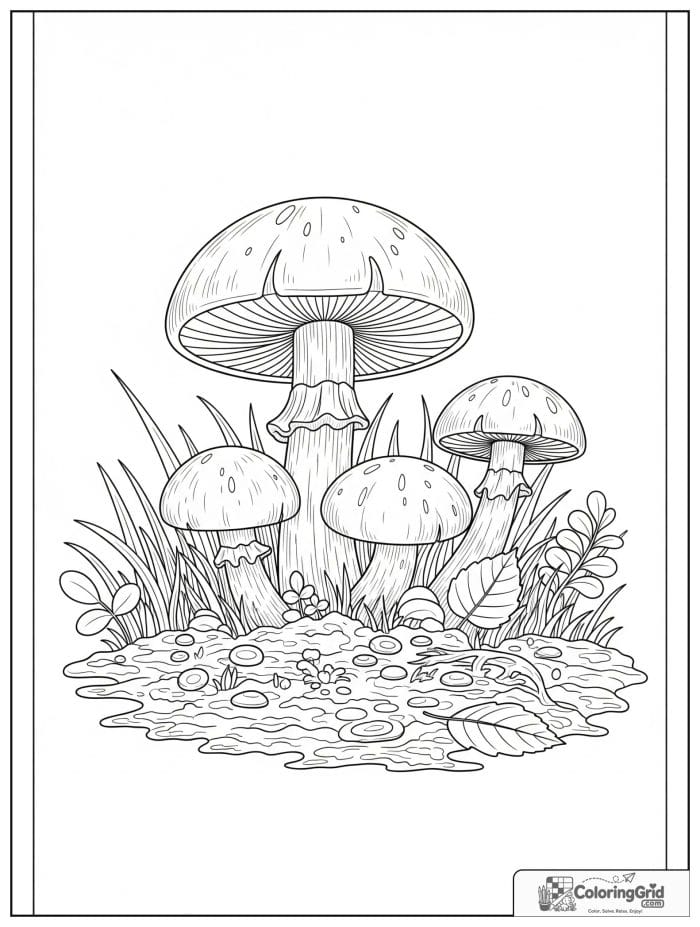
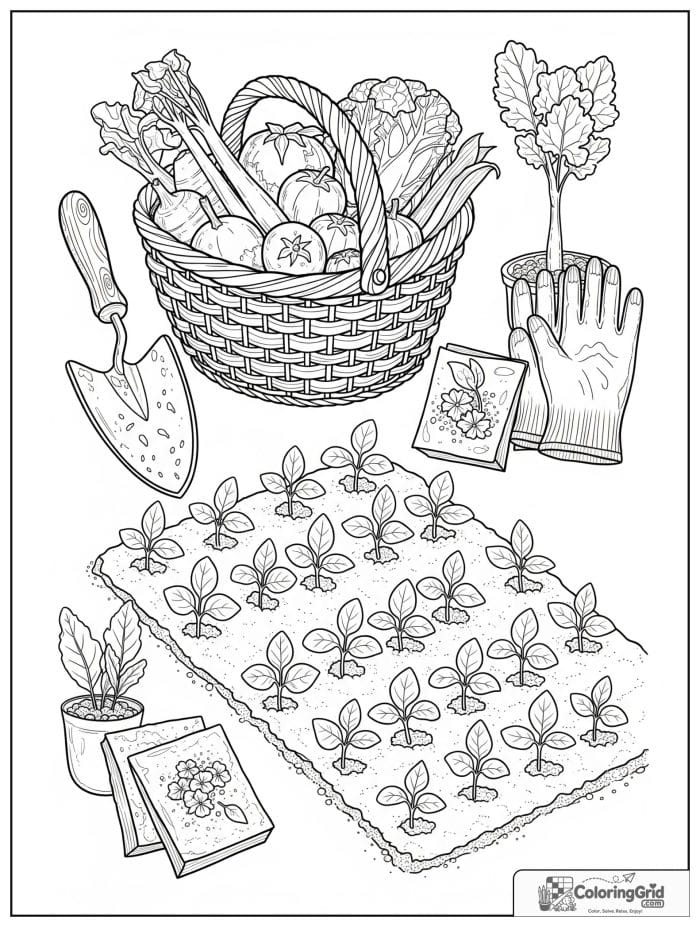
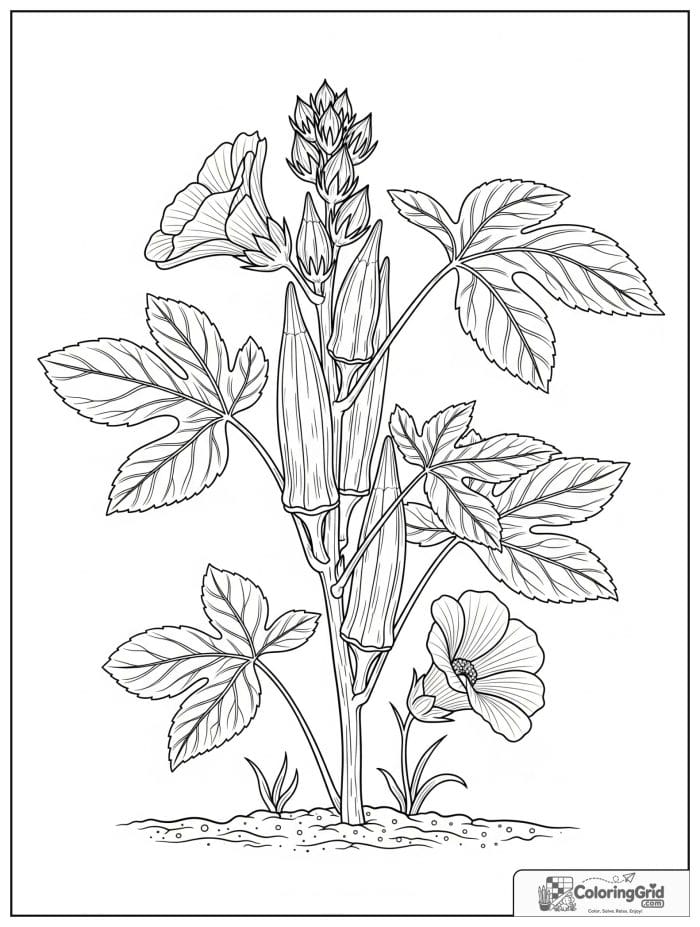
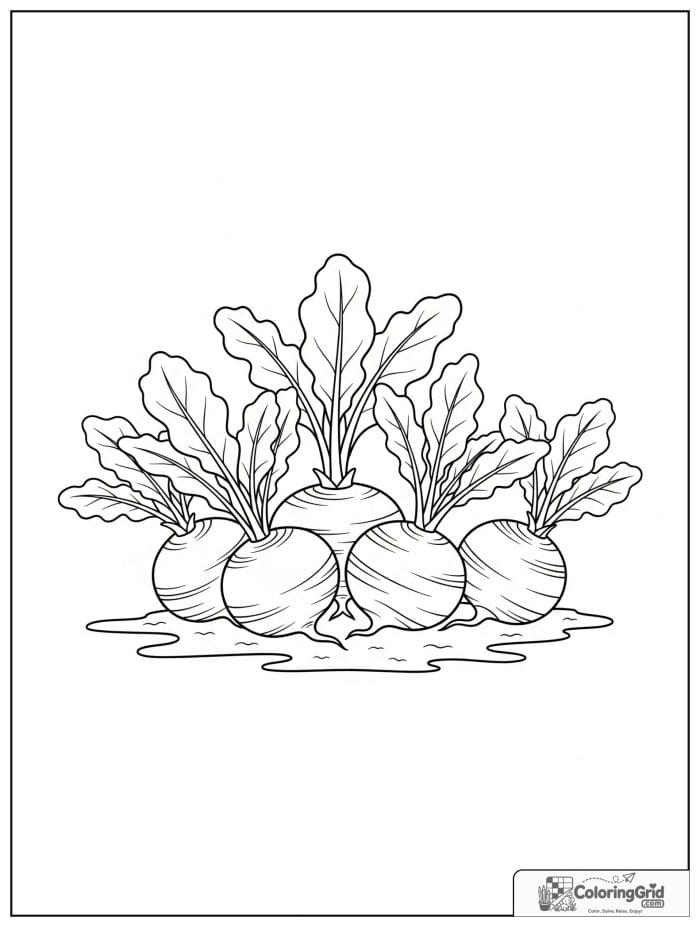
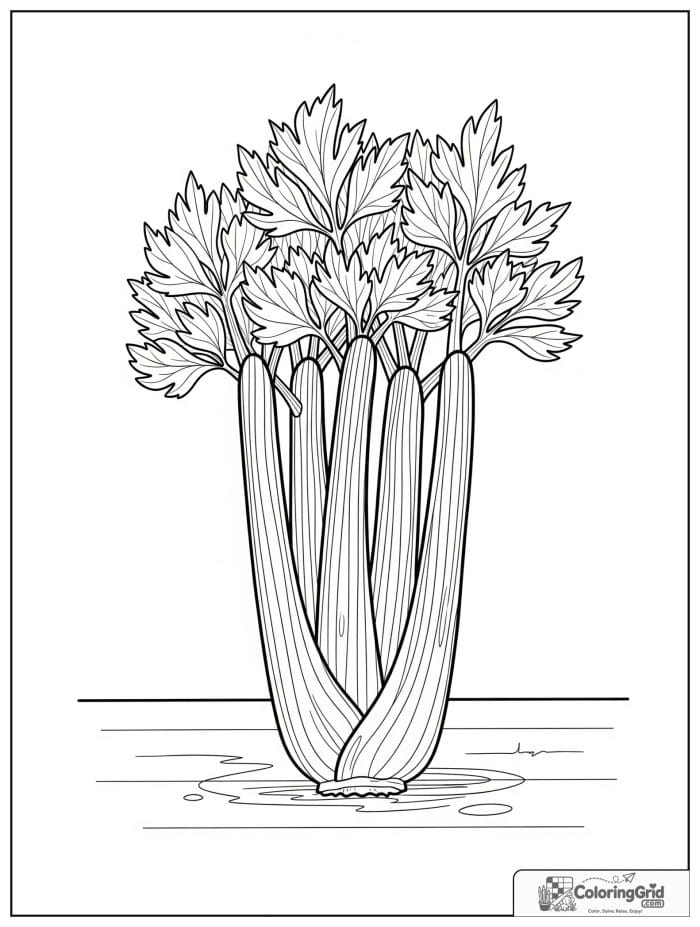
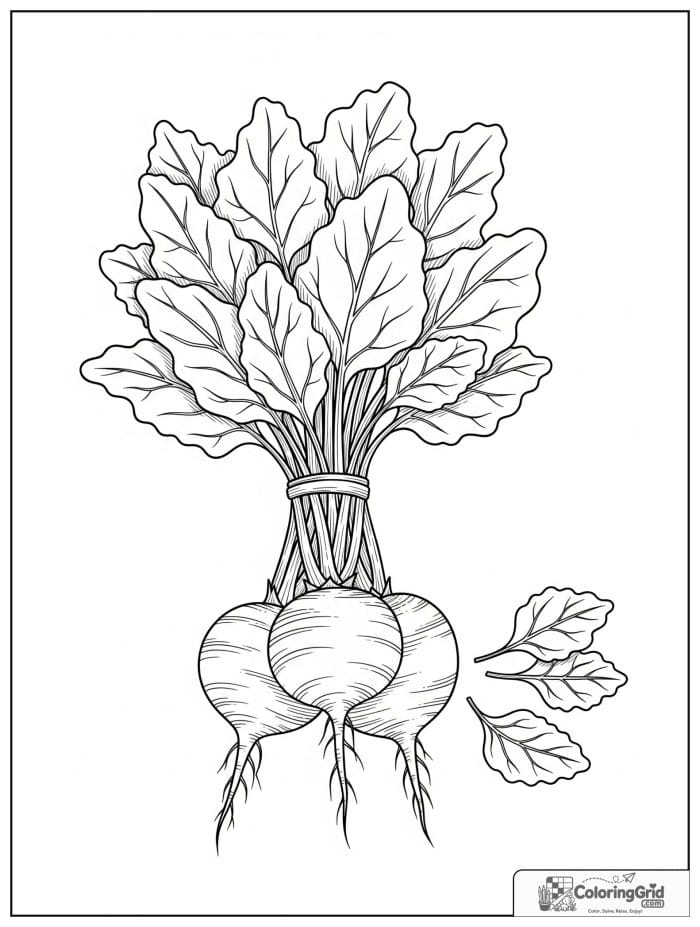
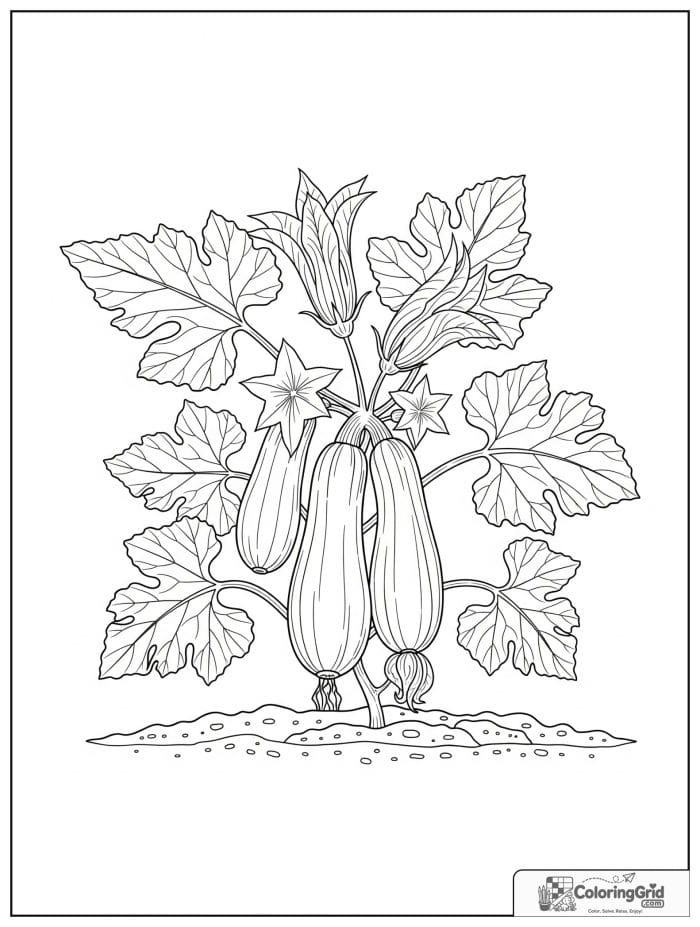
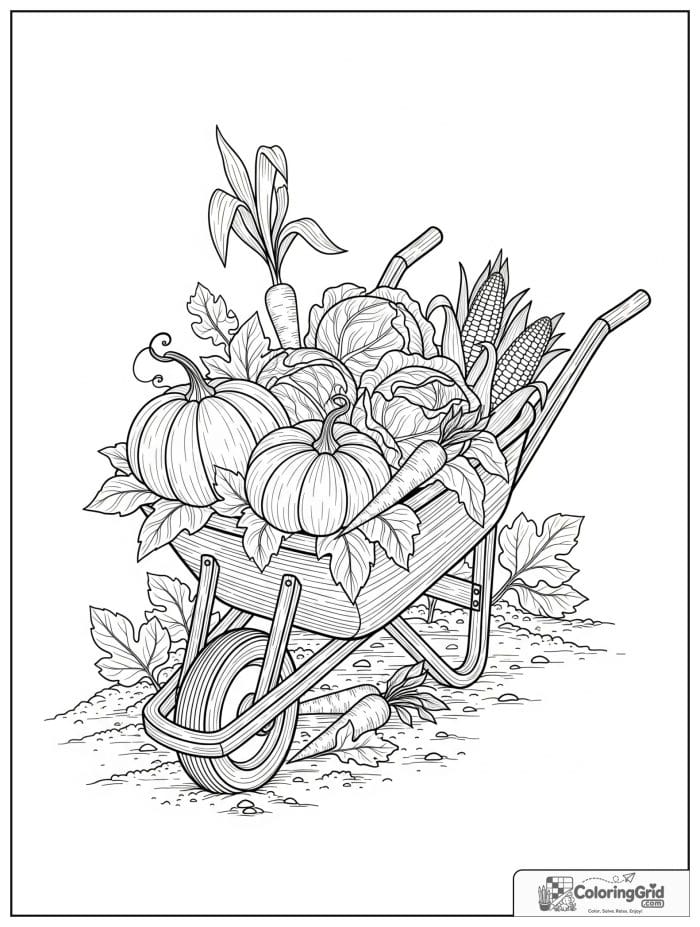
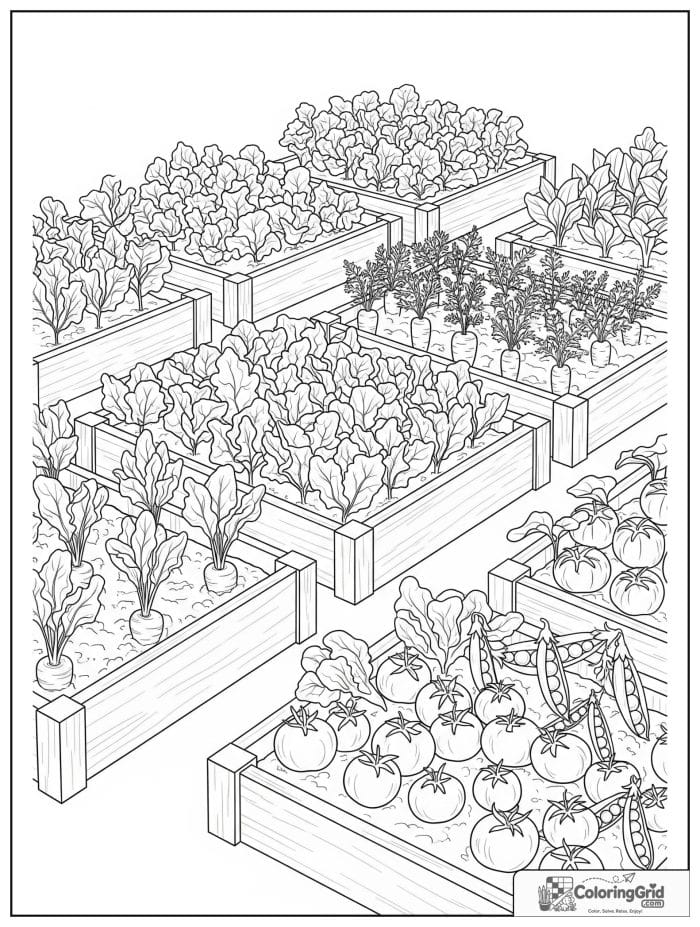
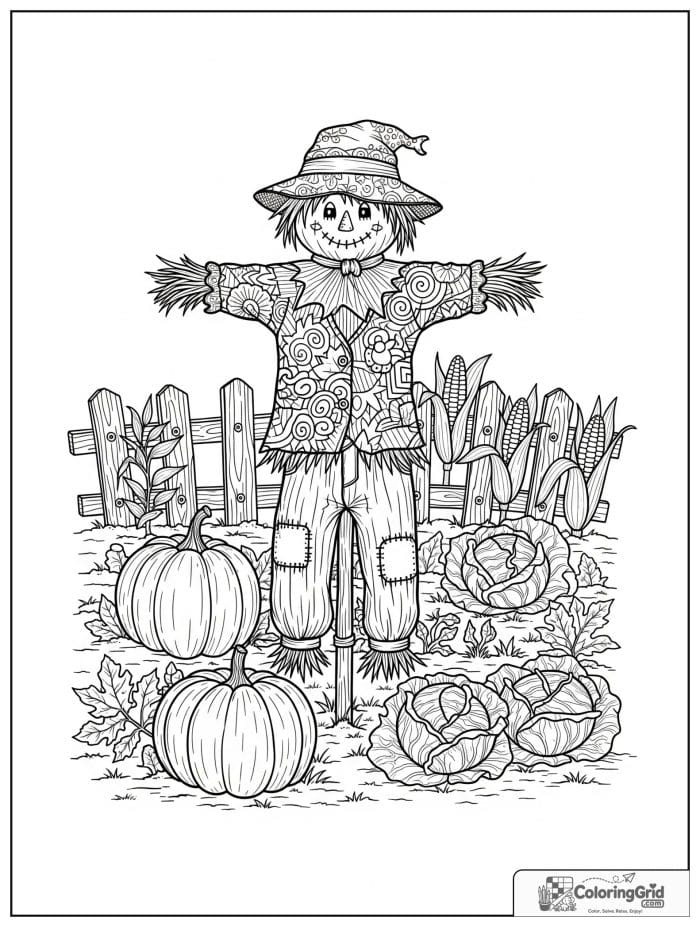
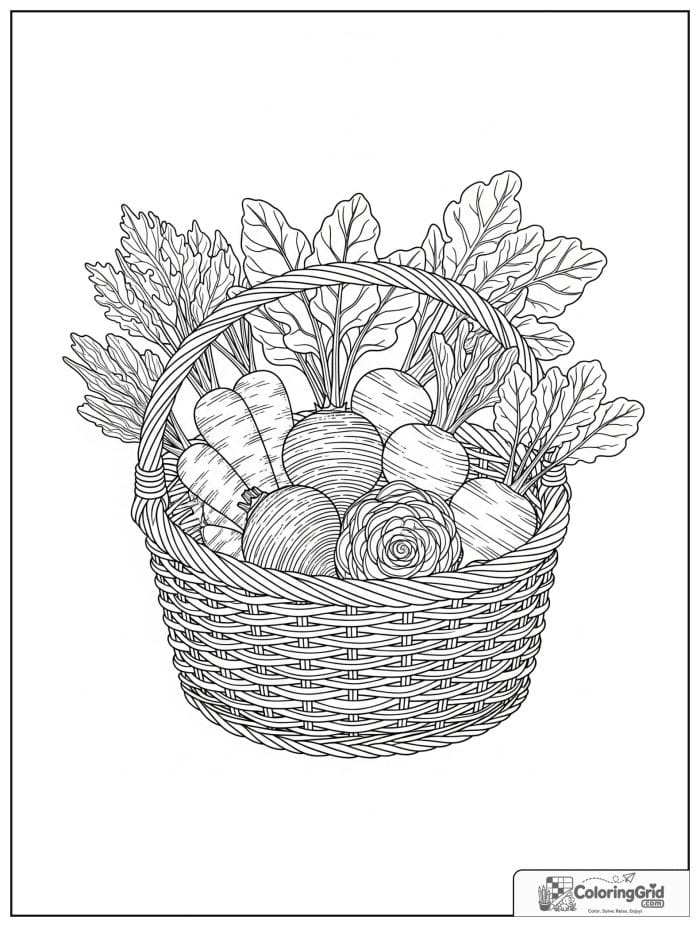
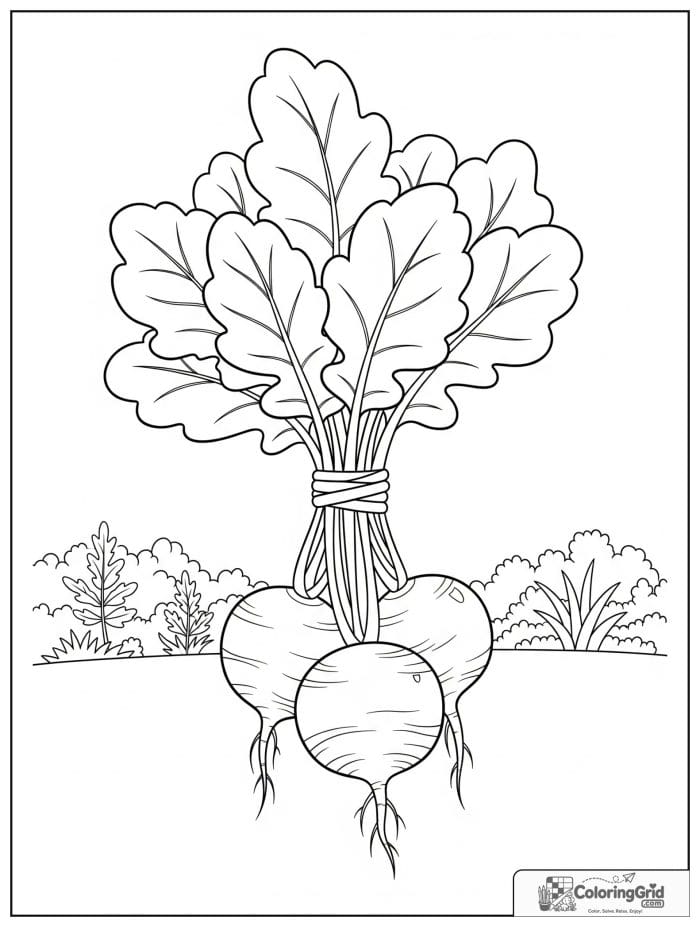
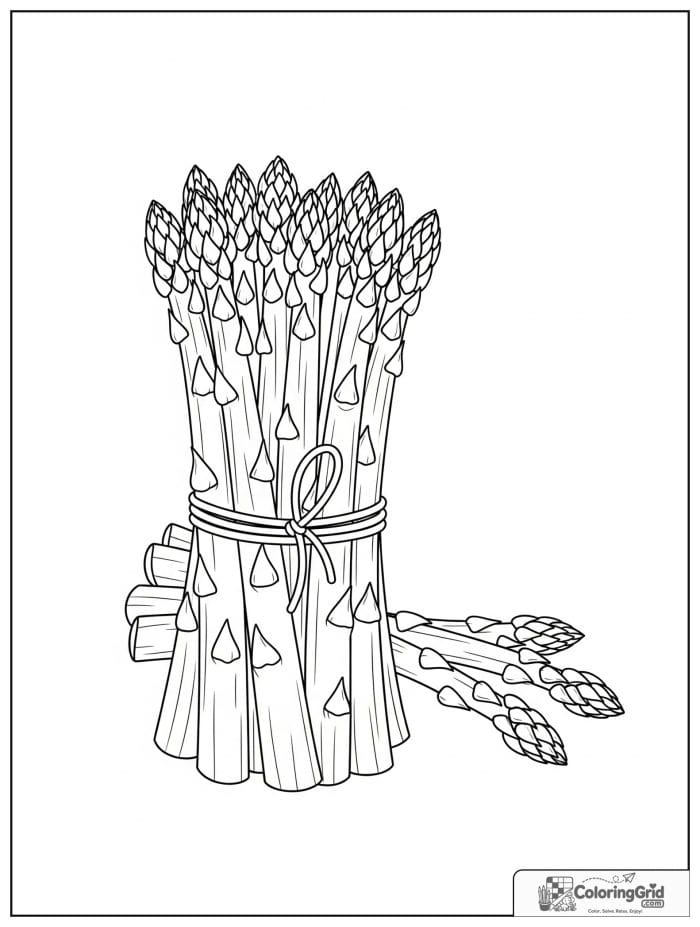
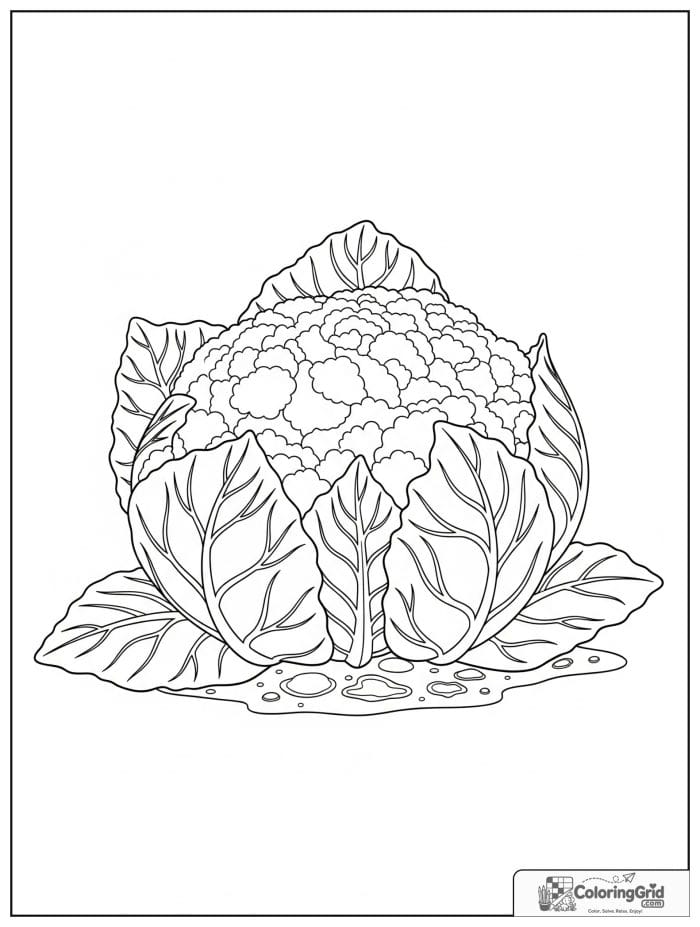
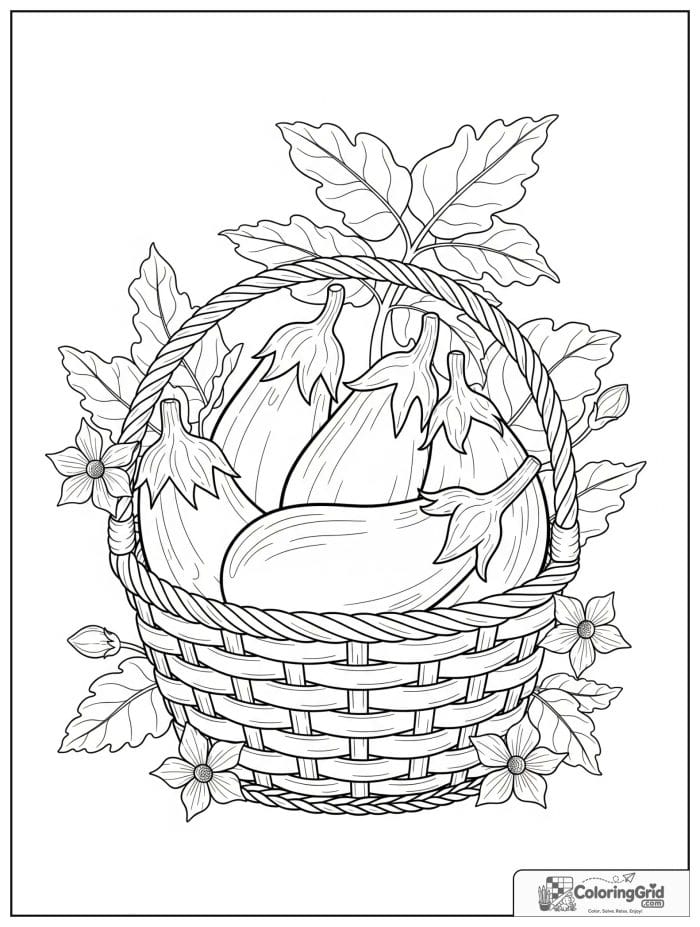
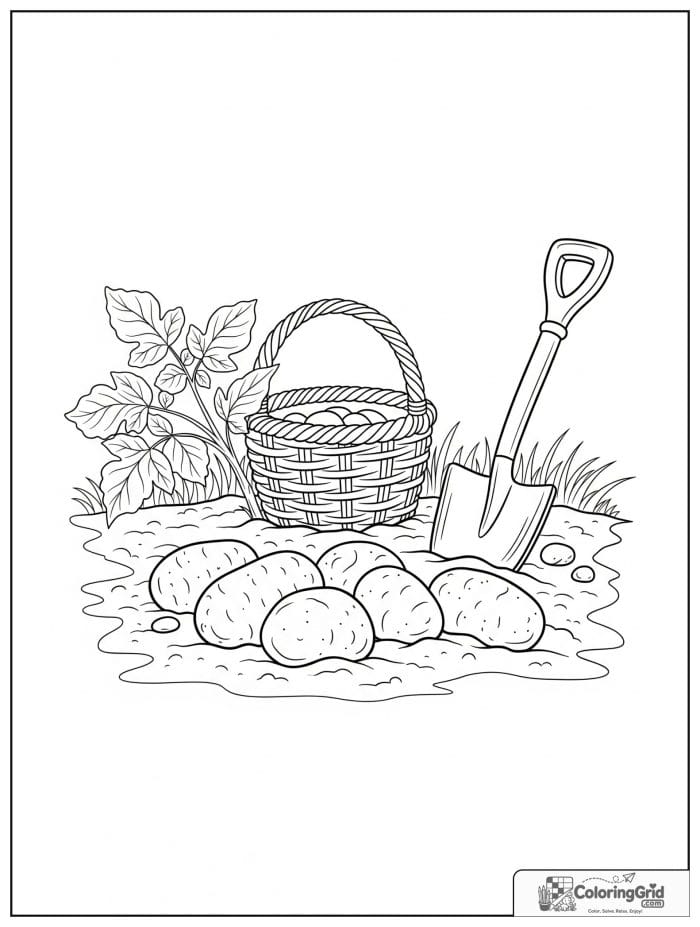
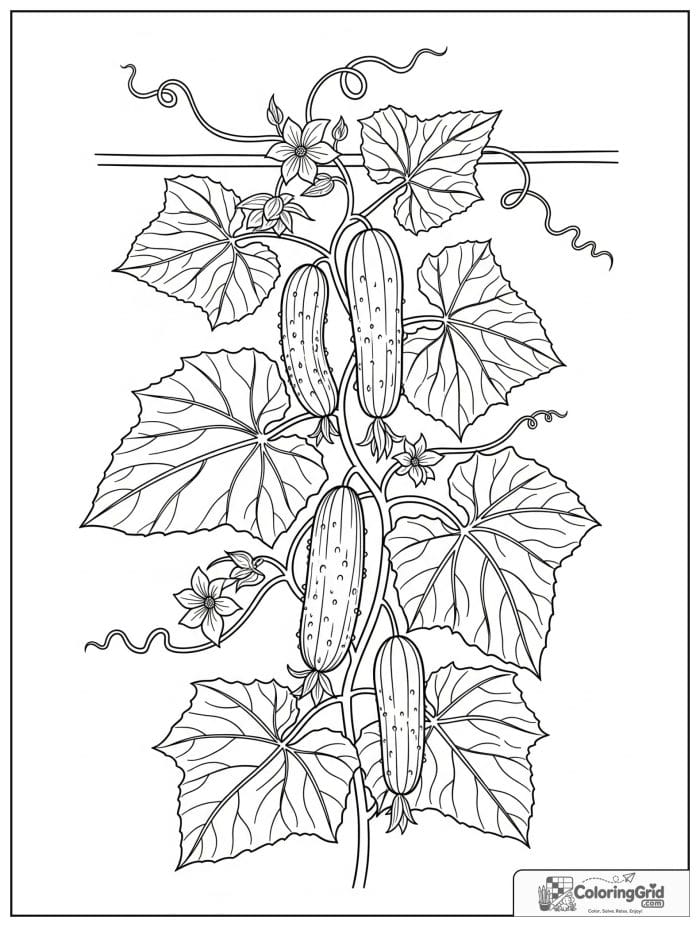
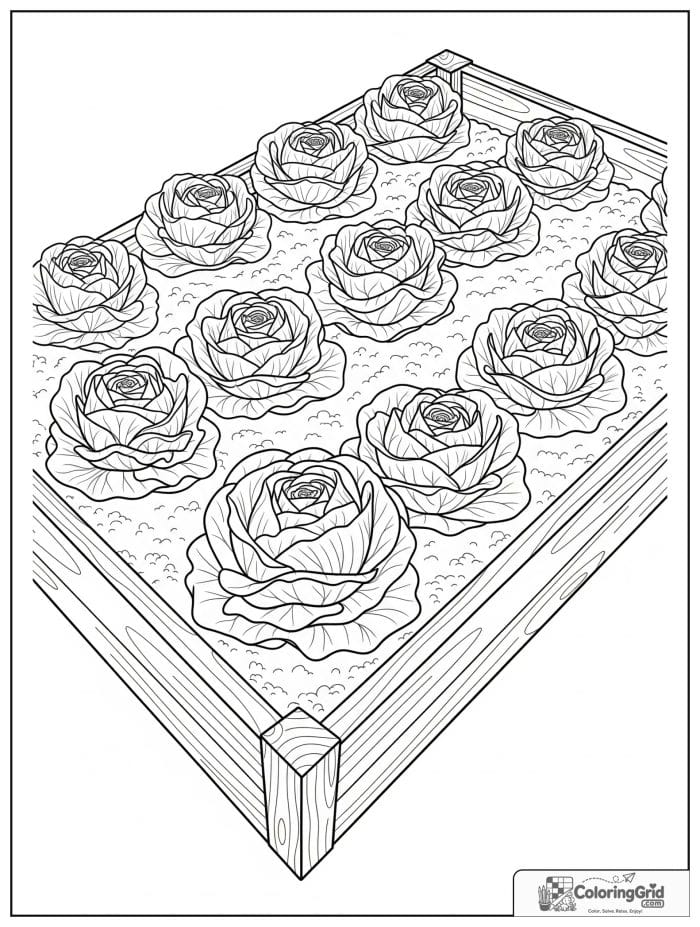
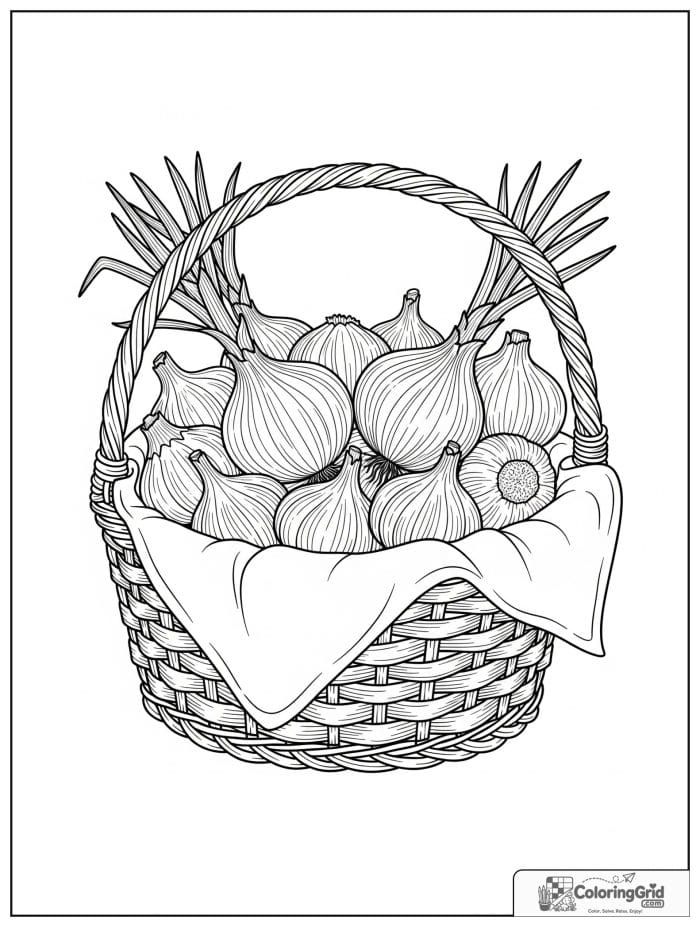
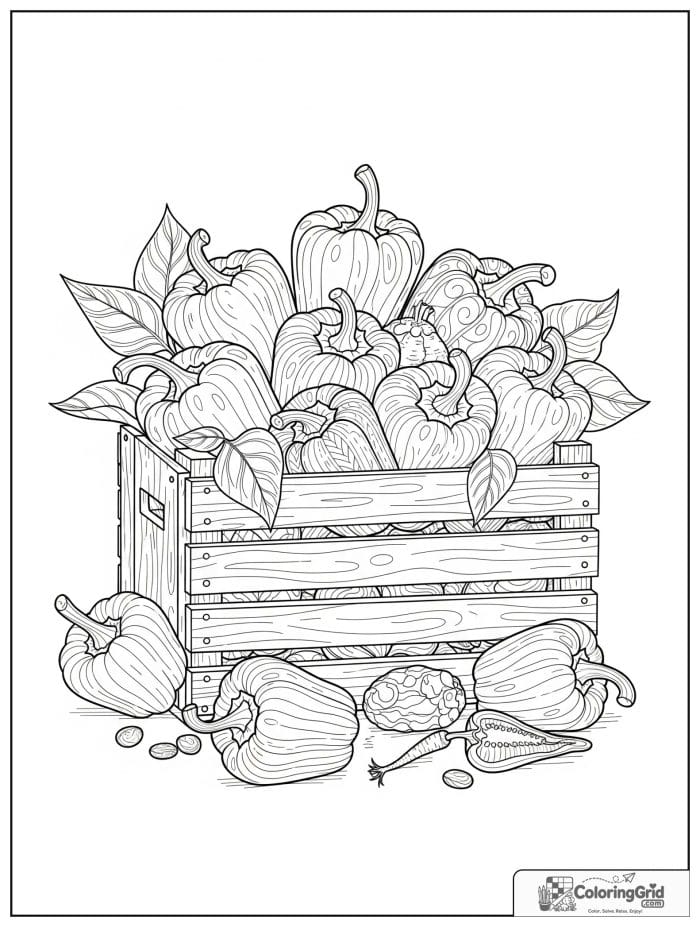
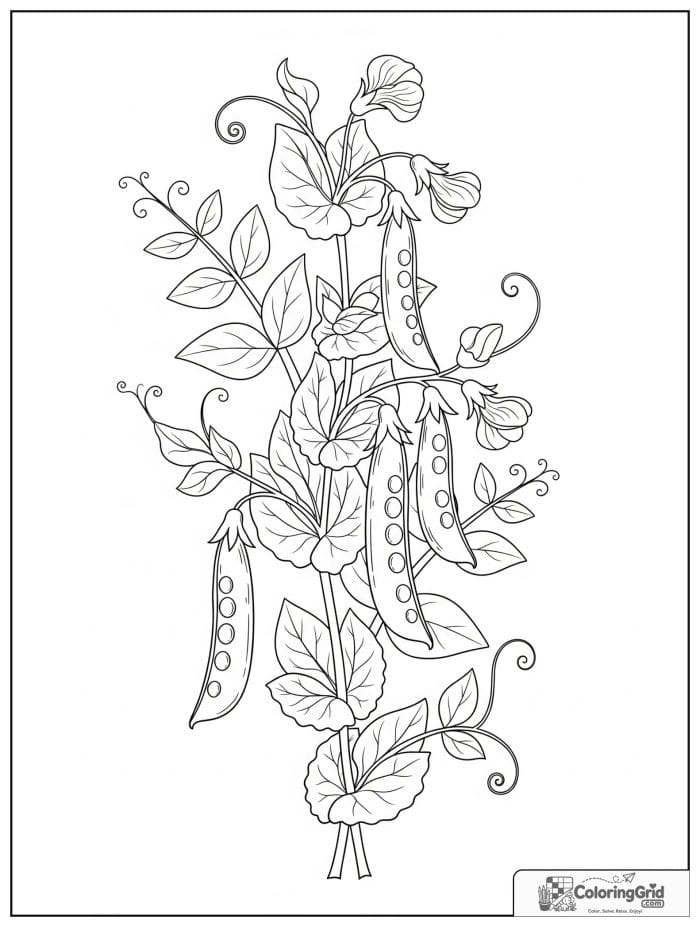
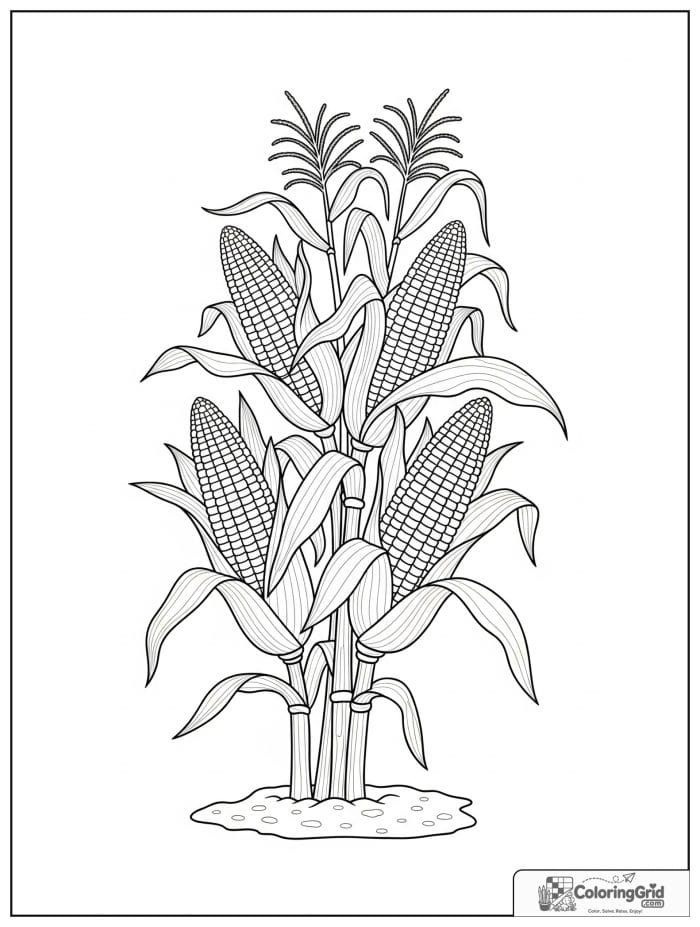
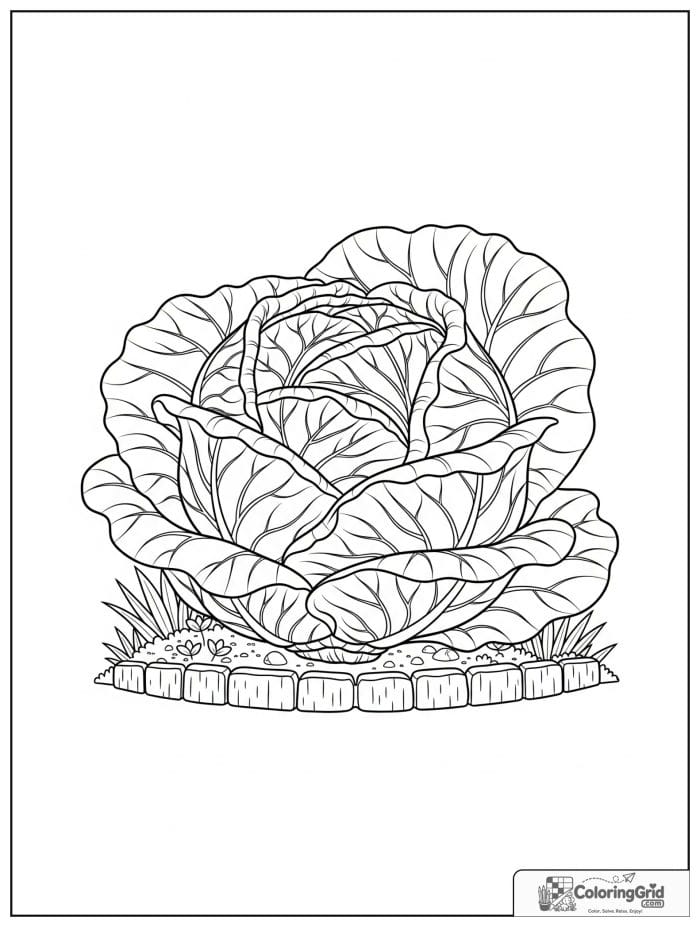
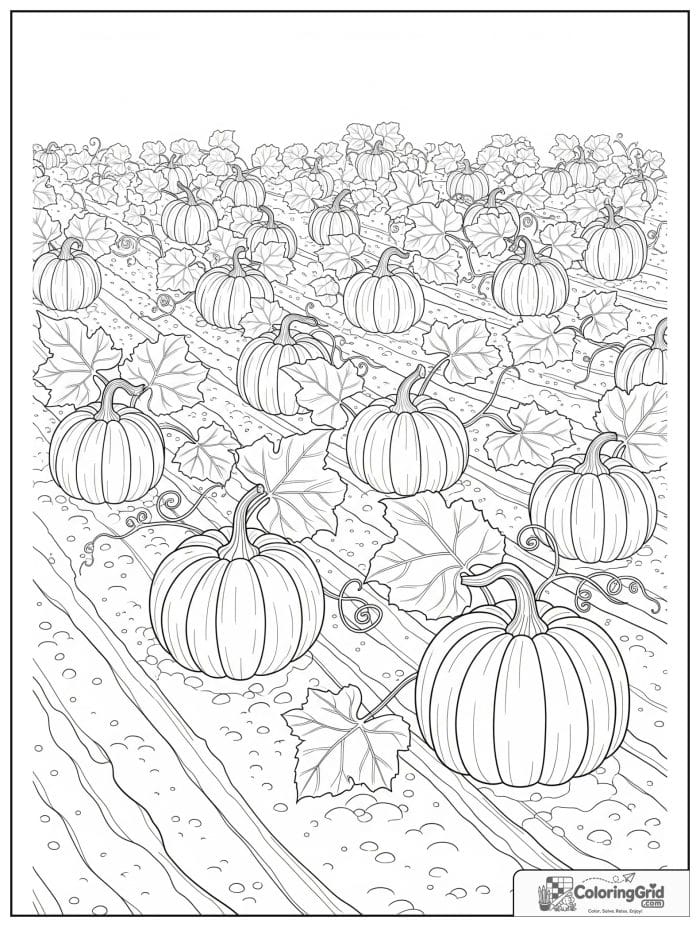
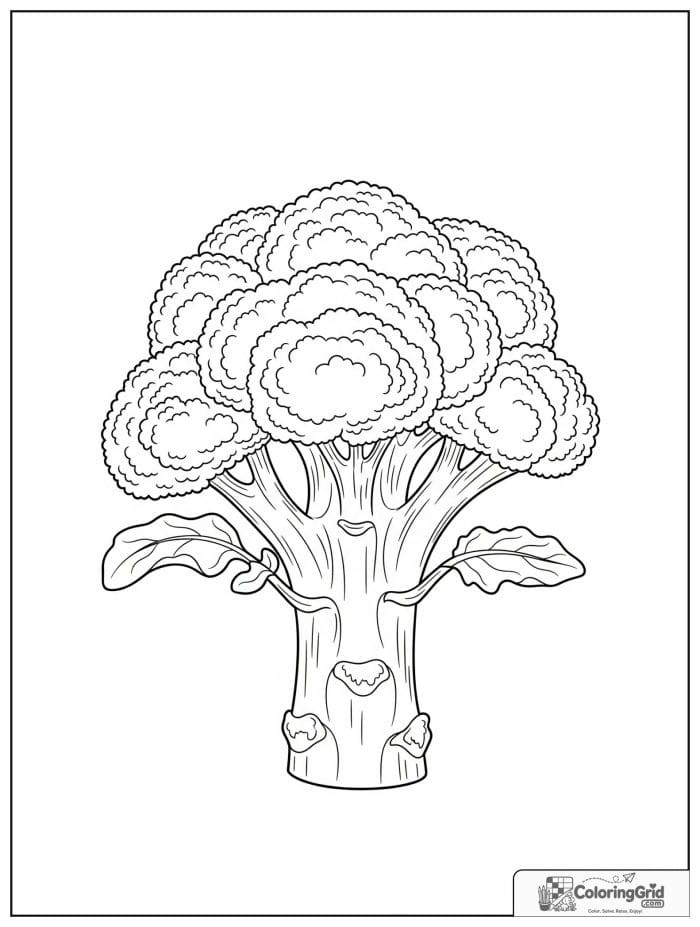
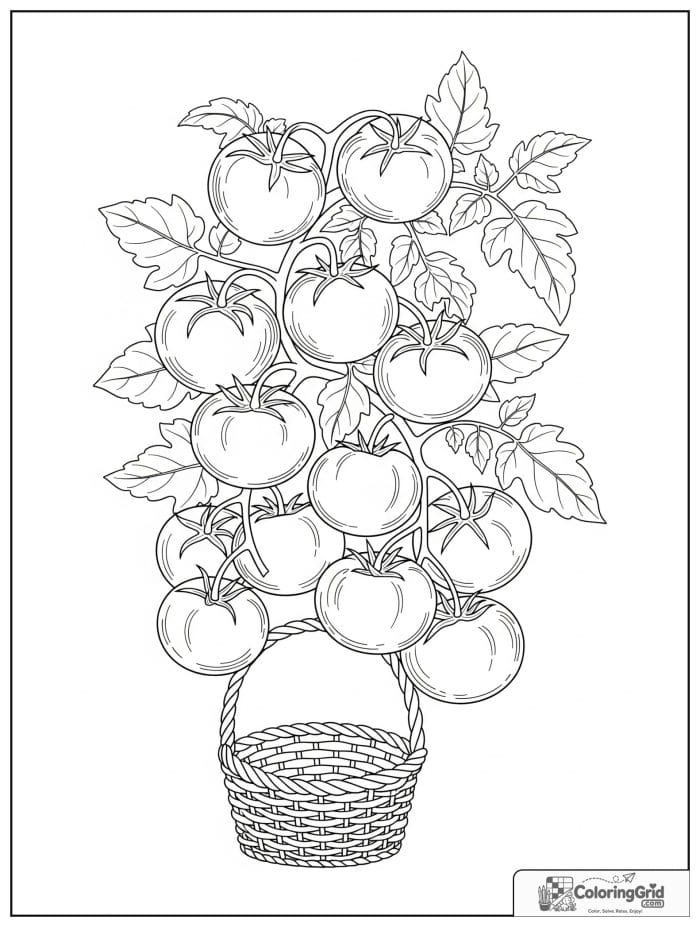
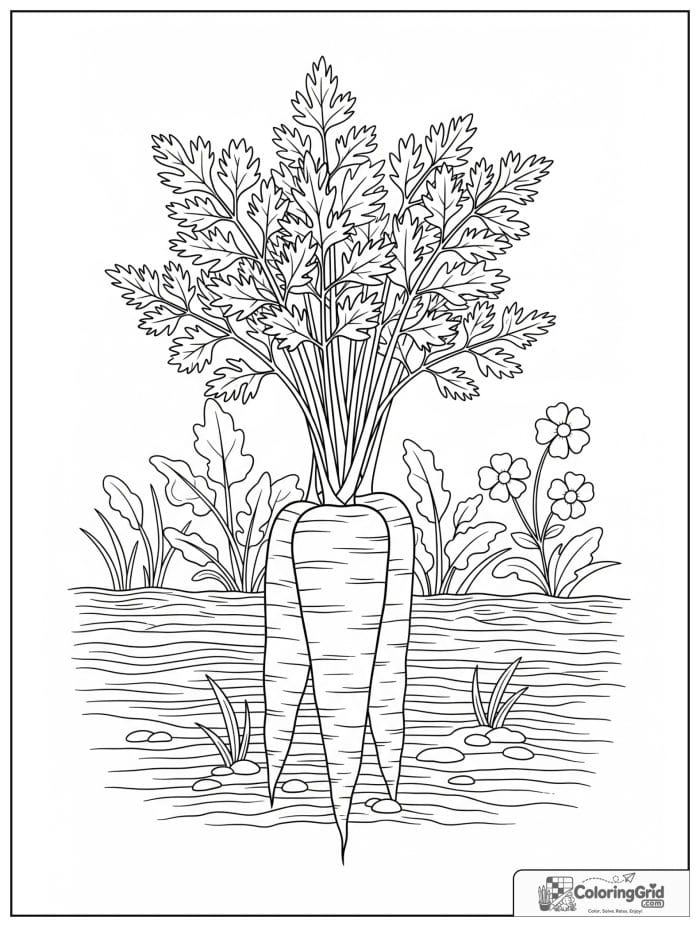
How to Read Vegetable Pages Before Coloring
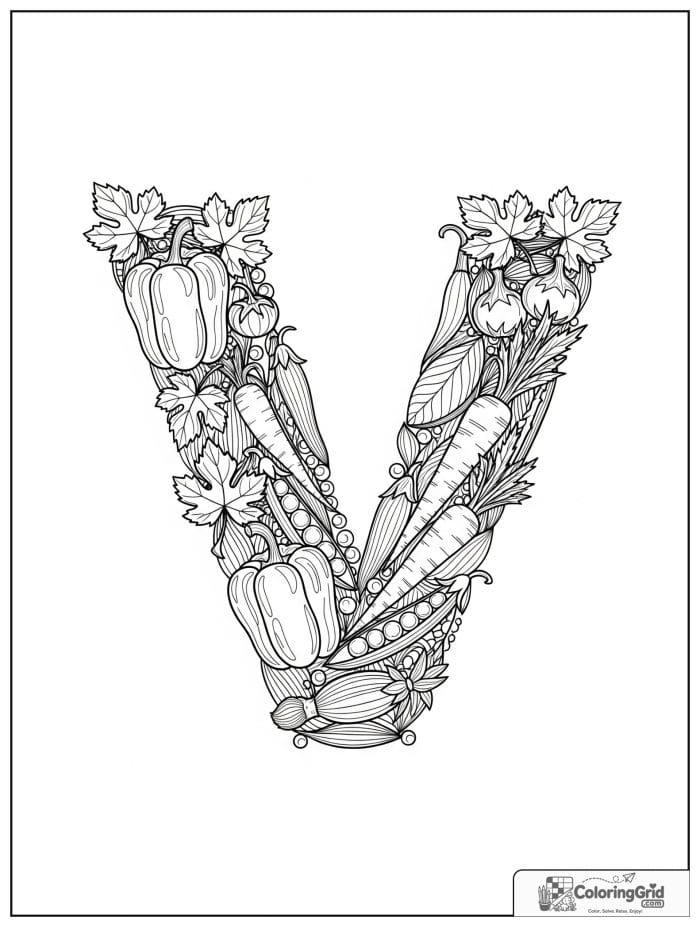
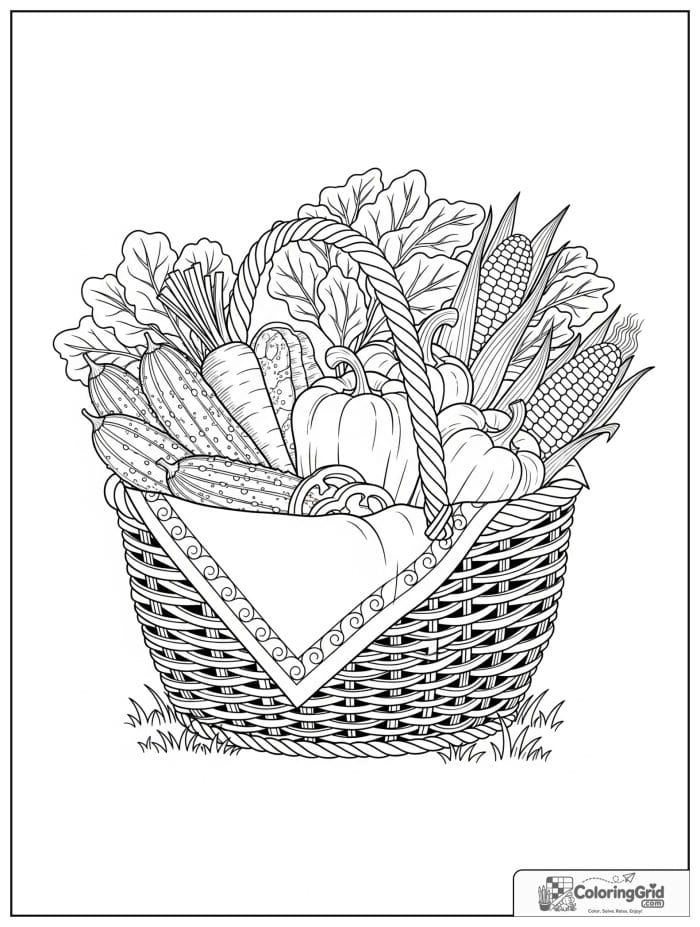
First, notice the boldest vegetable shape. When vegetable outlines are clear, the page feels easier to start, and the child can choose colors without guessing.
Use learning theme, classroom practice, and simple labels to add variety only after the main shape is finished. This keeps the design readable even with bright colors.
Beginner-Friendly Vegetable Printables
Use simple pages for new colorers, short breaks, or classroom transitions. Those sheets should have a clear outline and only a few details around the learning theme.
When the activity has more time, bring out pages with smaller shapes. A detailed vegetable sheet can turn the same topic into a calmer, more focused project.
Detailed Vegetable Pages for Longer Sessions
Markers can be fun, but they are not always best for tiny spaces. If a vegetable sheet has many details around classroom practice, pencils may give a cleaner result.
Choose colors in groups. A main shade, a background shade, and an accent around simple labels can make even a busy page feel planned.
Using Vegetable Pages at Home or in Class
This set is useful when you need an activity that does not require cutting, glue, or setup time. Print a vegetable page, choose the tools, and let the child begin.
In class, the vegetable printable works best as a short support activity. Connect it to the topic, then let the page stay relaxed and easy to finish.
Printing and Organizing Vegetable Coloring Pages
Print one easy page and one detailed page when you are preparing for mixed ages. That small choice prevents the same vegetable activity from feeling too simple or too hard.
Store detailed vegetable pages flat so the smaller lines stay neat. Bolder sheets can be trimmed for displays, added to binders, or sent home in a themed packet.
For a practical coloring choice, match the vegetable page to the time you have. A clear vegetable sheet works for short breaks, while labels and vegetable examples can make the activity slower; USDA MyPlate and USDA Food and Nutrition offer quick context.
Vegetable pages can sit beside Weather Coloring Pages, Transport Coloring Pages, and Bird Coloring Pages when you want a small set for the same coloring table. Children can move between the linked sheets at their own pace, choosing what fits the time and tools available.
Vegetable Coloring Pages FAQ
What colors work well for Vegetable Coloring Pages?
For a clean finish, color the broad vegetable spaces first and leave the main concept for slower detail work. That gives the vegetable page variety without making every small area compete.
Should I print Vegetable Coloring Pages as PDF or JPG files?
The PDF is better for printing several vegetable pages in one session. The JPG is better for one selected design, especially when you want quick access or a smaller custom print.
Which Vegetable Coloring Pages are best for younger kids?
For younger children, avoid vegetable pages with too many tiny sections. A clear subject, a simple background, and a few details are enough for a successful first print.
How can teachers use Vegetable Coloring Pages in a lesson?
A vegetable sheet works well for centers, sub plans, or a short extension activity. Pair it with one observation about the learning theme, then let students color independently.